EU EPR Dual-Country Registration Effective for Beauty Packaging
On 18 April 2026, the Extended Producer Responsibility (EPR) registration requirements under the EU Packaging and Packaging Waste Directive (PPWD) entered into force simultaneously in France and Germany. This development directly affects Chinese suppliers exporting cosmetic packaging to these two markets — a key segment within the global beauty supply chain.
Event Overview
Effective 18 April 2026, EPR registration became mandatory for all producers placing packaging on the French and German markets. Chinese exporters of cosmetic packaging must now complete separate registrations with Eco-Emballages (France) and Dual System Germany (Germany). Quarterly reporting of packaging weight and payment of recycling fees are required. Non-registered entities face border detention of shipments.
Which Subsectors Are Affected
Direct Exporters (B2B Packaging Suppliers)
These companies ship finished cosmetic containers, closures, secondary packaging, or display materials directly to French or German brand owners or distributors. They are legally defined as ‘producers’ under PPWD if they place packaging on those markets — triggering direct EPR obligations. Impact includes administrative burden, cost exposure (fees scale with weight), and operational risk (customs hold).
Contract Manufacturers & Fillers (OEM/ODM)
When packaging is supplied by a third-party manufacturer but placed on the market under the brand owner’s name, liability may shift. However, many contracts assign EPR compliance responsibility to the packaging supplier — especially where branding, sourcing, or delivery control resides with them. Impact manifests in contractual renegotiation pressure and increased due diligence in commercial agreements.
Supply Chain Intermediaries (Trading Companies, Consolidators)
Firms that aggregate, label, or repackage cosmetic packaging before export may be deemed ‘producers’ if their actions result in new market placement — e.g., applying private labels or repackaging for German/French clients. Impact includes ambiguity in role definition and potential misalignment between contractual terms and regulatory interpretation.
What Relevant Enterprises or Practitioners Should Focus On — And How to Respond Now
Confirm your legal status under national EPR definitions
Neither French nor German law automatically exempts foreign exporters. Review current contracts and shipment documentation: Who appears as the ‘responsible party’ on invoices, declarations, or product labeling? That entity is likely the registered producer. Do not assume brand owners bear full responsibility — verify per transaction.
Initiate parallel registration processes without delay
Eco-Emballages and Dual System Germany require company documentation, packaging composition data, and weight estimates. Neither system offers retroactive grace periods. Start gathering material weight breakdowns (e.g., PET vs. aluminum vs. composite) by SKU and destination country — this data underpins both registration and quarterly reporting.
Update customs and logistics coordination protocols
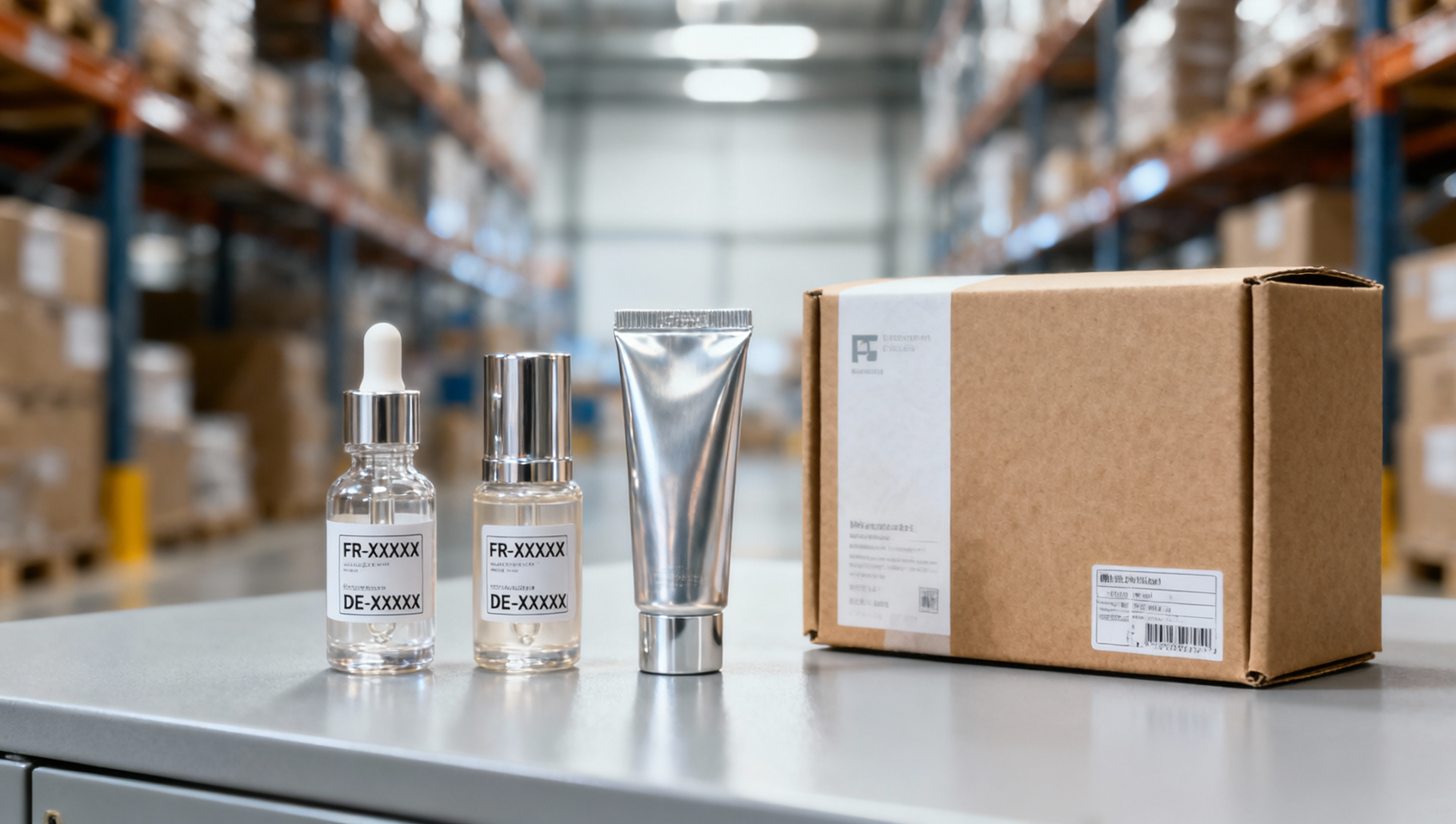
French and German customs authorities have integrated EPR verification into import clearance workflows. Ensure your freight forwarder can submit EPR registration numbers (e.g., FR-XXXXX, DE-XXXXX) at time of entry. Delayed or missing submissions may trigger physical inspection or hold — even for compliant goods.
Monitor official guidance on ‘packaging placed on the market’ thresholds
Both systems define scope based on when packaging enters economic circulation. Clarification is still pending on whether samples, prototypes, or R&D shipments count. Until formal guidance is published, treat all physical exports — including non-commercial consignments — as subject to registration unless explicitly exempted in writing by the relevant authority.
Editorial Perspective / Industry Observation
From an industry perspective, this dual-country enforcement marks a structural shift — not just a procedural update. It signals that EU member states are moving beyond harmonized directives toward nationally enforced, operationally binding compliance. Analysis来看, the simultaneous activation in France and Germany reflects coordinated readiness, not isolated action — suggesting other EU countries (e.g., Italy, Spain) may follow similar timelines in 2026–2027. Observation来看, the focus on weight-based reporting and fee collection reveals an emphasis on measurable environmental accountability over self-declaration. Current more appropriate understanding is that this is both a compliance milestone and a signal: EPR is no longer a ‘future risk’ but an active trade condition for cosmetic packaging entering core EU markets.
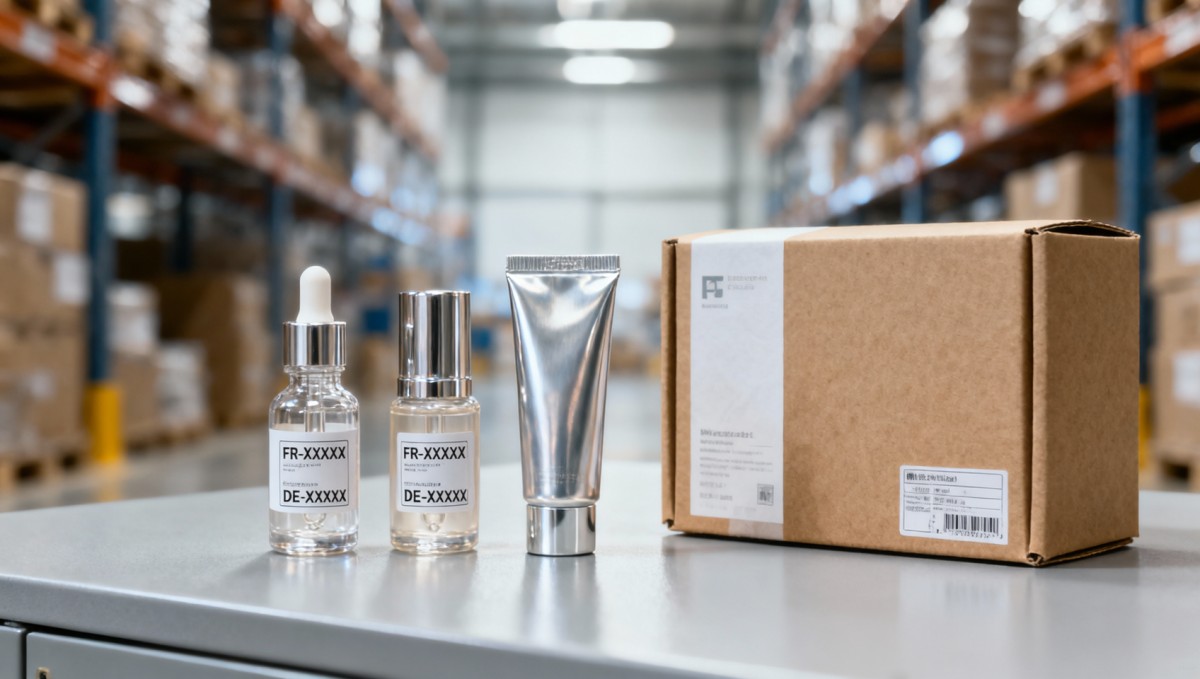
This development underscores that EPR compliance is now embedded in cross-border trade infrastructure — not merely an environmental program. For affected enterprises, the priority is not theoretical alignment with sustainability goals, but concrete integration into export operations: registration numbers must appear on shipping documents; weight data must feed quarterly reports; and internal roles must reflect statutory responsibility — regardless of commercial arrangements.
Source Note: Official announcements from Eco-Emballages (France) and Dual System Germany, effective 18 April 2026. No additional policy texts, implementation guidelines, or transitional provisions have been confirmed beyond those publicly issued by the two national schemes. Ongoing monitoring is recommended for updates on enforcement thresholds, sample shipment exemptions, and multi-country registration simplifications.
Related Intelligence
 Cosmetics & PkgApr 22, 2026SAMR Penalizes 7 Platforms for 'Ghost Kitchen' Packaging ViolationsSAMR penalizes 7 platforms for 'ghost kitchen' packaging violations—critical for food-grade packaging OEMs, suppliers & procurement teams. Act now.
 Camping & WaterApr 22, 2026RCEP Camping Water Bags: Indonesia Cuts Tariff, Sets TPU+Aluminum SpecRCEP Camping Water Bags: Indonesia cuts tariff to 3.4% & mandates TPU+aluminum spec—key opportunity for exporters, TPU suppliers & converters in ASEAN-China supply chains.
 Corporate & Seasonal GiftsApr 22, 2026TÜV Green Packaging LCA Threshold Effective Apr 2026TÜV Green Packaging LCA Threshold takes effect Apr 2026 — mandatory carbon heatmaps & ISO-compliant LCAs for holiday, wedding &文创 packaging. Act now to meet EU tender requirements.
 Beauty DevicesApr 22, 2026Global Li-Battery Recycling Rate Hits 62%: Beauty Device BOM Cost Down 9%Li-battery recycling hits 62% globally—driving 9% BOM cost cuts for beauty devices. Discover how recycled LFP/NCM cells slash lead times & boost margins.
 Nursery Furniture & MonitorsApr 22, 2026Canton Fair Phase III: Infant Monitor Inquiries Surge, EN60601-1-12 Certification Critical for Middle EastEN60601-1-12 certification is now critical for infant monitors targeting the Middle East — Canton Fair Phase III reveals surging buyer demand from UAE & KSA.
 Smart Pet DevicesApr 22, 2026Vietnam Enforces ISO 13485 + Vietnamese Manual for Smart Pet CollarsISO 13485 + Vietnamese manual now mandatory for smart pet collars entering Vietnam — avoid import delays. Learn compliance essentials for Class IIa medical device classification.
 Infant Feeding & CareApr 22, 2026JETRO Spring Sourcing: Silicone Baby Feeding Items Must Link to BlockchainSilicone baby feeding items must link to blockchain for JETRO Spring Sourcing — avoid 11-day delays & 100% inspections. Act now to ensure compliance.
 STEM & Educational ToysApr 22, 2026SASO Launches 24-Hour AI STEM Toy Certification in Saudi ArabiaSASO's 24-hour AI STEM toy certification now live in Saudi Arabia — fast-track CoC for robotics, voice/vision learning toys meeting GB/T 34667-2025 & IEC 62368-1.
 Cosmetics & PkgApr 22, 2026EU EPR Dual-Country Registration Effective for Beauty PackagingEU EPR dual-country registration is now mandatory for beauty packaging exporters—secure France & Germany compliance before April 22, 2026 to avoid delisting and customs delays.
 Cosmetics & PkgApr 22, 2026FDA Requires Independent VCRP Registration for Cosmetic Packaging as of Apr 21, 2026FDA requires independent VCRP registration for cosmetic packaging by Apr 21, 2026—essential for U.S. importers, Chinese suppliers & OEMs. Act now to avoid delays.
 Cosmetics & PkgApr 21, 2026SAMR Penalizes 7 Platforms for 'Ghost Kitchen' Packaging ViolationsSAMR penalizes 7 platforms for 'ghost kitchen' packaging violations—key alert for food packaging exporters, converters & brands on licensing compliance.
 Cosmetics & PkgApr 21, 2026EU EPR Dual-Country Registration Effective for Beauty PackagingEU EPR Dual-Country Registration is now live for beauty packaging in France & Germany — act now to avoid shipment delays, fees, and customs holds.
 Cosmetics & PkgApr 21, 2026FDA MoCRA Rule: Cosmetic Packaging Must File Separate VCRPFDA MoCRA Rule requires cosmetic packaging—vacuum bottles, pumps, tubes—to file separate VCRP registration by April 17, 2026. Stay compliant & avoid shipment delays!