Aksu Textile Capacity Ramps Up: 25-Day OEM Delivery for Cotton Babywear & Activewear
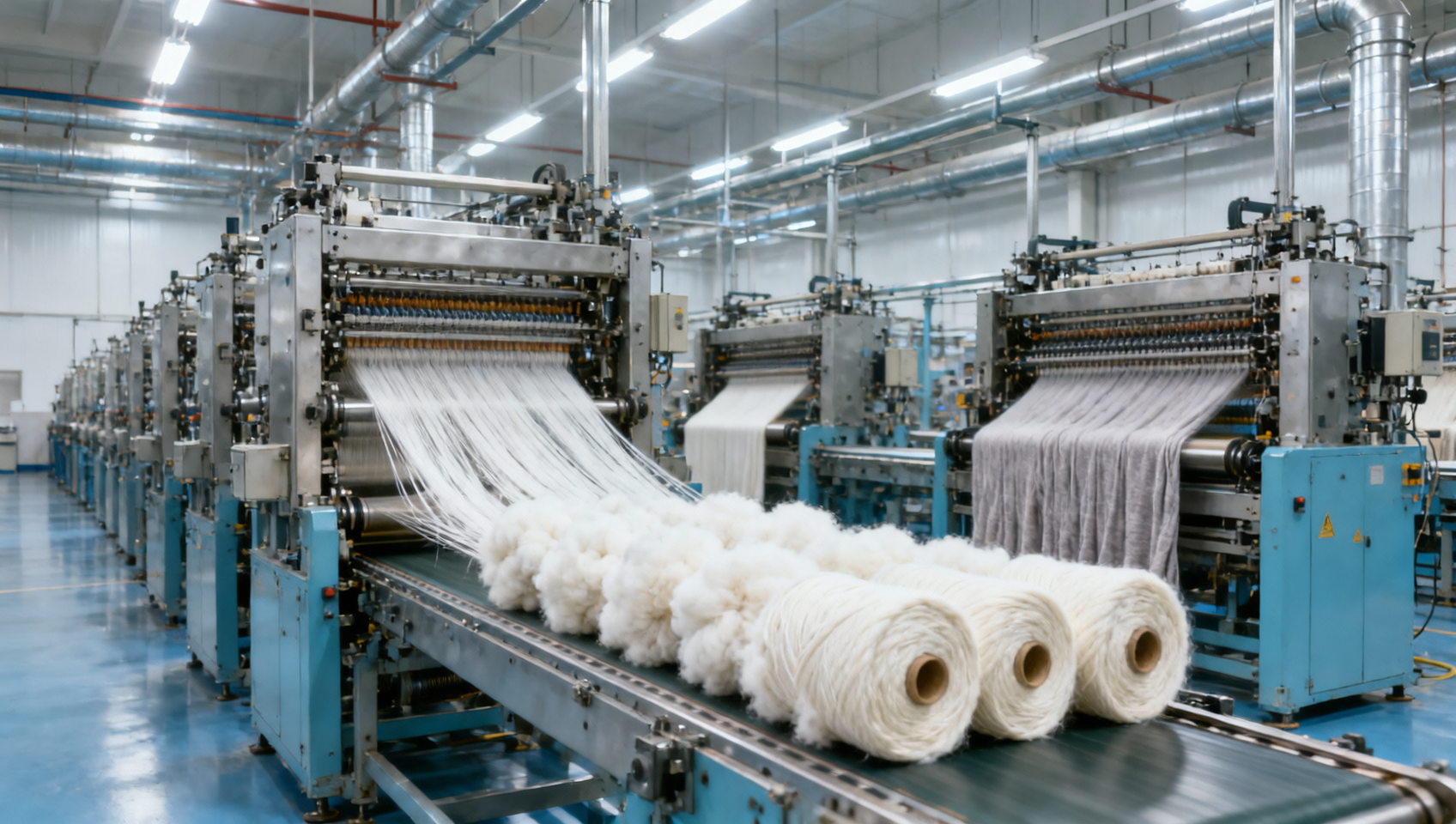
Aksum’s textile production capacity accelerated significantly on April 14, 2026, with Xinjiang Huayu Textile Technology Co., Ltd.’s Awati base achieving full operational capacity. This development directly impacts exporters and brand OEM partners serving the baby apparel and activewear segments—particularly those targeting North American and European Q3 back-to-school and restocking cycles—by offering faster lead times and lower logistics-related carbon emissions.
Event Overview
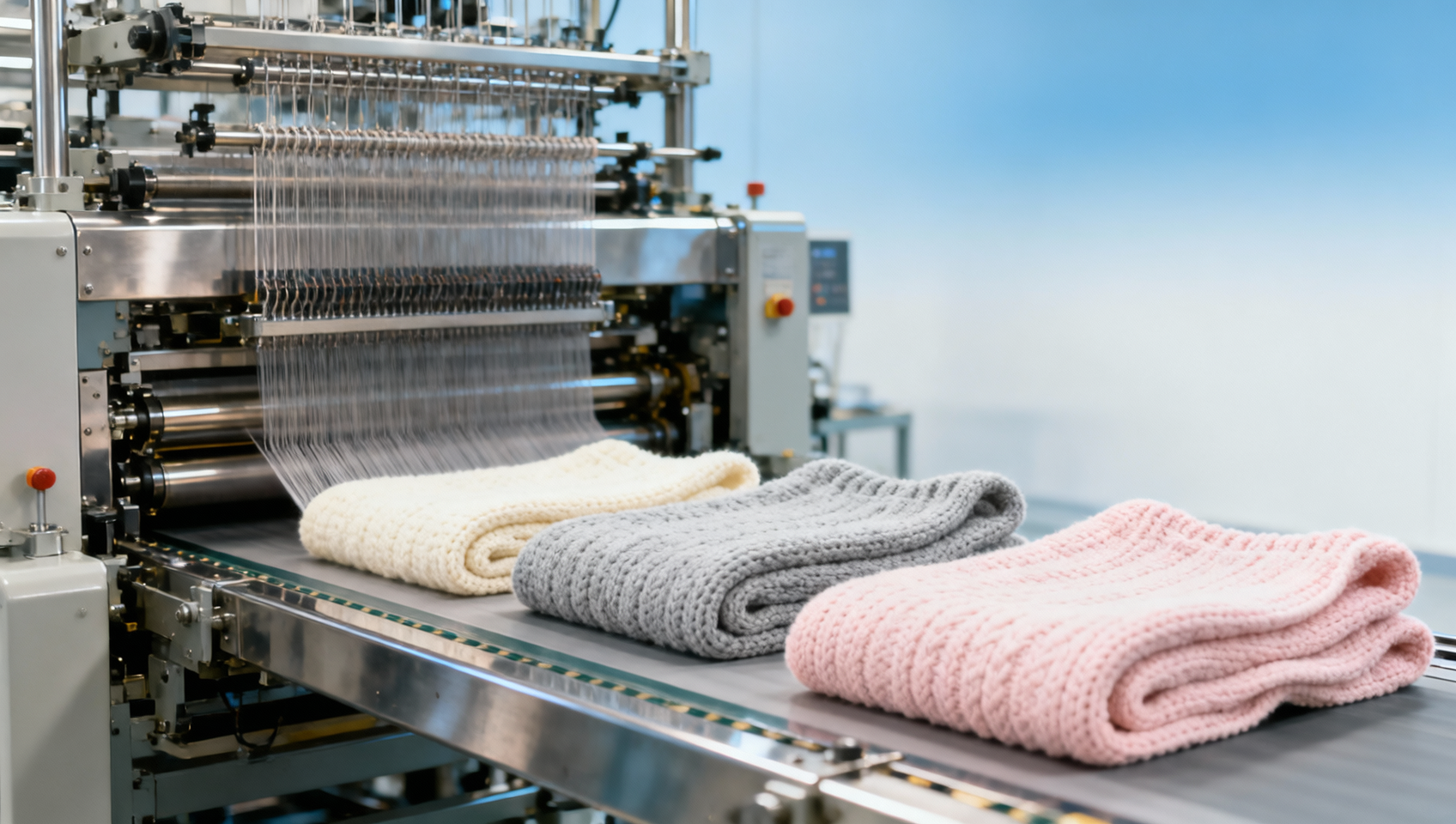
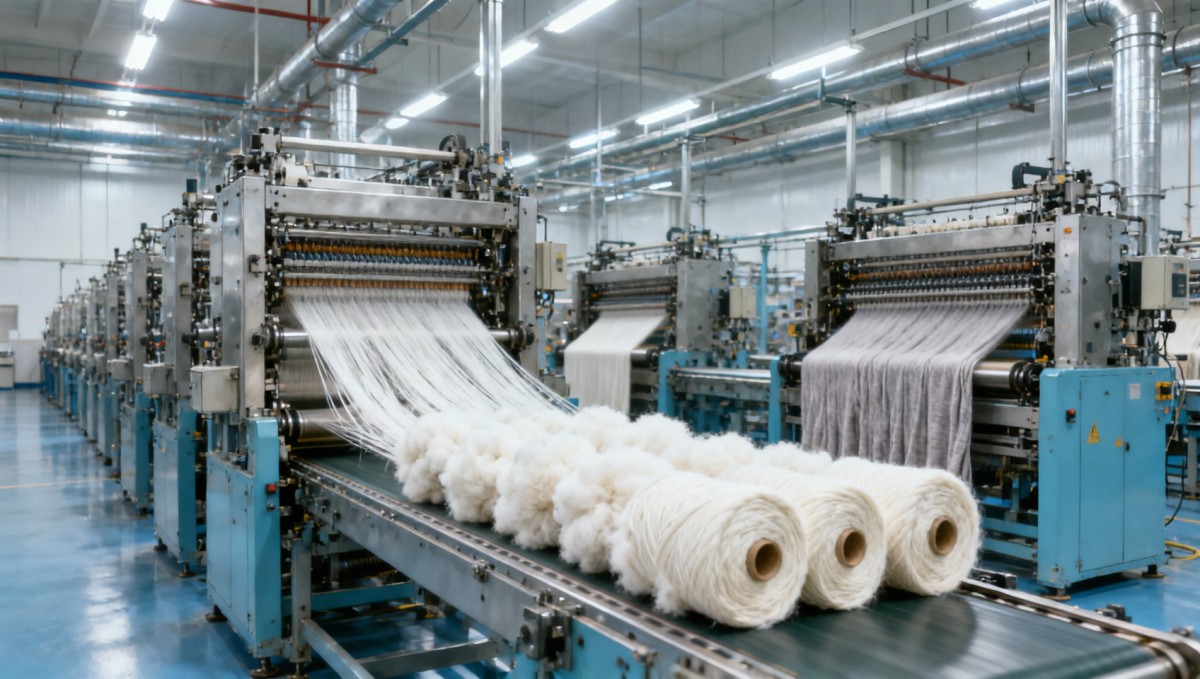
On April 14, 2026, Xinjiang Huayu Textile Technology Co., Ltd. announced that its Awati production base in Aksu Prefecture commenced full-capacity operation. The facility leverages locally sourced premium long-staple cotton and an integrated spinning–weaving–dyeing & finishing line. As a result, delivery lead times for OEM orders of cotton baby rompers (classified under Baby Gear & Strollers) and modal-blend fabrics for activewear have been reduced to 25 days—down from the industry average of 45 days. This acceleration coincides with peak demand windows in North America and Europe for Q3 school-year apparel and sportswear replenishment. Carbon footprint analysis indicates a 32% reduction in maritime transport emissions compared to equivalent shipments originating from eastern China.
Impact on Specific Industry Segments
Direct Export Trading Firms
These firms face tighter seasonal deadlines for Q3 deliveries to Western retailers and e-commerce platforms. The 20-day lead time reduction enables more responsive order placement and reduces buffer inventory needs—but only if supply chain coordination with upstream mills and downstream logistics is synchronized.
Raw Material Sourcing Enterprises
Suppliers managing cotton or modal procurement may observe increased regional demand pressure on Xinjiang-sourced long-staple cotton. While local availability supports shorter lead times, price stability and traceability verification (e.g., for GOTS or OCS compliance) become more critical as order volumes scale at the Awati site.
Contract Manufacturing & OEM Service Providers
Firms coordinating cut-make-trim (CMT) or full-package production for global brands now have a viable near-shore option for fabric supply. However, integration into existing production planning requires verifying minimum order quantities (MOQs), lab-dip approval timelines, and compatibility with existing dye-lot management systems—none of which are disclosed in current public information.
Supply Chain & Logistics Service Providers
Domestic rail-forwarding operators and inland container depots in Northwest China may see higher utilization rates for intermodal services linking Aksu to Lianyungang or Khorgos. The 32% maritime emissions reduction claim implies a shift toward overland or hybrid transport modes—but actual routing, transit time, and customs clearance efficiency remain unconfirmed.
What Relevant Enterprises or Practitioners Should Monitor and Act On
Track official capacity utilization updates beyond the April 14 announcement
The April 14 statement confirms full-load operation—but does not specify whether this reflects sustained throughput across all product categories or temporary ramp-up. Monitoring quarterly production reports or customs export data by HS code (e.g., 6111.20 for baby rompers, 6114.20 for women’s knitted activewear) will help validate scalability.
Verify lead time applicability per fabric composition and order volume
The 25-day benchmark applies specifically to cotton rompers and modal-blend activewear fabrics. Buyers should confirm whether this includes quality assurance hold periods, third-party testing turnaround, or documentation preparation—and whether it holds for orders below 5,000 units or above 50,000 units.
Assess carbon accounting alignment with buyer sustainability programs
The cited 32% maritime emissions reduction compares Aksu-based ocean freight to eastern China-originating shipments. Enterprises using Scope 3 emissions reporting (e.g., CDP, Higg Index) must determine whether this figure reflects verified lifecycle assessment (LCA) data—or is based solely on distance and vessel type assumptions.
Prepare for potential regional policy adjustments in cotton traceability
Xinjiang cotton remains subject to evolving import regulations in key markets. Firms relying on Awati-sourced material should ensure real-time access to batch-level ginning records, farm origin mapping, and audit-ready documentation—even if not currently required by buyers.
Editorial Perspective / Industry Observation
From an industry perspective, this milestone is best understood not as a standalone production upgrade, but as an early indicator of regional supply chain reconfiguration. Analysis来看, the 25-day OEM cycle reflects progress in vertical integration—not just raw material access—within a single geographic node. Observation来看, the timing aligns closely with documented Q3 demand surges in transatlantic retail calendars, suggesting intentional market synchronization rather than incidental capacity expansion. Current更值得关注的是 whether this model proves replicable across other Xinjiang textile clusters (e.g., Korla, Shihezi), and whether lead time compression translates into consistent quality yield and compliance adherence at scale. It is more accurately interpreted as an emerging capability signal—not yet a proven, system-wide alternative to established coastal supply chains.
In summary, the Aksu capacity ramp represents a measurable shortening of response latency for specific cotton-based infant and performance apparel categories—yet its broader industry significance hinges on verifiable consistency, regulatory acceptance, and integration readiness across multi-tier supply networks. It is neither a wholesale shift nor a marginal footnote; rather, it marks a new reference point for evaluating responsiveness and decarbonization trade-offs in near-regional sourcing strategies.
Source: Official announcement by Xinjiang Huayu Textile Technology Co., Ltd., dated April 14, 2026. Note: Lead time benchmarks, emissions figures, and capacity claims remain subject to independent verification. No further technical specifications or contractual terms were disclosed in the initial release.
Related Intelligence
 Baby Gear & StrollersApr 16, 2026Cabinet locks baby proofing: magnetic vs. mechanical release under stressCabinet locks baby proofing compared: magnetic vs. mechanical under stress—critical for wholesale baby safety gates, corner protectors, potty training seats & more.
 Baby Gear & StrollersApr 16, 2026Wholesale baby shoes: why outsole flexibility varies across identical SKUsWholesale baby shoes flexibility varies by region—discover why & how to ensure CPC/CE compliance. Also: diaper changing pad wholesale, baby safety gates wholesale, custom knit baby blankets & more.
 Baby Gear & StrollersApr 16, 2026Custom knit baby blankets: how yarn sourcing impacts batch-to-batch color matchCustom knit baby blankets demand precise color match—learn how ethical yarn sourcing impacts quality, compliance & consistency for diaper changing pad wholesale, baby safety gates wholesale, bamboo baby washcloths & more.
 Baby Gear & StrollersApr 16, 2026Diaper changing pad wholesale: flame retardant claims vs. third-party test reportsDiaper changing pad wholesale: Verify flame retardant claims with third-party test reports—critical for custom knit baby blankets, baby safety gates wholesale, bamboo baby washcloths & more.
 Baby Gear & StrollersApr 16, 2026Cabinet locks for baby proofing — do universal-fit models actually hold up?Cabinet locks baby proofing that truly work? Discover universal-fit performance data, CPC/CE compliance insights, and sourcing tips for diaper changing pad wholesale, bamboo baby washcloths & more.
 Baby Gear & StrollersApr 16, 2026Wholesale baby shoes: hidden cost of inconsistent EU CE labelingWholesale baby shoes with inconsistent EU CE labeling risk delays, fines & recalls—impacting diaper changing pad wholesale, baby safety gates wholesale, custom knit baby blankets & more. Act now!
 Baby Gear & StrollersApr 16, 2026Why custom knit baby blankets often fail durability tests in bulk ordersWhy do custom knit baby blankets fail durability tests? Discover root causes, prevention strategies & trusted OEM partners for diaper changing pad wholesale, baby safety gates wholesale, and more.
 Baby Gear & StrollersApr 16, 2026Are wholesale diaper changing pads really safer than retail versions?Discover safer diaper changing pad wholesale options—plus cabinet locks, corner protectors, baby safety gates, and bamboo washcloths—all GCS-verified for compliance & quality.
 Pet Grooming & TravelApr 16, 2026Pet Nail Grinder Manufacturer Choices That Reduce Noise ComplaintsPet nail grinder manufacturer comparisons that cut noise complaints for travel retail and pet brands. Learn quieter OEM sourcing tips, quality checks, and portfolio fit with dog grooming clippers wholesale.
 Pet Furniture & EnrichmentApr 16, 2026Wholesale Freeze Dried Pet Food: Shelf Life Claims vs Real Storage RiskWholesale freeze dried pet food shelf life claims vs real storage risk for travel retail. Compare suppliers, packaging, and logistics with insights on dental sticks for dogs OEM and retractable dog leash wholesale.
 Smart Pet DevicesApr 16, 2026Why Dental Sticks for Dogs OEM Fails When Texture Is OverlookedDental sticks for dogs OEM often fails when texture is ignored. Learn how travel retail buyers compare chew safety, shelf performance, and supplier fit across wholesale freeze dried pet food and more.
 Camping & WaterApr 16, 2026What Makes Aquarium LED Lighting OEM Reliable for Large Tank Projects?Aquarium LED lighting OEM reliability for large tank tourism projects starts with stable engineering, compliance, scalable production, and service support. Learn how to choose with confidence.
 Pet Grooming & TravelApr 16, 2026China Synthetic Rubber Price Surge Impacts TPR Footwear CostsChina synthetic rubber price surge hits TPR footwear costs—18% granule hike impacts pet travel gear & camping suppliers. Act now to secure Q2 inventory and assess TPU alternatives.