China Synthetic Rubber Price Surge Impacts TPR Footwear Costs
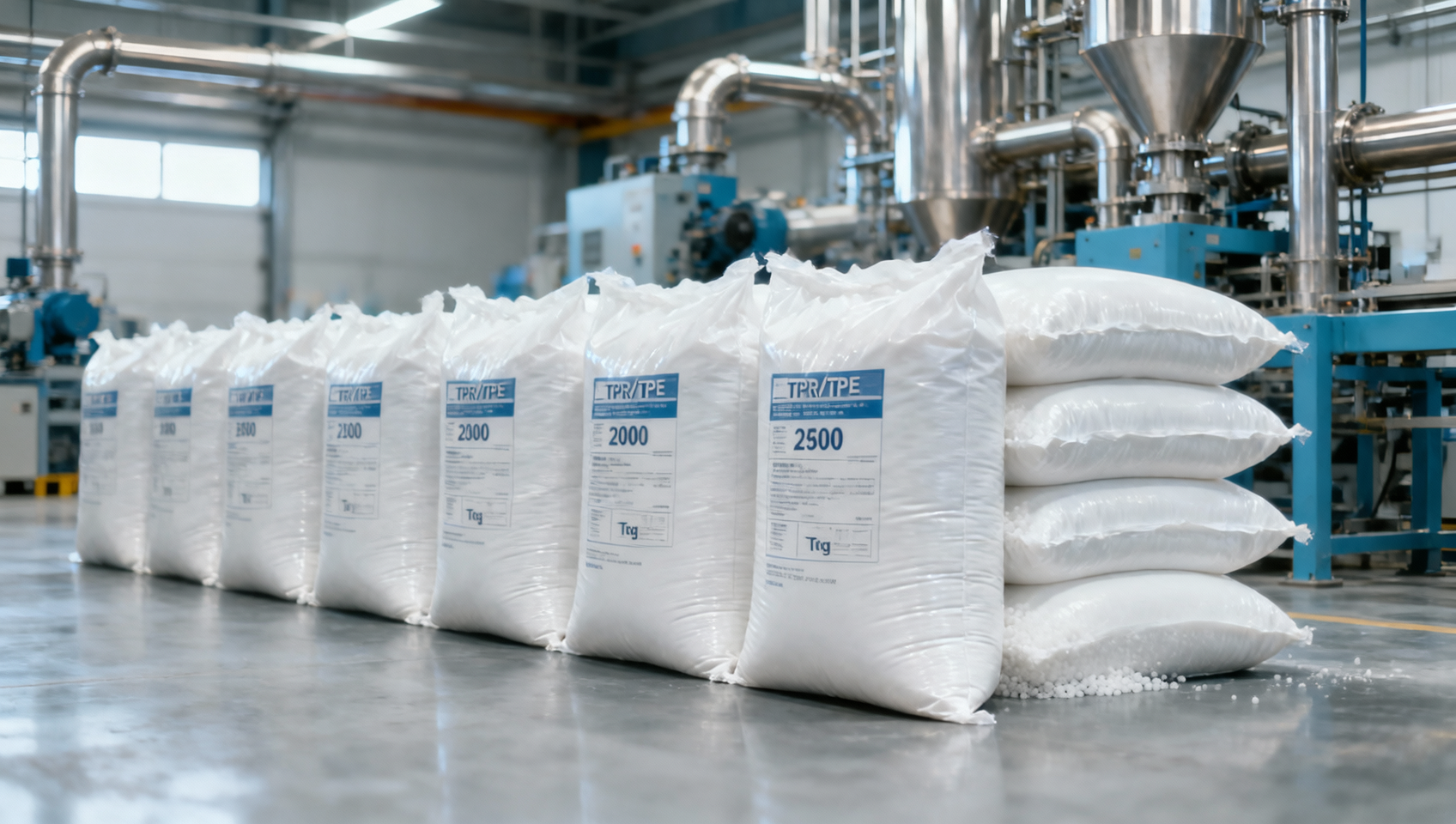
Chinese synthetic rubber prices rose 22% year-on-year in early April 2026, driven by higher butadiene feedstock costs and weakening demand from the automotive tire sector. This cost pressure has directly impacted downstream TPR/TPE compound pricing for pet travel gear and outdoor camping products — with mainstream granule quotations reaching RMB 18,500/ton, an 18% increase since Q1 2026. Affected industries include pet grooming & travel equipment manufacturers, camping & water-sport product suppliers, and their global procurement partners.
Event Overview
According to the China Synthetic Rubber Industry Association, synthetic rubber prices in China increased by 22% year-on-year in early April 2026 (data dated 2026-04-10). The rise is attributed to higher butadiene raw material costs and softening demand from the automobile tire segment. As a result, quoted prices for mainstream TPR/TPE granules reached RMB 18,500 per ton — up 18% from the beginning of Q1 2026. Some small- and medium-sized domestic producers have suspended new order intake.
Industries Affected
Direct Trading Enterprises
Export-oriented trading firms supplying pet backpacks, leashes (with TPR grips), inflatable mats, and water shoes face compressed margins as landed TPR/TPE material costs rise. Since many contracts are priced on quarterly or spot terms, buyers with open Q2 orders may encounter upward price adjustments or supply delays.
Raw Material Procurement Teams
Purchasing departments at OEM/ODM manufacturers rely on stable TPR/TPE supply chains. The 18% cost jump — coupled with production pauses at some Chinese suppliers — increases risk of allocation constraints and delivery uncertainty, especially for non-contracted or low-volume SKUs.
Contract Manufacturing Firms
Manufacturers producing pet travel gear or camping footwear using TPR soles or grips face dual pressure: rising input costs and limited ability to pass through full increases without renegotiation. Margins on legacy contracts signed before Q1 2026 are particularly vulnerable.
Supply Chain & Sourcing Service Providers
Third-party sourcing agents and logistics coordinators supporting Western brands must now verify material availability more rigorously. Documentation of current TPR/TPE batch certifications, lead times, and alternative supplier capacity has become critical for Q2 planning.
What Relevant Enterprises Should Monitor and Do Now
Secure Q2 raw material inventory without delay
Given confirmed price increases and selective order suspensions by Chinese TPR/TPE producers, procurement teams should prioritize locking in committed volumes for Q2 — especially for high-volume SKUs where substitution is not yet viable.
Evaluate technical feasibility of TPU alternatives for select applications
While TPU offers better performance in some wet/dynamic use cases (e.g., water shoes), it carries higher base cost and processing complexity. Engineering and procurement teams should jointly assess which SKUs can technically and economically shift to TPU — starting with prototypes and small-batch validation.
Monitor official butadiene pricing and synthetic rubber output data
Butadiene remains the key upstream driver. Continued volatility in its CFR China price — reported weekly by industry platforms such as Asian Petrochemical Insight — will signal whether the current TPR/TPE cost level is temporary or structural. Watch for updates from the China Synthetic Rubber Industry Association beyond the April 10 release.
Clarify contractual clauses on raw material pass-through and force majeure
Review existing supply agreements for provisions covering raw material indexation, minimum order commitments, and delivery flexibility. Where clauses are silent, initiate proactive discussions with suppliers on shared risk mitigation — rather than waiting for formal notice of price changes or order halts.
Editorial Perspective / Industry Observation
This development is best understood as a near-term cost shock with cascading supply chain implications — not yet a structural shift in polymer formulation strategy. From industry perspective, the 18% TPR/TPE price hike reflects short-term feedstock-driven inflation rather than long-term demand-led scarcity. Analysis suggests the impact is most acute for mid-tier manufacturers lacking scale-based hedging tools or vertical integration. Observation shows that while TPU substitution is technically viable for certain high-performance segments (e.g.,涉水鞋底), widespread adoption remains constrained by tooling costs and processing requalification timelines. Current more relevant interpretation is that this episode highlights growing sensitivity of niche consumer product categories — like pet travel and lightweight camping gear — to fluctuations in commodity-grade elastomer markets traditionally anchored in automotive and industrial sectors.
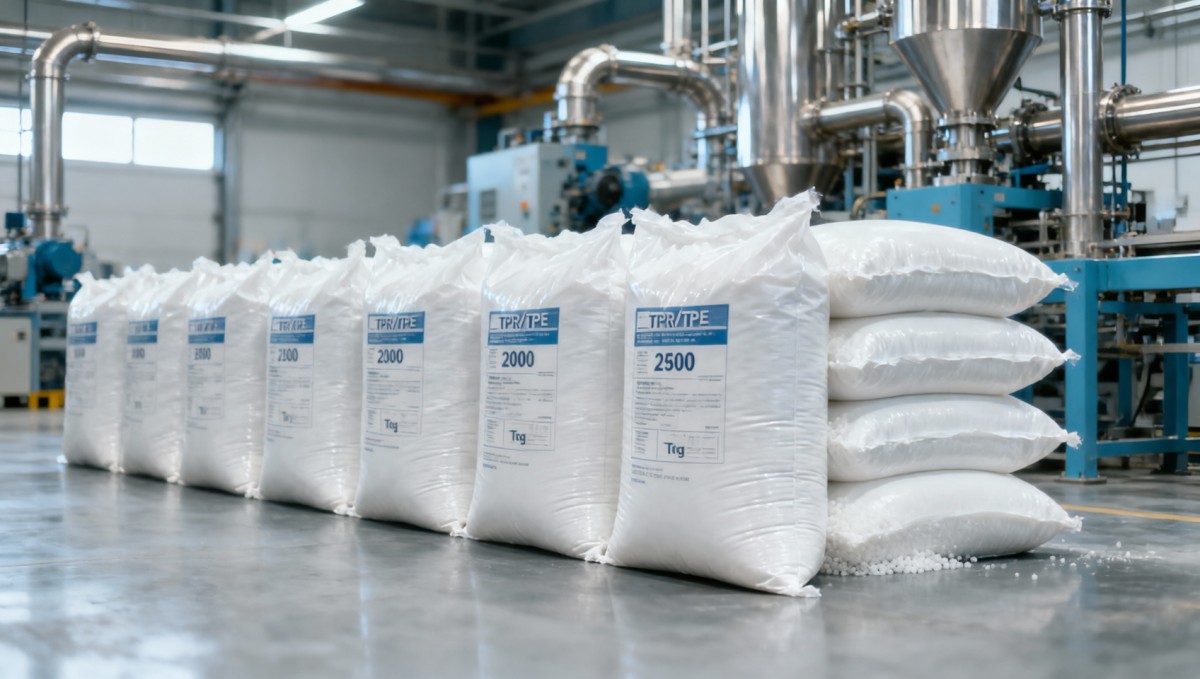
In summary, this price movement signals heightened input cost volatility for TPR/TPE-dependent consumer product categories — particularly those serving pet care and outdoor recreation end markets. It does not indicate a broad-based polymer shortage, nor does it mandate immediate technology overhauls. Instead, it underscores the need for tighter cross-functional coordination between procurement, engineering, and supply chain teams when managing elastomer-sourced components. A measured, SKU-level response — prioritizing inventory security, technical evaluation, and contract review — aligns more closely with current conditions than wholesale material switching or speculative stockpiling.
Source: China Synthetic Rubber Industry Association (data released 2026-04-10); market pricing data cited reflects publicly reported TPR/TPE granule quotations as of early April 2026. Ongoing monitoring is advised for butadiene price trends and further association updates — no additional official statements have been issued beyond the April 10 release.
Related Intelligence
 Pet Grooming & TravelApr 16, 2026China Synthetic Rubber Price Surge Impacts TPR Footwear CostsChina synthetic rubber price surge hits TPR footwear costs—18% granule hike impacts pet travel gear & camping suppliers. Act now to secure Q2 inventory and assess TPU alternatives.
 Beauty DevicesApr 16, 2026Intel Launches World’s Thinnest GaN Chip for Beauty & Fitness DevicesIntel's world’s thinnest GaN chip—19μm, 78V, 300GHz—revolutionizes power efficiency for beauty & fitness devices. Boost EU ErP Lot 12 compliance, cut power use by 35–40%, and accelerate next-gen product launches.
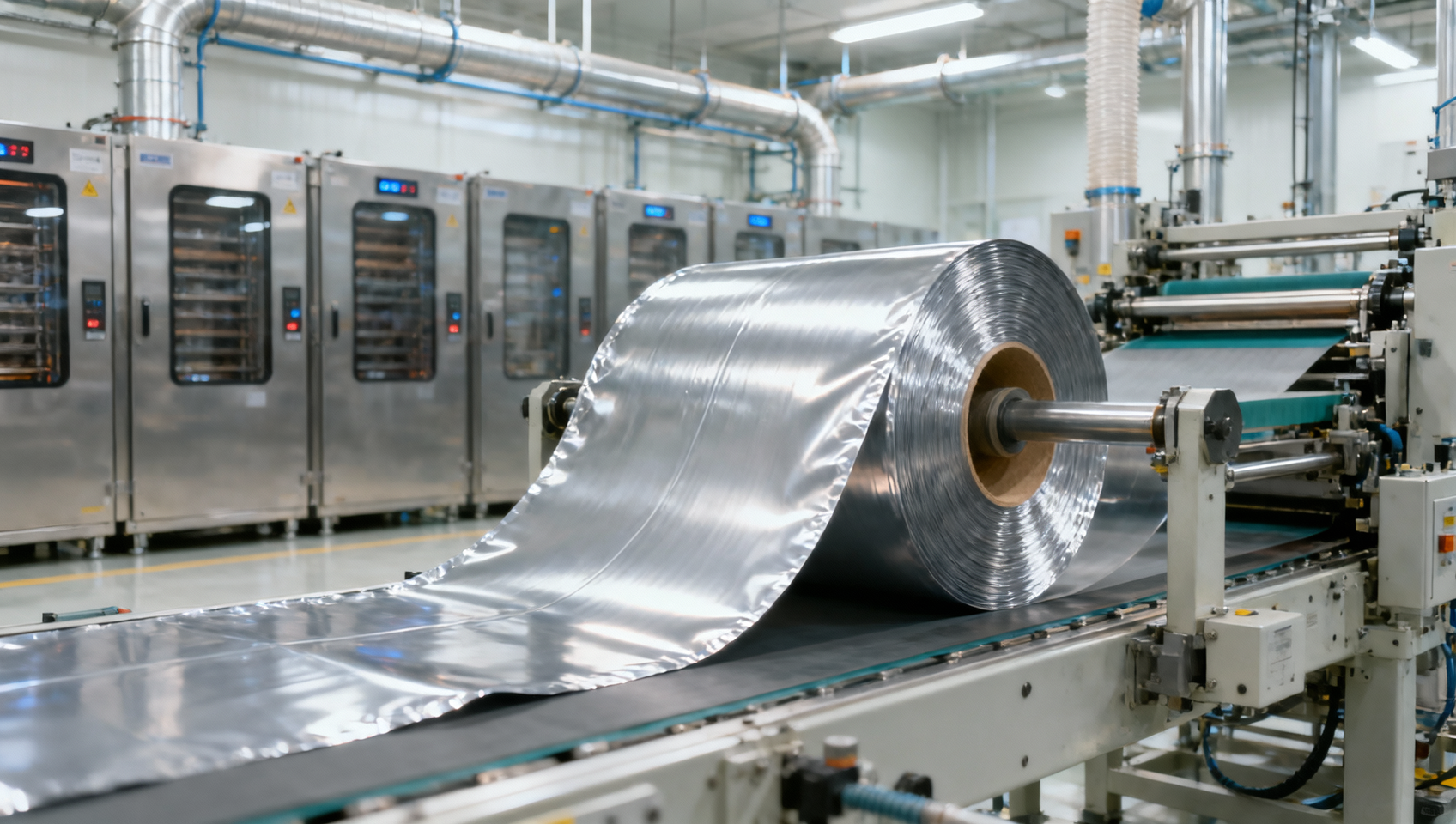
 Infant Feeding & CareApr 16, 20262026 CHINASHOP Reveals Clean Label Push Driving Infant Nutrition Packaging ExportsClean label push at 2026 CHINASHOP drives infant nutrition packaging exports—FDA-compliant, BPA-free aluminum-plastic films in high demand for EU/US markets.
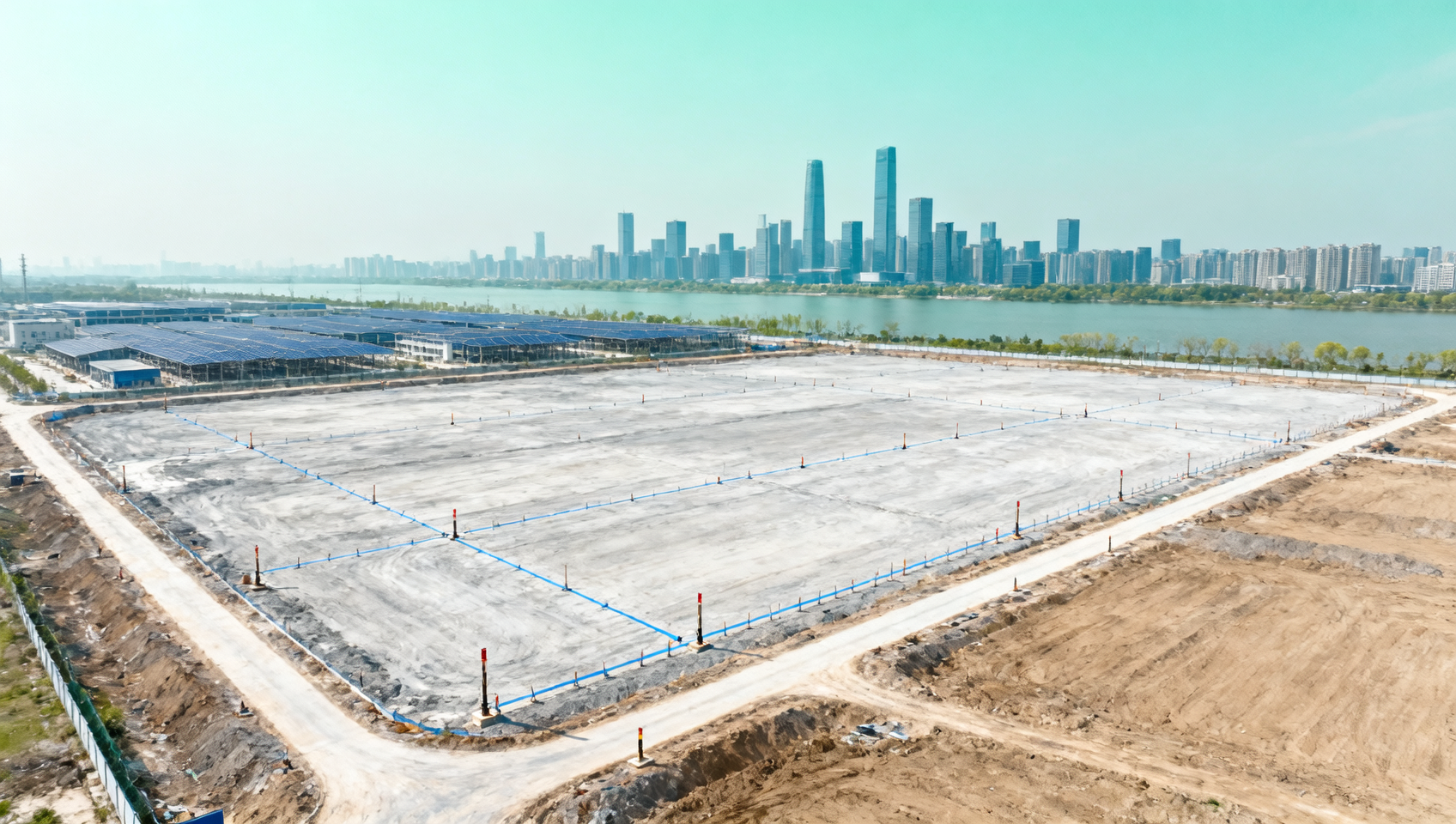
 Beauty DevicesApr 16, 2026Zanglong Island Semiconductor Park Land Acquisition BeginsZanglong Island Semiconductor Park land acquisition begins—key step toward domestic MCU & PMIC supply for beauty devices, smart pet tech, and IoT OEMs. Track 2027 production readiness.
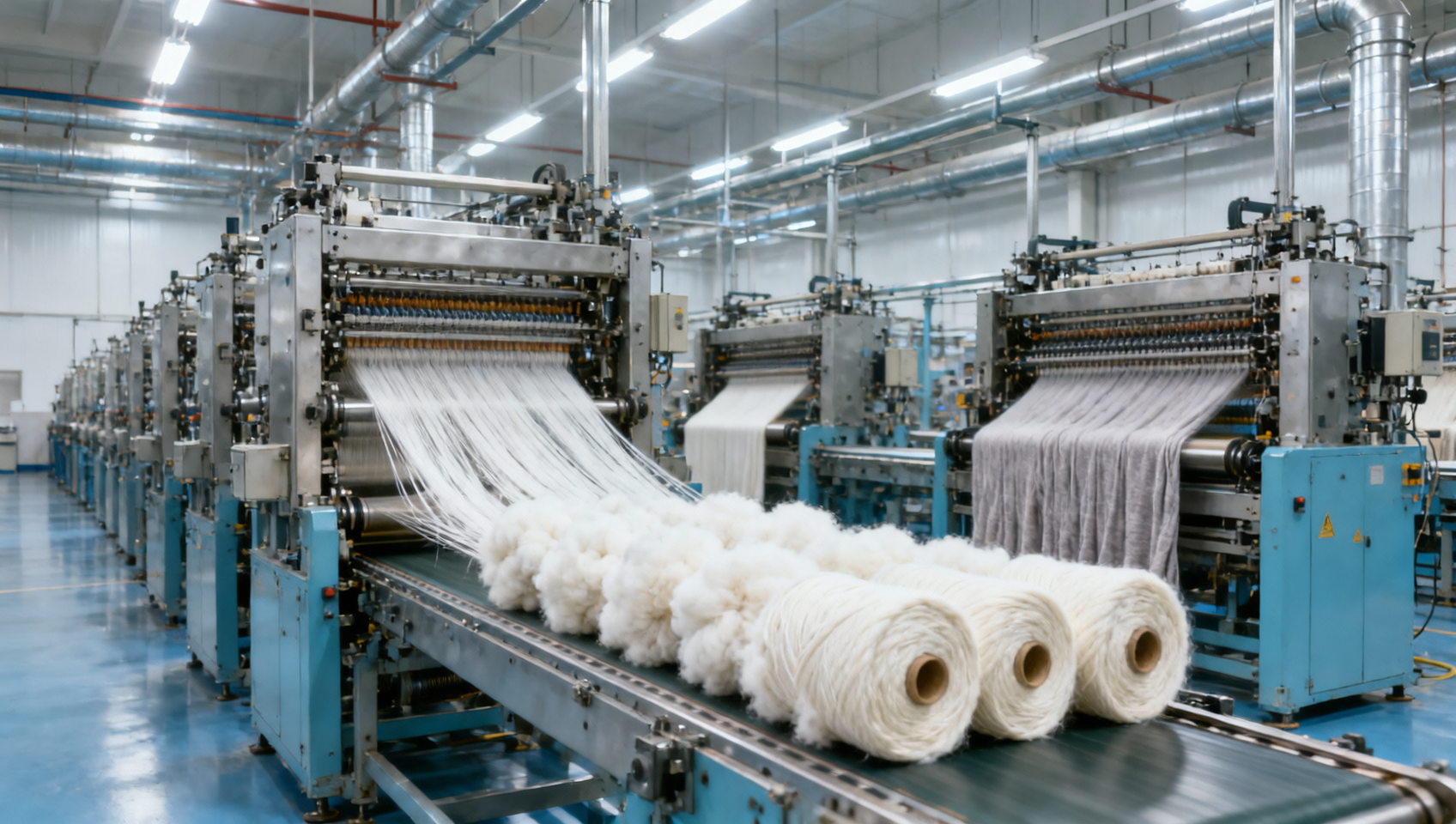
 Activewear OEMApr 16, 2026Aksu Textile Capacity Ramps Up: 25-Day OEM Delivery for Cotton Babywear & ActivewearAksu textile capacity surge cuts OEM delivery to 25 days for cotton babywear & activewear—faster lead times, lower carbon shipping, ideal for NA/EU Q3 demand.
 Skincare OEMApr 16, 2026Yangsen Pharma’s Sensitive-Skin ODM Patent Approved in GuangzhouYangsen Pharma’s Sensitive-Skin ODM patent approved in Guangzhou—micro-liposomal barrier repair tech, alcohol-free & ECOCERT-compatible for EU organic skincare brands.
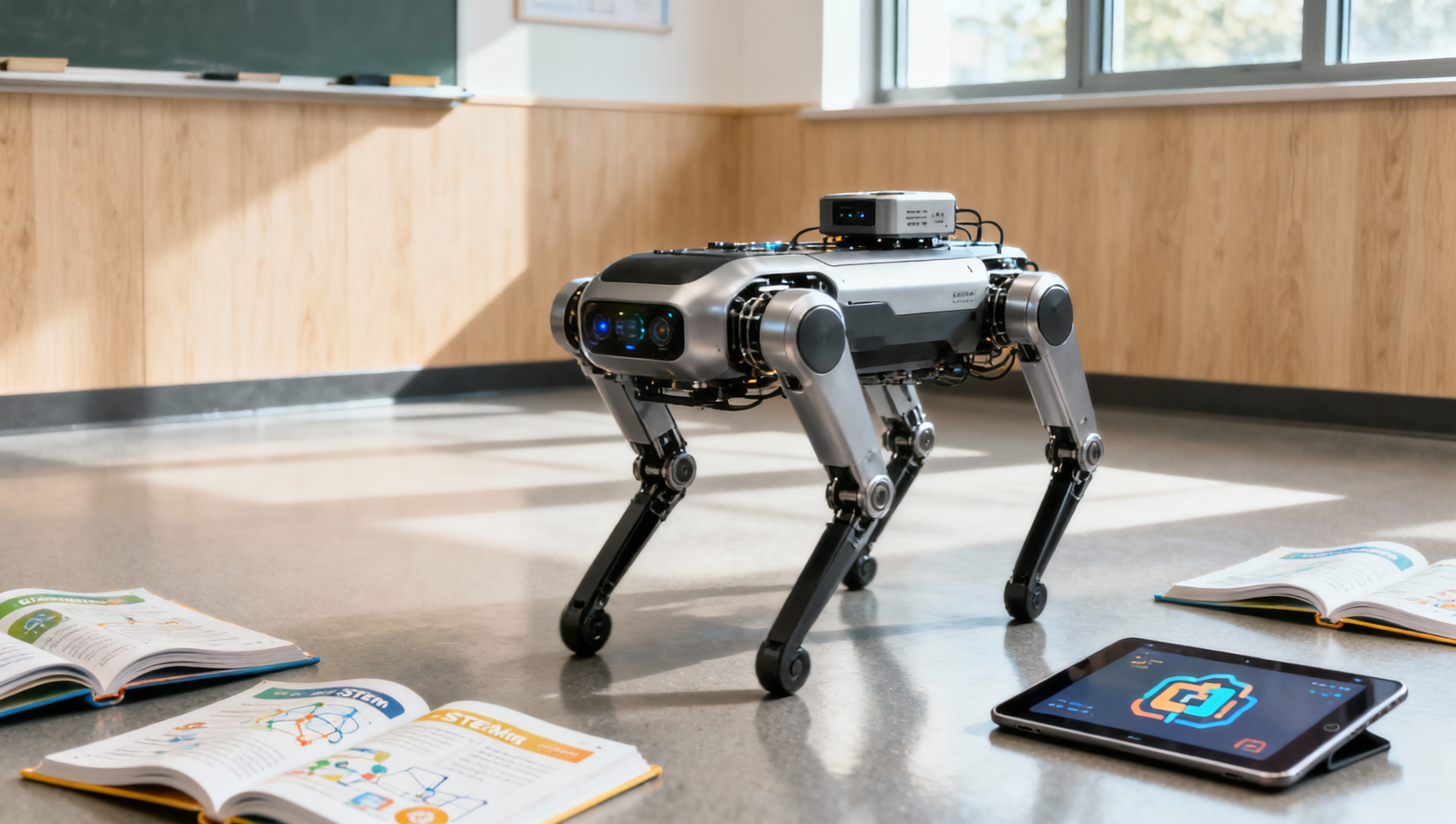
 STEM & Educational ToysApr 16, 2026Gaode Unveils First Quadruped Robot, Accelerating China's Embodied AI Hardware ExportGaode's first quadruped robot—powered by ABot-M0, the world’s first unified-architecture embodied AI base—accelerates China's AI hardware export to global STEM education markets.
 Beauty DevicesApr 16, 2026Lithium Carbonate Price Surge Impacts Beauty & Fitness Device BOMLithium carbonate price surge hits beauty & fitness device BOMs—12% cost rise, 14–18 week lead times. Act now to secure Q3 production capacity.
 Effective July 2026") Nursery Furniture & MonitorsApr 16, 2026CPSC Revises Infant Bed Rail Standard (16 CFR 1220) Effective July 2026CPSC revises Infant Bed Rail Standard (16 CFR 1220) effective July 2026—new dynamic testing, 5mm finger-trap limits & 120N detachment force. Act now to avoid port detention or recall.
Nursery Furniture & MonitorsApr 16, 2026CPSC Revises Infant Bed Rail Standard (16 CFR 1220) Effective July 2026CPSC revises Infant Bed Rail Standard (16 CFR 1220) effective July 2026—new dynamic testing, 5mm finger-trap limits & 120N detachment force. Act now to avoid port detention or recall. Cosmetics & PkgApr 16, 2026EU CBAM Carbon Tariff Takes Effect April 1, 2026EU CBAM carbon tariff takes effect April 1, 2026 — what it means for cosmetics packaging, baby gear & electronic toy exporters. Act now to avoid delays.
 Beauty DevicesApr 15, 2026Commercial microdermabrasion machine: what affects treatment consistency?Microdermabrasion machine commercial buying guide for tourism spas: learn what affects treatment consistency, supplier reliability, maintenance, and rollout value for high-turnover service environments.
 Beauty DevicesApr 15, 2026IPL hair removal device OEM quotes vary so much for one reasonIPL hair removal device OEM quotes vary for one key reason: manufacturing depth. Compare suppliers smarter across microdermabrasion machine commercial and beauty OEM projects.
 Cosmetics & PkgApr 15, 2026False eyelashes vendor selection often fails at sample qualityFalse eyelashes vendor selection often fails at sample quality. Learn how travel retail buyers compare suppliers, packaging, and adjacent sourcing like custom lip gloss vendor, organic face serum OEM, anti aging cream wholesale, IPL hair removal device OEM, and microdermabrasion machine commercial solutions.