Lithium Carbonate Price Surge Impacts Beauty & Fitness Device BOM
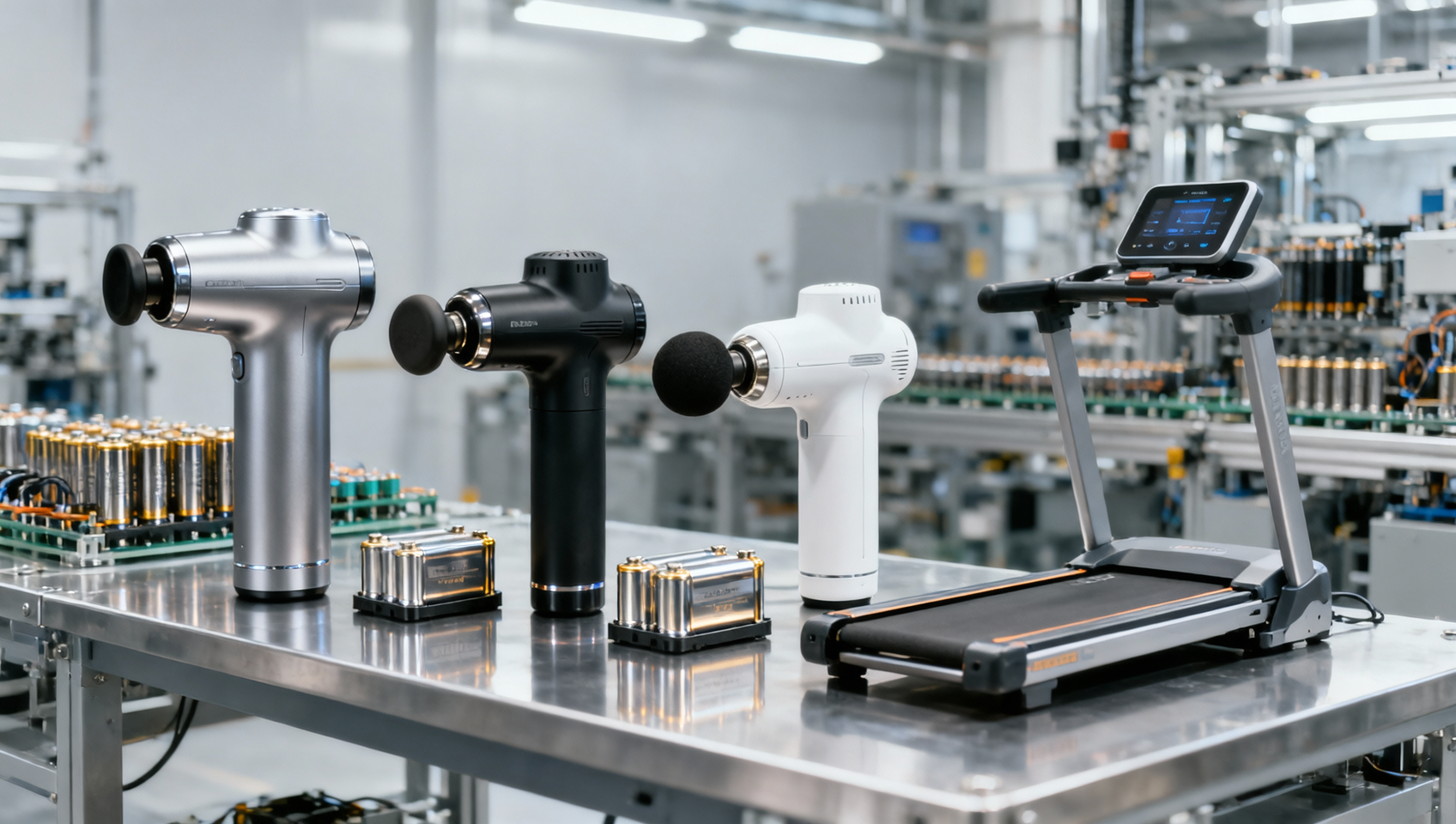
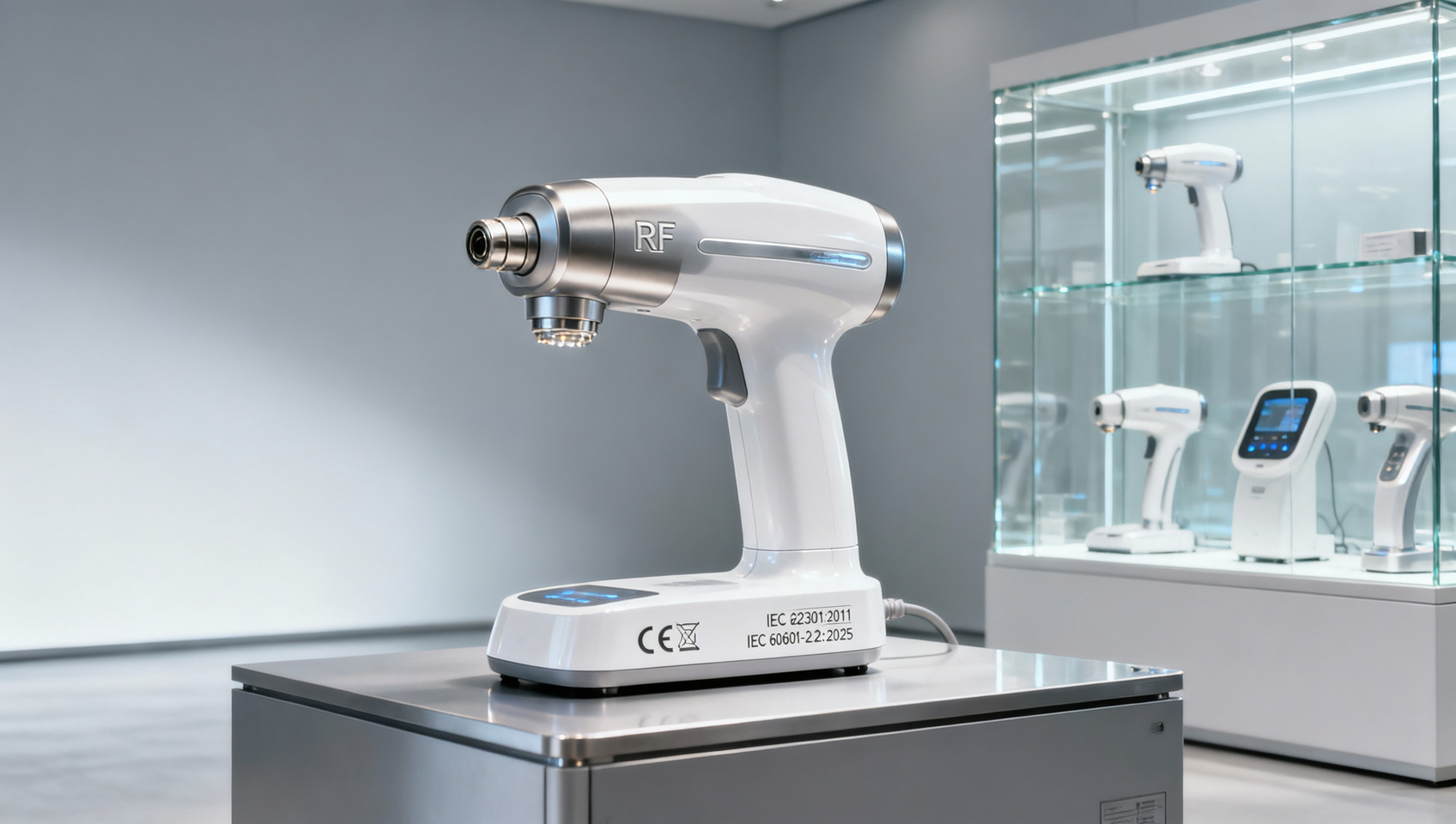
Carbonate lithium prices rebounded sharply in early April 2026, triggering measurable cost and lead-time impacts across lithium-dependent consumer electronics—particularly battery-powered beauty devices (e.g., RF skin devices, IPL hair removal units) and smart fitness equipment (e.g., connected treadmills, percussive therapy guns). This development warrants close attention from procurement, manufacturing, and supply chain stakeholders in these sectors due to its direct effect on bill-of-materials (BOM) cost structure and order fulfillment timelines.
Event Overview
According to Longzhong Information’s report dated April 14, 2026, battery-grade lithium carbonate prices rose 27% month-on-month in early April 2026. The increase was driven by two confirmed factors: slower-than-expected production ramp-up at South American brine operations and a Q2 2026 uptick in new energy vehicle (NEV) output in China. As a result, original design manufacturers (ODMs) supplying lithium-ion battery modules to beauty and fitness device brands reported an average 12% rise in BOM costs for battery-integrated products. Concurrently, cell allocation constraints extended standard order lead times from 8 weeks to 14–18 weeks. Overseas buyers are advised to secure Q3 2026 production capacity in advance.
Industries Affected
Beauty Device OEMs/ODMs
These manufacturers rely on standardized lithium-ion battery packs for portability and performance. Rising carbonate lithium prices directly inflate battery module costs—a key component in RF facial devices and handheld IPL units. Impact manifests as compressed gross margins and delayed shipment schedules, particularly for models launched ahead of key retail windows (e.g., Q3 holiday season).
Fitness Equipment Manufacturers
Smart fitness hardware—including motorized treadmills with onboard battery backups and cordless percussion massagers—increasingly use high-capacity lithium cells. A 12% BOM cost increase affects both mid-tier white-label producers and premium branded lines, especially where battery size and cycle life are differentiating features. Extended lead times risk missing regional launch deadlines or inventory replenishment cycles.
Lithium Battery Module Suppliers
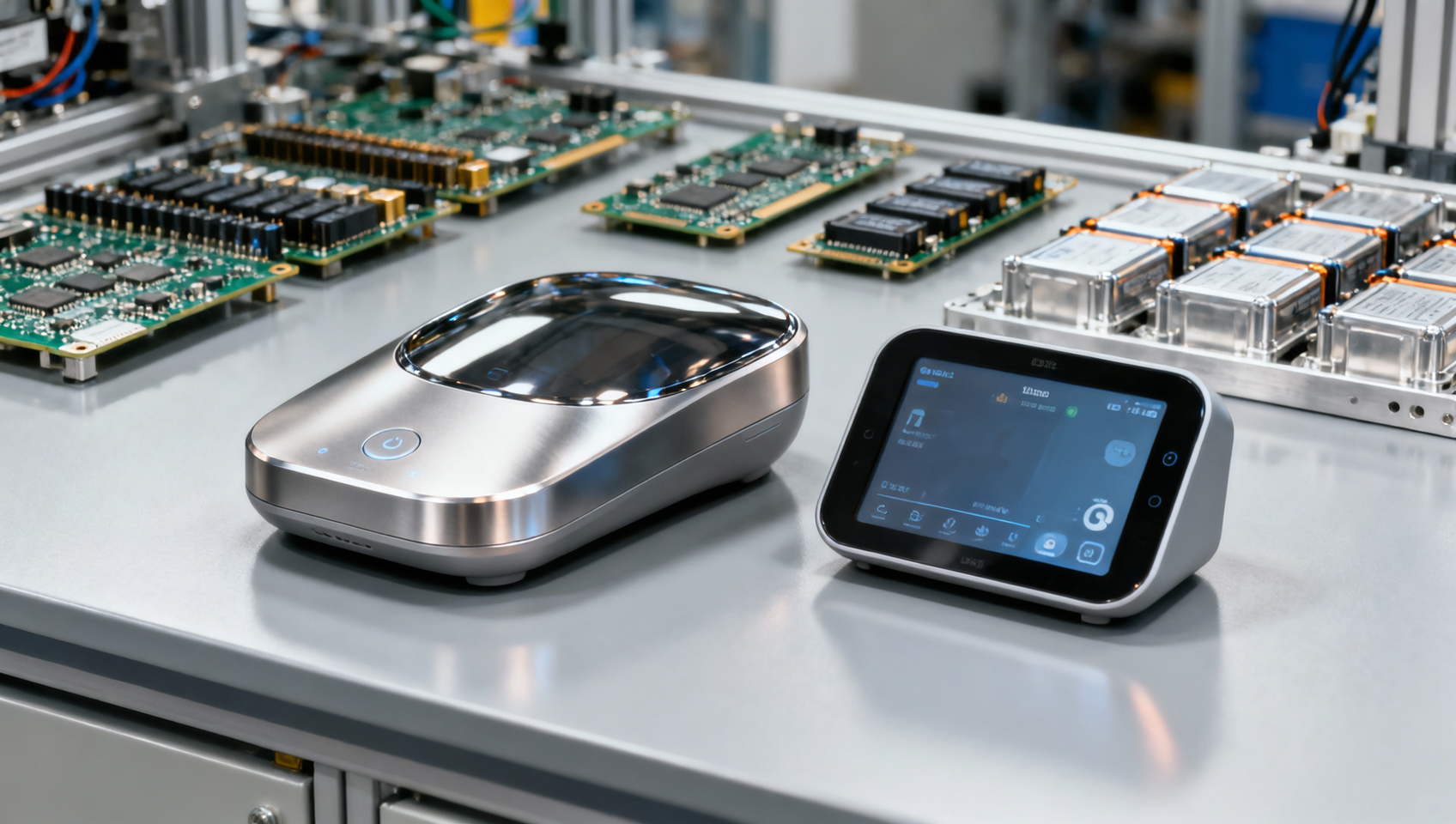
Suppliers integrating cells into certified, safety-compliant modules face dual pressure: higher raw material input costs and tighter cell allocation. Their ability to maintain consistent delivery commitments is now contingent on upstream cell availability—not just internal assembly capacity. Margins on standard modules are under immediate review.
Global Brand Procurement Teams
Brands sourcing finished goods from China-based ODMs must now re-evaluate landed cost assumptions. With lead times stretched beyond 12 weeks, buffer stock planning and forward purchase agreements become operationally necessary—not optional—for Q3 product launches. Currency volatility and tariff considerations compound the impact.
What Stakeholders Should Monitor & Do Now
Track official lithium price indices and quarterly NEV production guidance
Monitor updates from Longzhong Information and China Association of Automobile Manufacturers (CAAM) for Q2–Q3 NEV output revisions. These remain primary demand-side signals influencing carbonate lithium pricing momentum—and thus downstream cost stability.
Prioritize battery-integrated SKUs for Q3 capacity booking
Focus procurement efforts on models using >2,000 mAh lithium cells (e.g., cordless massagers, portable RF devices), as these are most exposed to current cell allocation constraints. Avoid speculative orders; instead, lock in firm volume commitments with clear delivery windows.
Distinguish between price-driven and allocation-driven delays
Not all extended lead times reflect pure cost pass-through. Some ODMs cite cell allocation shortages—not price renegotiation—as the root cause. Verify whether delays stem from scarcity (requiring earlier booking) or margin adjustment (requiring commercial dialogue).
Review alternative cell chemistries and pack configurations
For non-safety-critical applications (e.g., low-power LED-integrated beauty tools), assess feasibility of LFP (lithium iron phosphate) alternatives or reduced-capacity NMC variants. While not drop-in replacements, early technical evaluation may inform Q4 design iterations.
Editorial Perspective / Industry Observation
From an industry perspective, this lithium carbonate rebound is best understood not as an isolated commodity fluctuation—but as a stress test of vertical integration depth in adjacent electronics segments. Beauty and fitness device makers have historically treated battery modules as commoditized subsystems; this episode highlights how tightly their supply chains remain coupled to EV-driven lithium dynamics. Analysis来看, the 12% BOM impact reflects both direct material cost and embedded logistics premiums—not just raw material inflation. Observation来看, the 14–18 week lead time extension suggests systemic allocation tightening, rather than temporary spot-market volatility. Current more relevant interpretation is that this is an early signal of constrained lithium cell availability for non-EV applications—not yet a full-blown shortage, but one requiring proactive mitigation.
This event underscores how rapidly shifts in automotive electrification policy and execution cascade into seemingly unrelated consumer electronics categories. It is less a short-term price blip and more a structural reminder: battery-dependent hardware outside the auto sector now competes for resources within the same upstream supply chain.
Sources
Main source: Longzhong Information (report dated April 14, 2026).
Additional context: Publicly disclosed Q2 2026 NEV production outlooks from major Chinese OEMs (as cited in Longzhong report).
Note: Ongoing monitoring required for South American salt lake output updates and potential policy interventions affecting lithium export quotas or domestic reserve release.
Related Intelligence
 Camping & WaterApr 18, 2026CPSC Launches New TPU Camping Bladder ChecksCPSC launches TPU camping bladder checks: Critical −20°C performance enforcement for exporters, suppliers & OEMs. Act now to avoid U.S. customs delays.
 Beauty DevicesApr 18, 2026Global Li-ion Battery Recycling Rate Hits 62.3%Li-ion battery recycling rate hits 62.3%—cutting BOM costs for beauty & smart pet device batteries. Discover how LFP cathode savings boost margins and compliance readiness.
 Beauty DevicesApr 18, 2026Canton Fair Phase II Preview: Beauty Device Inquiries +41% YoYBeauty device inquiries surge +41% YoY ahead of Canton Fair Phase II — Middle East buyers prioritize RF safety & energy efficiency certification.
 Smart Pet DevicesApr 18, 2026Vietnam Requires ISO 13485 + Vietnamese Manual for Smart Pet CollarsISO 13485 + Vietnamese manual now mandatory for smart pet collars entering Vietnam from May 2026—avoid customs delays & ensure compliance now.
 Infant Feeding & CareApr 18, 2026JETRO 2026 Spring Guide: Antibacterial Silicone & Traceability Now Dual Requirements for Infant Feeding Products in JapanAntibacterial silicone & traceability are now dual must-haves for Japan’s infant feeding products — per JETRO’s 2026 Spring Guide. Act now to secure certified supply and avoid Q2 delays.
 Corporate & Seasonal GiftsApr 18, 2026TÜV Rheinland Launches Green Gift Packaging CertificationGreen Gift Packaging certification by TÜV Rheinland unlocks EU retail access, 18% price premiums & 'Eco-Preferred' labeling — act now to meet mandatory tender requirements.
 STEM & Educational ToysApr 18, 2026SASO Launches Fast-Track for STEM Toy EMC Pre-ScanSASO Launches Fast-Track for STEM Toy EMC Pre-Scan: AI voice modules must complete EMC pre-scan within 48h — slash certification to 5 days. Act now!
 Camping & WaterApr 18, 2026RCEP Cuts Tariffs on China-Made Camping Water Bags for Vietnam/IndonesiaRCEP cuts tariffs on China-made camping water bags for Vietnam/Indonesia—unlock cost savings & navigate new TPU cold-resistance compliance demands now.
 Cosmetics & PkgApr 18, 2026FDA VCRP Rule for Cosmetic Packaging Effective Apr 16, 2026FDA VCRP Rule for Cosmetic Packaging takes effect Apr 16, 2026 — register PET bottles, tubes & pumps separately. Avoid U.S. customs delays!
 Beauty DevicesApr 18, 2026EU CBAM Carbon Tariff Takes Effect Apr 1, 2026: Impacts on Beauty Devices & Smart Nursery MonitorsEU CBAM carbon tariff starts Apr 1, 2026 — impacts beauty devices & smart nursery monitors using aluminum, lithium-ion batteries. Act now to avoid 3.2–5.8% cost hikes.
 Infant Feeding & CareApr 17, 2026Canton Fair Phase II 2026 Focuses on Health ConsumptionCanton Fair Phase II 2026 highlights surging global demand for Health Consumption—Infant Feeding & Care, Beauty Devices, and Camping & Water lead buyer pre-registrations.
 Smart Pet DevicesApr 17, 2026JIS T 0901:2026 Enforces 3m Drop & Salt Spray for Pet Smart CollarsJIS T 0901:2026 mandates 3m drop & salt spray tests for pet smart collars — critical for Japan market access. Learn compliance steps, impact on exporters, and urgent actions.
 Nursery Furniture & MonitorsApr 17, 2026Vietnam Requires ISO 13485 for Imported Used Baby Beds from July 2026ISO 13485 required for imported used baby beds in Vietnam from July 2026 — critical for exporters, OEMs & retailers. Act now to ensure compliance and market access.