Vietnam Requires ISO 13485 + Vietnamese Manual for Smart Pet Collars
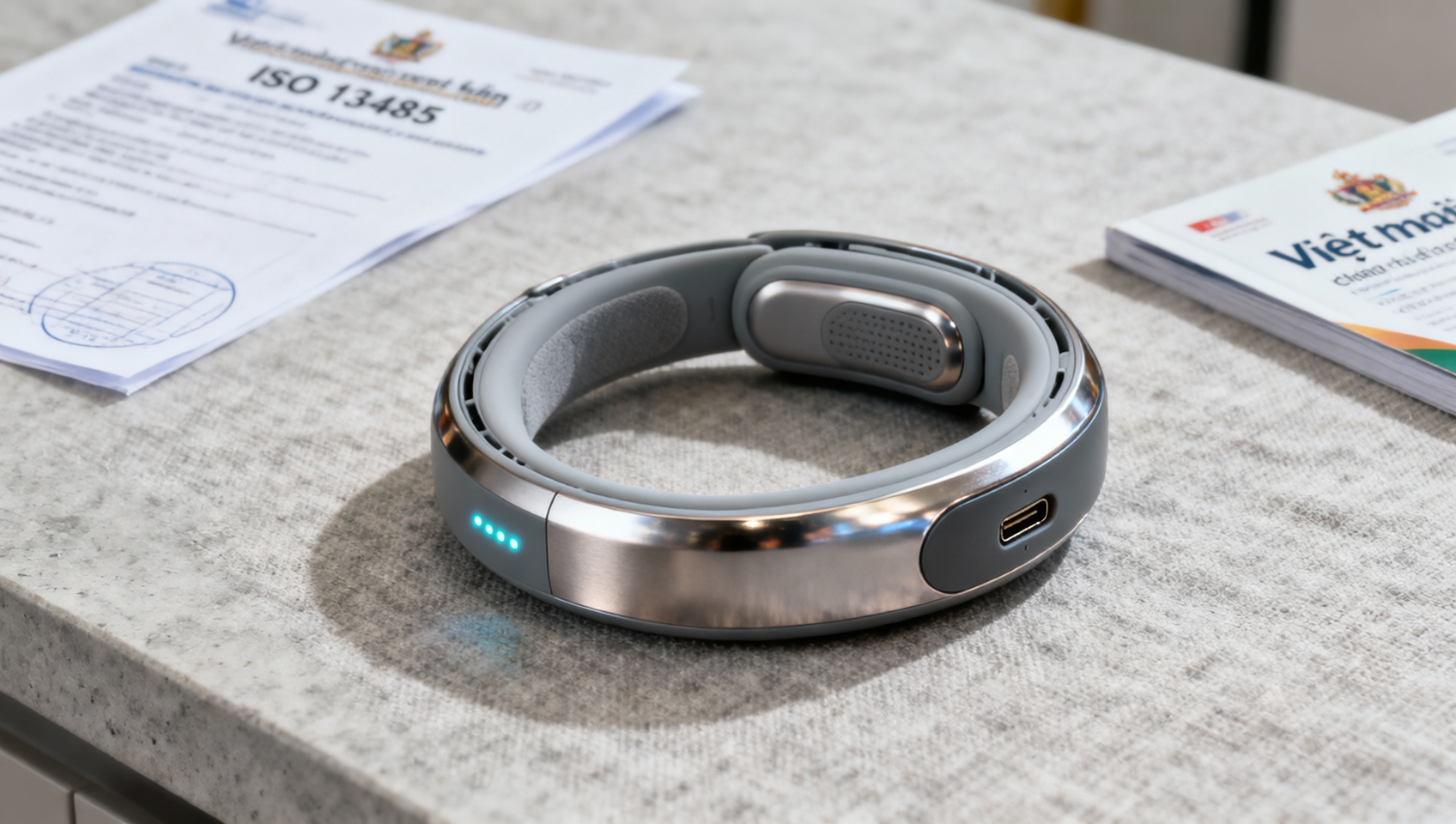
Starting 1 May 2026, Vietnam’s Ministry of Industry and Trade (MOIT) will require all imported smart pet devices—including intelligent pet collars—to be accompanied by two mandatory documents: the Chinese manufacturer’s ISO 13485 certification (original scanned copy) and a Vietnamese-language user manual. This regulatory update directly affects exporters, importers, and supply chain actors involved in smart pet hardware trade between China and Vietnam—and signals tightening conformity expectations for connected animal-welfare products.
Event Overview
On 16 April 2026, MOIT issued Circular No. 22/2026/TT-BCT, effective 1 May 2026. The circular mandates that all imported smart pet devices must include: (1) a scanned original copy of the Chinese manufacturer’s ISO 13485:2016 certificate—certifying compliance with medical device quality management systems; and (2) a Vietnamese-language user manual covering app pairing steps, battery replacement illustrations, and emergency disconnection instructions. The requirement follows multiple reported incidents of false-alarm activation causing pet stress, prompting Ho Chi Minh City and Hanoi customs to raise inspection rates for such products to 100%.
Which Subsectors Are Affected
Direct Exporters & Importers
Exporters based in China shipping smart pet collars to Vietnam must now verify their ISO 13485 certification status before shipment—and ensure it remains valid through the entire import window. Importers in Vietnam bear responsibility for document verification at customs clearance; failure to present either document triggers automatic detention or rejection. This adds administrative lead time and increases pre-shipment coordination overhead.
Contract Manufacturers & OEMs
Chinese contract manufacturers producing smart pet collars for international brands are now subject to direct documentation accountability. Even if the brand holder is non-Chinese, MOIT’s requirement targets the *manufacturer* named on the ISO 13485 certificate—making OEMs liable for maintaining, updating, and supplying certified documentation upon request.
Distribution & E-commerce Platforms
Vietnamese distributors and cross-border e-commerce sellers listing smart pet collars must confirm upstream compliance before listing or fulfilling orders. Platforms may face increased scrutiny during marketplace audits, especially where product pages lack visible evidence of Vietnamese-language support materials or traceable ISO 13485 references.
Regulatory & Logistics Service Providers
Third-party compliance consultants and freight forwarders handling Vietnam-bound smart pet shipments must now incorporate ISO 13485 validation and Vietnamese manual review into standard pre-clearance checks. This expands scope beyond traditional labeling or electrical safety assessments.
What Enterprises Should Monitor & Do Now
Track official MOIT guidance on certificate validity and translation standards
MOIT has not yet published technical specifications for acceptable ISO 13485 certificate formats (e.g., whether accredited body recognition is required) or minimum Vietnamese manual content depth. Companies should monitor MOIT’s official portal and Vietnam Customs’ circulars for clarifications expected before 1 May 2026.
Verify current ISO 13485 scope coverage for smart pet devices
Analysis来看, many Chinese manufacturers hold ISO 13485 certificates issued for broader “electronic health monitoring equipment” categories—but may not explicitly list “smart pet collars” or “non-human wearable telemetry devices” in their certified scope. Firms should audit their existing certificate wording and, if needed, initiate scope extension procedures with their certification body well ahead of May 2026.
Prepare bilingual documentation workflows—not just translations
From industry perspective, simply translating English manuals into Vietnamese is insufficient. MOIT requires functional accuracy: step-by-step diagrams for battery replacement, annotated screenshots for app pairing, and clearly defined emergency disconnect protocols. Companies should treat the Vietnamese manual as a regulated technical document—not marketing collateral—and align its development with internal QA and regulatory teams.
Map inventory and shipment timelines against the 1 May 2026 deadline
Current more practical than theoretical: shipments departing China after 15 April 2026 should assume full compliance is required upon Vietnam arrival—even if physical entry occurs after 1 May. Producers and logistics partners should adjust cut-off dates for documentation submission to avoid port delays.
Editorial Observation / Industry Perspective
This requirement is better understood as an early-stage regulatory signal—not yet a fully matured framework. Observation来看, MOIT is applying medical-device-grade quality governance to a consumer-facing pet-tech category, likely due to incident-driven risk perception rather than formal classification. From industry angle, this reflects Vietnam’s broader trend of aligning selective high-interaction electronics with healthcare-aligned standards, even without formal medical device designation. It also highlights how localized safety concerns can rapidly trigger cross-border documentation cascades—especially where supply chains concentrate in one manufacturing origin (here, China). Continued monitoring is warranted, particularly for potential expansion to other smart pet devices (e.g., feeders, GPS trackers) or alignment with ASEAN harmonization efforts.
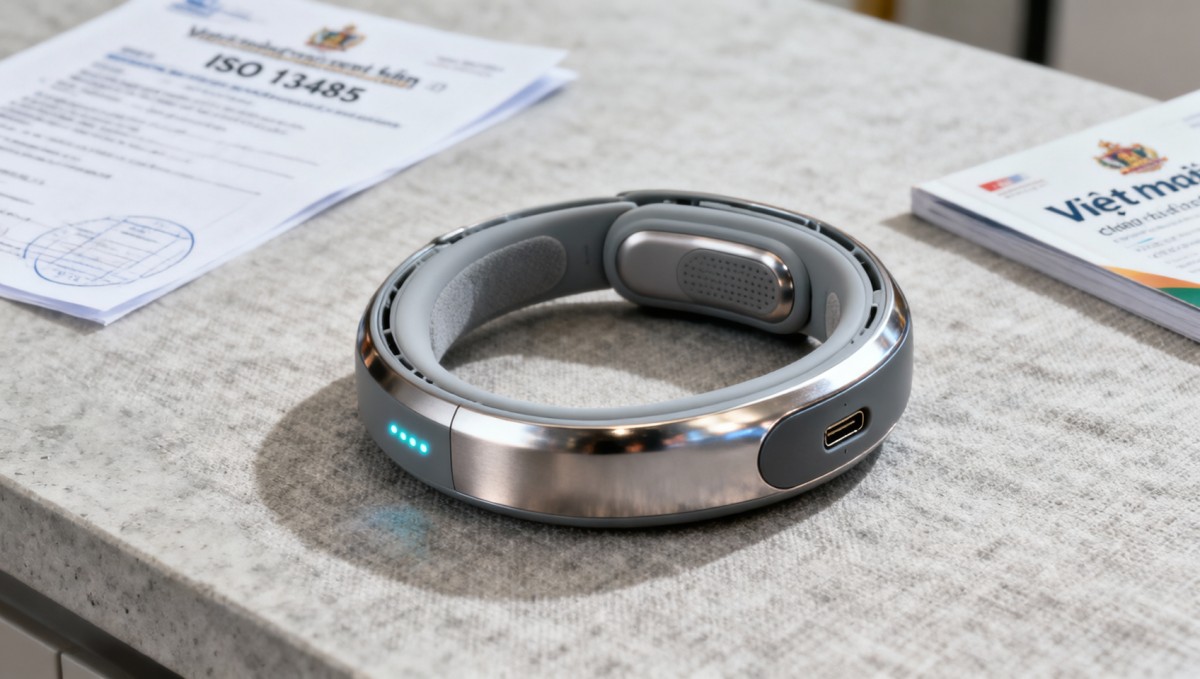
In summary, this regulation marks a procedural inflection point—not a market barrier—for China-Vietnam smart pet trade. Its immediate significance lies in operational readiness: verifying certification scope, localizing technical documentation, and synchronizing logistics with new documentary checkpoints. It does not imply reclassification of products as medical devices, nor does it ban non-compliant items outright—but it does raise the bar for documentation diligence across the export chain.
Source: Vietnam Ministry of Industry and Trade (MOIT), Circular No. 22/2026/TT-BCT, issued 16 April 2026.
Note: MOIT’s implementation guidelines—including acceptance criteria for ISO 13485 scope wording and Vietnamese manual formatting—are pending publication and remain under observation.
Related Intelligence
 Camping & WaterApr 18, 2026CPSC Launches New TPU Camping Bladder ChecksCPSC launches TPU camping bladder checks: Critical −20°C performance enforcement for exporters, suppliers & OEMs. Act now to avoid U.S. customs delays.
 Beauty DevicesApr 18, 2026Global Li-ion Battery Recycling Rate Hits 62.3%Li-ion battery recycling rate hits 62.3%—cutting BOM costs for beauty & smart pet device batteries. Discover how LFP cathode savings boost margins and compliance readiness.
 Beauty DevicesApr 18, 2026Canton Fair Phase II Preview: Beauty Device Inquiries +41% YoYBeauty device inquiries surge +41% YoY ahead of Canton Fair Phase II — Middle East buyers prioritize RF safety & energy efficiency certification.
 Smart Pet DevicesApr 18, 2026Vietnam Requires ISO 13485 + Vietnamese Manual for Smart Pet CollarsISO 13485 + Vietnamese manual now mandatory for smart pet collars entering Vietnam from May 2026—avoid customs delays & ensure compliance now.
 Infant Feeding & CareApr 18, 2026JETRO 2026 Spring Guide: Antibacterial Silicone & Traceability Now Dual Requirements for Infant Feeding Products in JapanAntibacterial silicone & traceability are now dual must-haves for Japan’s infant feeding products — per JETRO’s 2026 Spring Guide. Act now to secure certified supply and avoid Q2 delays.
 Corporate & Seasonal GiftsApr 18, 2026TÜV Rheinland Launches Green Gift Packaging CertificationGreen Gift Packaging certification by TÜV Rheinland unlocks EU retail access, 18% price premiums & 'Eco-Preferred' labeling — act now to meet mandatory tender requirements.
 STEM & Educational ToysApr 18, 2026SASO Launches Fast-Track for STEM Toy EMC Pre-ScanSASO Launches Fast-Track for STEM Toy EMC Pre-Scan: AI voice modules must complete EMC pre-scan within 48h — slash certification to 5 days. Act now!
 Camping & WaterApr 18, 2026RCEP Cuts Tariffs on China-Made Camping Water Bags for Vietnam/IndonesiaRCEP cuts tariffs on China-made camping water bags for Vietnam/Indonesia—unlock cost savings & navigate new TPU cold-resistance compliance demands now.
 Cosmetics & PkgApr 18, 2026FDA VCRP Rule for Cosmetic Packaging Effective Apr 16, 2026FDA VCRP Rule for Cosmetic Packaging takes effect Apr 16, 2026 — register PET bottles, tubes & pumps separately. Avoid U.S. customs delays!
 Beauty DevicesApr 18, 2026EU CBAM Carbon Tariff Takes Effect Apr 1, 2026: Impacts on Beauty Devices & Smart Nursery MonitorsEU CBAM carbon tariff starts Apr 1, 2026 — impacts beauty devices & smart nursery monitors using aluminum, lithium-ion batteries. Act now to avoid 3.2–5.8% cost hikes.
 Infant Feeding & CareApr 17, 2026Canton Fair Phase II 2026 Focuses on Health ConsumptionCanton Fair Phase II 2026 highlights surging global demand for Health Consumption—Infant Feeding & Care, Beauty Devices, and Camping & Water lead buyer pre-registrations.
 Smart Pet DevicesApr 17, 2026JIS T 0901:2026 Enforces 3m Drop & Salt Spray for Pet Smart CollarsJIS T 0901:2026 mandates 3m drop & salt spray tests for pet smart collars — critical for Japan market access. Learn compliance steps, impact on exporters, and urgent actions.
 Nursery Furniture & MonitorsApr 17, 2026Vietnam Requires ISO 13485 for Imported Used Baby Beds from July 2026ISO 13485 required for imported used baby beds in Vietnam from July 2026 — critical for exporters, OEMs & retailers. Act now to ensure compliance and market access.