CPSC Launches New TPU Camping Bladder Checks
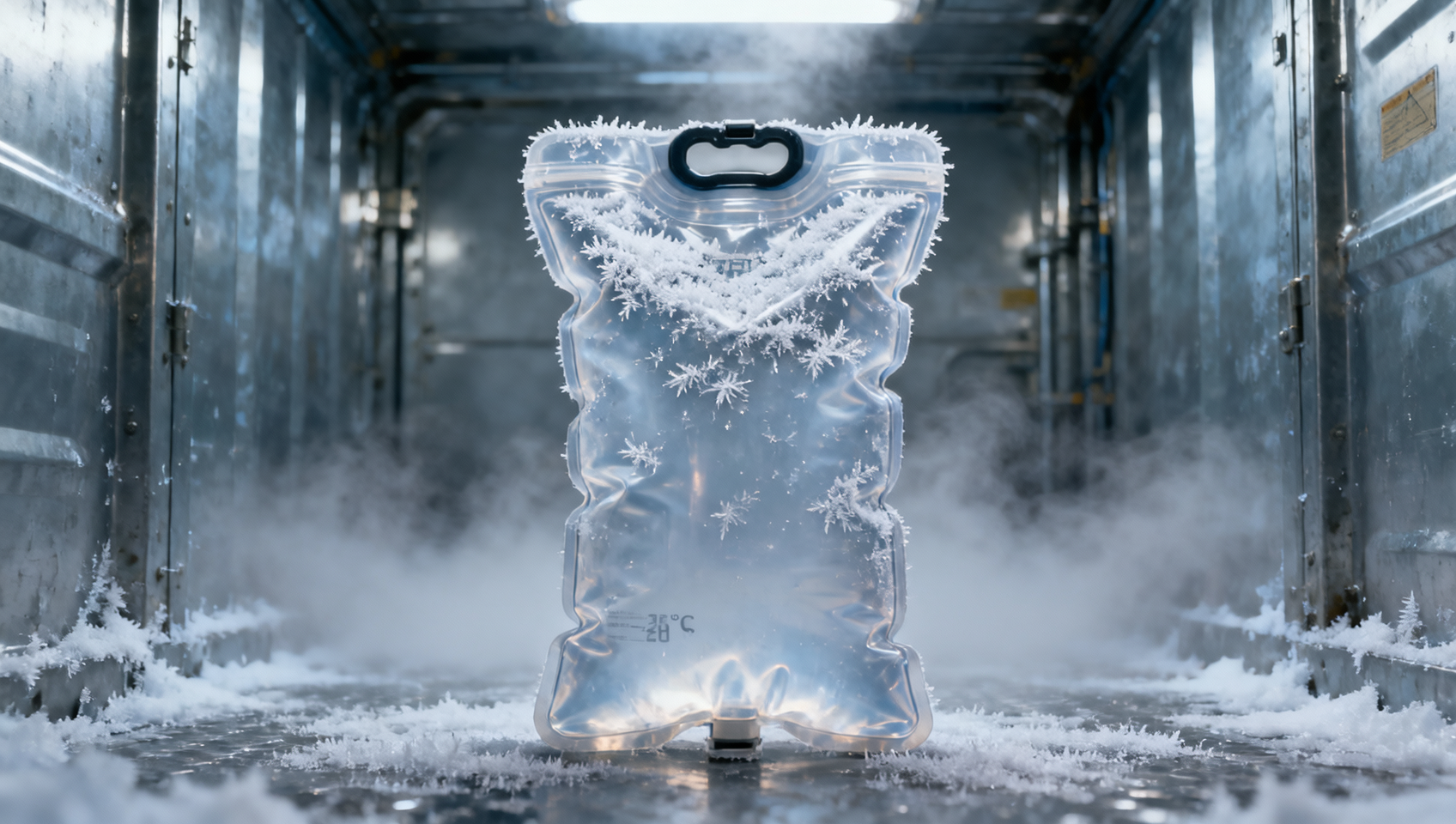
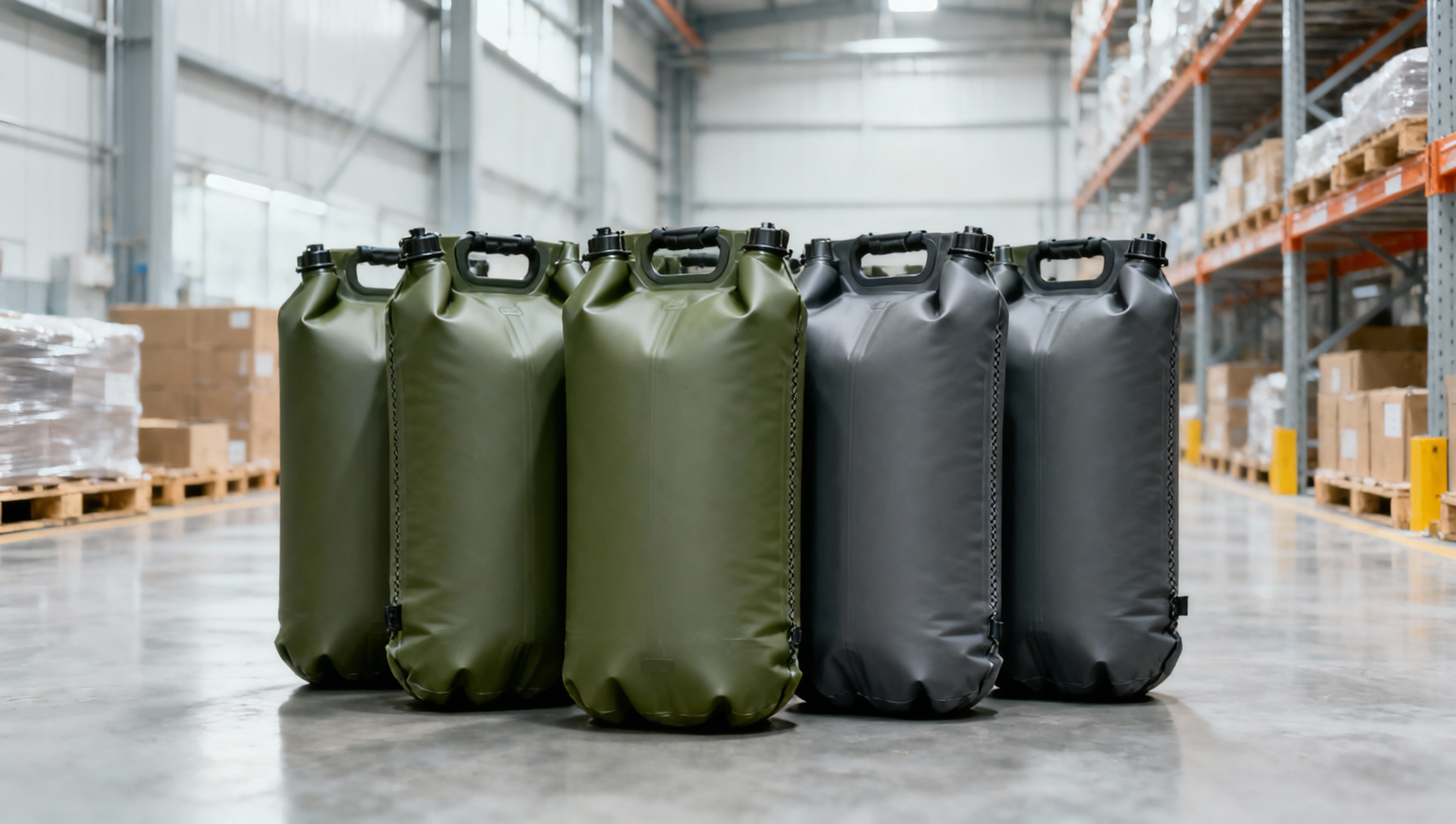
On April 15, 2026, the U.S. Consumer Product Safety Commission (CPSC) initiated a three-month targeted enforcement action on imported camping water bladders, with special focus on low-temperature performance of TPU materials. This development is highly relevant to exporters, material suppliers, contract manufacturers, and logistics providers serving the North American outdoor gear market — particularly those engaged in cross-border trade of flexible hydration products.
Event Overview
On April 15, 2026, the CPSC issued an enforcement notice announcing a three-month抽查 (spot inspection) campaign targeting imported camping water bladders (classified under 'Camping & Water' products). The primary test criterion is the impact resistance and seal durability of TPU-based bladders at −20°C, per ASTM D5748-22. Multiple shipments from Shenzhen and Yiwu have already been detained by U.S. Customs due to rupture during drop tests at that temperature. The action responds directly to a reported rise in winter camping incidents across North America in 2025.
Industries Affected
Direct Exporters & Trading Companies
Exporters handling finished camping bladders face heightened customs delays and increased risk of detention or rejection. Impact manifests as longer clearance cycles, higher inspection frequency, and potential insurance premium adjustments for Q2 2026 shipments.
Raw Material Suppliers (TPU Film/Sheet Providers)
Suppliers of TPU substrates used in bladder manufacturing are indirectly affected: demand may shift toward certified low-temp grades, and downstream buyers may require updated material compliance documentation (e.g., ASTM D5748-22 test reports).
OEM/ODM Manufacturers (Especially in Shenzhen & Yiwu)
Contract manufacturers producing bladders for international brands are exposed to stricter pre-shipment validation requirements. Past detentions indicate non-compliant batches originated in these hubs — raising scrutiny on production line controls and cold-conditioning verification protocols.
Distribution & Fulfillment Partners
Third-party logistics (3PL) providers and fulfillment centers handling U.S.-bound inventory may experience extended dwell times at ports or bonded warehouses pending CPSC lab verification, affecting inventory turnover and cost allocation.
Key Focus Areas & Recommended Actions
Monitor official CPSC updates and related CBP guidance
The current notice is an enforcement action, not a formal rulemaking. Companies should track whether CPSC publishes follow-up bulletins, test method clarifications, or expanded product scope notices before June 2026.
Prioritize verification for −20°C performance in active SKUs
Brands and exporters shipping TPU bladders to the U.S. should confirm whether existing stock or near-term production has undergone ASTM D5748-22 testing at −20°C — especially units designed for cold-weather use or marketed for winter camping.
Distinguish between policy signal and operational impact
This is a targeted enforcement, not a blanket ban. Detentions so far involve specific failed batches; no recall or import alert has been issued. Companies should avoid overgeneralizing but treat each shipment as subject to cold-performance verification.
Review and document cold-conditioning protocols ahead of shipment
Manufacturers and exporters should verify whether their quality control includes pre-shipment conditioning (e.g., 24-hour stabilization at −20°C) and impact testing under that condition — and ensure such steps are reflected in factory test records shared with U.S. importers.
Editorial Perspective / Industry Observation
From an industry perspective, this CPSC action is best understood as a regulatory signal — not yet a structural shift — reflecting growing attention to functional safety in seasonal outdoor gear. Analysis来看, it highlights how post-incident enforcement can rapidly elevate technical specifications (e.g., low-temp durability) from marketing claims to compliance prerequisites. Observation来看, the focus on TPU — rather than broader material categories — suggests CPSC’s review was informed by incident data pointing to polymer-specific failure modes. Current more appropriate interpretation is that this represents a near-term compliance checkpoint tied to documented field failures, rather than the start of a new standardization cycle.
In summary, the CPSC’s April 2026 enforcement action signals tightening scrutiny on functional performance of imported camping hydration products under real-world cold conditions. It does not introduce new regulations, but reinforces the enforceability of existing standards in high-risk usage scenarios. For stakeholders, this is less a disruption than a calibration point — indicating where technical diligence must now align with regulatory expectations for North American market access.
Source: U.S. Consumer Product Safety Commission (CPSC) Enforcement Notice, issued April 15, 2026. Ongoing developments — including possible expansion beyond TPU bladders or extension beyond the initial three-month window — remain subject to observation.
Related Intelligence
 Camping & WaterApr 18, 2026CPSC Launches New TPU Camping Bladder ChecksCPSC launches TPU camping bladder checks: Critical −20°C performance enforcement for exporters, suppliers & OEMs. Act now to avoid U.S. customs delays.
 Beauty DevicesApr 18, 2026Global Li-ion Battery Recycling Rate Hits 62.3%Li-ion battery recycling rate hits 62.3%—cutting BOM costs for beauty & smart pet device batteries. Discover how LFP cathode savings boost margins and compliance readiness.
 Beauty DevicesApr 18, 2026Canton Fair Phase II Preview: Beauty Device Inquiries +41% YoYBeauty device inquiries surge +41% YoY ahead of Canton Fair Phase II — Middle East buyers prioritize RF safety & energy efficiency certification.
 Smart Pet DevicesApr 18, 2026Vietnam Requires ISO 13485 + Vietnamese Manual for Smart Pet CollarsISO 13485 + Vietnamese manual now mandatory for smart pet collars entering Vietnam from May 2026—avoid customs delays & ensure compliance now.
 Infant Feeding & CareApr 18, 2026JETRO 2026 Spring Guide: Antibacterial Silicone & Traceability Now Dual Requirements for Infant Feeding Products in JapanAntibacterial silicone & traceability are now dual must-haves for Japan’s infant feeding products — per JETRO’s 2026 Spring Guide. Act now to secure certified supply and avoid Q2 delays.
 Corporate & Seasonal GiftsApr 18, 2026TÜV Rheinland Launches Green Gift Packaging CertificationGreen Gift Packaging certification by TÜV Rheinland unlocks EU retail access, 18% price premiums & 'Eco-Preferred' labeling — act now to meet mandatory tender requirements.
 STEM & Educational ToysApr 18, 2026SASO Launches Fast-Track for STEM Toy EMC Pre-ScanSASO Launches Fast-Track for STEM Toy EMC Pre-Scan: AI voice modules must complete EMC pre-scan within 48h — slash certification to 5 days. Act now!
 Camping & WaterApr 18, 2026RCEP Cuts Tariffs on China-Made Camping Water Bags for Vietnam/IndonesiaRCEP cuts tariffs on China-made camping water bags for Vietnam/Indonesia—unlock cost savings & navigate new TPU cold-resistance compliance demands now.
 Cosmetics & PkgApr 18, 2026FDA VCRP Rule for Cosmetic Packaging Effective Apr 16, 2026FDA VCRP Rule for Cosmetic Packaging takes effect Apr 16, 2026 — register PET bottles, tubes & pumps separately. Avoid U.S. customs delays!
 Beauty DevicesApr 18, 2026EU CBAM Carbon Tariff Takes Effect Apr 1, 2026: Impacts on Beauty Devices & Smart Nursery MonitorsEU CBAM carbon tariff starts Apr 1, 2026 — impacts beauty devices & smart nursery monitors using aluminum, lithium-ion batteries. Act now to avoid 3.2–5.8% cost hikes.
 Infant Feeding & CareApr 17, 2026Canton Fair Phase II 2026 Focuses on Health ConsumptionCanton Fair Phase II 2026 highlights surging global demand for Health Consumption—Infant Feeding & Care, Beauty Devices, and Camping & Water lead buyer pre-registrations.
 Smart Pet DevicesApr 17, 2026JIS T 0901:2026 Enforces 3m Drop & Salt Spray for Pet Smart CollarsJIS T 0901:2026 mandates 3m drop & salt spray tests for pet smart collars — critical for Japan market access. Learn compliance steps, impact on exporters, and urgent actions.
 Nursery Furniture & MonitorsApr 17, 2026Vietnam Requires ISO 13485 for Imported Used Baby Beds from July 2026ISO 13485 required for imported used baby beds in Vietnam from July 2026 — critical for exporters, OEMs & retailers. Act now to ensure compliance and market access.