Wholesale Life Jackets: Which Safety Details Get Missed Most?
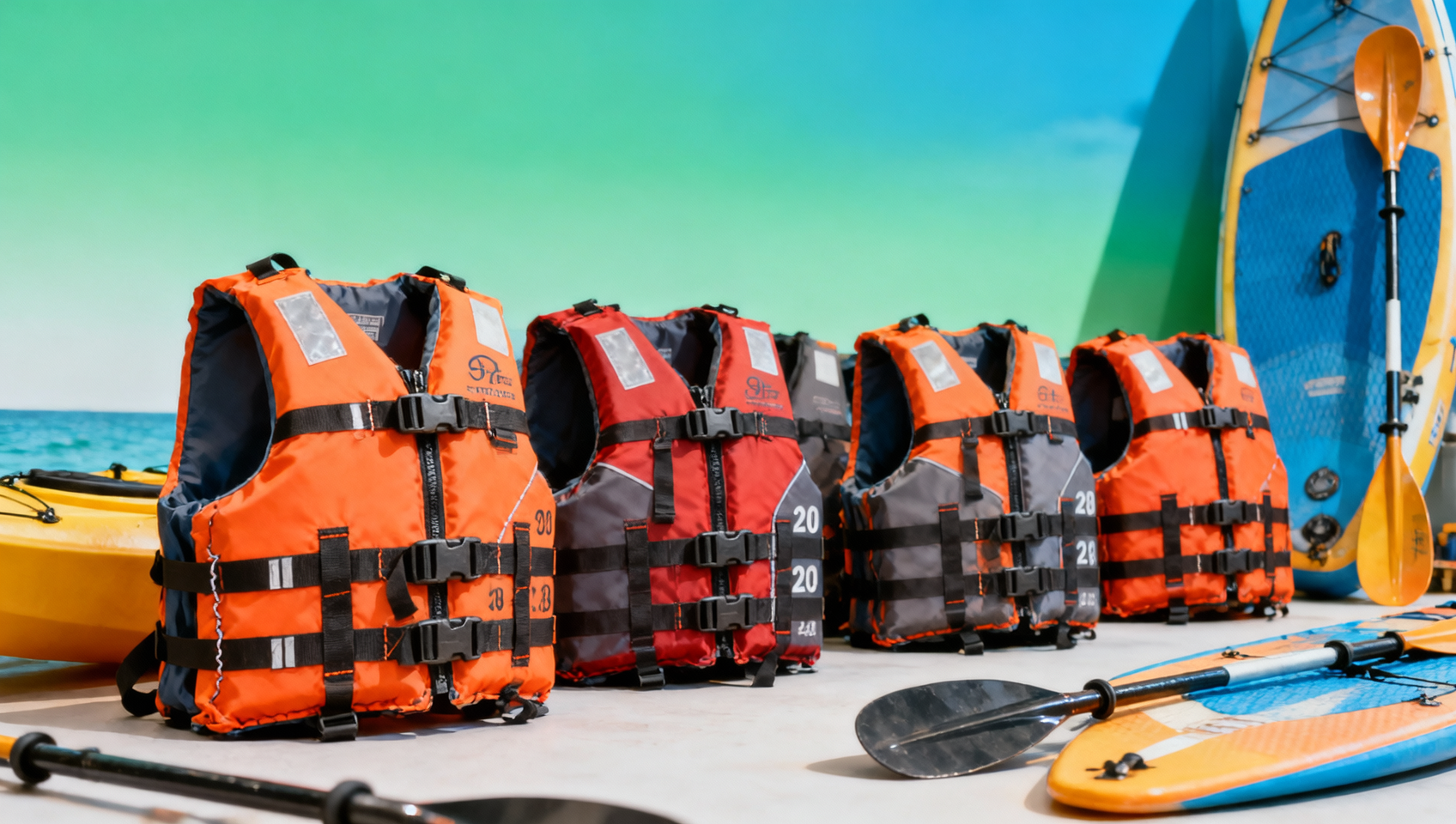
For buyers evaluating wholesale life jackets, the most costly risks often hide in overlooked safety details—from buoyancy labeling and seam construction to testing records and fit consistency. Whether you also source from a kayak manufacturer, compare inflatable paddle boards manufacturer options, or review broader sports categories, understanding these gaps helps procurement teams, safety managers, and distributors make safer, more defensible purchasing decisions.
Why do small safety details create big procurement risks in tourism services?
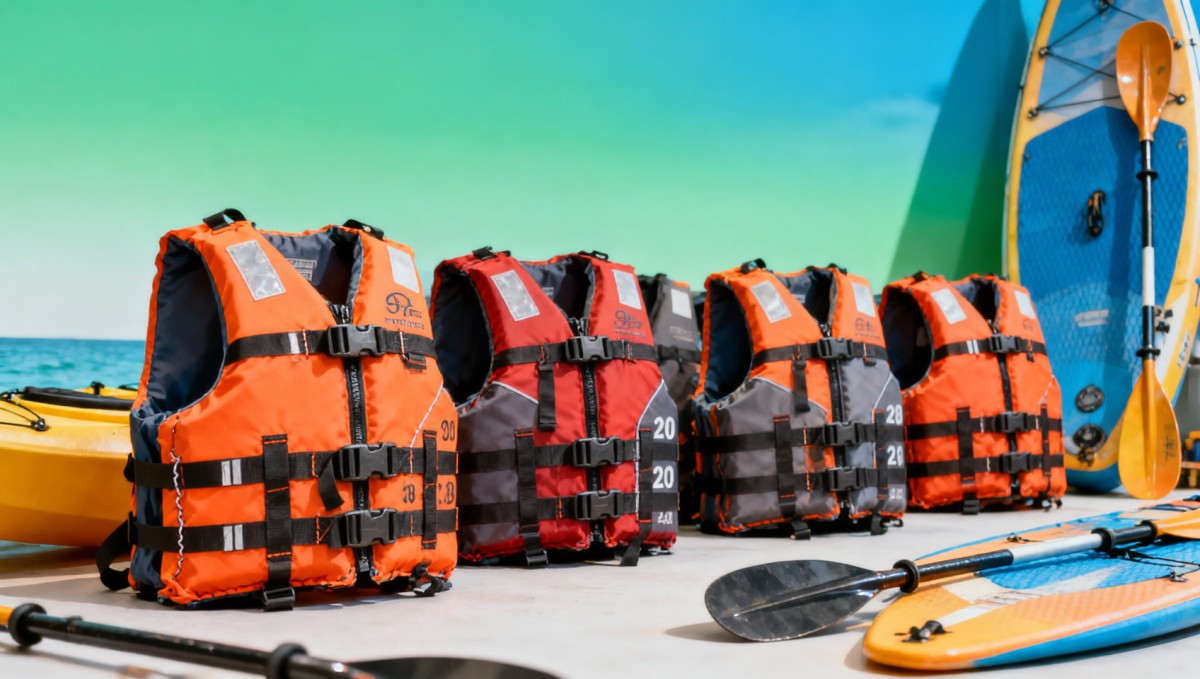
In tourism services, life jackets are not just retail products. They are operational safety equipment used in kayak tours, rafting programs, boat rentals, lakeside resorts, marine excursions, and guided paddle activities. A missed detail during wholesale purchasing can affect user safety, insurance exposure, staff confidence, and the operator’s ability to defend procurement decisions during audits or incident reviews.
Many buyers focus first on unit price, color assortment, logo options, and shipping lead time. Those factors matter, but they are rarely the reason a product fails in real use. The more common problems appear in 5 core areas: buoyancy marking, size grading, closure strength, seam durability, and documentation quality. In seasonal tourism operations, these problems often surface within the first 30–90 days of use.
This is especially relevant for B2B sourcing teams managing mixed outdoor inventories. A distributor may source life jackets together with paddle boards, kayak accessories, or rental fleet gear. If the sourcing process is fragmented, one category may receive full compliance review while another gets only a basic quote comparison. That gap is where high-cost mistakes happen.
Global Consumer Sourcing supports buyers by turning scattered supplier claims into structured evaluation points. For procurement managers, quality teams, and commercial reviewers, the goal is not to chase the lowest nominal price. It is to reduce downstream risk across sourcing, inspection, deployment, and after-sales accountability.
The most commonly missed details are usually practical, not theoretical
In the field, operators do not evaluate a life jacket the same way a catalog does. They look at whether guests can fasten it in under 30 seconds, whether staff can visually confirm correct fit from 2–3 meters away, and whether repeated wet-dry cycles weaken stitching, buckles, or reflective parts. A product that looks acceptable in a showroom may underperform during a busy rental season.
- Labels that show size but not intended user weight range, making frontline allocation inconsistent.
- Foam panels that meet basic appearance expectations but lack uniform shaping, creating unstable fit during movement.
- Zippers and buckles that pass initial handling yet loosen after repeated rental turnover, often within one peak season.
- Incomplete test records that do not clearly connect the delivered batch to the reviewed sample.
For tourism service buyers, the procurement challenge is not simply identifying what a supplier says. It is verifying whether the delivered product remains consistent across small pilot runs, medium-volume replenishment, and larger seasonal orders.
Which safety details get missed most when buying wholesale life jackets?
The following comparison table highlights the safety details most often overlooked in wholesale life jackets and why they matter in real tourism operations. It is designed for sourcing teams, safety managers, and project leads who need a fast screening tool before samples are approved or orders are released.
For a tourism operator, these are not minor specifications. They affect loading efficiency before departure, fit checks during guest briefing, and replacement cost over a 1-season or 2-season horizon. A lower quote can become more expensive if 8%–15% of the batch requires early replacement, relabeling, or manual sorting.
Where wholesale buyers should look beyond the sample
Samples often represent the best version of a product. The real purchasing question is whether the same construction quality appears across the full shipment. Buyers should ask for a production consistency review covering at least 3 checkpoints: pre-production confirmation, in-line inspection, and pre-shipment verification. This matters even more when lead time is compressed to 2–4 weeks before the season starts.
A practical 6-point review before approval
- Confirm the intended use scenario: calm water rental, guided tour, resort activity, or commercial resale.
- Check whether size labels also match user weight range and adjustment method.
- Review seam reinforcement at shoulders, side closures, and high-tension points.
- Request batch-linked records instead of generic historical test files.
- Inspect at least 3 size samples if the order includes adult and youth variants.
- Define replacement and claim handling terms before shipment leaves the factory.
This process helps different stakeholders evaluate the same order from different angles. Procurement sees commercial risk, operations sees usability, finance sees avoidable replacement cost, and quality control sees consistency risk.
How should buyers compare specifications, compliance records, and fit for real-world use?
When comparing wholesale life jackets, buyers should avoid single-factor decisions. A stronger process uses 4 decision layers: use environment, technical construction, documentation traceability, and replenishment stability. This is particularly useful for distributors and tourism service groups that place repeat orders across several destinations or sales channels.
Compliance review should stay practical. Depending on destination market and product category, buyers may need to review applicable labeling rules, chemical restrictions, product safety records, or regional conformity requirements. The key point is not to collect random certificates. It is to check whether the documents match the actual product specification, production date, and shipment lot.
Fit deserves equal weight. In tourism services, one poorly graded size run can slow check-in and briefing for every group departure. If 20–40 guests must be fitted within a short turnaround window, inconsistent sizing becomes an operational bottleneck. Buyers should request a size chart, tolerance guidance, and multi-size samples rather than approving only one medium or one universal sample.
Global Consumer Sourcing adds value here by helping buyers compare products as supply decisions, not isolated items. For example, a life jacket may be sourced alongside kayaks or inflatable boards from different factories. A centralized comparison framework helps teams keep the same review discipline across categories and avoid hidden compliance or durability gaps.
Specification comparison table for tourism-service procurement
The table below can be used during supplier shortlisting, sample evaluation, or internal approval meetings. It focuses on selection criteria that matter in rental programs, guided water activities, and distributor purchasing.
A table like this helps align sourcing, operations, and finance. It also prevents the common mistake of comparing one supplier on technical detail and another on price only. Standardized review improves internal decision speed and makes approval easier for managers who are not product specialists.
Compliance is useful only when tied to shipment reality
A file folder full of documents is not the same as a compliant order. Buyers should verify that labels, packaging, model references, and inspection records align with the exact product being purchased. If a supplier cannot connect documents to production runs or if specifications change after sampling, the practical value of the file set drops sharply.
For quality and safety managers, a simple rule works well: if the document cannot help identify a delivered batch within minutes, it may not help much during an actual issue review. That is why traceability should be discussed before deposit payment, not after goods arrive.
What procurement process reduces defects, delays, and replacement costs?
Wholesale life jackets often move under seasonal deadlines. Buyers may have only 4–8 weeks before opening day, distributor rollout, or regional delivery. Under time pressure, teams tend to compress sample review, skip wear simulation, or accept generic records. A better process does not need to be slow. It needs to be disciplined.
For tourism service companies and distributors, the most effective process is a staged one. It creates control points before cost escalates. Instead of discovering a fit issue after shipment, teams should lock key variables at the quotation, sample, and pre-shipment stages. This reduces disputes and improves forecast accuracy for finance approval.
A practical 4-step sourcing workflow
- Requirement mapping: define user groups, activity type, size mix, target market, and expected service life over 1–2 seasons.
- Sample and document review: compare at least 2–3 supplier options, inspect fit, construction, and batch-linked records.
- Pre-shipment control: confirm packaging labels, carton breakdown, quantity by size, and inspection checkpoints before dispatch.
- Arrival and deployment check: conduct incoming inspection, field trial, and first-week operational feedback before full release.
This workflow helps project managers and operational leads coordinate with sourcing and finance. It also supports distributors that need to balance resale timing with return-rate control. A well-defined process can reduce hidden cost drivers such as repacking labor, emergency replenishment, and inconsistent branch-level allocation.
Where hidden costs usually appear
The quoted unit price is only one part of the total procurement picture. Hidden costs often appear in 6 areas: failed incoming inspection, relabeling work, faster replacement, guest fitting delays, additional staff training, and dispute handling with suppliers. Even when the original price difference is only small, the downstream cost impact can be much larger across a peak season.
This is why experienced buyers compare landed risk, not just landed cost. If one supplier offers a slightly lower price but weaker documentation and less stable sizing, the financial approval team should understand the operational tradeoff. GCS helps teams frame that discussion with procurement logic that is easier to defend internally.
Questions finance and management should ask before approval
- What is the expected replacement rate if the product sees daily rental use over a 3–5 month peak period?
- Can the supplier support a reorder window of 2–6 weeks if weather or bookings increase demand?
- Do the records clearly support customs, distributor review, or internal safety audits?
- Will staff need extra time to fit guests because sizing and adjustment logic are unclear?
These questions move the conversation from basic purchasing to risk-managed procurement. That is especially valuable when life jackets are only one category inside a larger sports and outdoors sourcing plan.
FAQ: what do buyers, operators, and distributors ask most often?
The questions below reflect common search intent among procurement teams, operators, and commercial reviewers evaluating wholesale life jackets for tourism services and outdoor resale channels.
How many samples should be reviewed before placing a wholesale life jacket order?
A single sample is rarely enough if the order covers multiple sizes or user groups. In most cases, buyers should review at least 2–3 size samples and compare closures, labels, and fit adjustment points. If the order includes youth and adult versions, both ranges should be checked separately. This is one of the simplest ways to catch grading inconsistency before production starts.
What documents matter most during evaluation?
The most useful documents are those connected to the actual product and batch, not general marketing files. Buyers should review product specification sheets, labeling details, inspection records, and any applicable conformity or test documentation relevant to the target market. The stronger the link between document and shipment, the stronger the procurement position if questions arise later.
Are lower-cost life jackets always a bad choice for tourism operators?
Not always. A lower-cost option can be workable if the use case is limited, turnover is low, and the construction and documentation still match operational requirements. The issue is not price alone. The issue is whether lower price comes from simplified materials, weaker closures, inconsistent sizing, or reduced quality control. Buyers should compare total service impact over a season, not just invoice value.
What delivery timeline is typical for seasonal orders?
Timelines vary by specification, order volume, and whether branding or packaging customization is required. In practice, buyers often plan around sample confirmation, production, inspection, and shipment as separate stages. For seasonal tourism operations, building a buffer of 2–4 weeks before first deployment is usually safer than scheduling delivery right against opening dates.
Why do distributors need a stricter review than one-off users?
Distributors carry a broader responsibility because products may move across different customer types, climates, and resale contexts. They also face higher exposure if labeling, fit, or documentation issues appear after resale. A stricter front-end review protects brand reputation and reduces after-sales friction across multiple accounts.
Why choose us when evaluating wholesale life jackets and related outdoor sourcing categories?
Global Consumer Sourcing helps B2B buyers move from fragmented product browsing to structured supply-chain decisions. For teams evaluating wholesale life jackets, we focus on the issues that actually affect procurement outcomes: specification clarity, documentation quality, supplier comparison, compliance checkpoints, and category-level sourcing logic across sports and outdoors products.
This matters when your sourcing scope extends beyond one item. If you are also comparing a kayak manufacturer, an inflatable paddle boards manufacturer, or adjacent water-sports equipment suppliers, you need a consistent decision framework. We help buyers assess not only what looks competitive on paper, but what is easier to defend in operations, finance review, and market expansion planning.
You can contact us for support on 6 practical topics: parameter confirmation, supplier shortlisting, documentation review, delivery lead-time planning, customization feasibility, and sample evaluation strategy. This is useful for procurement officers, safety managers, distributors, and project leads who need faster decisions without reducing review quality.
If you are preparing a new season launch, a distributor expansion plan, or a multi-category outdoor sourcing project, reach out with your target market, expected order volume, use scenario, and required timeline. We can help structure the comparison, identify likely risk points, and support more confident discussions around quotation, certification requirements, sample support, and reorder planning.
Related Intelligence
 Cosmetics & PkgApr 15, 2026Custom lip gloss vendor options look similar until packaging startsCustom lip gloss vendor options look alike until packaging, compliance, and timing matter. Compare suppliers smarter for travel retail, with insights across false eyelashes vendor and organic face serum OEM sourcing.
 Skincare OEMApr 15, 2026Why anti aging cream wholesale margins shrink after the first orderAnti aging cream wholesale margins often shrink after the first order. Learn how packaging, compliance, and logistics affect costs across organic face serum oem and custom lip gloss vendor sourcing.
 Skincare OEMApr 15, 2026Organic face serum OEM claims that need proof before launchOrganic face serum OEM launch guide for travel retail: verify claims, safety, and compliance before rollout, while comparing anti aging cream wholesale, custom lip gloss vendor, and beauty device sourcing.
 Beauty DevicesApr 15, 2026Is a commercial microdermabrasion machine worth upgrading in 2026?microdermabrasion machine commercial upgrade guide for travel services in 2026. Compare ROI, compliance, and sourcing options from IPL OEM to skincare vendors.
 Beauty DevicesApr 15, 2026IPL hair removal device OEM lead times get delayed by these detailsIPL hair removal device OEM lead times slip due to packaging, compliance, and supplier gaps. Learn how travel buyers manage delays across microdermabrasion machine commercial sourcing and more.
 Cosmetics & PkgApr 15, 2026A false eyelashes vendor may pass inspection and still miss repeat ordersfalse eyelashes vendor insights for travel retail: compare custom lip gloss vendor, anti aging cream wholesale, organic face serum oem, and ipl hair removal device oem partners before scaling.
 Skincare OEMApr 15, 2026Organic face serum OEM formulas that scale badly in mass productionOrganic face serum OEM scale-up risks explained for travel retail buyers. Compare anti aging cream wholesale, custom lip gloss vendor, false eyelashes vendor, microdermabrasion machine commercial, and ipl hair removal device oem options.
 Fitness EquipmentApr 15, 2026How Olympic Barbell Manufacturers Handle Sleeve Spin and Tensile StrengthOlympic barbell manufacturer insights for travel-service buyers: compare sleeve spin, tensile strength, and sourcing standards with power rack manufacturer, resistance bands OEM, and hex dumbbells bulk solutions.
 Fitness EquipmentApr 15, 2026Cast Iron Dumbbells Wholesale: Why Coating Quality Matters MoreCast iron dumbbells wholesale for travel-service gyms: learn why coating quality matters more for durability, safety, and guest experience when sourcing hex dumbbells bulk.
 Fitness EquipmentApr 15, 2026Hex Dumbbells Bulk Orders: Where Cheap Pricing Gets ExpensiveHex dumbbells bulk buying guide for travel service projects: compare real costs, quality, and lead times with a power rack manufacturer, olympic barbell manufacturer, or cast iron dumbbells wholesale supplier.
 Fitness EquipmentApr 15, 2026Power Rack Manufacturer Checklist for Load Safety and Finish QualityPower rack manufacturer checklist for travel service buyers: verify load safety, finish quality, and sourcing fit across olympic barbell manufacturer and hex dumbbells bulk programs.
 Fitness EquipmentApr 15, 2026Resistance Bands OEM Mistakes That Lead to Early Stretch LossResistance bands OEM mistakes can cause early stretch loss and costly returns. See how buyers comparing a rooftop tent manufacturer or power rack manufacturer can source with confidence.
 Camping & WaterApr 15, 2026Inflatable Paddle Boards Manufacturer: What Affects Board Stability?Inflatable paddle boards manufacturer insights for tourism buyers: learn what drives board stability, compare sourcing factors, and evaluate suppliers with confidence.