China Regulates RF Beauty Devices as Class III Medical Equipment from April 2026
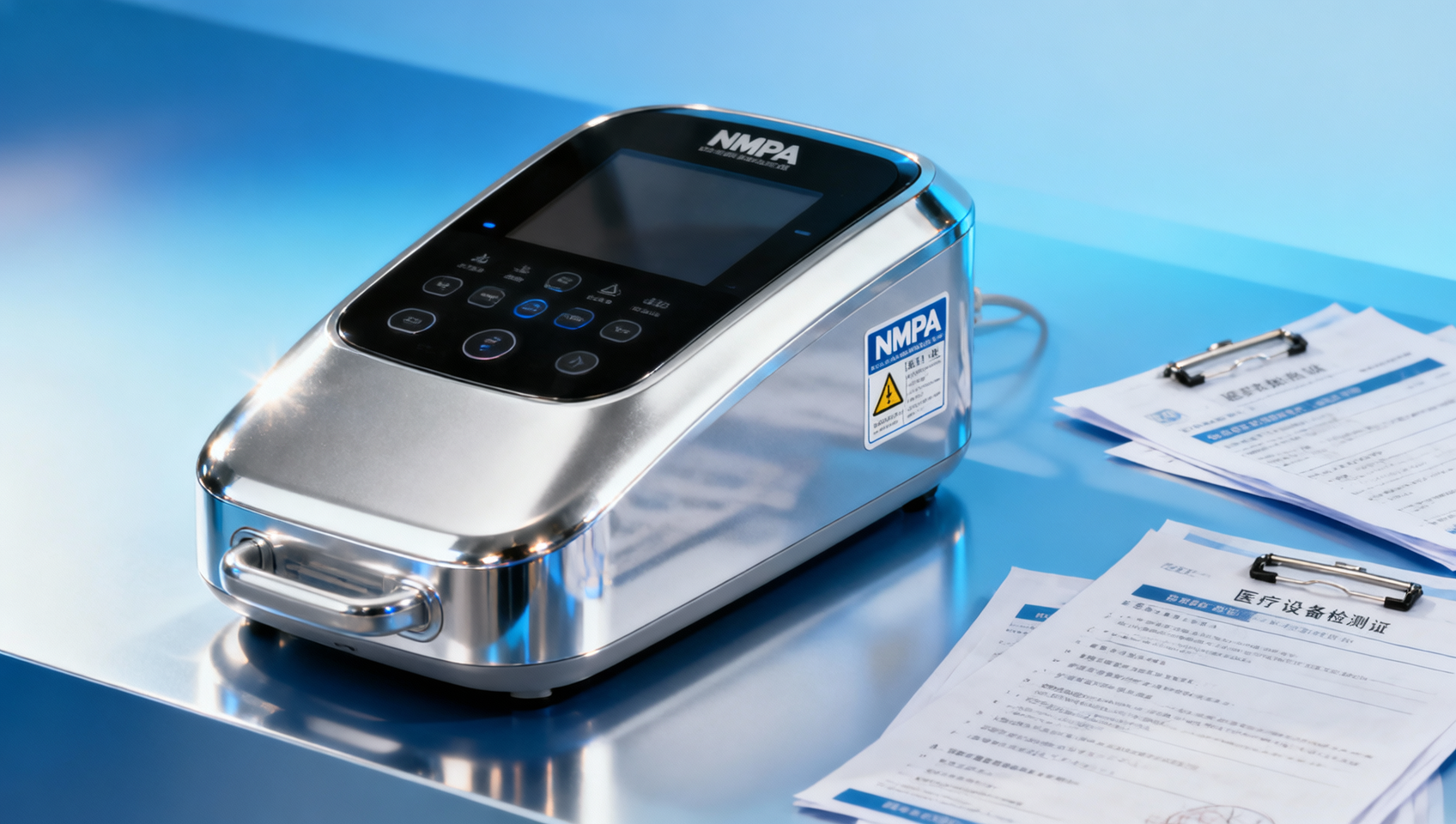
Starting from April 1, 2026, China's National Medical Products Administration (NMPA) will classify radiofrequency (RF) beauty devices, including RF therapy and skin treatment devices, as Class III medical equipment. Products without valid NMPA registration certificates will be prohibited from production, import, and sale. This policy directly impacts overseas suppliers and importers, as shipments without proper certification may face customs clearance issues, including potential rejection or destruction.
Event Overview
Effective April 1, 2026, RF beauty devices will be subject to stricter regulatory oversight in China. The NMPA mandates that all such devices must obtain Class III medical equipment registration before entering the market. Non-compliant products in transit or newly ordered will be intercepted by Chinese customs, while already imported devices lacking certification may require return or disposal.
Industries Affected
Overseas Manufacturers and Exporters
Companies producing RF beauty devices for the Chinese market must now secure NMPA registration, which involves rigorous testing and documentation. Failure to comply will block market entry.
Importers and Distributors
Businesses importing or distributing these devices must verify suppliers' NMPA certificates. Unregistered inventory risks being held at customs or recalled.
E-commerce and Retail Platforms
Online and offline sellers need to ensure product compliance to avoid penalties. Platforms may need to update listing requirements and vetting processes.
Key Actions for Businesses
Verify Certification Status
Importers should immediately check whether their suppliers have obtained or applied for NMPA registration. For pending orders, confirm certification timelines.
Assess In-Transit Inventory
Evaluate current shipments scheduled to arrive after April 2026. Explore options for certification applications or alternative markets if registration is unattainable.
Update Compliance Protocols
Strengthen supply chain due diligence by incorporating NMPA registration checks into procurement procedures. Consider contractual protections for certification delays.
Industry Perspective
This move reflects China's tightening oversight of aesthetic medical devices. While it raises compliance costs, it also standardizes a previously ambiguous market segment. The regulation may reshape competitive dynamics, favoring established manufacturers with regulatory experience. Companies should treat this as an urgent operational priority rather than a distant compliance matter.
Conclusion
The NMPA's reclassification signals a maturing regulatory environment for beauty devices in China. Businesses must act decisively to adapt their China market strategies, prioritizing certification readiness and supply chain adjustments. Proactive engagement with regulatory consultants is advisable to navigate the complex approval process.
Source
National Medical Products Administration (NMPA) official announcement
Related Intelligence
 Cosmetics & PkgApr 22, 2026SAMR Penalizes 7 Platforms for 'Ghost Kitchen' Packaging ViolationsSAMR penalizes 7 platforms for 'ghost kitchen' packaging violations—critical for food-grade packaging OEMs, suppliers & procurement teams. Act now.
 Camping & WaterApr 22, 2026RCEP Camping Water Bags: Indonesia Cuts Tariff, Sets TPU+Aluminum SpecRCEP Camping Water Bags: Indonesia cuts tariff to 3.4% & mandates TPU+aluminum spec—key opportunity for exporters, TPU suppliers & converters in ASEAN-China supply chains.
 Corporate & Seasonal GiftsApr 22, 2026TÜV Green Packaging LCA Threshold Effective Apr 2026TÜV Green Packaging LCA Threshold takes effect Apr 2026 — mandatory carbon heatmaps & ISO-compliant LCAs for holiday, wedding &文创 packaging. Act now to meet EU tender requirements.
 Beauty DevicesApr 22, 2026Global Li-Battery Recycling Rate Hits 62%: Beauty Device BOM Cost Down 9%Li-battery recycling hits 62% globally—driving 9% BOM cost cuts for beauty devices. Discover how recycled LFP/NCM cells slash lead times & boost margins.
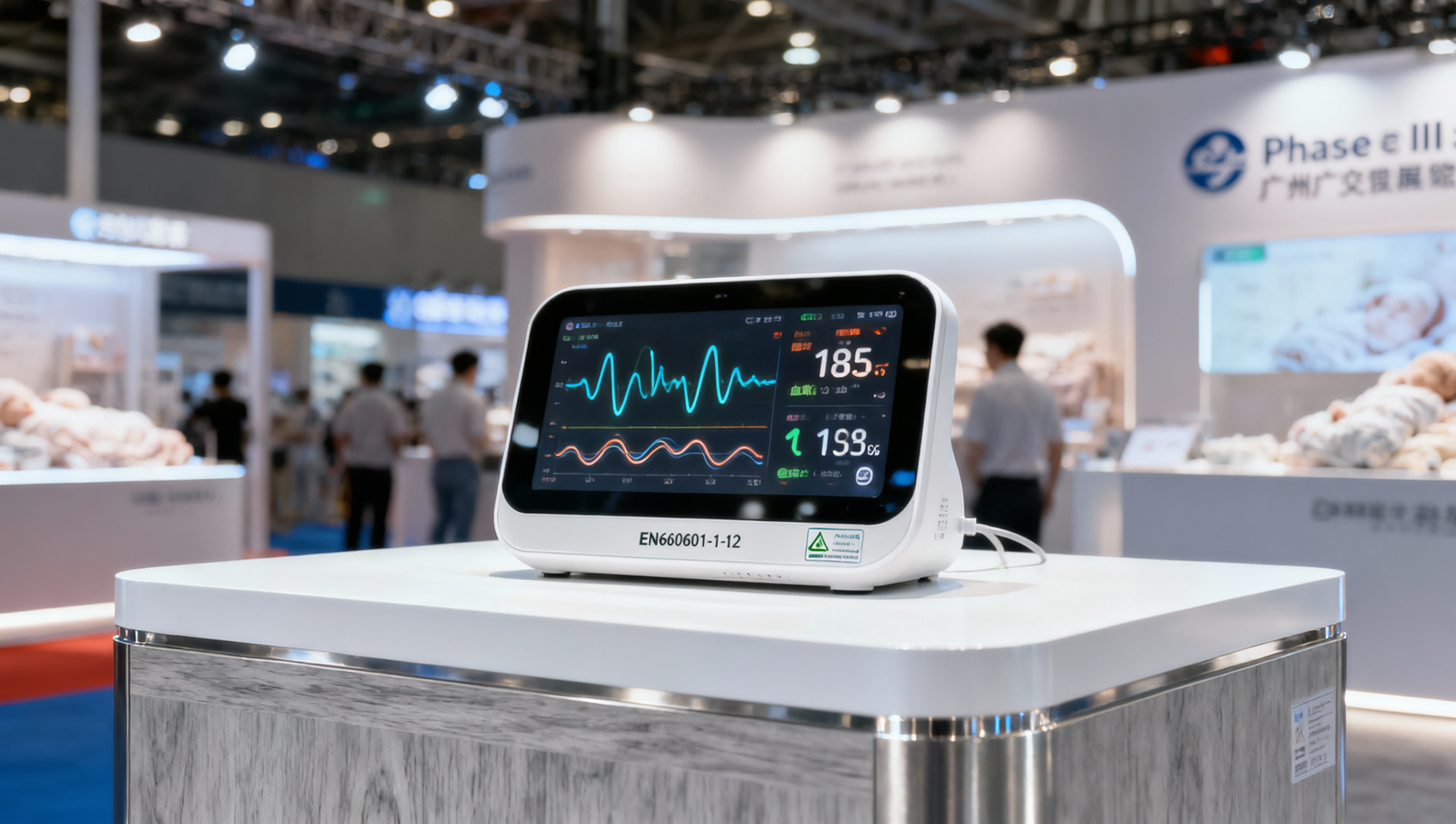
 Nursery Furniture & MonitorsApr 22, 2026Canton Fair Phase III: Infant Monitor Inquiries Surge, EN60601-1-12 Certification Critical for Middle EastEN60601-1-12 certification is now critical for infant monitors targeting the Middle East — Canton Fair Phase III reveals surging buyer demand from UAE & KSA.
 Smart Pet DevicesApr 22, 2026Vietnam Enforces ISO 13485 + Vietnamese Manual for Smart Pet CollarsISO 13485 + Vietnamese manual now mandatory for smart pet collars entering Vietnam — avoid import delays. Learn compliance essentials for Class IIa medical device classification.
 Infant Feeding & CareApr 22, 2026JETRO Spring Sourcing: Silicone Baby Feeding Items Must Link to BlockchainSilicone baby feeding items must link to blockchain for JETRO Spring Sourcing — avoid 11-day delays & 100% inspections. Act now to ensure compliance.
 STEM & Educational ToysApr 22, 2026SASO Launches 24-Hour AI STEM Toy Certification in Saudi ArabiaSASO's 24-hour AI STEM toy certification now live in Saudi Arabia — fast-track CoC for robotics, voice/vision learning toys meeting GB/T 34667-2025 & IEC 62368-1.
 Cosmetics & PkgApr 22, 2026EU EPR Dual-Country Registration Effective for Beauty PackagingEU EPR dual-country registration is now mandatory for beauty packaging exporters—secure France & Germany compliance before April 22, 2026 to avoid delisting and customs delays.
 Cosmetics & PkgApr 22, 2026FDA Requires Independent VCRP Registration for Cosmetic Packaging as of Apr 21, 2026FDA requires independent VCRP registration for cosmetic packaging by Apr 21, 2026—essential for U.S. importers, Chinese suppliers & OEMs. Act now to avoid delays.
 Cosmetics & PkgApr 21, 2026SAMR Penalizes 7 Platforms for 'Ghost Kitchen' Packaging ViolationsSAMR penalizes 7 platforms for 'ghost kitchen' packaging violations—key alert for food packaging exporters, converters & brands on licensing compliance.
 Cosmetics & PkgApr 21, 2026EU EPR Dual-Country Registration Effective for Beauty PackagingEU EPR Dual-Country Registration is now live for beauty packaging in France & Germany — act now to avoid shipment delays, fees, and customs holds.
 Cosmetics & PkgApr 21, 2026FDA MoCRA Rule: Cosmetic Packaging Must File Separate VCRPFDA MoCRA Rule requires cosmetic packaging—vacuum bottles, pumps, tubes—to file separate VCRP registration by April 17, 2026. Stay compliant & avoid shipment delays!