China Requires Medical Device Registration for RF Beauty Devices from April 2026: Key Impacts on Global Trade
China Requires Medical Device Registration for RF Beauty Devices from April 2026: Key Impacts on Global Trade
Introduction
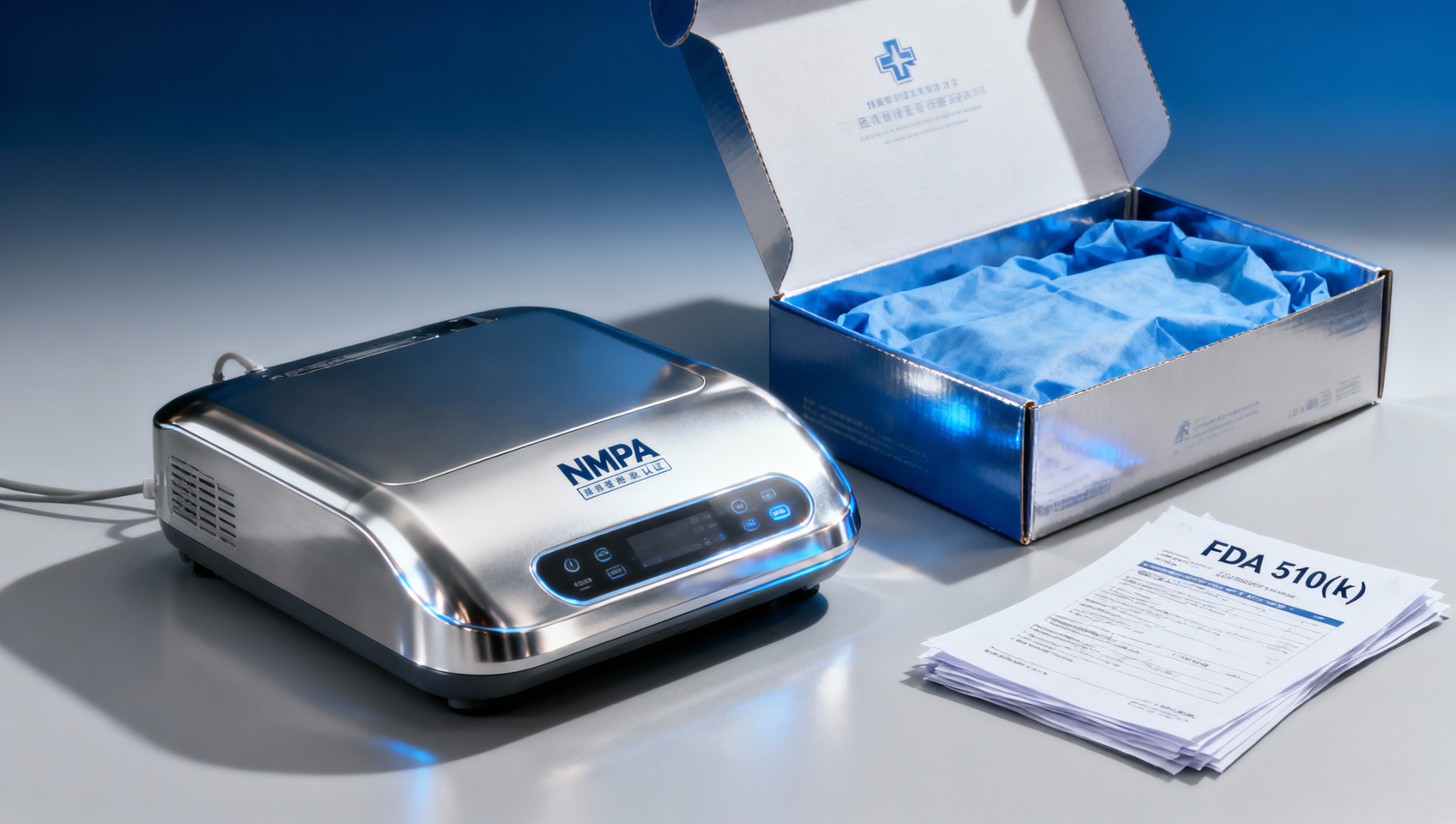
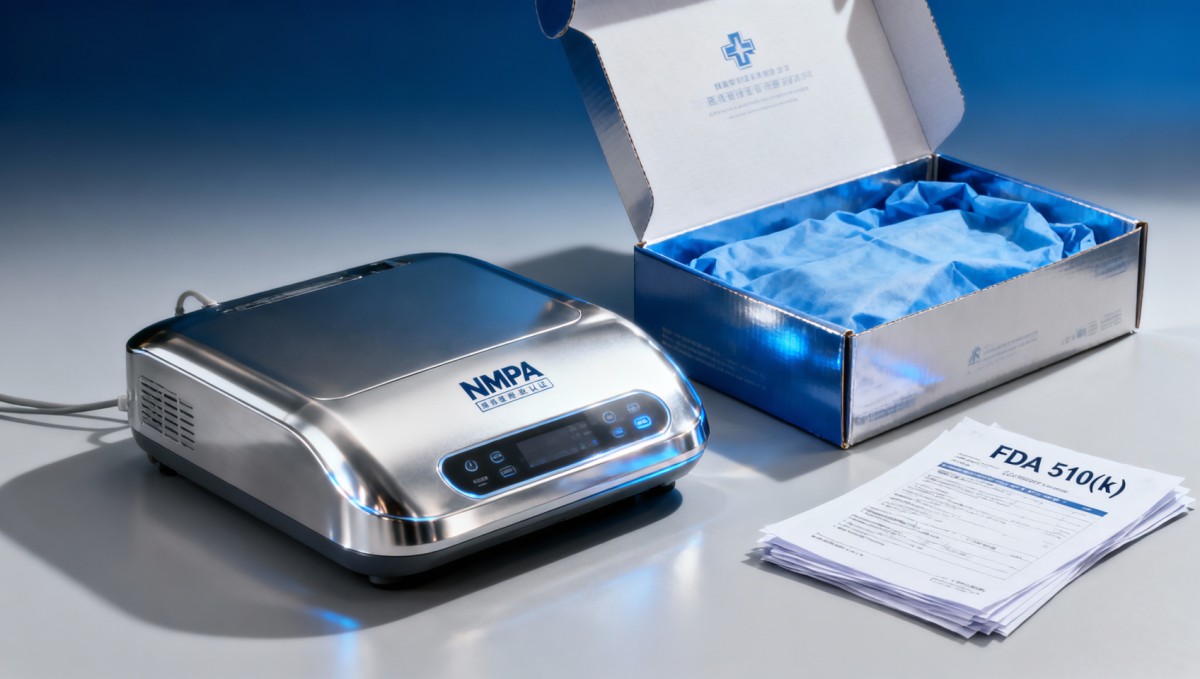
Starting April 1, 2026, China will enforce mandatory medical device registration (Class II NMPA certification) for all radiofrequency (RF) beauty equipment, including RF therapy devices and skin rejuvenation systems. This regulatory shift directly impacts global beauty device manufacturers, particularly those exporting to or sourcing from China, as well as EU/US importers reliant on Chinese supply chains. The policy requires immediate compliance checks for existing trade flows and factory audits under FDA 510(k) or EU MDR frameworks.
Event Overview
China's National Medical Products Administration (NMPA) has confirmed that RF beauty devices will be reclassified as Class II medical devices effective April 2026. Key confirmed details include: 1) Mandatory NMPA registration for production, export, and domestic sales; 2) Immediate prohibition of unregistered devices; 3) Requirement for international importers to update technical documentation under FDA/EU MDR standards with Chinese factory audit data.
Impacted Industry Segments
1. OEM/ODM Manufacturers
Chinese contract manufacturers serving global brands face production halts unless obtaining NMPA certification. Analysis shows 60-70% of current OEMs lack medical device manufacturing licenses, requiring 12-18 months for compliance conversion.
2. EU/US Importers
Companies importing Chinese-made RF devices must now verify suppliers' NMPA status and reconcile documentation with FDA 510(k) or EU MDR requirements. This creates dual compliance burdens for CE-marked devices previously exempt from medical classification.
3. Component Suppliers
RF generator and electrode suppliers will undergo stricter traceability requirements as medical-grade component standards apply. This may disrupt existing just-in-time delivery models.
Actionable Guidance for Businesses
1. Supplier Verification Protocol
Immediate audit of Chinese suppliers' NMPA application status is critical. Medical device registration numbers should be cross-checked via NMPA's official database (accessible in English since 2025).
2. Documentation Alignment
EU importers must update Technical Documentation under MDR Article 61(3) for equivalence claims, while US importers need supplemental 510(k) submissions reflecting factory changes.
3. Inventory Planning
Non-compliant inventory must clear customs before March 31, 2026. Consider bonded warehouse strategies for goods in transit during policy transition.
Industry Perspective
This regulatory change signals China's alignment with global medical device standards for aesthetic technologies. From an industry standpoint: 1) It reflects growing safety concerns about consumer-grade RF devices; 2) Creates potential market advantages for early compliant manufacturers; 3) May accelerate consolidation among Chinese beauty device makers. However, the 18-month transition period allows for strategic adjustments, unlike emergency regulatory actions.
Conclusion
The NMPA's reclassification represents a structural shift in global beauty device trade flows rather than temporary disruption. While increasing compliance costs short-term, it establishes clearer quality benchmarks for cross-border trade. Industry players should treat this as a catalyst for supply chain optimization rather than mere regulatory compliance exercise.
Information Sources
1. NMPA Announcement (2025/03/15) - Medical Device Classification Catalogue Update 2. FDA Guidance Document (2025-17840) - Third-Country Medical Device Equivalence 3. Ongoing monitoring required for: provincial-level implementation rules (expected Q3 2025)
Related Intelligence
 Cosmetics & PkgApr 22, 2026SAMR Penalizes 7 Platforms for 'Ghost Kitchen' Packaging ViolationsSAMR penalizes 7 platforms for 'ghost kitchen' packaging violations—critical for food-grade packaging OEMs, suppliers & procurement teams. Act now.
 Camping & WaterApr 22, 2026RCEP Camping Water Bags: Indonesia Cuts Tariff, Sets TPU+Aluminum SpecRCEP Camping Water Bags: Indonesia cuts tariff to 3.4% & mandates TPU+aluminum spec—key opportunity for exporters, TPU suppliers & converters in ASEAN-China supply chains.
 Corporate & Seasonal GiftsApr 22, 2026TÜV Green Packaging LCA Threshold Effective Apr 2026TÜV Green Packaging LCA Threshold takes effect Apr 2026 — mandatory carbon heatmaps & ISO-compliant LCAs for holiday, wedding &文创 packaging. Act now to meet EU tender requirements.
 Beauty DevicesApr 22, 2026Global Li-Battery Recycling Rate Hits 62%: Beauty Device BOM Cost Down 9%Li-battery recycling hits 62% globally—driving 9% BOM cost cuts for beauty devices. Discover how recycled LFP/NCM cells slash lead times & boost margins.
 Nursery Furniture & MonitorsApr 22, 2026Canton Fair Phase III: Infant Monitor Inquiries Surge, EN60601-1-12 Certification Critical for Middle EastEN60601-1-12 certification is now critical for infant monitors targeting the Middle East — Canton Fair Phase III reveals surging buyer demand from UAE & KSA.
 Smart Pet DevicesApr 22, 2026Vietnam Enforces ISO 13485 + Vietnamese Manual for Smart Pet CollarsISO 13485 + Vietnamese manual now mandatory for smart pet collars entering Vietnam — avoid import delays. Learn compliance essentials for Class IIa medical device classification.
 Infant Feeding & CareApr 22, 2026JETRO Spring Sourcing: Silicone Baby Feeding Items Must Link to BlockchainSilicone baby feeding items must link to blockchain for JETRO Spring Sourcing — avoid 11-day delays & 100% inspections. Act now to ensure compliance.
 STEM & Educational ToysApr 22, 2026SASO Launches 24-Hour AI STEM Toy Certification in Saudi ArabiaSASO's 24-hour AI STEM toy certification now live in Saudi Arabia — fast-track CoC for robotics, voice/vision learning toys meeting GB/T 34667-2025 & IEC 62368-1.
 Cosmetics & PkgApr 22, 2026EU EPR Dual-Country Registration Effective for Beauty PackagingEU EPR dual-country registration is now mandatory for beauty packaging exporters—secure France & Germany compliance before April 22, 2026 to avoid delisting and customs delays.
 Cosmetics & PkgApr 22, 2026FDA Requires Independent VCRP Registration for Cosmetic Packaging as of Apr 21, 2026FDA requires independent VCRP registration for cosmetic packaging by Apr 21, 2026—essential for U.S. importers, Chinese suppliers & OEMs. Act now to avoid delays.
 Cosmetics & PkgApr 21, 2026SAMR Penalizes 7 Platforms for 'Ghost Kitchen' Packaging ViolationsSAMR penalizes 7 platforms for 'ghost kitchen' packaging violations—key alert for food packaging exporters, converters & brands on licensing compliance.
 Cosmetics & PkgApr 21, 2026EU EPR Dual-Country Registration Effective for Beauty PackagingEU EPR Dual-Country Registration is now live for beauty packaging in France & Germany — act now to avoid shipment delays, fees, and customs holds.
 Cosmetics & PkgApr 21, 2026FDA MoCRA Rule: Cosmetic Packaging Must File Separate VCRPFDA MoCRA Rule requires cosmetic packaging—vacuum bottles, pumps, tubes—to file separate VCRP registration by April 17, 2026. Stay compliant & avoid shipment delays!