China's New Class III Device Rules for RF Beauty Devices Take Effect April 2026
Introduction
Starting April 1, 2026, China will enforce Class III medical device regulations for radiofrequency (RF) beauty devices, requiring mandatory NMPA certification for production, import, and sales. Currently, only 12 products have obtained approval, leaving over 90% of existing models non-compliant. This policy significantly impacts international importers, particularly from Europe, the Middle East, and Southeast Asia, as non-certified products will face customs rejection or market penalties. The beauty device industry, supply chain stakeholders, and regulatory compliance professionals should closely monitor these changes.
Event Overview
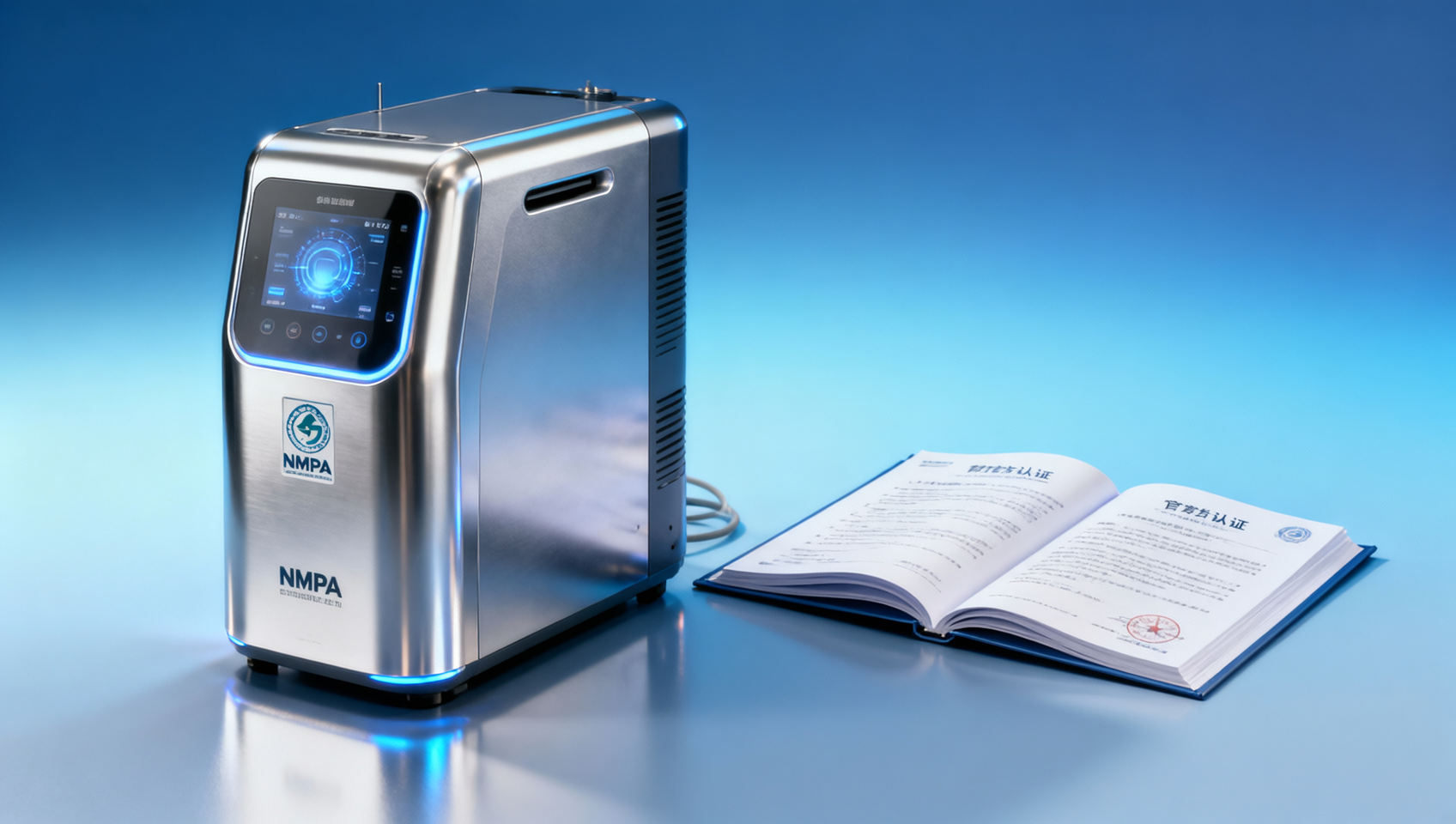
As of April 1, 2026, China's National Medical Products Administration (NMPA) will classify RF treatment devices and RF skin treatment devices as Class III medical devices. Only products with official NMPA certification will be permitted for production, import, or sale. Public records indicate that just 12 models have been approved so far, meaning the majority of currently available devices will be phased out. Non-compliant imports may be rejected at customs or subject to regulatory penalties.
Impact on Sub-Industries
International Importers & Distributors
Importers from regions like Europe, the U.S., and the Middle East must verify NMPA certification before shipping. Products lacking approval will face customs clearance delays or forced returns, disrupting inventory and sales channels.
E-Commerce & Retail Platforms
Online and offline sellers must ensure all RF beauty devices in stock carry valid Class III certification. Unauthorized listings risk penalties, including product seizures or fines.
Manufacturers & OEMs
Brands producing RF devices for the Chinese market must expedite NMPA registration. The lengthy approval process (often 12-18 months) could bottleneck new product launches.
Key Action Points for Businesses
1. Verify Certification Status Immediately
Importers should cross-check model numbers against the NMPA’s published list of approved devices. Customs declarations now require registration certificate numbers.
2. Adjust Inventory Strategies
Distributors with non-compliant stock may explore alternative markets or negotiate returns with suppliers before the deadline.
3. Monitor Regulatory Updates
NMPA may release additional guidance on transitional arrangements. Companies should track announcements via official channels like the NMPA website or authorized agents.
Industry Observations
Analysis suggests this policy reflects China’s tightening control over aesthetic medical devices, aligning RF treatments with high-risk categories like surgical lasers. While the immediate effect is market contraction, the move could standardize product safety and performance long-term. Notably, the limited number of approved devices indicates stringent technical reviews—brands should anticipate rigorous testing for future submissions.
Conclusion
The 2026 mandate marks a definitive shift in China’s RF beauty device landscape, prioritizing regulatory compliance over market accessibility. Businesses should treat this as an operational pivot point, focusing on certified suppliers or exploring alternative technologies. Proactive adaptation will be critical to maintaining market access.
Source
National Medical Products Administration (NMPA) official announcement, accessed via [NMPA website URL]. Ongoing updates to the approved devices list are expected.
Related Intelligence
 Cosmetics & PkgApr 22, 2026SAMR Penalizes 7 Platforms for 'Ghost Kitchen' Packaging ViolationsSAMR penalizes 7 platforms for 'ghost kitchen' packaging violations—critical for food-grade packaging OEMs, suppliers & procurement teams. Act now.
 Camping & WaterApr 22, 2026RCEP Camping Water Bags: Indonesia Cuts Tariff, Sets TPU+Aluminum SpecRCEP Camping Water Bags: Indonesia cuts tariff to 3.4% & mandates TPU+aluminum spec—key opportunity for exporters, TPU suppliers & converters in ASEAN-China supply chains.
 Corporate & Seasonal GiftsApr 22, 2026TÜV Green Packaging LCA Threshold Effective Apr 2026TÜV Green Packaging LCA Threshold takes effect Apr 2026 — mandatory carbon heatmaps & ISO-compliant LCAs for holiday, wedding &文创 packaging. Act now to meet EU tender requirements.
 Beauty DevicesApr 22, 2026Global Li-Battery Recycling Rate Hits 62%: Beauty Device BOM Cost Down 9%Li-battery recycling hits 62% globally—driving 9% BOM cost cuts for beauty devices. Discover how recycled LFP/NCM cells slash lead times & boost margins.
 Nursery Furniture & MonitorsApr 22, 2026Canton Fair Phase III: Infant Monitor Inquiries Surge, EN60601-1-12 Certification Critical for Middle EastEN60601-1-12 certification is now critical for infant monitors targeting the Middle East — Canton Fair Phase III reveals surging buyer demand from UAE & KSA.
 Smart Pet DevicesApr 22, 2026Vietnam Enforces ISO 13485 + Vietnamese Manual for Smart Pet CollarsISO 13485 + Vietnamese manual now mandatory for smart pet collars entering Vietnam — avoid import delays. Learn compliance essentials for Class IIa medical device classification.
 Infant Feeding & CareApr 22, 2026JETRO Spring Sourcing: Silicone Baby Feeding Items Must Link to BlockchainSilicone baby feeding items must link to blockchain for JETRO Spring Sourcing — avoid 11-day delays & 100% inspections. Act now to ensure compliance.
 STEM & Educational ToysApr 22, 2026SASO Launches 24-Hour AI STEM Toy Certification in Saudi ArabiaSASO's 24-hour AI STEM toy certification now live in Saudi Arabia — fast-track CoC for robotics, voice/vision learning toys meeting GB/T 34667-2025 & IEC 62368-1.
 Cosmetics & PkgApr 22, 2026EU EPR Dual-Country Registration Effective for Beauty PackagingEU EPR dual-country registration is now mandatory for beauty packaging exporters—secure France & Germany compliance before April 22, 2026 to avoid delisting and customs delays.
 Cosmetics & PkgApr 22, 2026FDA Requires Independent VCRP Registration for Cosmetic Packaging as of Apr 21, 2026FDA requires independent VCRP registration for cosmetic packaging by Apr 21, 2026—essential for U.S. importers, Chinese suppliers & OEMs. Act now to avoid delays.
 Cosmetics & PkgApr 21, 2026SAMR Penalizes 7 Platforms for 'Ghost Kitchen' Packaging ViolationsSAMR penalizes 7 platforms for 'ghost kitchen' packaging violations—key alert for food packaging exporters, converters & brands on licensing compliance.
 Cosmetics & PkgApr 21, 2026EU EPR Dual-Country Registration Effective for Beauty PackagingEU EPR Dual-Country Registration is now live for beauty packaging in France & Germany — act now to avoid shipment delays, fees, and customs holds.
 Cosmetics & PkgApr 21, 2026FDA MoCRA Rule: Cosmetic Packaging Must File Separate VCRPFDA MoCRA Rule requires cosmetic packaging—vacuum bottles, pumps, tubes—to file separate VCRP registration by April 17, 2026. Stay compliant & avoid shipment delays!