Southeast Asia Tightens Cosmetic Labeling Rules, Malaysia Mandates Full Malay Ingredient Lists
Introduction
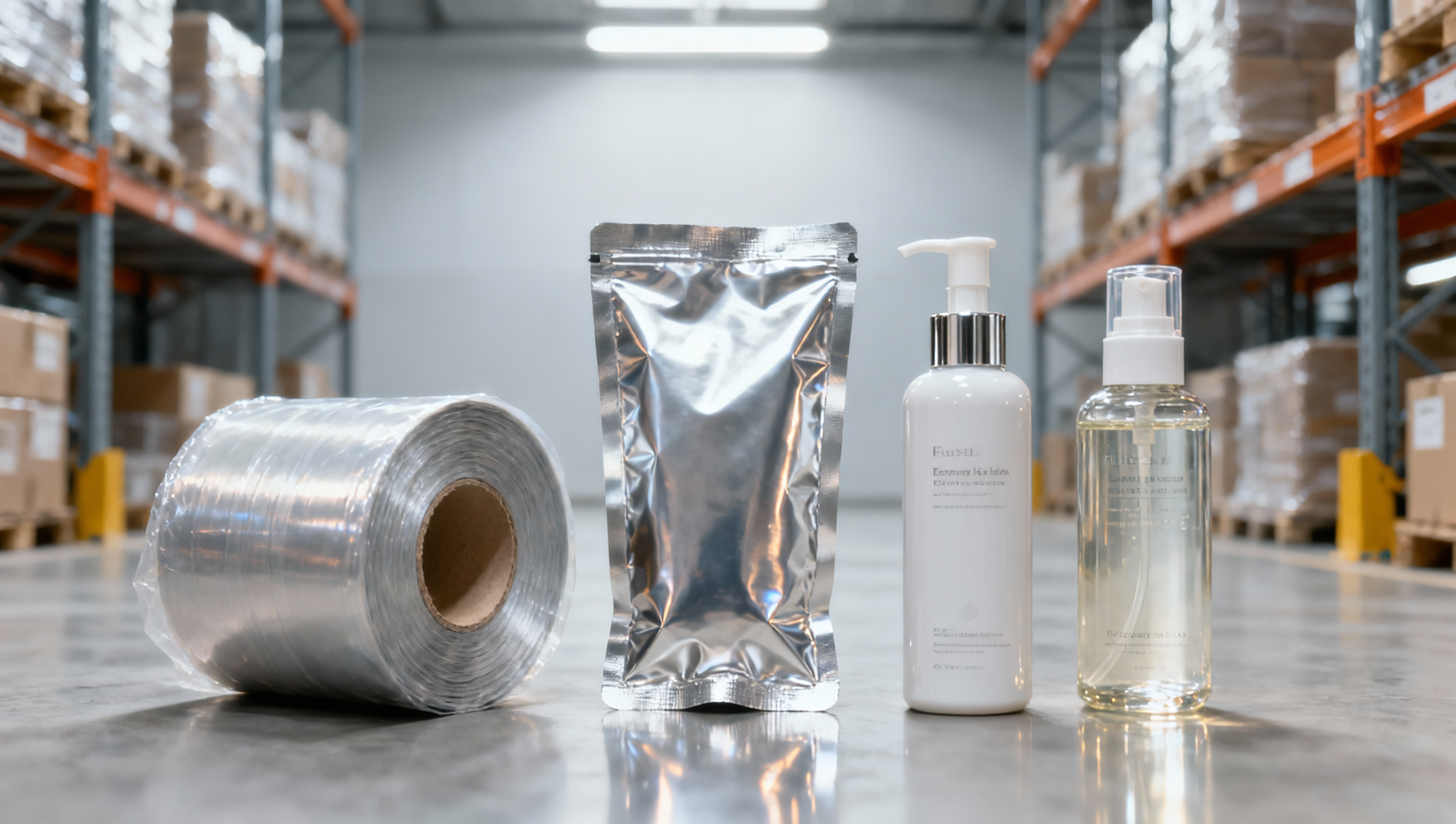
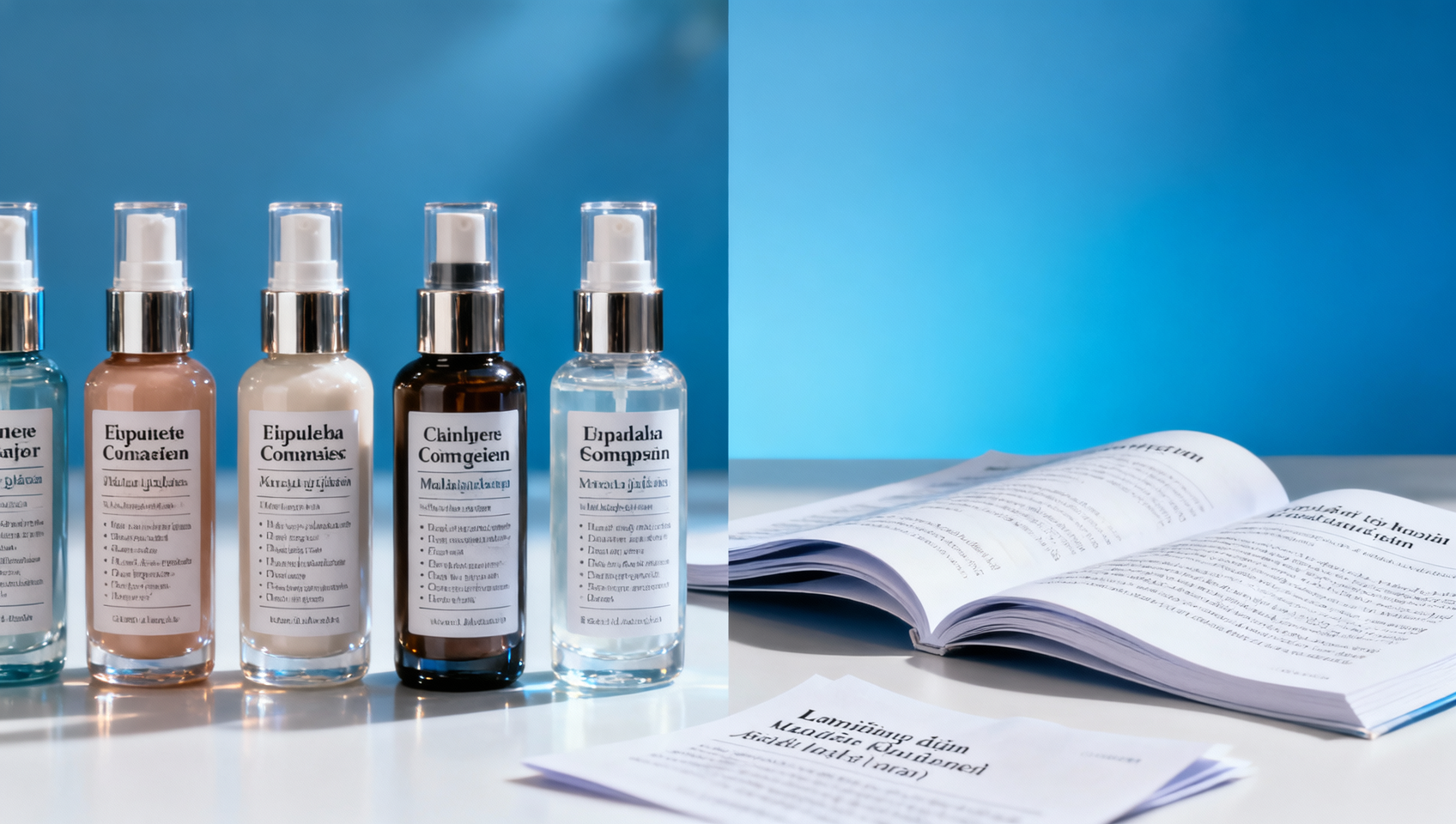
Starting April 1, 2026, Malaysia will enforce new regulations requiring all imported cosmetics to display full ingredient lists, efficacy claims, and warnings in Malay on both outer packaging and inserts, replacing English-only labels. This move aligns with similar legislative trends in Vietnam and Thailand, compelling Chinese exporters to urgently seek localization services and bilingual packaging compliance reviews. The policy directly impacts cross-border trade, supply chain logistics, and regulatory compliance sectors.
Event Overview
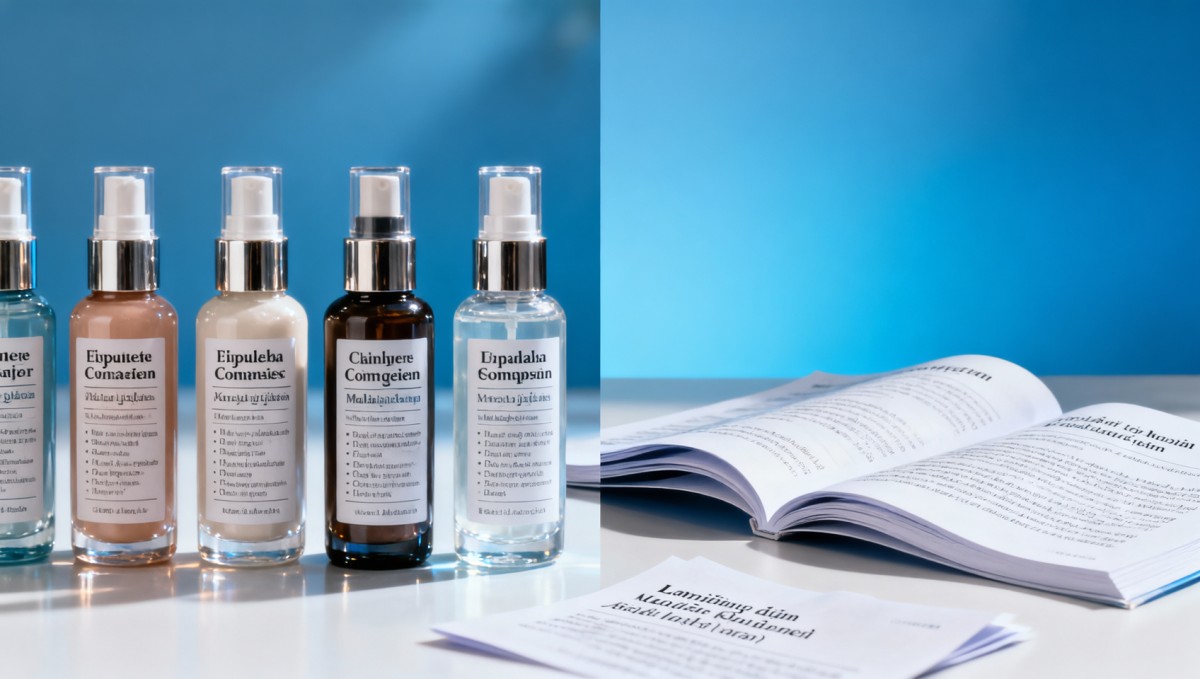
Malaysia's Ministry of Health has confirmed that from April 1, 2026, cosmetic products must:
- List all ingredients using INCI names alongside Malay translations
- Present product claims and warnings exclusively in Malay
- Apply requirements to both primary packaging and accompanying leaflets
Vietnam and Thailand are reportedly advancing parallel regulations, though implementation timelines remain unconfirmed.
Impact on Sub-Sectors
Export Manufacturers
Companies shipping finished products to Malaysia face immediate packaging redesign costs and potential delays. Products with complex formulations (e.g., serums with 30+ ingredients) require specialized translation to avoid reformulation requests.
OEM/ODM Suppliers
Contract manufacturers serving Southeast Asian brands must now verify bilingual labeling capabilities. Multi-market SKUs may need region-specific packaging variants, increasing inventory complexity.
Logistics Providers
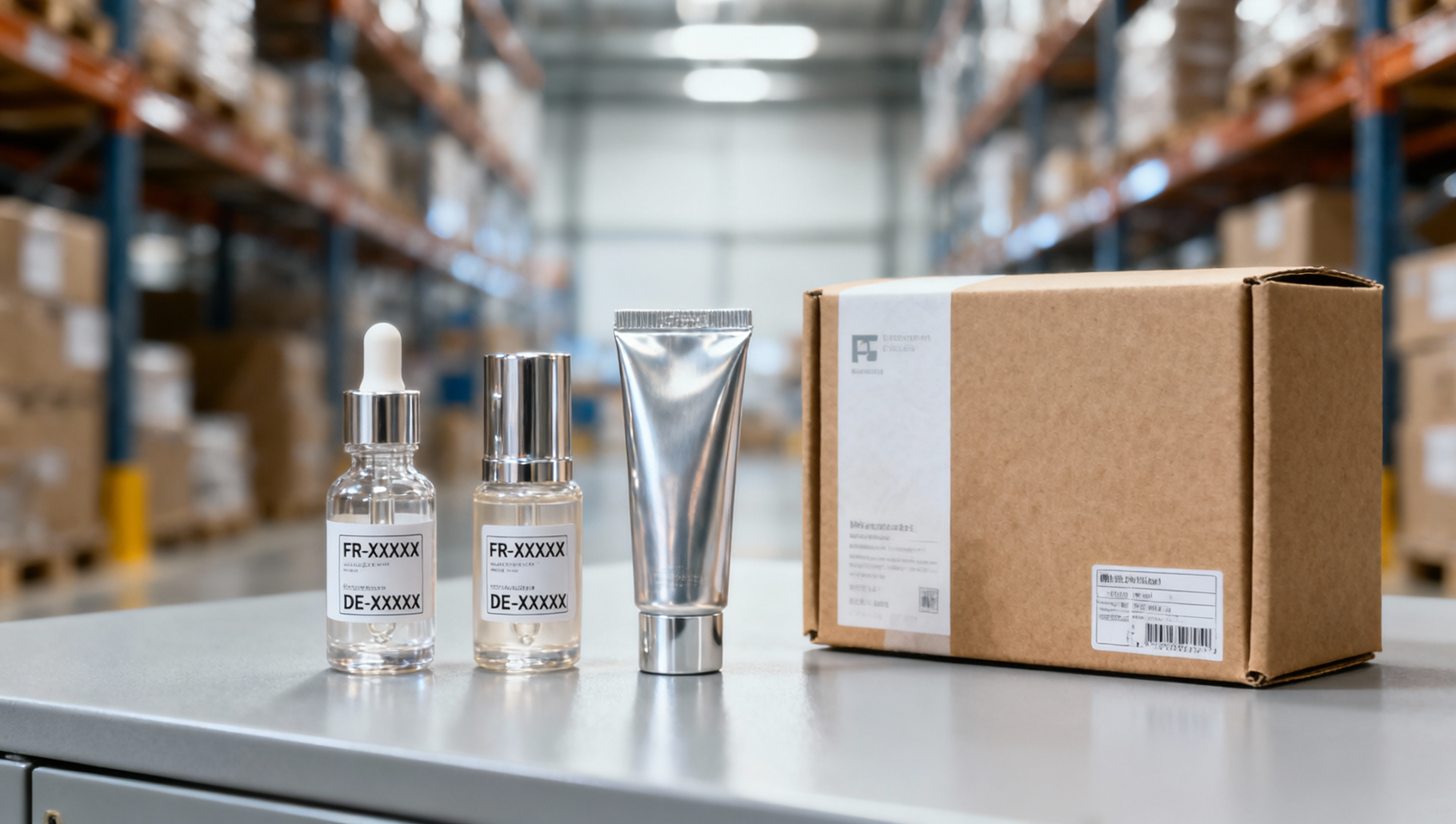
Warehouses handling Malaysia-bound cosmetics require pre-shipment label verification systems to prevent customs rejections. The 2026 deadline may trigger Q1 shipment surges as exporters clear old inventory.
Key Action Points
Prioritize High-Risk Categories
Products with medical claims or sensitive ingredients (e.g., sunscreens, anti-acne) face stricter scrutiny. Early compliance reviews for these items are advised.
Audit Supply Chain Timelines
Factor in 4-6 weeks for professional Malay translations of technical formulations. Coordinate with packaging suppliers to accommodate design changes before Q3 2025.
Monitor Regional Developments
Track Vietnam's and Thailand's draft regulations for potential harmonization opportunities. Industry associations may propose standardized ingredient translations.
Industry Perspective
Analysis suggests this represents a broader Southeast Asian shift toward linguistic sovereignty in consumer safety regulations. While Malaysia's rules are now finalized, regional variations in implementation (e.g., Thailand's potential allowance for dual-language labels) warrant close monitoring. The cosmetic industry should view this as a catalyst for developing scalable localization strategies beyond single-market adaptations.
Conclusion
Malaysia's labeling mandate signals Southeast Asia's tightening control over imported cosmetic standards. Rather than treating this as a one-off compliance task, businesses should evaluate systemic solutions for multilingual regulatory requirements across emerging markets. The immediate focus should be securing accredited translation resources and reviewing 2025 production schedules.
Sources
- Malaysia Ministry of Health announcement (verified)
- Industry reports on Vietnam/Thailand legislative progress (ongoing monitoring required)
Related Intelligence
 Cosmetics & PkgApr 22, 2026SAMR Penalizes 7 Platforms for 'Ghost Kitchen' Packaging ViolationsSAMR penalizes 7 platforms for 'ghost kitchen' packaging violations—critical for food-grade packaging OEMs, suppliers & procurement teams. Act now.
 Camping & WaterApr 22, 2026RCEP Camping Water Bags: Indonesia Cuts Tariff, Sets TPU+Aluminum SpecRCEP Camping Water Bags: Indonesia cuts tariff to 3.4% & mandates TPU+aluminum spec—key opportunity for exporters, TPU suppliers & converters in ASEAN-China supply chains.
 Corporate & Seasonal GiftsApr 22, 2026TÜV Green Packaging LCA Threshold Effective Apr 2026TÜV Green Packaging LCA Threshold takes effect Apr 2026 — mandatory carbon heatmaps & ISO-compliant LCAs for holiday, wedding &文创 packaging. Act now to meet EU tender requirements.
 Beauty DevicesApr 22, 2026Global Li-Battery Recycling Rate Hits 62%: Beauty Device BOM Cost Down 9%Li-battery recycling hits 62% globally—driving 9% BOM cost cuts for beauty devices. Discover how recycled LFP/NCM cells slash lead times & boost margins.
 Nursery Furniture & MonitorsApr 22, 2026Canton Fair Phase III: Infant Monitor Inquiries Surge, EN60601-1-12 Certification Critical for Middle EastEN60601-1-12 certification is now critical for infant monitors targeting the Middle East — Canton Fair Phase III reveals surging buyer demand from UAE & KSA.
 Smart Pet DevicesApr 22, 2026Vietnam Enforces ISO 13485 + Vietnamese Manual for Smart Pet CollarsISO 13485 + Vietnamese manual now mandatory for smart pet collars entering Vietnam — avoid import delays. Learn compliance essentials for Class IIa medical device classification.
 Infant Feeding & CareApr 22, 2026JETRO Spring Sourcing: Silicone Baby Feeding Items Must Link to BlockchainSilicone baby feeding items must link to blockchain for JETRO Spring Sourcing — avoid 11-day delays & 100% inspections. Act now to ensure compliance.
 STEM & Educational ToysApr 22, 2026SASO Launches 24-Hour AI STEM Toy Certification in Saudi ArabiaSASO's 24-hour AI STEM toy certification now live in Saudi Arabia — fast-track CoC for robotics, voice/vision learning toys meeting GB/T 34667-2025 & IEC 62368-1.
 Cosmetics & PkgApr 22, 2026EU EPR Dual-Country Registration Effective for Beauty PackagingEU EPR dual-country registration is now mandatory for beauty packaging exporters—secure France & Germany compliance before April 22, 2026 to avoid delisting and customs delays.
 Cosmetics & PkgApr 22, 2026FDA Requires Independent VCRP Registration for Cosmetic Packaging as of Apr 21, 2026FDA requires independent VCRP registration for cosmetic packaging by Apr 21, 2026—essential for U.S. importers, Chinese suppliers & OEMs. Act now to avoid delays.
 Cosmetics & PkgApr 21, 2026SAMR Penalizes 7 Platforms for 'Ghost Kitchen' Packaging ViolationsSAMR penalizes 7 platforms for 'ghost kitchen' packaging violations—key alert for food packaging exporters, converters & brands on licensing compliance.
 Cosmetics & PkgApr 21, 2026EU EPR Dual-Country Registration Effective for Beauty PackagingEU EPR Dual-Country Registration is now live for beauty packaging in France & Germany — act now to avoid shipment delays, fees, and customs holds.
 Cosmetics & PkgApr 21, 2026FDA MoCRA Rule: Cosmetic Packaging Must File Separate VCRPFDA MoCRA Rule requires cosmetic packaging—vacuum bottles, pumps, tubes—to file separate VCRP registration by April 17, 2026. Stay compliant & avoid shipment delays!