China's Trendy Toy Exports Hit $67.69B in 2025, IP Compliance Key for EU/US Buyers
Introduction
According to the 2026 China Toys and Juvenile Products Industry Development White Paper released by the China Toy and Juvenile Products Association on March 31, 2026, China's trendy and collectible toy exports reached ¥67.69 billion ($9.5B) in 2025, marking a 45.4% year-on-year growth. With 38% of production exported primarily to the US, UK, Germany, Saudi Arabia, and UAE, the report highlights that 56.8% of overseas buyers now prioritize IP authorization chain compliance during factory audits. This development critically impacts toy manufacturers, IP licensors, and export-oriented supply chains, signaling a shift in global procurement standards.
Event Overview
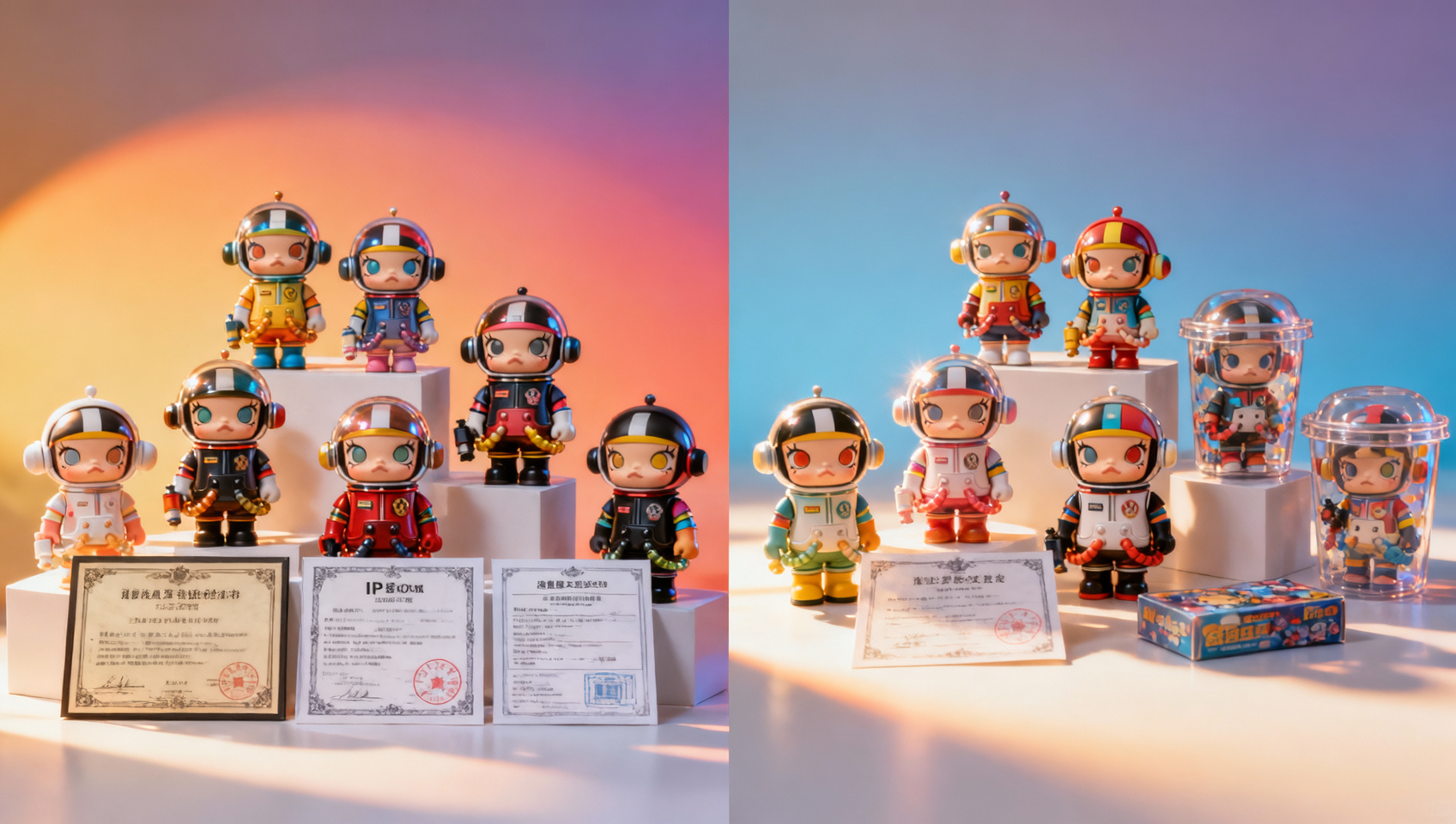
The white paper confirms that China's domestic trendy toy market achieved ¥67.69 billion in retail sales during 2025, with export revenue accounting for 38% of total production. Key export markets include North America (32%), Western Europe (28%), and the Middle East (19%). Notably, the document emphasizes that over half of international buyers now require documented proof of three-tier IP authorization: original licensing certificates, sub-licensing records, and regional exclusivity agreements.
Impact on Sub-Sectors
1. OEM Manufacturers
Contract producers face immediate operational challenges, as major Western retailers now systematically exclude factories lacking complete IP documentation from supplier lists. The loss of Walmart/Target-tier clients could reduce order volumes by 40-60% for non-compliant facilities.
2. IP Licensing Agencies
Demand surges for verification services covering authorization chains across multiple jurisdictions. European buyers particularly require EU-specific copyright confirmations beyond China-origin certificates.
3. Export Trading Companies
Middlemen must now audit IP compliance before shipment. The white paper notes 23% of rejected shipments in Q4 2025 involved disputed IP claims, causing average 14-day customs delays.
Actionable Insights
Prioritize IP Portfolio Review
Manufacturers should immediately verify all active licenses against the white paper's criteria: original certificates (Chinese and English versions), sub-licensee registrations, and territory-specific exclusivity clauses.
Restructure Compliance Workflows
Forward-looking factories are embedding IP auditors in procurement teams to validate material-level copyrights, especially for anime/entertainment-derived designs.
Diversify Certification Partners
Engage law firms with US/EU copyright specializations to supplement domestic IP documentation, addressing 68% of buyers' concerns about China-only authorization validity.
Industry Perspective
This shift reflects broader enforcement of the EU Digital Single Market Copyright Directive and US SHOP SAFE Act provisions. While currently affecting toy exports, analysts observe similar IP scrutiny expanding to apparel and home goods sectors. The 56.8% compliance emphasis suggests this is now baseline market entry criteria rather than competitive differentiation.
Conclusion
The white paper data confirms IP compliance has transitioned from best practice to mandatory requirement for China's toy exporters. Enterprises should interpret this as structural market evolution requiring systematic supply chain upgrades, not temporary trade friction.
Sources
- 2026 China Toys and Juvenile Products Industry Development White Paper (CTJPA, March 31, 2026)
- Data reflects 2025 calendar year performance
Related Intelligence
 Cosmetics & PkgApr 22, 2026SAMR Penalizes 7 Platforms for 'Ghost Kitchen' Packaging ViolationsSAMR penalizes 7 platforms for 'ghost kitchen' packaging violations—critical for food-grade packaging OEMs, suppliers & procurement teams. Act now.
 Camping & WaterApr 22, 2026RCEP Camping Water Bags: Indonesia Cuts Tariff, Sets TPU+Aluminum SpecRCEP Camping Water Bags: Indonesia cuts tariff to 3.4% & mandates TPU+aluminum spec—key opportunity for exporters, TPU suppliers & converters in ASEAN-China supply chains.
 Corporate & Seasonal GiftsApr 22, 2026TÜV Green Packaging LCA Threshold Effective Apr 2026TÜV Green Packaging LCA Threshold takes effect Apr 2026 — mandatory carbon heatmaps & ISO-compliant LCAs for holiday, wedding &文创 packaging. Act now to meet EU tender requirements.
 Beauty DevicesApr 22, 2026Global Li-Battery Recycling Rate Hits 62%: Beauty Device BOM Cost Down 9%Li-battery recycling hits 62% globally—driving 9% BOM cost cuts for beauty devices. Discover how recycled LFP/NCM cells slash lead times & boost margins.
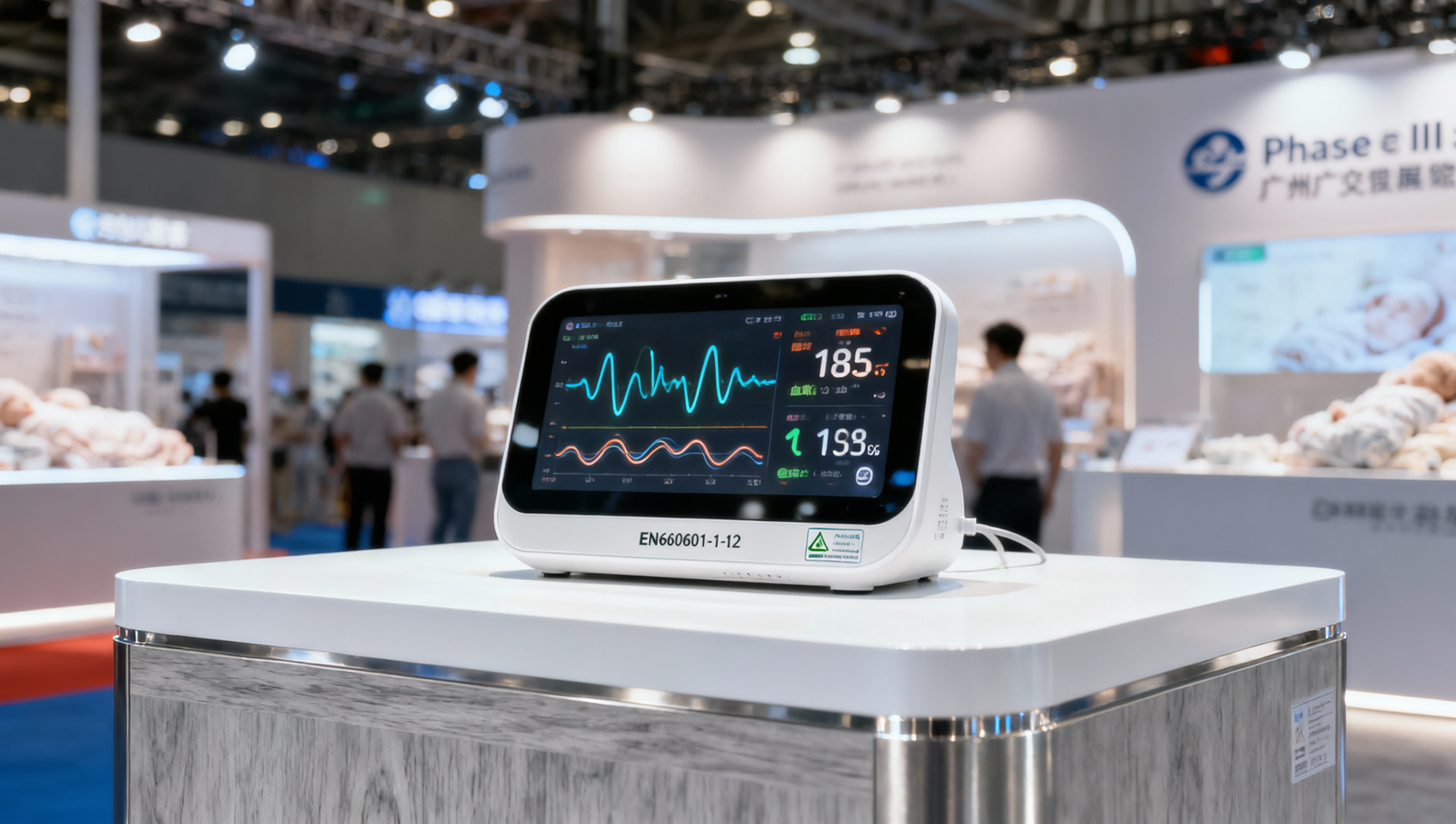
 Nursery Furniture & MonitorsApr 22, 2026Canton Fair Phase III: Infant Monitor Inquiries Surge, EN60601-1-12 Certification Critical for Middle EastEN60601-1-12 certification is now critical for infant monitors targeting the Middle East — Canton Fair Phase III reveals surging buyer demand from UAE & KSA.
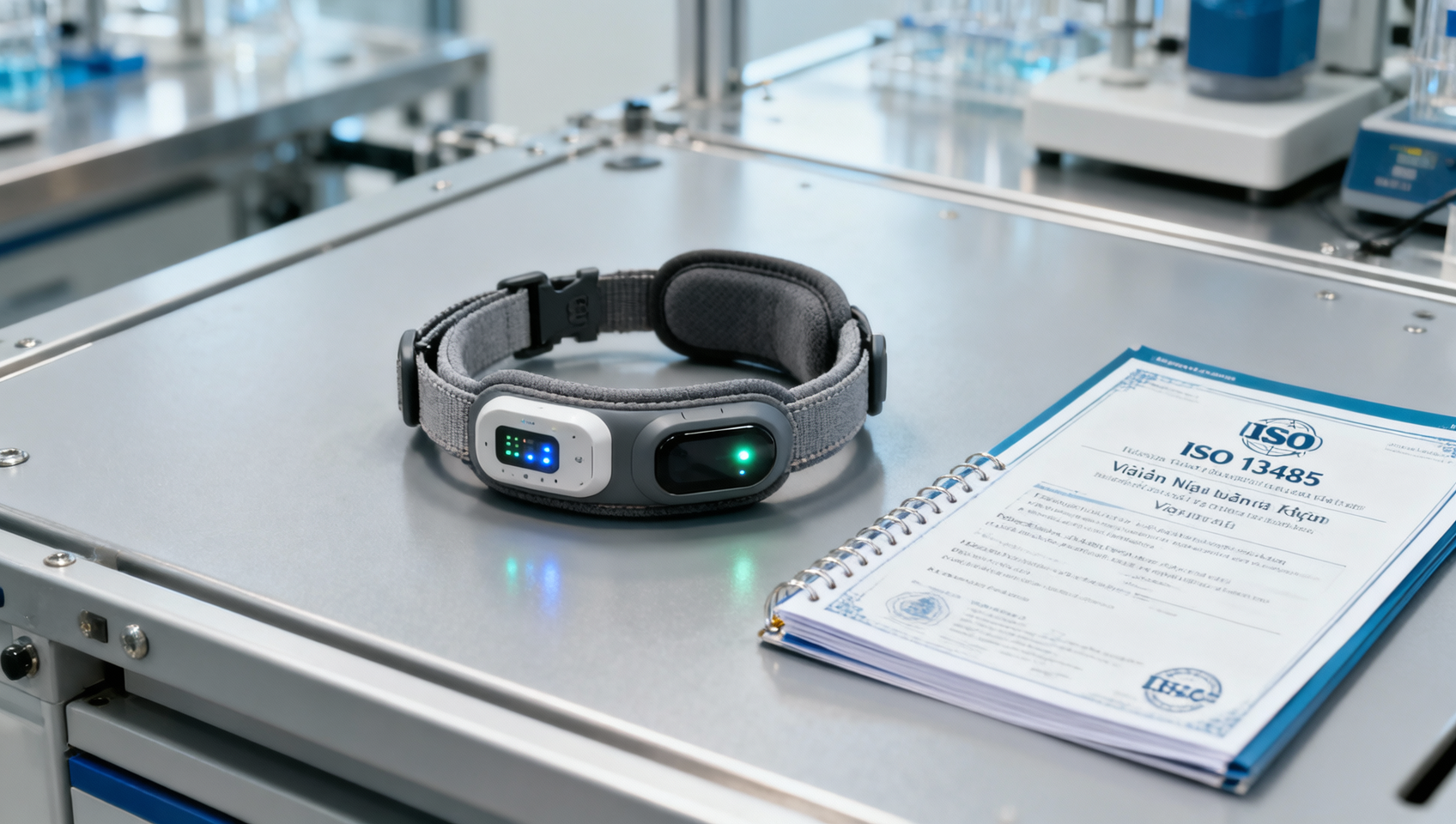
 Smart Pet DevicesApr 22, 2026Vietnam Enforces ISO 13485 + Vietnamese Manual for Smart Pet CollarsISO 13485 + Vietnamese manual now mandatory for smart pet collars entering Vietnam — avoid import delays. Learn compliance essentials for Class IIa medical device classification.
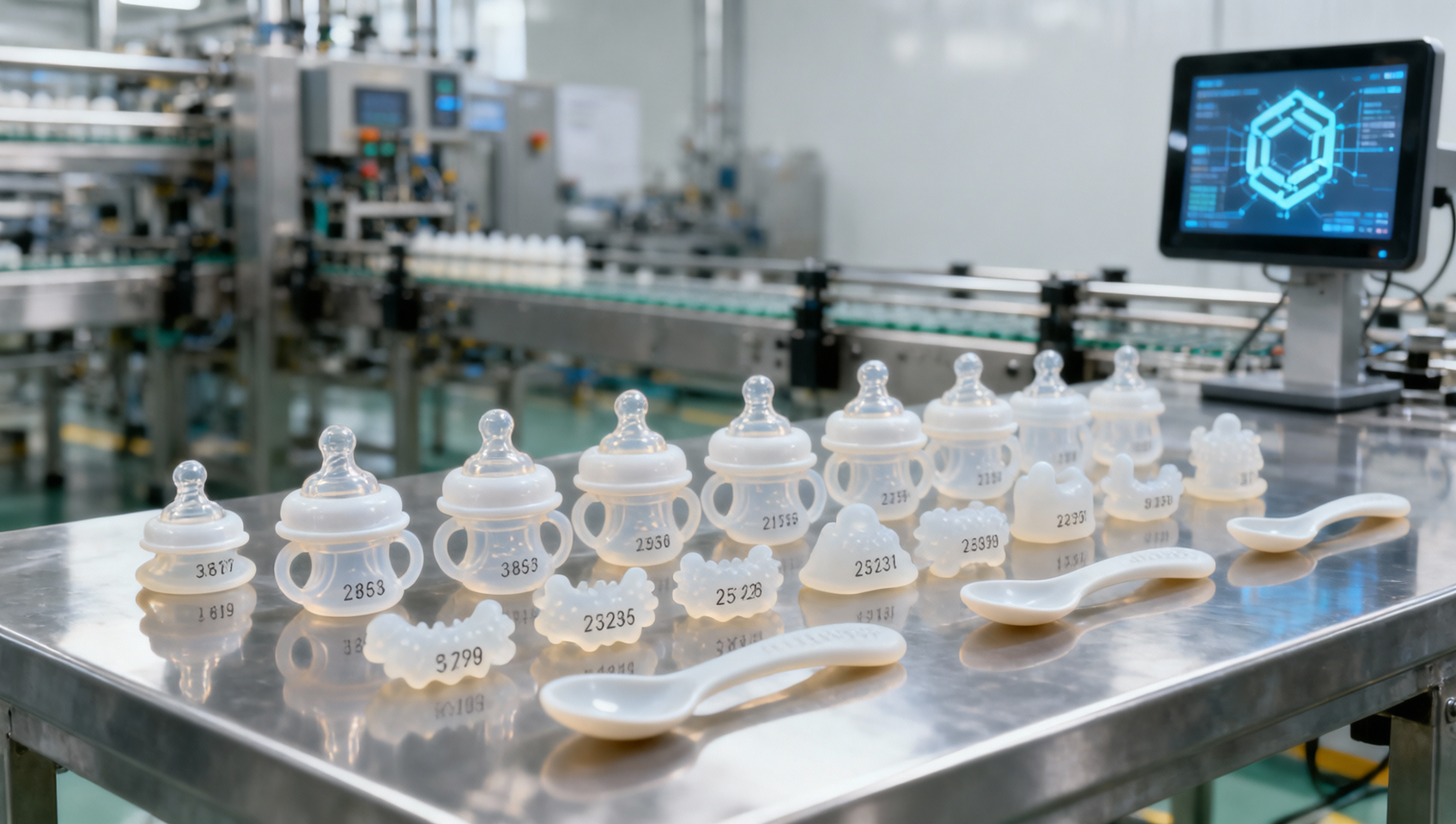
 Infant Feeding & CareApr 22, 2026JETRO Spring Sourcing: Silicone Baby Feeding Items Must Link to BlockchainSilicone baby feeding items must link to blockchain for JETRO Spring Sourcing — avoid 11-day delays & 100% inspections. Act now to ensure compliance.
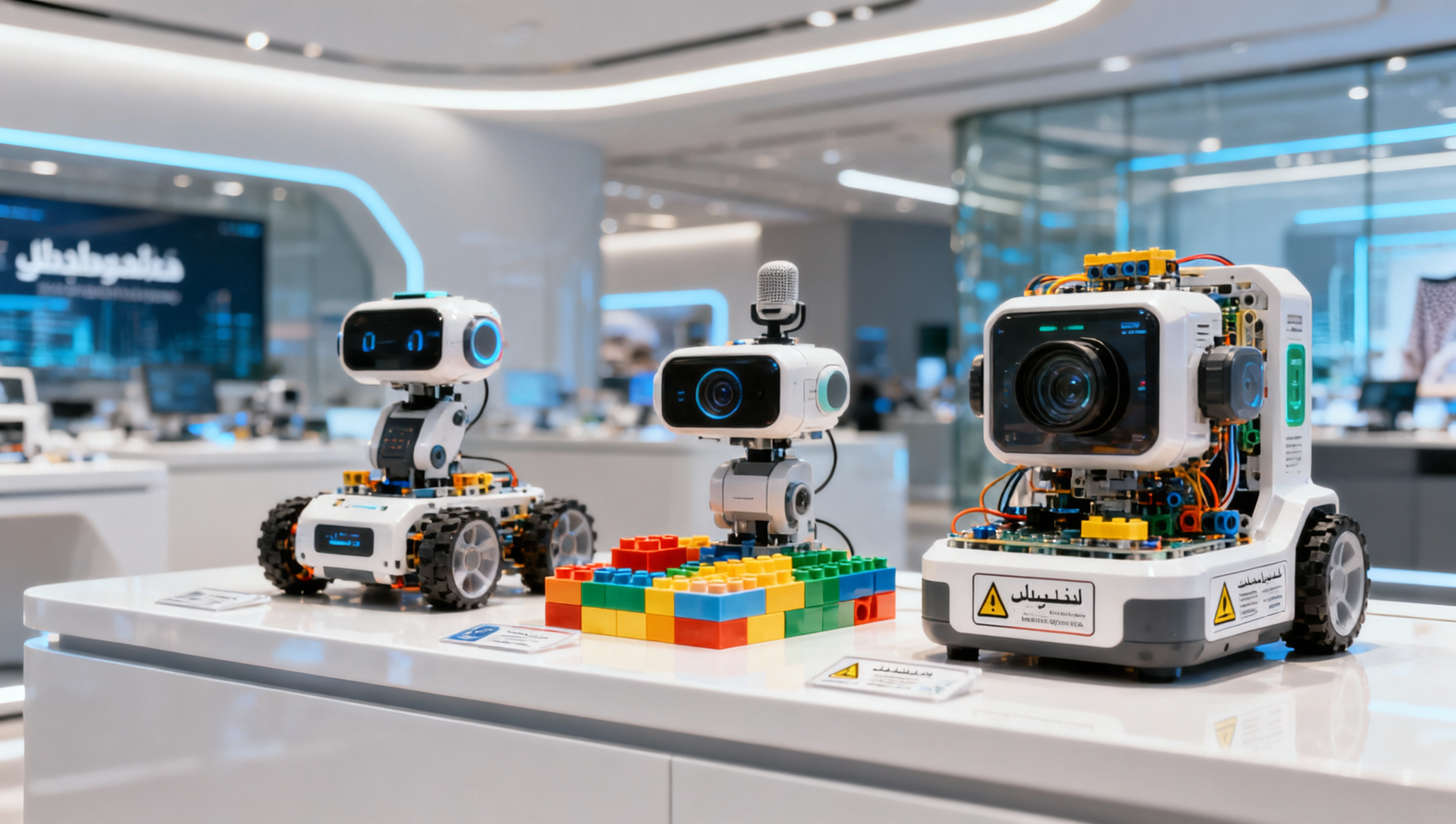
 STEM & Educational ToysApr 22, 2026SASO Launches 24-Hour AI STEM Toy Certification in Saudi ArabiaSASO's 24-hour AI STEM toy certification now live in Saudi Arabia — fast-track CoC for robotics, voice/vision learning toys meeting GB/T 34667-2025 & IEC 62368-1.
 Cosmetics & PkgApr 22, 2026EU EPR Dual-Country Registration Effective for Beauty PackagingEU EPR dual-country registration is now mandatory for beauty packaging exporters—secure France & Germany compliance before April 22, 2026 to avoid delisting and customs delays.
 Cosmetics & PkgApr 22, 2026FDA Requires Independent VCRP Registration for Cosmetic Packaging as of Apr 21, 2026FDA requires independent VCRP registration for cosmetic packaging by Apr 21, 2026—essential for U.S. importers, Chinese suppliers & OEMs. Act now to avoid delays.
 Cosmetics & PkgApr 21, 2026SAMR Penalizes 7 Platforms for 'Ghost Kitchen' Packaging ViolationsSAMR penalizes 7 platforms for 'ghost kitchen' packaging violations—key alert for food packaging exporters, converters & brands on licensing compliance.
 Cosmetics & PkgApr 21, 2026EU EPR Dual-Country Registration Effective for Beauty PackagingEU EPR Dual-Country Registration is now live for beauty packaging in France & Germany — act now to avoid shipment delays, fees, and customs holds.
 Cosmetics & PkgApr 21, 2026FDA MoCRA Rule: Cosmetic Packaging Must File Separate VCRPFDA MoCRA Rule requires cosmetic packaging—vacuum bottles, pumps, tubes—to file separate VCRP registration by April 17, 2026. Stay compliant & avoid shipment delays!