2026 Shenzhen Toy Fair to Feature AI Toys Zone in Hall 11, Showcasing 100+ AI Products
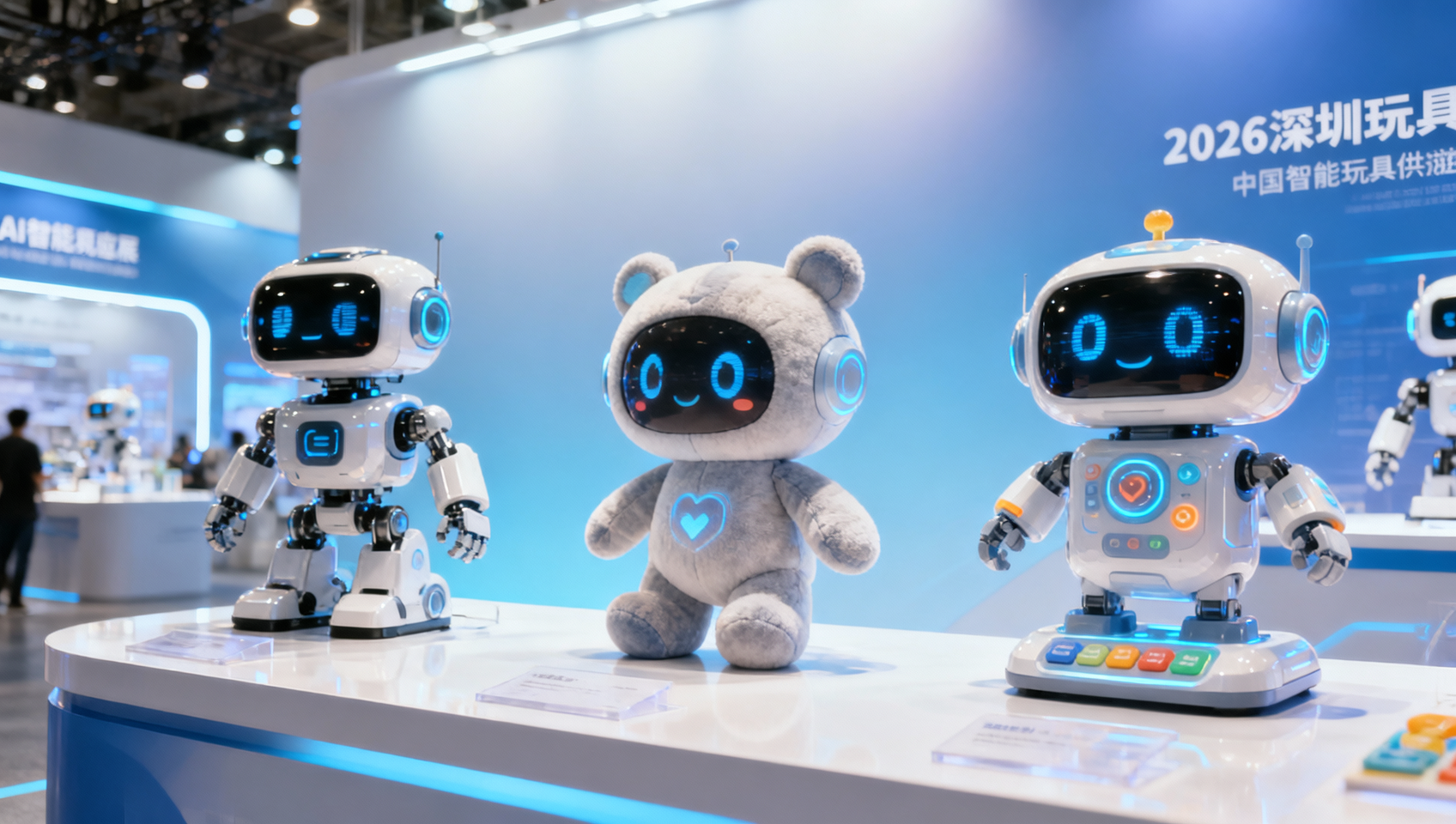
2026 Shenzhen Toy Fair to Feature AI Toys Zone in Hall 11, Showcasing 100+ AI Products
Introduction
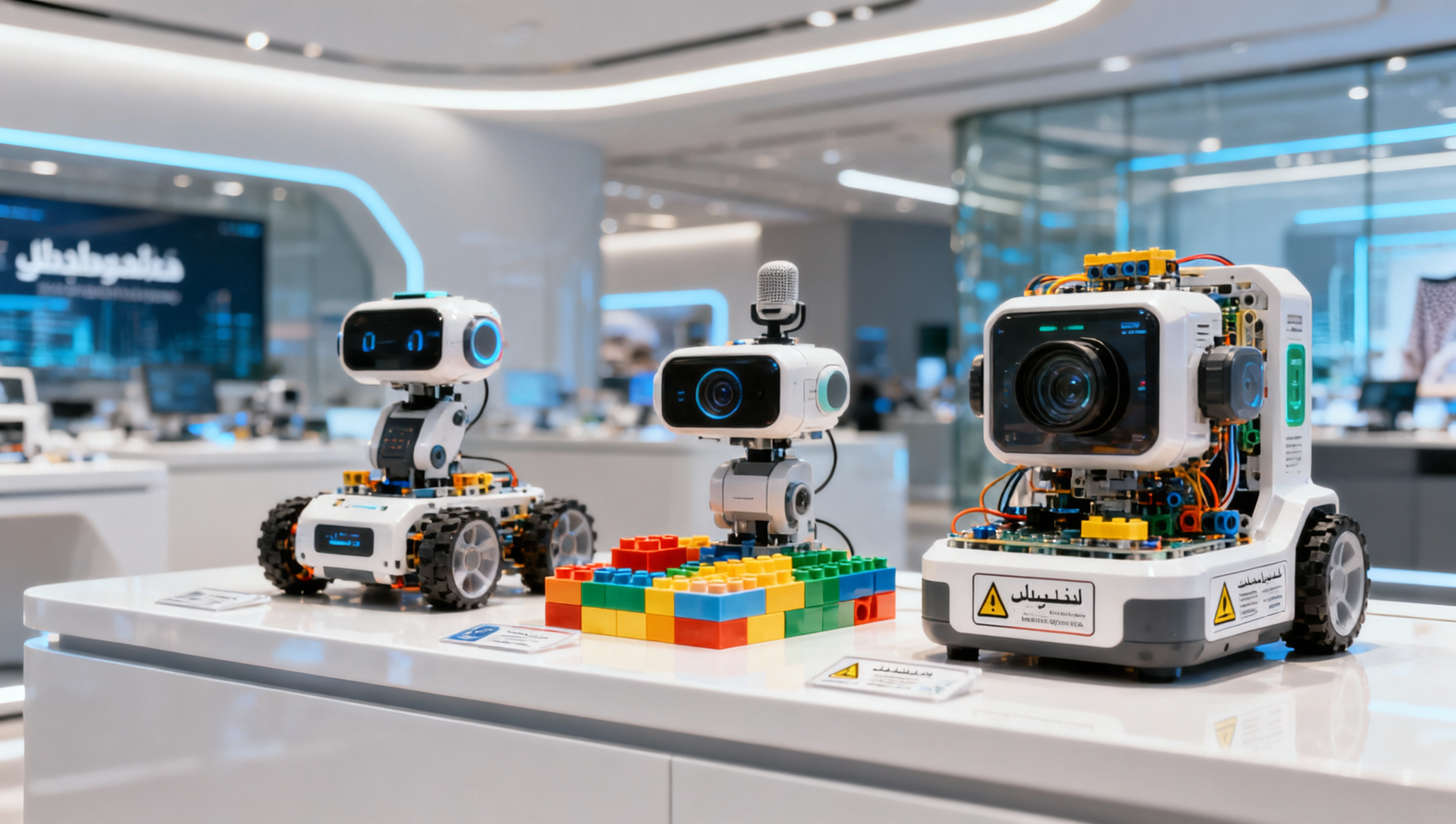
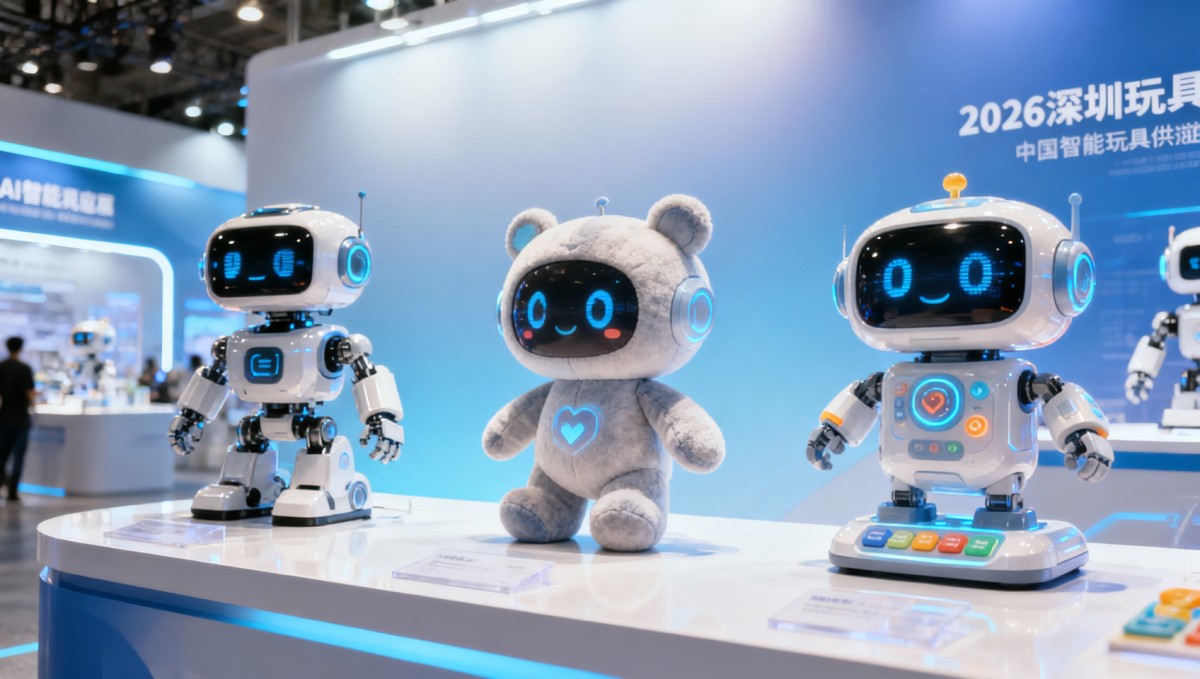
The 38th Shenzhen Toy Fair, scheduled for April 9–11, 2026, will debut a dedicated AI Smart Toys Zone in Hall 11, spanning 1,000 square meters. Leading companies like Ubtech, Youdu, and iFlytek ecosystem partners will showcase over 100 AI-powered toys featuring multilingual interaction, emotion recognition, and educational path planning. This development highlights China's growing capability to transition AI toy prototypes into mass production, offering global buyers a clear window to assess the maturity of China's smart toy supply chain. Industries such as toy manufacturing, AI technology, and global trade should take note, as this event signals advancements in AI integration and supply chain readiness.
Event Overview
The 2026 Shenzhen Toy Fair will introduce its first AI Smart Toys Zone in Hall 11, featuring exhibitors like Ubtech, Youdu, and iFlytek-affiliated companies. The zone will display AI toys with advanced functionalities, including real-time language processing and adaptive learning. The event underscores China's progress in moving from algorithmic prototypes to scalable production, providing international buyers with insights into the country's smart toy manufacturing capabilities.
Impact on Sub-Industries
Direct Trade Enterprises
International buyers and distributors will gain firsthand exposure to China's latest AI toy innovations, enabling them to evaluate product quality and supply chain reliability. This could influence sourcing decisions and partnership formations.
Manufacturing and OEMs
Companies involved in toy production may need to adapt to the increasing demand for AI-integrated products, potentially requiring upgrades in production lines or collaborations with tech providers.
Technology Providers
AI and IoT firms specializing in toy applications could see heightened interest from manufacturers seeking to embed advanced features like emotion recognition or multilingual support into their products.
Key Focus Areas and Recommendations
Monitor Emerging Product Trends
Businesses should track which AI functionalities (e.g., emotion recognition, adaptive learning) gain traction among buyers, as these may dictate future market demands.
Assess Supply Chain Readiness
Manufacturers and suppliers should evaluate their capacity to meet potential surges in orders for AI-enabled toys, ensuring scalability without compromising quality.
Engage with Tech Partners Early
Companies lacking in-house AI expertise should explore collaborations with tech firms to stay competitive, particularly in areas like natural language processing and machine learning.
Editor's Perspective
From an industry standpoint, the establishment of a dedicated AI zone at the Shenzhen Toy Fair reflects China's strategic push to dominate the smart toy market. While this is a significant signal of progress, its long-term impact will depend on how quickly these innovations translate into commercial success and global adoption. Stakeholders should view this as both an opportunity and a prompt to align their strategies with evolving technological trends.
Conclusion
The 2026 Shenzhen Toy Fair's AI Smart Toys Zone marks a pivotal moment for the toy industry, showcasing China's advancements in merging AI with play. For global buyers and manufacturers, this event serves as a critical checkpoint to gauge supply chain maturity and product innovation. Rather than a standalone development, it should be seen as part of a broader shift toward intelligent, interactive toys—a trend that demands proactive adaptation from all industry players.
Source Information
Primary source: Official announcement for the 38th Shenzhen Toy Fair (2026-04-09). Ongoing updates may be tracked through the event's official channels.
Related Intelligence
 Cosmetics & PkgApr 22, 2026SAMR Penalizes 7 Platforms for 'Ghost Kitchen' Packaging ViolationsSAMR penalizes 7 platforms for 'ghost kitchen' packaging violations—critical for food-grade packaging OEMs, suppliers & procurement teams. Act now.
 Camping & WaterApr 22, 2026RCEP Camping Water Bags: Indonesia Cuts Tariff, Sets TPU+Aluminum SpecRCEP Camping Water Bags: Indonesia cuts tariff to 3.4% & mandates TPU+aluminum spec—key opportunity for exporters, TPU suppliers & converters in ASEAN-China supply chains.
 Corporate & Seasonal GiftsApr 22, 2026TÜV Green Packaging LCA Threshold Effective Apr 2026TÜV Green Packaging LCA Threshold takes effect Apr 2026 — mandatory carbon heatmaps & ISO-compliant LCAs for holiday, wedding &文创 packaging. Act now to meet EU tender requirements.
 Beauty DevicesApr 22, 2026Global Li-Battery Recycling Rate Hits 62%: Beauty Device BOM Cost Down 9%Li-battery recycling hits 62% globally—driving 9% BOM cost cuts for beauty devices. Discover how recycled LFP/NCM cells slash lead times & boost margins.
 Nursery Furniture & MonitorsApr 22, 2026Canton Fair Phase III: Infant Monitor Inquiries Surge, EN60601-1-12 Certification Critical for Middle EastEN60601-1-12 certification is now critical for infant monitors targeting the Middle East — Canton Fair Phase III reveals surging buyer demand from UAE & KSA.
 Smart Pet DevicesApr 22, 2026Vietnam Enforces ISO 13485 + Vietnamese Manual for Smart Pet CollarsISO 13485 + Vietnamese manual now mandatory for smart pet collars entering Vietnam — avoid import delays. Learn compliance essentials for Class IIa medical device classification.
 Infant Feeding & CareApr 22, 2026JETRO Spring Sourcing: Silicone Baby Feeding Items Must Link to BlockchainSilicone baby feeding items must link to blockchain for JETRO Spring Sourcing — avoid 11-day delays & 100% inspections. Act now to ensure compliance.
 STEM & Educational ToysApr 22, 2026SASO Launches 24-Hour AI STEM Toy Certification in Saudi ArabiaSASO's 24-hour AI STEM toy certification now live in Saudi Arabia — fast-track CoC for robotics, voice/vision learning toys meeting GB/T 34667-2025 & IEC 62368-1.
 Cosmetics & PkgApr 22, 2026EU EPR Dual-Country Registration Effective for Beauty PackagingEU EPR dual-country registration is now mandatory for beauty packaging exporters—secure France & Germany compliance before April 22, 2026 to avoid delisting and customs delays.
 Cosmetics & PkgApr 22, 2026FDA Requires Independent VCRP Registration for Cosmetic Packaging as of Apr 21, 2026FDA requires independent VCRP registration for cosmetic packaging by Apr 21, 2026—essential for U.S. importers, Chinese suppliers & OEMs. Act now to avoid delays.
 Cosmetics & PkgApr 21, 2026SAMR Penalizes 7 Platforms for 'Ghost Kitchen' Packaging ViolationsSAMR penalizes 7 platforms for 'ghost kitchen' packaging violations—key alert for food packaging exporters, converters & brands on licensing compliance.
 Cosmetics & PkgApr 21, 2026EU EPR Dual-Country Registration Effective for Beauty PackagingEU EPR Dual-Country Registration is now live for beauty packaging in France & Germany — act now to avoid shipment delays, fees, and customs holds.
 Cosmetics & PkgApr 21, 2026FDA MoCRA Rule: Cosmetic Packaging Must File Separate VCRPFDA MoCRA Rule requires cosmetic packaging—vacuum bottles, pumps, tubes—to file separate VCRP registration by April 17, 2026. Stay compliant & avoid shipment delays!