Vietnam's New QCVN 15:2026 Stroller Standard: 40N Fold Force Limit, Stricter Than China's GB 14748
Vietnam's New QCVN 15:2026 Stroller Standard: 40N Fold Force Limit, Stricter Than China's GB 14748
Introduction
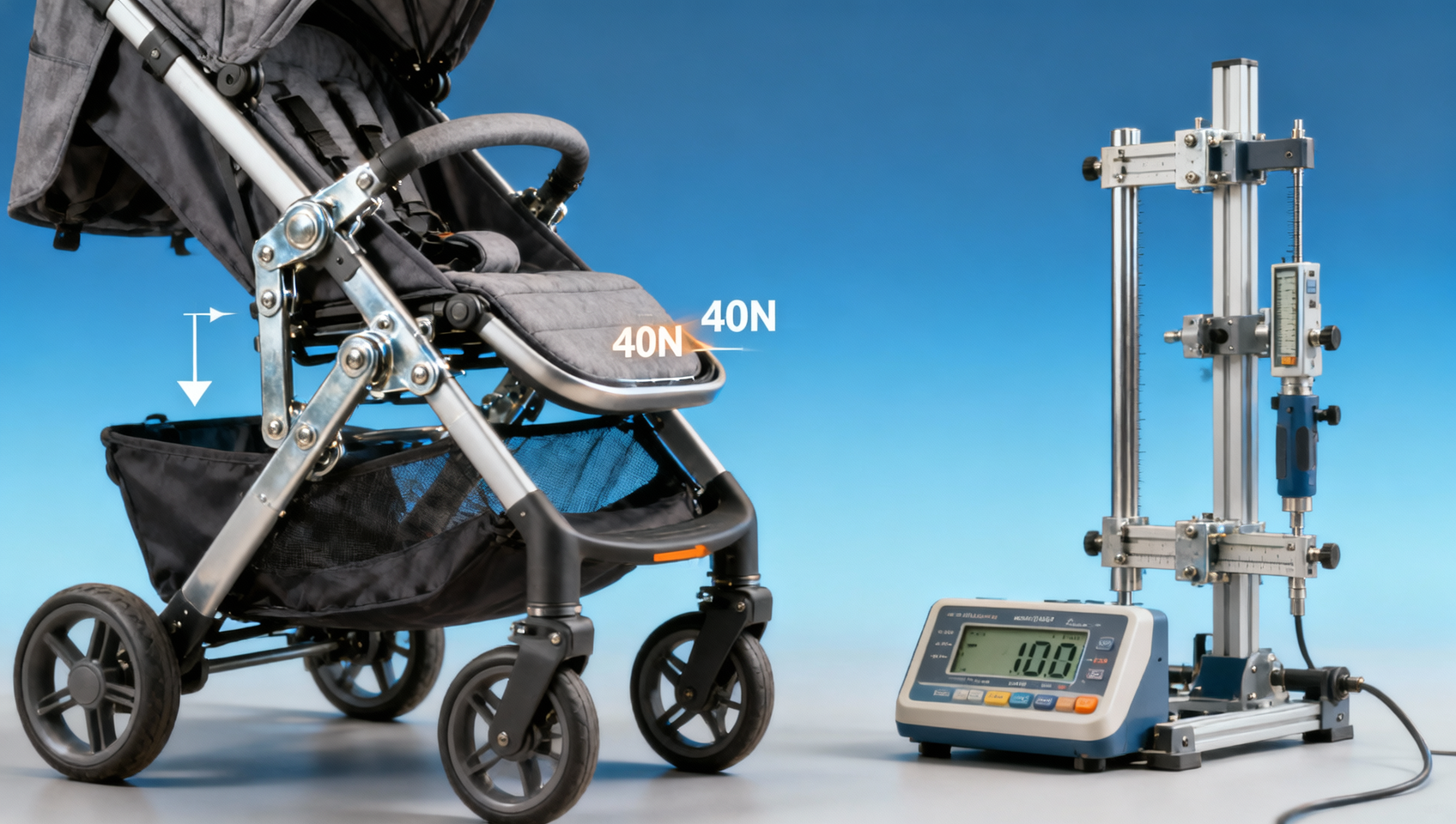
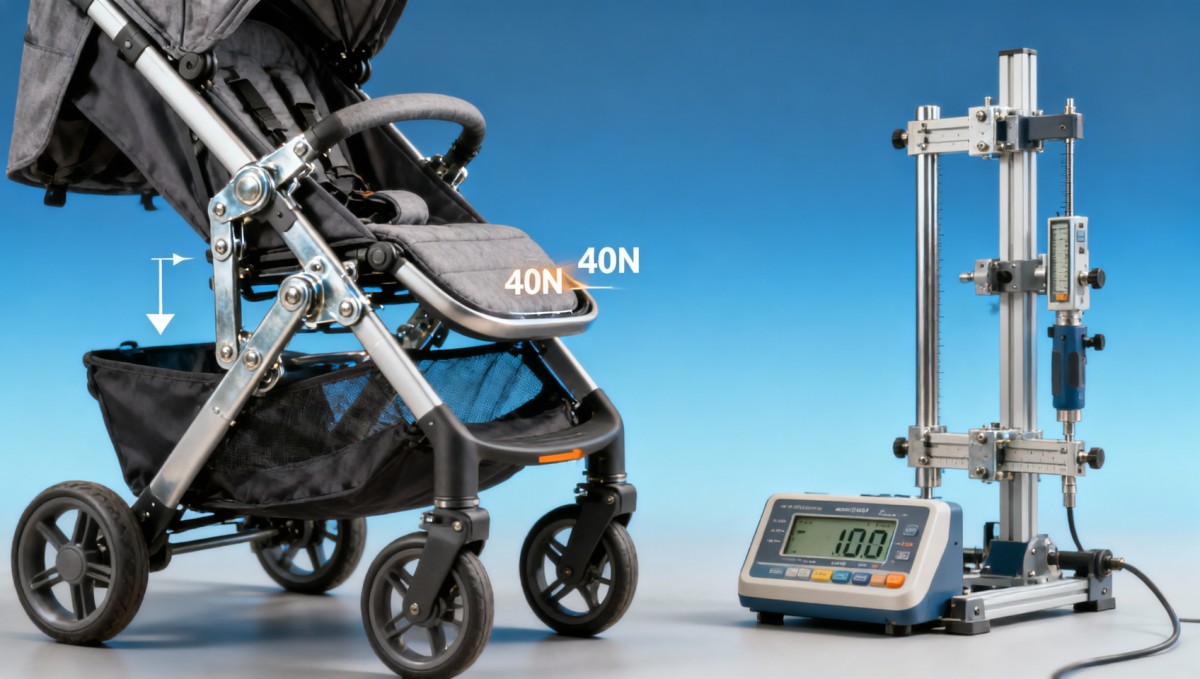
On April 4, 2026, Vietnam's Standardization, Metrology, and Quality Directorate (STAMEQ) issued the new mandatory national standard QCVN 15:2026 for children's strollers. The standard sets a maximum folding force limit of 40N, 33% stricter than China's GB 14748 standard (60N), and introduces a new 'one-hand folding durability' test. Effective October 1, 2026, this regulation will significantly impact the design and export inspection processes for Chinese stroller manufacturers targeting the Vietnamese market. Industries involved in stroller manufacturing, export, and supply chain management should closely monitor these changes to ensure compliance and maintain market access.
Event Overview
The QCVN 15:2026 standard, announced by STAMEQ on April 4, 2026, introduces stricter requirements for children's strollers, particularly in folding mechanisms. Key changes include:
- A maximum folding force limit of 40N (compared to China's 60N)
- New 'one-hand folding durability' testing requirement
- Mandatory implementation starting October 1, 2026
These changes will require manufacturers to redesign products and adjust quality control processes to meet the new Vietnamese requirements.
Impact on Specific Industries
Direct Export Businesses
Chinese stroller exporters to Vietnam will need to immediately review their product designs and testing protocols. The stricter force requirement may necessitate material changes or mechanical redesigns, potentially increasing production costs. Exporters should prioritize compliance verification before the October 2026 deadline to avoid shipment rejections.
Manufacturing and Assembly Plants
Production facilities serving the Vietnamese market must adapt their manufacturing processes. The 40N limit may require:
- Different hinge mechanisms
- Alternative materials for folding components
- Additional quality control checkpoints
Production lines may need retooling, and workers may require retraining on the new standards.
Supply Chain and Component Suppliers
Suppliers of folding mechanisms, locks, and related components must verify their products meet the new force requirements. This could lead to:
- Redesign of existing components
- New material specifications
- Revised testing procedures
Upstream suppliers should proactively communicate with manufacturers about compliance capabilities.
Key Focus Areas and Recommended Actions
Immediate Compliance Assessment
Businesses should:
- Conduct product testing against QCVN 15:2026 requirements
- Identify necessary design modifications
- Estimate cost implications of compliance changes
Supply Chain Coordination
Manufacturers should:
- Engage component suppliers early in redesign process
- Verify supplier capabilities to meet new standards
- Consider alternative sourcing options if needed
Certification and Documentation
Companies must:
- Update technical documentation
- Prepare for new certification processes
- Ensure testing labs are equipped for new requirements
Market Strategy Review
Businesses should:
- Evaluate cost/benefit of maintaining Vietnamese market presence
- Consider product segmentation strategies
- Monitor competitor responses to the new standards
Editor's Perspective
From an industry viewpoint, Vietnam's move represents a growing trend of markets implementing stricter safety standards than international benchmarks. The 33% reduction from China's GB 14748 suggests:
- Vietnam prioritizing child safety in product regulations
- Potential for other Southeast Asian markets to follow suit
- Increasing technical barriers in emerging markets
While currently specific to strollers, this could signal broader changes in children's product regulations across the region. The industry should view this not just as a compliance challenge, but as an opportunity to innovate in product safety and ergonomics.
Conclusion
Vietnam's QCVN 15:2026 stroller standard presents both challenges and opportunities for the children's products industry. The stricter folding force requirements and new durability tests will require significant adjustments from manufacturers and exporters, particularly those serving the Vietnamese market from China. Businesses should approach this change proactively, using it as a catalyst for product improvement rather than merely a compliance hurdle. As implementation deadlines approach, companies that quickly adapt to these requirements may gain competitive advantage in Vietnam's growing consumer market.
Source Information
Primary source: Vietnam Standardization, Metrology and Quality Directorate (STAMEQ) official announcement, April 4, 2026.
Additional reference: Comparative analysis with China GB 14748-2006 standard.
Note: The full text of QCVN 15:2026 and implementation guidelines are expected to be released in coming months, warranting continued monitoring.
Related Intelligence
 Cosmetics & PkgApr 22, 2026SAMR Penalizes 7 Platforms for 'Ghost Kitchen' Packaging ViolationsSAMR penalizes 7 platforms for 'ghost kitchen' packaging violations—critical for food-grade packaging OEMs, suppliers & procurement teams. Act now.
 Camping & WaterApr 22, 2026RCEP Camping Water Bags: Indonesia Cuts Tariff, Sets TPU+Aluminum SpecRCEP Camping Water Bags: Indonesia cuts tariff to 3.4% & mandates TPU+aluminum spec—key opportunity for exporters, TPU suppliers & converters in ASEAN-China supply chains.
 Corporate & Seasonal GiftsApr 22, 2026TÜV Green Packaging LCA Threshold Effective Apr 2026TÜV Green Packaging LCA Threshold takes effect Apr 2026 — mandatory carbon heatmaps & ISO-compliant LCAs for holiday, wedding &文创 packaging. Act now to meet EU tender requirements.
 Beauty DevicesApr 22, 2026Global Li-Battery Recycling Rate Hits 62%: Beauty Device BOM Cost Down 9%Li-battery recycling hits 62% globally—driving 9% BOM cost cuts for beauty devices. Discover how recycled LFP/NCM cells slash lead times & boost margins.
 Nursery Furniture & MonitorsApr 22, 2026Canton Fair Phase III: Infant Monitor Inquiries Surge, EN60601-1-12 Certification Critical for Middle EastEN60601-1-12 certification is now critical for infant monitors targeting the Middle East — Canton Fair Phase III reveals surging buyer demand from UAE & KSA.
 Smart Pet DevicesApr 22, 2026Vietnam Enforces ISO 13485 + Vietnamese Manual for Smart Pet CollarsISO 13485 + Vietnamese manual now mandatory for smart pet collars entering Vietnam — avoid import delays. Learn compliance essentials for Class IIa medical device classification.
 Infant Feeding & CareApr 22, 2026JETRO Spring Sourcing: Silicone Baby Feeding Items Must Link to BlockchainSilicone baby feeding items must link to blockchain for JETRO Spring Sourcing — avoid 11-day delays & 100% inspections. Act now to ensure compliance.
 STEM & Educational ToysApr 22, 2026SASO Launches 24-Hour AI STEM Toy Certification in Saudi ArabiaSASO's 24-hour AI STEM toy certification now live in Saudi Arabia — fast-track CoC for robotics, voice/vision learning toys meeting GB/T 34667-2025 & IEC 62368-1.
 Cosmetics & PkgApr 22, 2026EU EPR Dual-Country Registration Effective for Beauty PackagingEU EPR dual-country registration is now mandatory for beauty packaging exporters—secure France & Germany compliance before April 22, 2026 to avoid delisting and customs delays.
 Cosmetics & PkgApr 22, 2026FDA Requires Independent VCRP Registration for Cosmetic Packaging as of Apr 21, 2026FDA requires independent VCRP registration for cosmetic packaging by Apr 21, 2026—essential for U.S. importers, Chinese suppliers & OEMs. Act now to avoid delays.
 Cosmetics & PkgApr 21, 2026SAMR Penalizes 7 Platforms for 'Ghost Kitchen' Packaging ViolationsSAMR penalizes 7 platforms for 'ghost kitchen' packaging violations—key alert for food packaging exporters, converters & brands on licensing compliance.
 Cosmetics & PkgApr 21, 2026EU EPR Dual-Country Registration Effective for Beauty PackagingEU EPR Dual-Country Registration is now live for beauty packaging in France & Germany — act now to avoid shipment delays, fees, and customs holds.
 Cosmetics & PkgApr 21, 2026FDA MoCRA Rule: Cosmetic Packaging Must File Separate VCRPFDA MoCRA Rule requires cosmetic packaging—vacuum bottles, pumps, tubes—to file separate VCRP registration by April 17, 2026. Stay compliant & avoid shipment delays!