Canada to Ban Phthalates in Toys by 2026: 5ppm Limit to Impact PVC Exports


Lead
Health Canada announced draft amendments to the Toy Regulations on April 2, proposing a total ban on phthalates DBP, BBP, and DEHP in toys for children aged 0–14 by Q4 2026, with detection limits tightened to 5ppm (from current 0.1%). This standard exceeds EU REACH requirements and will significantly increase testing costs and material substitution pressures for PVC/soft plastic toy exporters, particularly from China.
Event Overview
The proposed regulation targets three phthalates (DBP, BBP, DEHP) commonly used as plasticizers in PVC toys. The 5ppm threshold represents a 200-fold reduction from the current 0.1% (1,000ppm) limit. Health Canada will accept public comments until June 2024, with enforcement expected to begin October 2026.
Impact on Sub-Sectors
1. PVC Toy Manufacturers
Primary impact falls on soft plastic/PVC toy producers using phthalate-based plasticizers. The 5ppm limit effectively mandates phthalate-free reformulation, requiring costly R&D and certification for alternative materials like DOTP or bio-based plasticizers.
2. Export-Oriented Supply Chains
Chinese manufacturers supplying 28% of Canada's toy imports (2022 data) face dual pressures: increased GC-MS testing costs (estimated 300% rise per batch) and potential supply chain disruptions during material transitions.
3. Compliance Testing Services
Demand for advanced phthalate detection (e.g., LC-MS/MS) will surge, but labs may struggle with capacity given the trace-level requirements and anticipated 2026 compliance rush.
Key Action Points
1. Material Transition Timeline
Brands should initiate pilot projects with non-phthalate alternatives by 2025, allowing 12–18 months for stability testing and production scaling before the 2026 deadline.
2. Cost-Benefit Analysis
Compare total reformulation costs against potential market losses. Early adopters may gain compliance branding advantages in Canada's $1.2B toy market.
3. Documentation Preparedness
Build technical dossiers proving 5ppm compliance through:
- Full material declarations (FMD)
- Supplier conformity statements
- Third-party test reports with method detection limits (MDL) ≤2ppm
Industry Perspective
This move signals Canada's alignment with California's AB 1319 (2017) rather than EU REACH, creating a de facto North American standard. While the 2026 timeline allows transition space, the 5ppm threshold may become a benchmark for other jurisdictions—prompting broader industry realignment beyond just Canadian exports.
Conclusion
The regulation represents a strategic shift from risk management to hazard elimination in children's products. Companies should treat this as a trigger for long-term material innovation rather than just a compliance exercise, given growing global scrutiny of phthalates.
Sources
1. Health Canada Gazette Notice (April 2, 2026)
2. Canadian Toy Association Market Report (2023)
* Ongoing: Monitoring for final rule publication in Canada Gazette Part II
Related Intelligence
 Cosmetics & PkgApr 22, 2026SAMR Penalizes 7 Platforms for 'Ghost Kitchen' Packaging ViolationsSAMR penalizes 7 platforms for 'ghost kitchen' packaging violations—critical for food-grade packaging OEMs, suppliers & procurement teams. Act now.
 Camping & WaterApr 22, 2026RCEP Camping Water Bags: Indonesia Cuts Tariff, Sets TPU+Aluminum SpecRCEP Camping Water Bags: Indonesia cuts tariff to 3.4% & mandates TPU+aluminum spec—key opportunity for exporters, TPU suppliers & converters in ASEAN-China supply chains.
 Corporate & Seasonal GiftsApr 22, 2026TÜV Green Packaging LCA Threshold Effective Apr 2026TÜV Green Packaging LCA Threshold takes effect Apr 2026 — mandatory carbon heatmaps & ISO-compliant LCAs for holiday, wedding &文创 packaging. Act now to meet EU tender requirements.
 Beauty DevicesApr 22, 2026Global Li-Battery Recycling Rate Hits 62%: Beauty Device BOM Cost Down 9%Li-battery recycling hits 62% globally—driving 9% BOM cost cuts for beauty devices. Discover how recycled LFP/NCM cells slash lead times & boost margins.
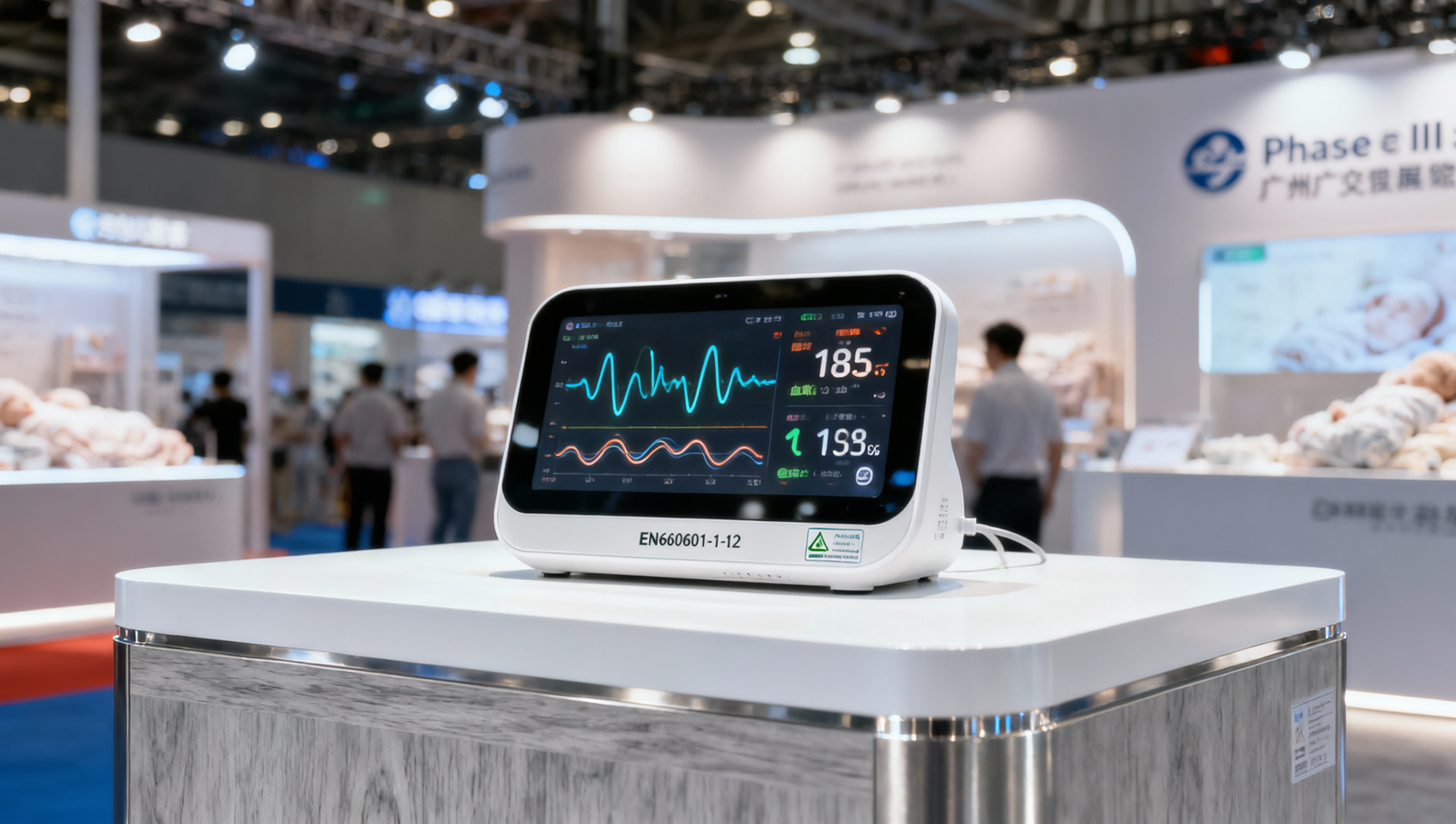
 Nursery Furniture & MonitorsApr 22, 2026Canton Fair Phase III: Infant Monitor Inquiries Surge, EN60601-1-12 Certification Critical for Middle EastEN60601-1-12 certification is now critical for infant monitors targeting the Middle East — Canton Fair Phase III reveals surging buyer demand from UAE & KSA.
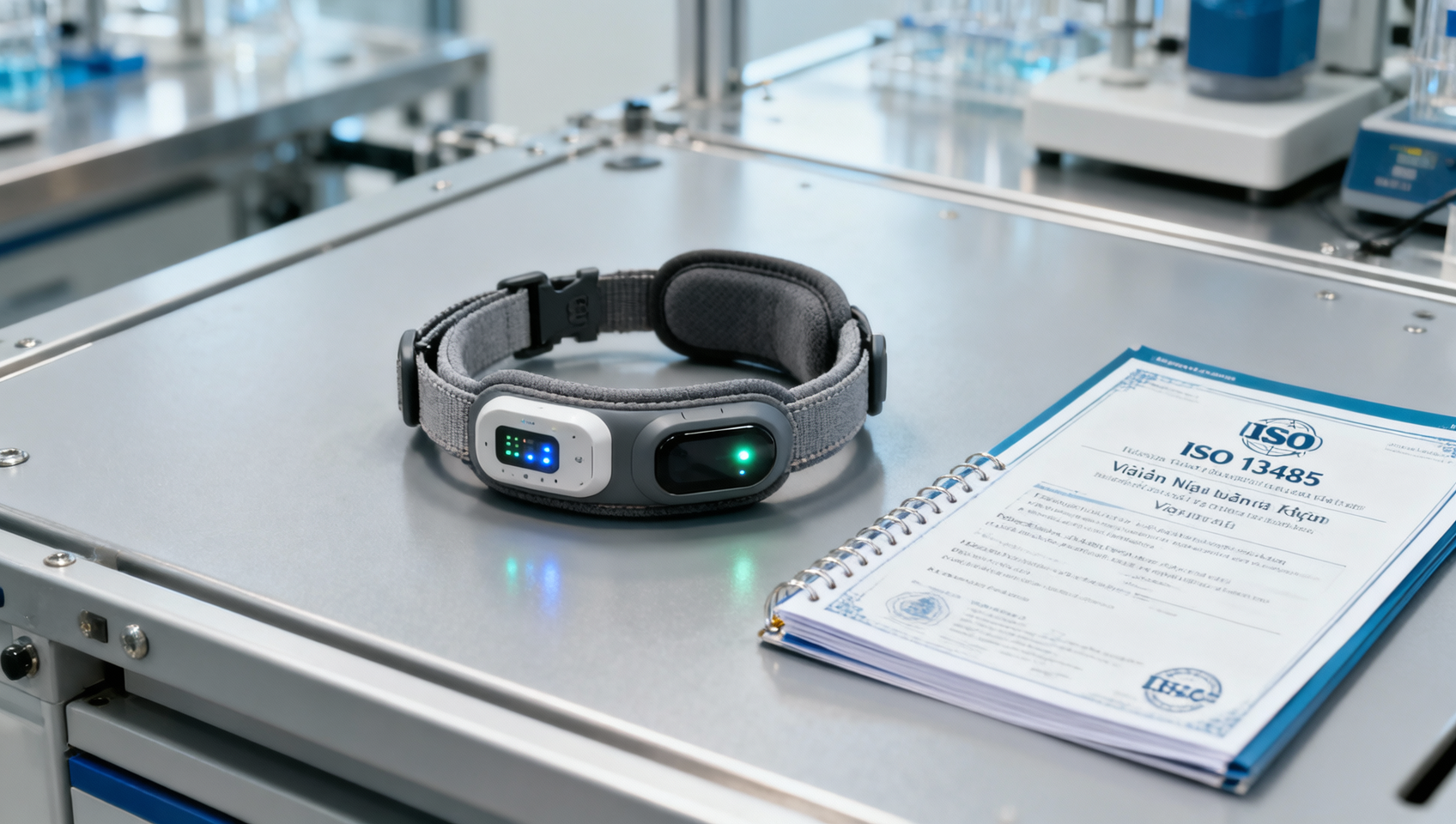
 Smart Pet DevicesApr 22, 2026Vietnam Enforces ISO 13485 + Vietnamese Manual for Smart Pet CollarsISO 13485 + Vietnamese manual now mandatory for smart pet collars entering Vietnam — avoid import delays. Learn compliance essentials for Class IIa medical device classification.
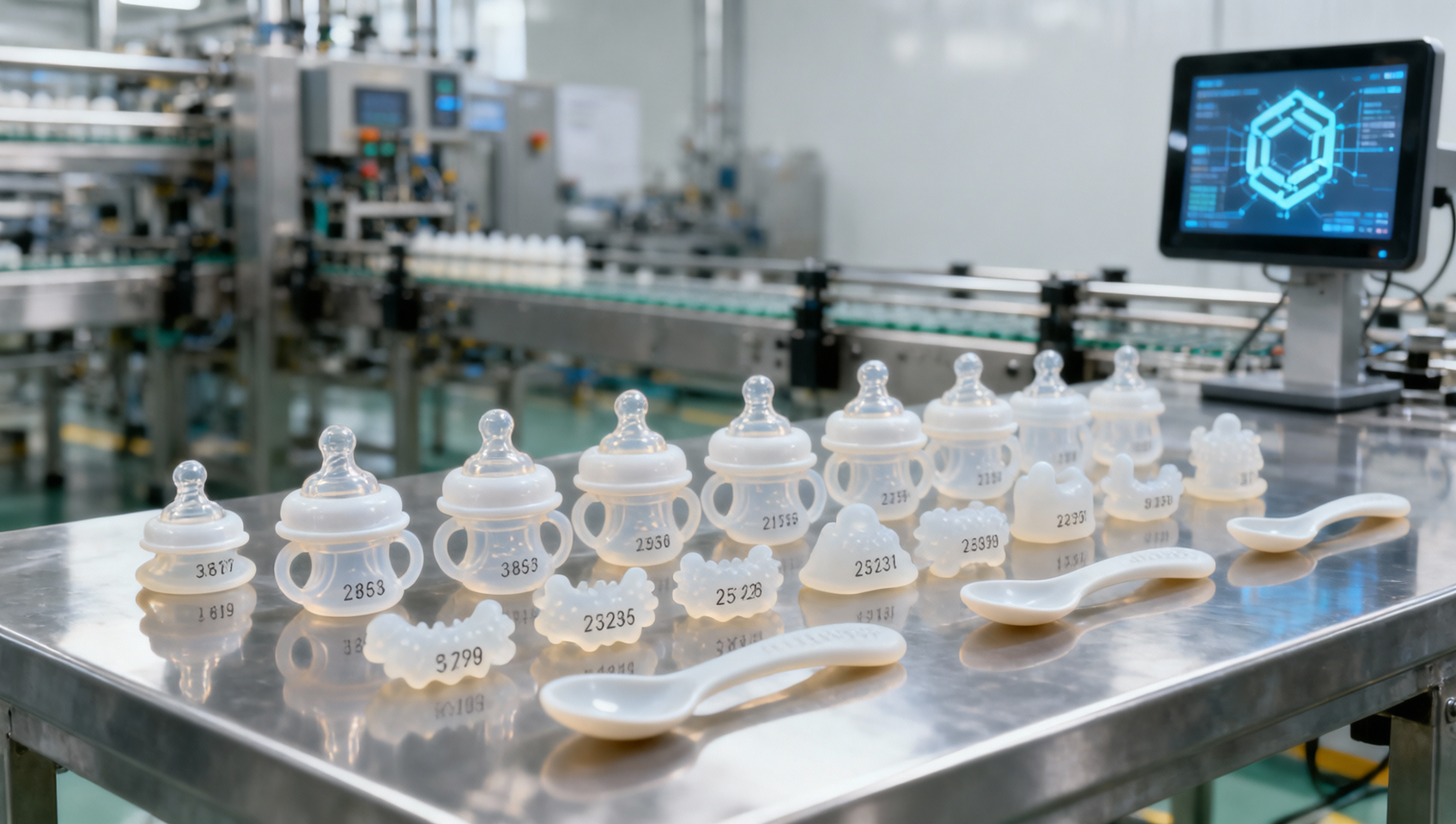
 Infant Feeding & CareApr 22, 2026JETRO Spring Sourcing: Silicone Baby Feeding Items Must Link to BlockchainSilicone baby feeding items must link to blockchain for JETRO Spring Sourcing — avoid 11-day delays & 100% inspections. Act now to ensure compliance.
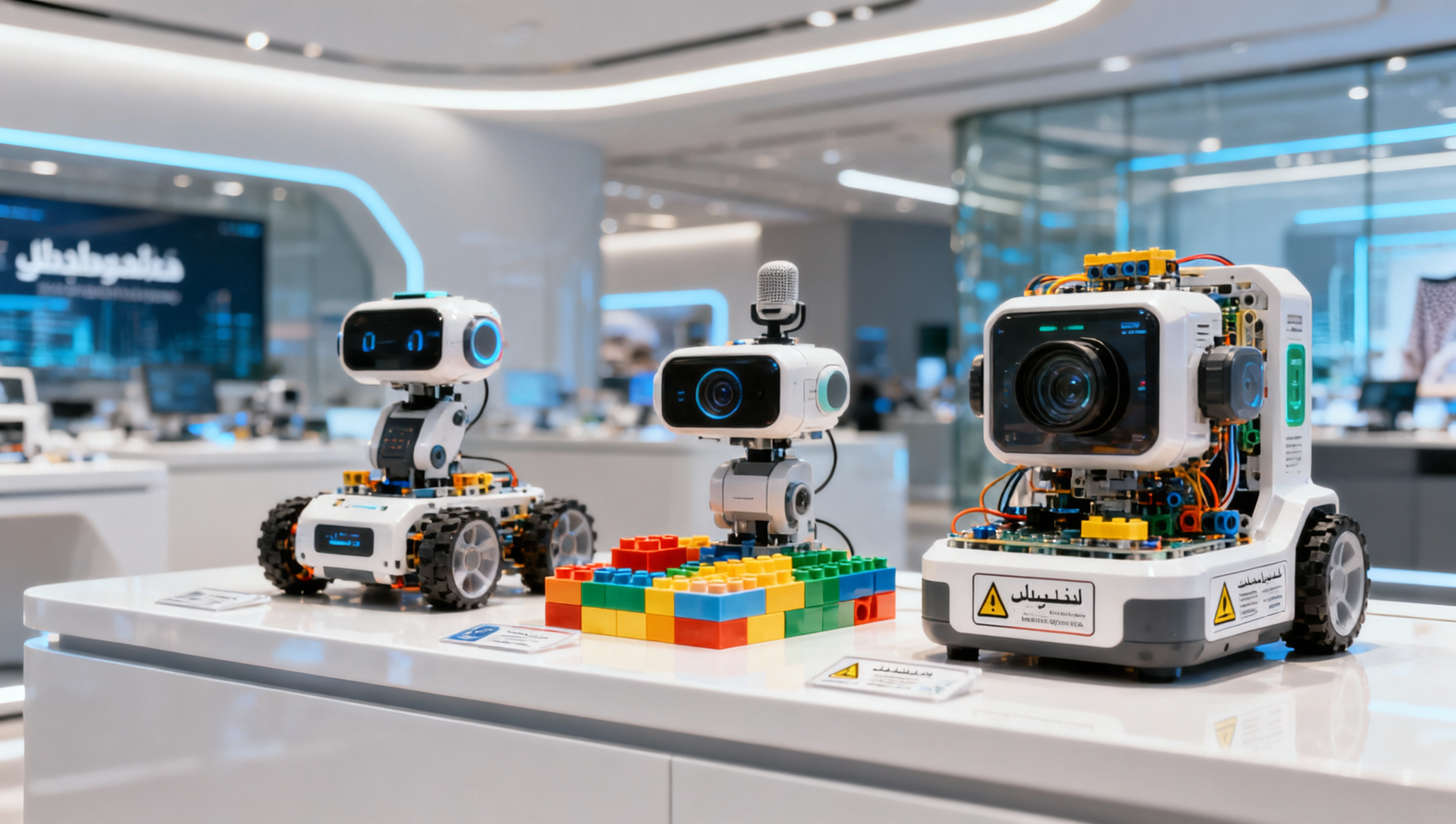
 STEM & Educational ToysApr 22, 2026SASO Launches 24-Hour AI STEM Toy Certification in Saudi ArabiaSASO's 24-hour AI STEM toy certification now live in Saudi Arabia — fast-track CoC for robotics, voice/vision learning toys meeting GB/T 34667-2025 & IEC 62368-1.
 Cosmetics & PkgApr 22, 2026EU EPR Dual-Country Registration Effective for Beauty PackagingEU EPR dual-country registration is now mandatory for beauty packaging exporters—secure France & Germany compliance before April 22, 2026 to avoid delisting and customs delays.
 Cosmetics & PkgApr 22, 2026FDA Requires Independent VCRP Registration for Cosmetic Packaging as of Apr 21, 2026FDA requires independent VCRP registration for cosmetic packaging by Apr 21, 2026—essential for U.S. importers, Chinese suppliers & OEMs. Act now to avoid delays.
 Cosmetics & PkgApr 21, 2026SAMR Penalizes 7 Platforms for 'Ghost Kitchen' Packaging ViolationsSAMR penalizes 7 platforms for 'ghost kitchen' packaging violations—key alert for food packaging exporters, converters & brands on licensing compliance.
 Cosmetics & PkgApr 21, 2026EU EPR Dual-Country Registration Effective for Beauty PackagingEU EPR Dual-Country Registration is now live for beauty packaging in France & Germany — act now to avoid shipment delays, fees, and customs holds.
 Cosmetics & PkgApr 21, 2026FDA MoCRA Rule: Cosmetic Packaging Must File Separate VCRPFDA MoCRA Rule requires cosmetic packaging—vacuum bottles, pumps, tubes—to file separate VCRP registration by April 17, 2026. Stay compliant & avoid shipment delays!