US CPSC Recalls 128K Chinese Baby Bath Frames Over Safety Risks

Introduction
On April 6, 2026, the U.S. Consumer Product Safety Commission (CPSC) issued an urgent recall notice for 128,000 Chinese-made infant folding bath frames due to structural stability defects linked to two reported injuries. This incident highlights critical supply chain risks for juvenile product exporters, OEM manufacturers, and cross-border e-commerce platforms, with potential ripple effects on insurance costs and compliance audits across North American markets.
Incident Overview
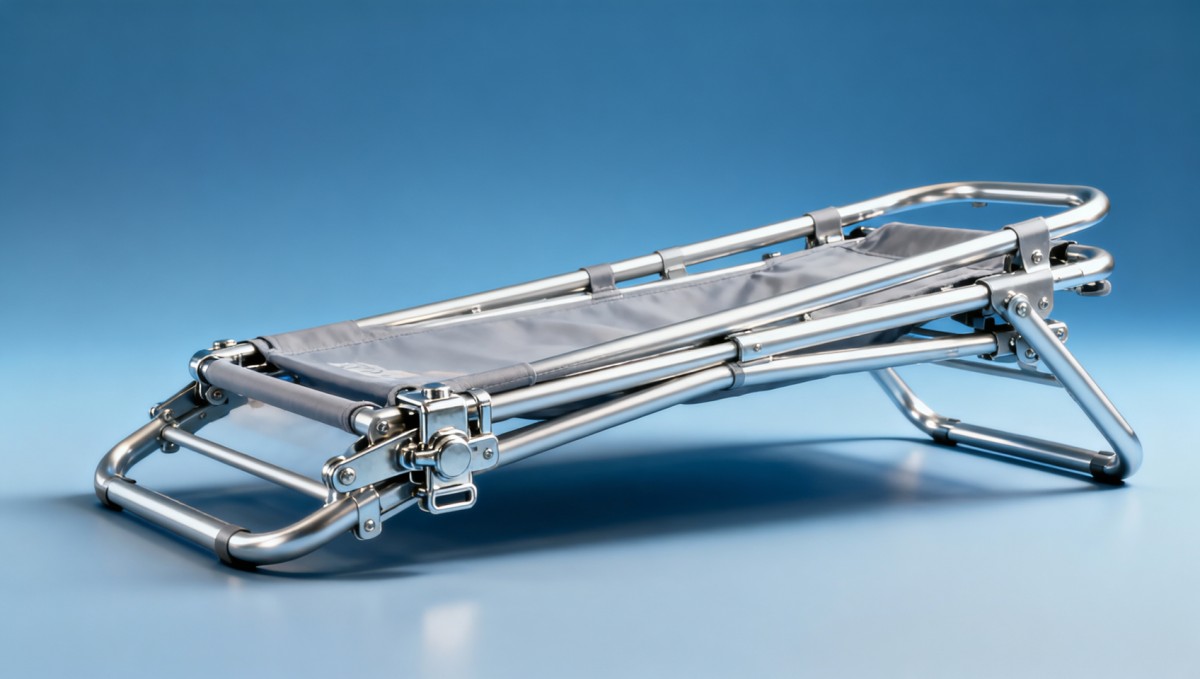
The CPSC recall involves three manufacturers from Zhongshan and Dongguan, China, producing infant bath frames with folding mechanisms. The primary defect concerns failure of locking mechanisms during use, resulting in two documented cases of infants slipping and sustaining injuries. All affected products were sold through major U.S. retailers between 2024-2026.
Impacted Industry Segments
1. Juvenile Product Exporters
Analysis shows immediate impacts on Chinese manufacturers specializing in nursery items, particularly those using similar folding mechanisms. The recall triggers mandatory secondary inspections by U.S. importers, potentially delaying shipments by 2-3 weeks.
2. Supply Chain Service Providers
From an industry perspective, logistics operators and quality inspection agencies face increased scrutiny. The incident may accelerate adoption of third-party structural stability testing for folding products, adding 5-7% to compliance costs.
3. Cross-Border E-Commerce Platforms
Marketplaces selling juvenile products should anticipate stricter documentation requirements. Current data suggests platforms may need to verify ASTM F1967-19 compliance certificates for all bath accessories within 60 days.
Key Action Points
1. Compliance Protocol Updates
Manufacturers using folding mechanisms should conduct immediate failure mode testing, particularly for locking components under wet conditions. Documented test results will be crucial for future customs clearance.
2. Insurance Cost Management
Observed trends indicate 10-15% premium increases for juvenile product liability coverage. Exporters should budget for additional risk mitigation measures in 2026 contracts.
3. Channel Communication Strategy
Distributors should prepare technical documentation explaining differences between recalled and non-recalled products. Proactive communication with retail partners can prevent unnecessary category suspensions.
Industry Perspective
This recall appears more significant than routine safety alerts for three reasons: 1) It involves fundamental product architecture rather than material defects; 2) The CPSC explicitly linked injuries to design flaws; 3) The scale (128K units) suggests systemic production issues. While not yet a regulatory shift, it signals heightened scrutiny of transformable juvenile products.
Conclusion
The recall serves as a timely reminder for juvenile product supply chains to reevaluate mechanical safety protocols. Rather than viewing this as an isolated incident, industry players should interpret it as part of broader CPSC focus on dynamic load testing for folding mechanisms. The immediate priority should be verifying existing product designs against ASTM F1967-19 Section 8.3 on locking mechanism durability.
Sources
1. CPSC Recall Notice #26-876 (April 6, 2026)
2. ASTM International Safety Standards (Updated 2025)
*Ongoing: Monitoring potential expansion of recall to similar products
Related Intelligence
 Cosmetics & PkgApr 22, 2026SAMR Penalizes 7 Platforms for 'Ghost Kitchen' Packaging ViolationsSAMR penalizes 7 platforms for 'ghost kitchen' packaging violations—critical for food-grade packaging OEMs, suppliers & procurement teams. Act now.
 Camping & WaterApr 22, 2026RCEP Camping Water Bags: Indonesia Cuts Tariff, Sets TPU+Aluminum SpecRCEP Camping Water Bags: Indonesia cuts tariff to 3.4% & mandates TPU+aluminum spec—key opportunity for exporters, TPU suppliers & converters in ASEAN-China supply chains.
 Corporate & Seasonal GiftsApr 22, 2026TÜV Green Packaging LCA Threshold Effective Apr 2026TÜV Green Packaging LCA Threshold takes effect Apr 2026 — mandatory carbon heatmaps & ISO-compliant LCAs for holiday, wedding &文创 packaging. Act now to meet EU tender requirements.
 Beauty DevicesApr 22, 2026Global Li-Battery Recycling Rate Hits 62%: Beauty Device BOM Cost Down 9%Li-battery recycling hits 62% globally—driving 9% BOM cost cuts for beauty devices. Discover how recycled LFP/NCM cells slash lead times & boost margins.
 Nursery Furniture & MonitorsApr 22, 2026Canton Fair Phase III: Infant Monitor Inquiries Surge, EN60601-1-12 Certification Critical for Middle EastEN60601-1-12 certification is now critical for infant monitors targeting the Middle East — Canton Fair Phase III reveals surging buyer demand from UAE & KSA.
 Smart Pet DevicesApr 22, 2026Vietnam Enforces ISO 13485 + Vietnamese Manual for Smart Pet CollarsISO 13485 + Vietnamese manual now mandatory for smart pet collars entering Vietnam — avoid import delays. Learn compliance essentials for Class IIa medical device classification.
 Infant Feeding & CareApr 22, 2026JETRO Spring Sourcing: Silicone Baby Feeding Items Must Link to BlockchainSilicone baby feeding items must link to blockchain for JETRO Spring Sourcing — avoid 11-day delays & 100% inspections. Act now to ensure compliance.
 STEM & Educational ToysApr 22, 2026SASO Launches 24-Hour AI STEM Toy Certification in Saudi ArabiaSASO's 24-hour AI STEM toy certification now live in Saudi Arabia — fast-track CoC for robotics, voice/vision learning toys meeting GB/T 34667-2025 & IEC 62368-1.
 Cosmetics & PkgApr 22, 2026EU EPR Dual-Country Registration Effective for Beauty PackagingEU EPR dual-country registration is now mandatory for beauty packaging exporters—secure France & Germany compliance before April 22, 2026 to avoid delisting and customs delays.
 Cosmetics & PkgApr 22, 2026FDA Requires Independent VCRP Registration for Cosmetic Packaging as of Apr 21, 2026FDA requires independent VCRP registration for cosmetic packaging by Apr 21, 2026—essential for U.S. importers, Chinese suppliers & OEMs. Act now to avoid delays.
 Cosmetics & PkgApr 21, 2026SAMR Penalizes 7 Platforms for 'Ghost Kitchen' Packaging ViolationsSAMR penalizes 7 platforms for 'ghost kitchen' packaging violations—key alert for food packaging exporters, converters & brands on licensing compliance.
 Cosmetics & PkgApr 21, 2026EU EPR Dual-Country Registration Effective for Beauty PackagingEU EPR Dual-Country Registration is now live for beauty packaging in France & Germany — act now to avoid shipment delays, fees, and customs holds.
 Cosmetics & PkgApr 21, 2026FDA MoCRA Rule: Cosmetic Packaging Must File Separate VCRPFDA MoCRA Rule requires cosmetic packaging—vacuum bottles, pumps, tubes—to file separate VCRP registration by April 17, 2026. Stay compliant & avoid shipment delays!