Sleeping Bags Bulk: What Specs Matter Most?
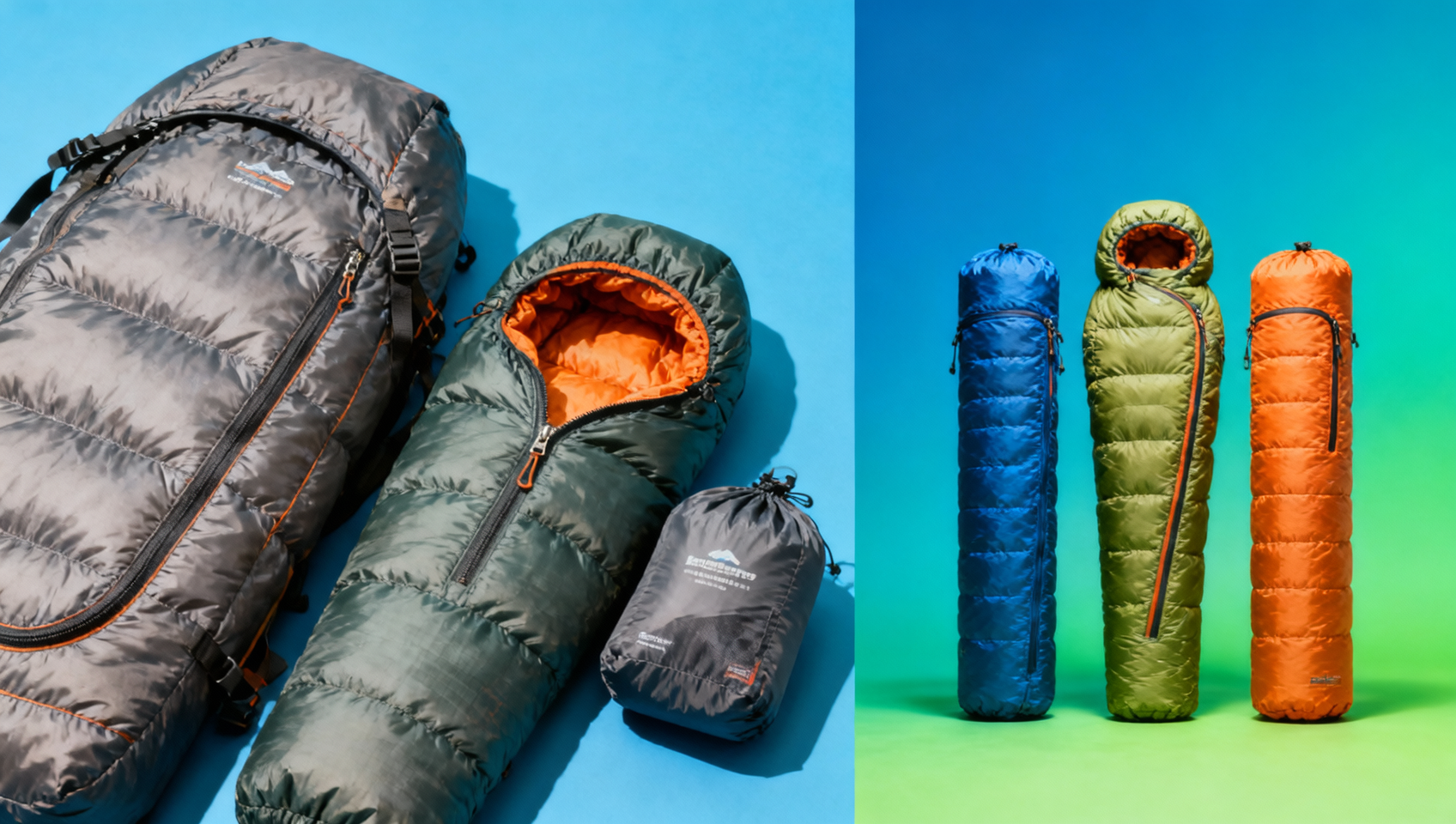
When evaluating sleeping bags bulk orders, the right specifications can determine product performance, buyer satisfaction, and long-term margin control. For retail buyers, distributors, and sourcing teams in travel services and outdoor categories, understanding insulation, shell fabric, temperature rating, packability, and compliance standards is essential. This guide explains which specs matter most and how smart sourcing decisions support competitive, scalable product lines.
In travel services, bulk sleeping bag procurement often supports guided camping tours, glamping operators, rental fleets, seasonal adventure programs, transport-inclusive excursion packages, and branded outdoor retail channels. Each use case creates different technical priorities. A sleeping bag designed for high-turnover rental use will not be specified in the same way as a premium private-label bag for specialty distributors or e-commerce travel brands.
For researchers, technical evaluators, project managers, finance approvers, and channel partners, the challenge is balancing warmth, durability, compliance, shipping efficiency, and target price. A difference of 150–300 grams in fill weight, a shift from 190T polyester to 20D nylon, or a change in zipper grade can materially affect returns, customer reviews, and reorder rates over a 12-month sales cycle.
Core Sleeping Bag Specs That Drive Bulk Buying Decisions
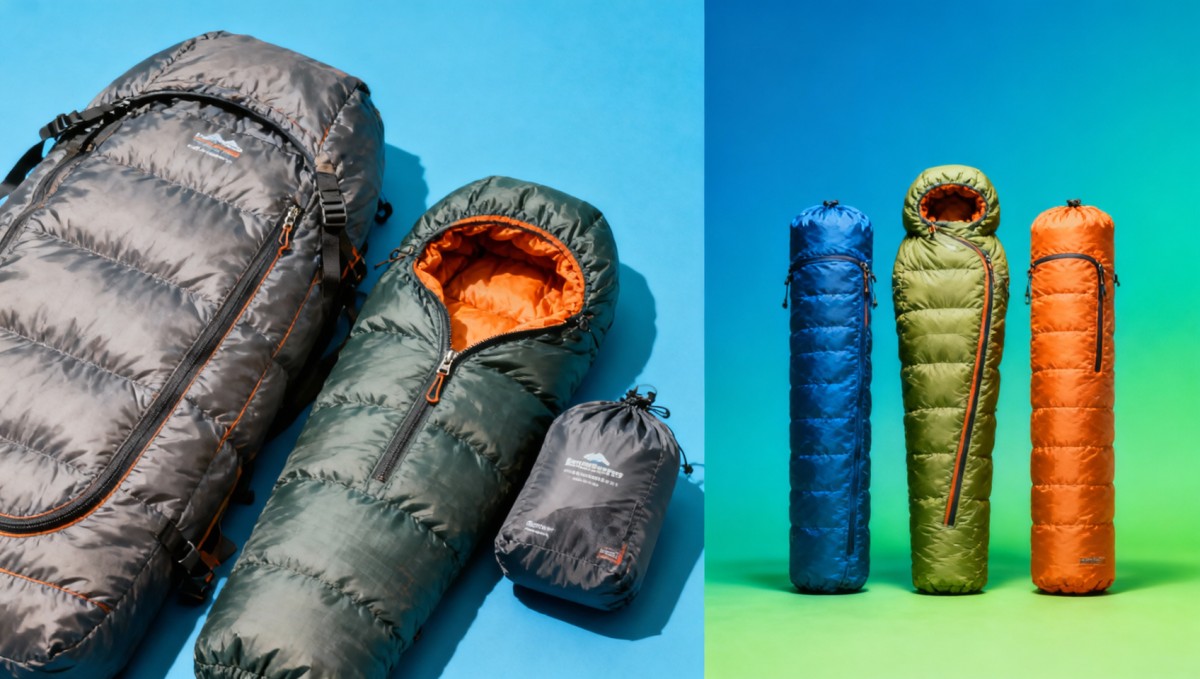
The most important sleeping bags bulk specifications usually fall into five categories: insulation type, shell and lining fabric, temperature rating, shape and size, and packability. In travel service and outdoor supply programs, these factors directly influence user comfort, transport volume, replacement frequency, and pricing strategy. Buyers that evaluate only unit cost often miss lifecycle cost drivers that become visible after 1 or 2 seasonal peaks.
Insulation is the first screening variable. Synthetic polyester fill remains the most common option for bulk travel-oriented sleeping bags because it is affordable, dries faster than down, and performs more reliably in damp campsite conditions. Typical synthetic fill weights range from 200g/m² for summer products to 400g/m² or more for 3-season use. Down-filled models are lighter and more compressible, but they usually require stricter material sourcing, higher budget control, and more careful moisture management.
Shell fabric affects abrasion resistance, water repellency, and perceived quality. For entry-level travel programs, 190T polyester is common. Mid-range products may use 210T polyester pongee or ripstop constructions for better hand feel and improved wear resistance. For technical retail channels, 20D to 40D nylon can reduce pack size and weight, which matters when tour operators need to fit 50–100 units into limited support vehicles or warehouse shelving.
Temperature rating must be matched to the destination profile rather than marketing labels alone. A bag promoted as “cold weather” can still underperform if the comfort range is unclear. For travel services, it is practical to classify products into summer use at 10°C to 20°C, shoulder-season use at 0°C to 10°C, and colder 3-season conditions at -5°C to 5°C. Procurement teams should ask whether the supplier presents a tested comfort rating, limit rating, or only a factory estimate.
Shape and dimensions also affect purchasing success. Rectangular bags suit rental fleets and casual tourism because they are easy to use and often lower in cost. Mummy bags improve thermal efficiency and reduce packed volume, making them better for trekking packages and technical travel resale. Standard adult lengths usually range from 190cm to 220cm, with widths between 75cm and 90cm. Oversized units may improve guest comfort but can increase carton volume by 8%–15%.
Quick spec comparison for common travel service programs
The table below outlines how key specifications align with three common procurement scenarios in travel services and outdoor distribution. It can help sourcing teams narrow the right product architecture before entering price negotiations or sample review.
A clear use-case definition prevents overspecification and underspecification. In bulk procurement, choosing a travel rental bag with technical ultralight materials may reduce margin without improving operational results. On the other hand, using an entry-level shell for a premium retail program can increase complaints, especially when consumers compare product weight, touch, and warmth against competing listings.
How Insulation, Fabric, and Temperature Ratings Affect Field Performance
In practical use, sleeping bag performance depends less on a single advertised feature and more on how insulation, fabric, stitching, and temperature claims work together. Travel service buyers should review the full construction stack. A bag with generous fill weight but poor loft recovery, weak stitching, or low-grade lining may still underperform after repeated laundering or compression during transport.
Synthetic insulation remains preferred for many bulk programs because it tolerates moisture, repeated use, and entry-to-mid range retail pricing. Hollow fiber and microfiber fills are both common. Microfiber options generally feel softer and compress better, while hollow fiber can offer good value in high-volume production. If the target order is 3,000–10,000 units for multi-market distribution, consistency of fill quality from batch to batch is just as important as nominal warmth level.
Fabric construction also affects guest experience and commercial performance. Shell fabrics with water-repellent treatment can reduce light condensation issues in tent environments, but buyers should verify whether the finish is durable after 5–10 washes. Linings such as brushed polyester may improve comfort perception for rental and family travel segments, while smoother pongee or nylon linings can support faster packing and lower friction for technical users.
Temperature claims require careful interpretation. Procurement teams should request a breakdown between comfort, transition, and lower-limit guidance wherever available. For example, a bag promoted at 0°C may only be comfortable for many leisure travelers around 5°C to 8°C depending on clothing, sleeping pad, humidity, and wind exposure. In tourism operations, overselling warmth can create negative reviews faster than almost any packaging issue.
Field-performance checklist
- Confirm whether insulation weight is stated per square meter or per total bag, since these are not interchangeable.
- Review stitch pattern and baffle stability to reduce cold spots after 20–30 compression cycles.
- Check shell denier, tear resistance, and whether the coating affects breathability in humid climates.
- Ask if the temperature statement is lab-tested, internally estimated, or based on comparable construction.
- Request laundering guidance, especially for rental fleets with weekly or biweekly cleaning routines.
Common mismatch risks in travel service sourcing
One common mistake is buying for the lowest expected temperature instead of the real customer profile. Many tourism users camp in spring and summer only, so a heavy cold-weather bag increases freight cost and storage volume without improving satisfaction. Another frequent issue is ignoring the sleeping pad system. Even a well-rated bag can feel cold on the ground if the full travel package lacks insulation underneath.
Another risk is relying on sample quality alone. Bulk lots can vary in loft, zipper smoothness, or color consistency if incoming material controls are weak. For distributor and project-based orders, pre-shipment inspection should sample at least multiple cartons across production batches, not only top-layer goods. This is particularly important when the order supports a launch window with little room for replenishment delays.
Bulk Procurement Priorities Beyond Product Specs
Sleeping bags bulk sourcing is not only about selecting materials. Buyers in travel services also need to evaluate MOQ, lead time, packaging format, private-label options, carton efficiency, and supplier quality controls. A technically sound product can still fail commercially if it arrives late, consumes excessive warehouse space, or requires rework because barcodes, care labels, or multilingual instructions were handled incorrectly.
MOQ often varies by configuration. A standard color and stock fabric may support lower entry quantities such as 300–500 units, while custom shell colors, logo pulls, woven labels, and printed compression sacks can push practical MOQ to 1,000 units or more. Finance approvers should compare the cost premium of customization against expected channel margin and reorder probability rather than evaluating tooling or packaging cost in isolation.
Lead time is another major factor. Typical production cycles can range from 25–45 days after sample approval, with additional time for packaging confirmation and export booking. Seasonal travel programs should build in at least 2–4 extra weeks for quality review, booking uncertainty, and customs clearance. Missing a spring or holiday retail window can be more expensive than paying a small premium for a better-prepared supplier.
Carton planning matters more than many buyers expect. Slight differences in packed size can materially change container loading. A more compressible bag may allow several extra cartons per pallet or significantly improve 40HQ utilization. For distributors and project managers, that can lower per-unit logistics cost and simplify storage allocation across multiple destinations, especially when sleeping bags are bundled with tents, mats, and cookware.
Compliance and labeling should also be reviewed early. Requirements may include fiber content labeling, care instructions, flammability-related review depending on market channel, restricted substance management, and packaging safety compliance for destination markets. For OEM/ODM programs, it is wise to lock artwork, warning text, and instruction languages before bulk production starts to avoid relabeling costs during outbound handling.
Procurement decision matrix
The following matrix helps procurement teams align technical and commercial priorities across departments. It is especially useful when information researchers, technical reviewers, finance approvers, and distributors are all part of the same sourcing decision.
This type of matrix helps different stakeholders focus on shared commercial outcomes. Technical teams can verify real performance, finance teams can evaluate inventory exposure, and sales teams can judge whether the specification level supports the intended market price and channel claims.
Specification Planning by Travel Scenario and Sales Channel
The right sleeping bags bulk specification depends heavily on where and how the product will be used. Travel service operators, wholesalers, and brand owners should build a scenario map before confirming the final bill of materials. That map should include destination temperature, user skill level, expected frequency of washing, replacement cycle, transport constraints, and target resale or rental price.
For tour operators serving beginner campers, comfort, ease of entry, and low maintenance typically matter more than extreme weight reduction. A rectangular or semi-rectangular design with durable polyester shell, simple left-side zipper, and washable lining is often sufficient. In contrast, a trekking-focused distributor may prioritize a mummy cut, lower total weight, draft collar details, and more compact stuff-sack dimensions.
Travel rental fleets should also plan for service life. If one unit is expected to complete 20–40 field nights per season, seam durability and zipper reliability become major cost drivers. Replacing a bag because a zipper fails after a few rentals can erase apparent savings achieved during initial sourcing. Procurement managers should ask how the zipper is tested, what gauge is used, and whether anti-snag tape is included.
Channel strategy also matters. Products sold to distributors or retail chains may need color assortment, shelf-ready packaging, QR-linked care instructions, or stronger giftability. Products used internally by travel operators may require simpler packaging, faster replenishment, and labeling optimized for warehouse counting. A well-structured sourcing brief should separate “consumer-facing” features from “operations-facing” features before quote comparison begins.
Recommended spec direction by channel
The table below shows how travel scenario and channel economics can shape specification planning. Rather than using one sleeping bag architecture for every market, buyers often achieve better results by creating 2 or 3 tiered configurations.
A tiered portfolio approach is often more efficient than forcing one design into all channels. An opening-price model can support rental and mass-market demand, while a second mid-tier version improves margin for specialty retailers and D2C outdoor programs. This also creates more flexibility when freight costs or raw material prices shift during the year.
A practical 5-step sourcing workflow
- Define target user, destination climate, and expected nights of use per season.
- Screen 2–3 construction options by insulation, shell fabric, and packed size.
- Review MOQ, sample quality, labeling, and compliance documentation before final costing.
- Run wear, wash, and zipper checks on approval samples under realistic travel-service conditions.
- Lock delivery windows, inspection points, and replenishment planning before peak season shipment.
FAQ: What Buyers Most Often Ask Before Placing Bulk Orders
How do I choose the right temperature rating for travel customers?
Start with real destination conditions, not extreme weather assumptions. If most customers travel in mild spring-to-autumn conditions, a bag in the 0°C to 10°C comfort-oriented range is often more commercially viable than a heavier cold-weather model. Also consider whether the travel package includes insulated sleeping pads, since ground insulation strongly affects perceived warmth.
What is the most practical insulation choice for sleeping bags bulk orders?
For many travel service and distributor programs, synthetic insulation offers the best balance of price, resilience, and moisture tolerance. It is easier to manage in rental or high-turnover settings and usually supports lower-cost replenishment. Down may suit premium lightweight programs, but buyers should account for higher material cost, more demanding care requirements, and narrower user scenarios.
How important is packed size in commercial sourcing?
Packed size matters at three levels: shipping cost, warehouse density, and field handling. A bag that compresses better can reduce logistics cost per unit and make kit assembly easier for travel operators. When comparing suppliers, ask for actual packed dimensions and carton loading plans rather than relying on broad marketing claims such as “compact” or “ultralight.”
What quality checks should be completed before shipment?
At minimum, review seam consistency, insulation distribution, zipper operation, label accuracy, packed dimensions, and carton markings. For larger projects, add wash testing, random carton inspections, and packaging drop checks. If the order supports a launch campaign or route-based travel season, inspection timing should be built into the schedule 7–10 days before final loading.
How can buyers improve margin without lowering quality too far?
Focus on specification discipline rather than feature removal alone. Align shape, fabric grade, and packaging complexity to the target channel. In many cases, savings come from optimizing carton efficiency, avoiding unnecessary customization, or using a durable mid-range synthetic fill instead of premium materials that the end user may not value. The best margin improvements usually come from reducing mismatch, returns, and slow-moving inventory.
For travel services, retail sourcing teams, and distribution partners, successful sleeping bags bulk procurement depends on matching technical specifications to real operating conditions, target price bands, and channel expectations. Insulation, shell fabric, temperature rating, shape, packability, MOQ, and compliance all contribute to product performance and commercial stability. When these variables are evaluated together, buyers gain better control over margin, customer satisfaction, and replenishment planning.
Global Consumer Sourcing supports decision-makers who need practical sourcing intelligence across outdoor and travel-adjacent product lines. If you are comparing sleeping bag configurations, planning a private-label range, or reviewing supplier readiness for bulk orders, now is a good time to refine your specification brief. Contact us to discuss your sourcing priorities, request a customized product evaluation framework, or explore broader supply-chain solutions for scalable travel and outdoor programs.
Related Intelligence
 Cosmetics & PkgApr 22, 2026SAMR Penalizes 7 Platforms for 'Ghost Kitchen' Packaging ViolationsSAMR penalizes 7 platforms for 'ghost kitchen' packaging violations—critical for food-grade packaging OEMs, suppliers & procurement teams. Act now.
 Camping & WaterApr 22, 2026RCEP Camping Water Bags: Indonesia Cuts Tariff, Sets TPU+Aluminum SpecRCEP Camping Water Bags: Indonesia cuts tariff to 3.4% & mandates TPU+aluminum spec—key opportunity for exporters, TPU suppliers & converters in ASEAN-China supply chains.
 Corporate & Seasonal GiftsApr 22, 2026TÜV Green Packaging LCA Threshold Effective Apr 2026TÜV Green Packaging LCA Threshold takes effect Apr 2026 — mandatory carbon heatmaps & ISO-compliant LCAs for holiday, wedding &文创 packaging. Act now to meet EU tender requirements.
 Beauty DevicesApr 22, 2026Global Li-Battery Recycling Rate Hits 62%: Beauty Device BOM Cost Down 9%Li-battery recycling hits 62% globally—driving 9% BOM cost cuts for beauty devices. Discover how recycled LFP/NCM cells slash lead times & boost margins.
 Nursery Furniture & MonitorsApr 22, 2026Canton Fair Phase III: Infant Monitor Inquiries Surge, EN60601-1-12 Certification Critical for Middle EastEN60601-1-12 certification is now critical for infant monitors targeting the Middle East — Canton Fair Phase III reveals surging buyer demand from UAE & KSA.
 Smart Pet DevicesApr 22, 2026Vietnam Enforces ISO 13485 + Vietnamese Manual for Smart Pet CollarsISO 13485 + Vietnamese manual now mandatory for smart pet collars entering Vietnam — avoid import delays. Learn compliance essentials for Class IIa medical device classification.
 Infant Feeding & CareApr 22, 2026JETRO Spring Sourcing: Silicone Baby Feeding Items Must Link to BlockchainSilicone baby feeding items must link to blockchain for JETRO Spring Sourcing — avoid 11-day delays & 100% inspections. Act now to ensure compliance.
 STEM & Educational ToysApr 22, 2026SASO Launches 24-Hour AI STEM Toy Certification in Saudi ArabiaSASO's 24-hour AI STEM toy certification now live in Saudi Arabia — fast-track CoC for robotics, voice/vision learning toys meeting GB/T 34667-2025 & IEC 62368-1.
 Cosmetics & PkgApr 22, 2026EU EPR Dual-Country Registration Effective for Beauty PackagingEU EPR dual-country registration is now mandatory for beauty packaging exporters—secure France & Germany compliance before April 22, 2026 to avoid delisting and customs delays.
 Cosmetics & PkgApr 22, 2026FDA Requires Independent VCRP Registration for Cosmetic Packaging as of Apr 21, 2026FDA requires independent VCRP registration for cosmetic packaging by Apr 21, 2026—essential for U.S. importers, Chinese suppliers & OEMs. Act now to avoid delays.
 Cosmetics & PkgApr 21, 2026SAMR Penalizes 7 Platforms for 'Ghost Kitchen' Packaging ViolationsSAMR penalizes 7 platforms for 'ghost kitchen' packaging violations—key alert for food packaging exporters, converters & brands on licensing compliance.
 Cosmetics & PkgApr 21, 2026EU EPR Dual-Country Registration Effective for Beauty PackagingEU EPR Dual-Country Registration is now live for beauty packaging in France & Germany — act now to avoid shipment delays, fees, and customs holds.
 Cosmetics & PkgApr 21, 2026FDA MoCRA Rule: Cosmetic Packaging Must File Separate VCRPFDA MoCRA Rule requires cosmetic packaging—vacuum bottles, pumps, tubes—to file separate VCRP registration by April 17, 2026. Stay compliant & avoid shipment delays!