EU to Enforce EN IEC 63205 Certification for Fitness Trackers from Q3 2026

The European Committee for Electrotechnical Standardization (CENELEC) has released a draft requiring all imported fitness trackers to comply with the EN IEC 63205 standard by Q3 2026. This regulation, covering electromagnetic compatibility, battery safety, data privacy, and motion algorithm accuracy, will significantly impact fitness equipment exporters, particularly those from China, as non-compliant products will face customs clearance and distribution barriers.
Event Overview
On April 5, CENELEC proposed the EN IEC 63205 standard, mandating certification for fitness trackers entering the EU market starting July 2026. The draft specifies new testing criteria, including electromagnetic interference mitigation, battery durability, user data protection, and algorithmic performance validation. Non-certified products will be barred from EU customs and major retail channels.
Impact on Sub-Sectors
Fitness Equipment Manufacturers
OEM/ODM producers must redesign products to meet enhanced safety and privacy requirements, potentially increasing R&D costs by 15-20%. Motion sensor calibration and battery management systems will require third-party laboratory verification.
Export Trading Companies
Exporters face compressed lead times for certification processes. Analysis shows the 27-month transition period may be insufficient for SMEs without pre-existing compliance frameworks.
Component Suppliers
Battery and sensor providers must provide technical documentation supporting EN IEC 63205 compliance. From an industry perspective, this may accelerate adoption of Bluetooth 5.3+ and Li-ion batteries with thermal runaway protection.
Key Action Points
Certification Timeline Management
Prioritize products with >10% EU revenue share for early testing. Notified body appointments should be finalized before 2025 Q2 given anticipated backlog.
Technical Documentation Preparation
Current best practice suggests compiling: 1) EMC test reports per EN 301 489, 2) ISO/IEC 27001-aligned data protocols, 3) clinical validation for heart rate monitoring accuracy (±5% tolerance).
Supply Chain Coordination
Re-evaluate component sourcing strategies, particularly for motion sensors and wireless modules with legacy compliance issues. Factory audits should verify IEC 62133 battery standards.
Industry Perspective
This regulation signals the EU's tightening of wearable device governance, following the Medical Device Regulation (MDR) precedent. While currently a draft, the 2026 implementation deadline leaves limited adaptation time. The standard's algorithmic accuracy requirements may particularly challenge budget-tier manufacturers using off-the-shelf sensor solutions.
Conclusion
The EN IEC 63205 mandate represents a strategic shift in wearable device regulation, emphasizing lifecycle safety over cost competitiveness. Export-dependent manufacturers should treat this as a compliance baseline rather than a technical ceiling, with the standard likely to influence other jurisdictions' policies.
Sources
1. CENELEC Draft Standard EN IEC 63205 (2024-04-05)
2. Ongoing: EU Commission ratification process expected Q1 2025
Related Intelligence
 Cosmetics & PkgApr 22, 2026SAMR Penalizes 7 Platforms for 'Ghost Kitchen' Packaging ViolationsSAMR penalizes 7 platforms for 'ghost kitchen' packaging violations—critical for food-grade packaging OEMs, suppliers & procurement teams. Act now.
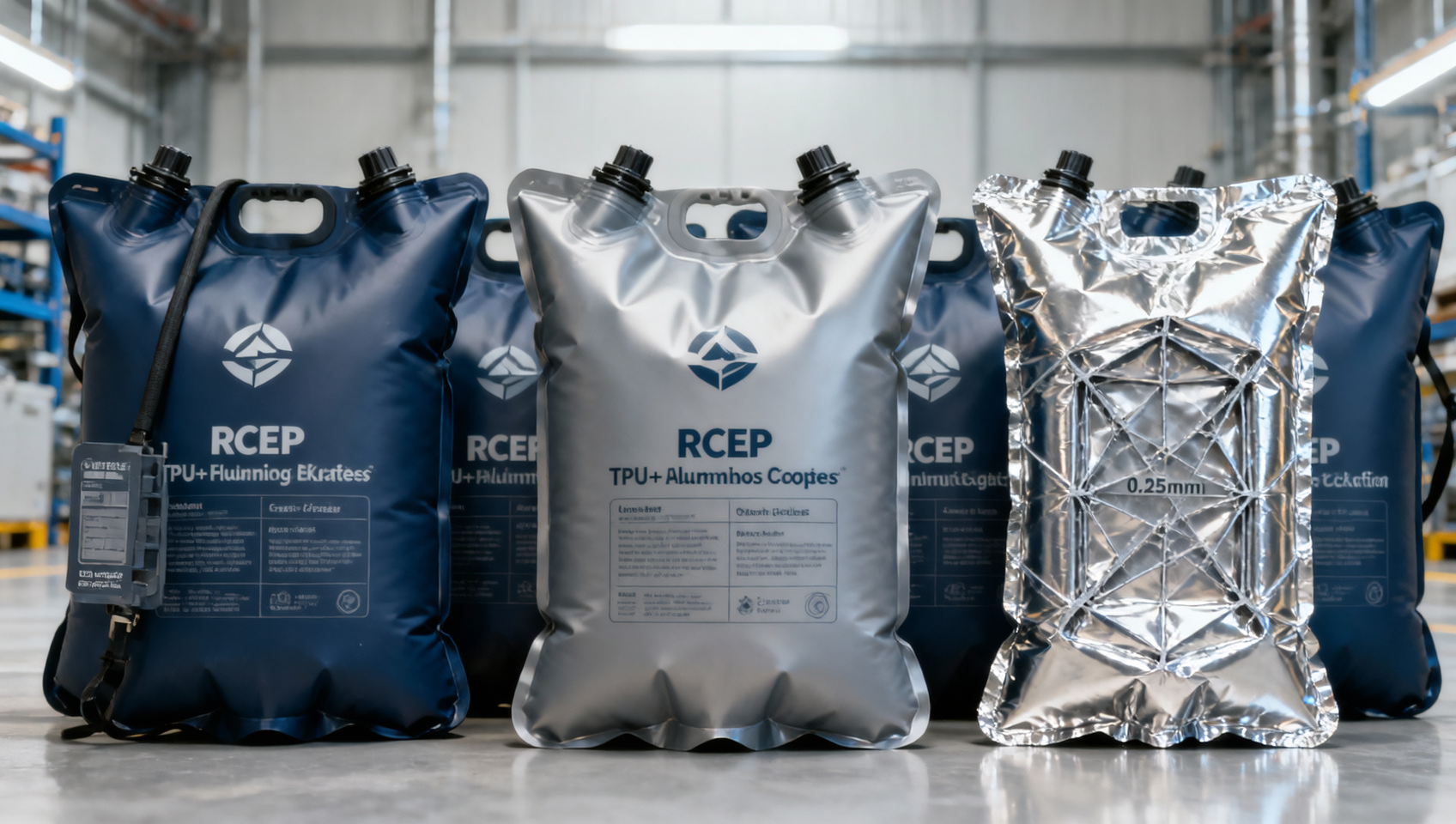
 Camping & WaterApr 22, 2026RCEP Camping Water Bags: Indonesia Cuts Tariff, Sets TPU+Aluminum SpecRCEP Camping Water Bags: Indonesia cuts tariff to 3.4% & mandates TPU+aluminum spec—key opportunity for exporters, TPU suppliers & converters in ASEAN-China supply chains.
 Corporate & Seasonal GiftsApr 22, 2026TÜV Green Packaging LCA Threshold Effective Apr 2026TÜV Green Packaging LCA Threshold takes effect Apr 2026 — mandatory carbon heatmaps & ISO-compliant LCAs for holiday, wedding &文创 packaging. Act now to meet EU tender requirements.
 Beauty DevicesApr 22, 2026Global Li-Battery Recycling Rate Hits 62%: Beauty Device BOM Cost Down 9%Li-battery recycling hits 62% globally—driving 9% BOM cost cuts for beauty devices. Discover how recycled LFP/NCM cells slash lead times & boost margins.
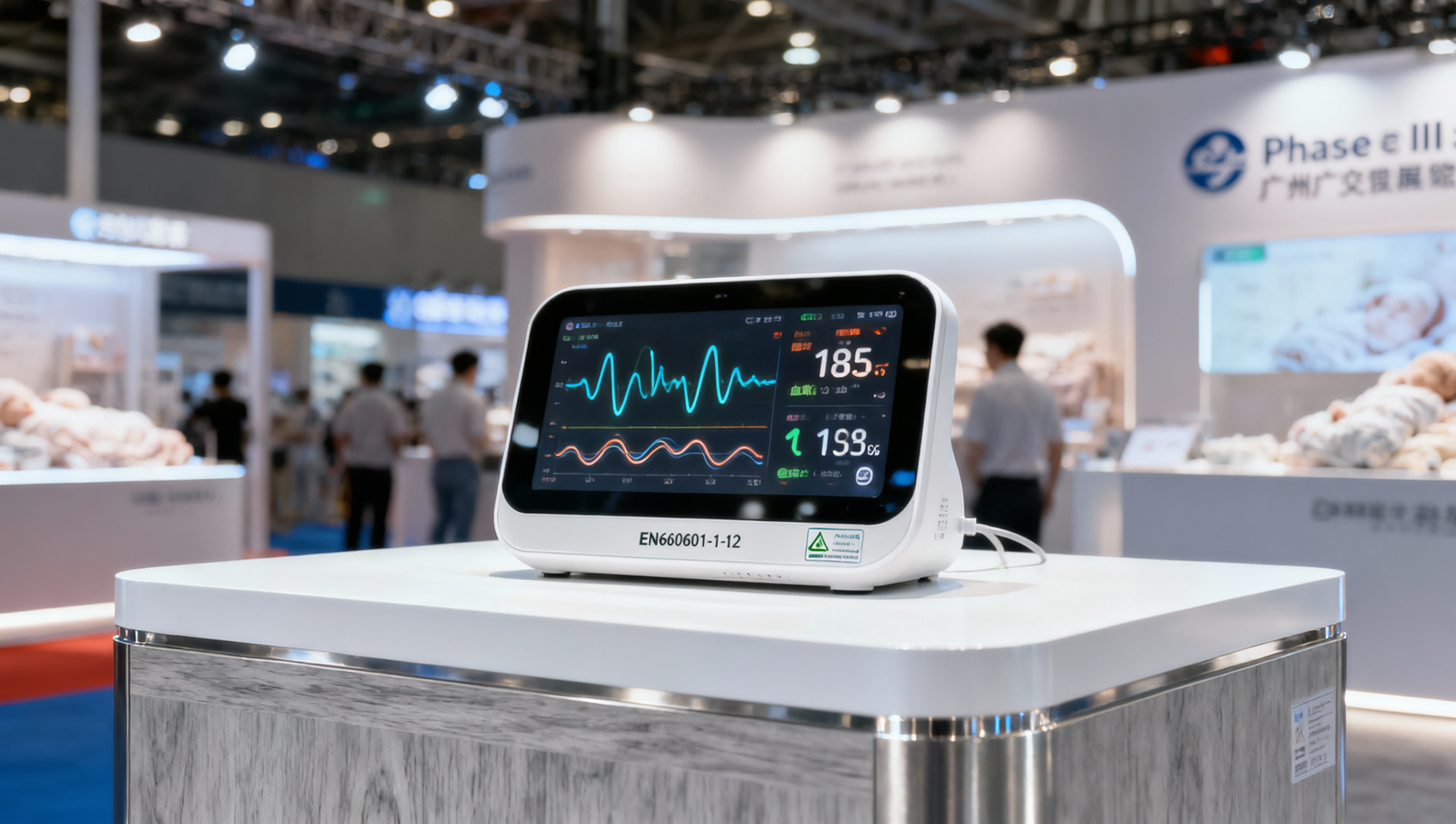
 Nursery Furniture & MonitorsApr 22, 2026Canton Fair Phase III: Infant Monitor Inquiries Surge, EN60601-1-12 Certification Critical for Middle EastEN60601-1-12 certification is now critical for infant monitors targeting the Middle East — Canton Fair Phase III reveals surging buyer demand from UAE & KSA.
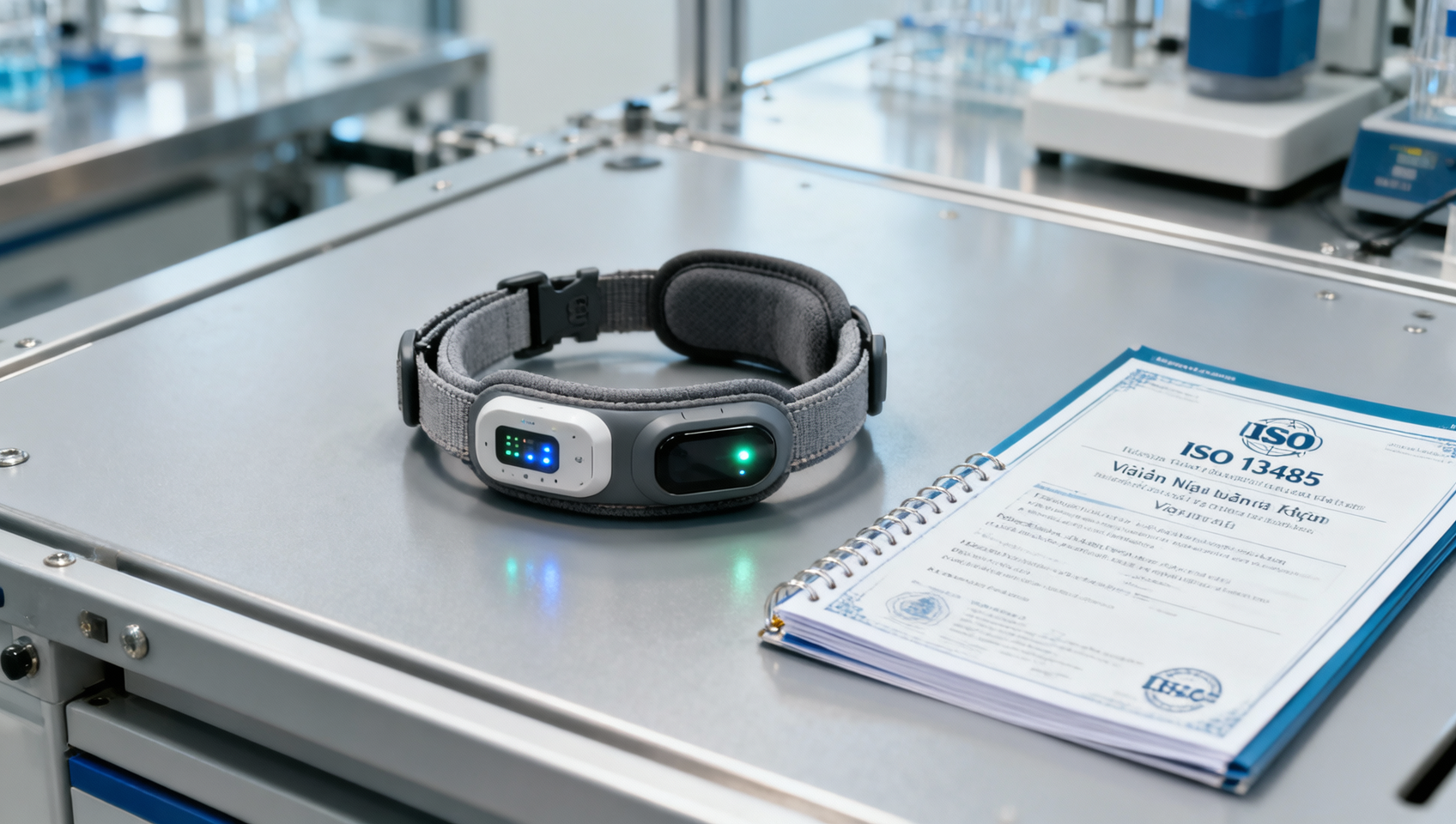
 Smart Pet DevicesApr 22, 2026Vietnam Enforces ISO 13485 + Vietnamese Manual for Smart Pet CollarsISO 13485 + Vietnamese manual now mandatory for smart pet collars entering Vietnam — avoid import delays. Learn compliance essentials for Class IIa medical device classification.
 Infant Feeding & CareApr 22, 2026JETRO Spring Sourcing: Silicone Baby Feeding Items Must Link to BlockchainSilicone baby feeding items must link to blockchain for JETRO Spring Sourcing — avoid 11-day delays & 100% inspections. Act now to ensure compliance.
 STEM & Educational ToysApr 22, 2026SASO Launches 24-Hour AI STEM Toy Certification in Saudi ArabiaSASO's 24-hour AI STEM toy certification now live in Saudi Arabia — fast-track CoC for robotics, voice/vision learning toys meeting GB/T 34667-2025 & IEC 62368-1.
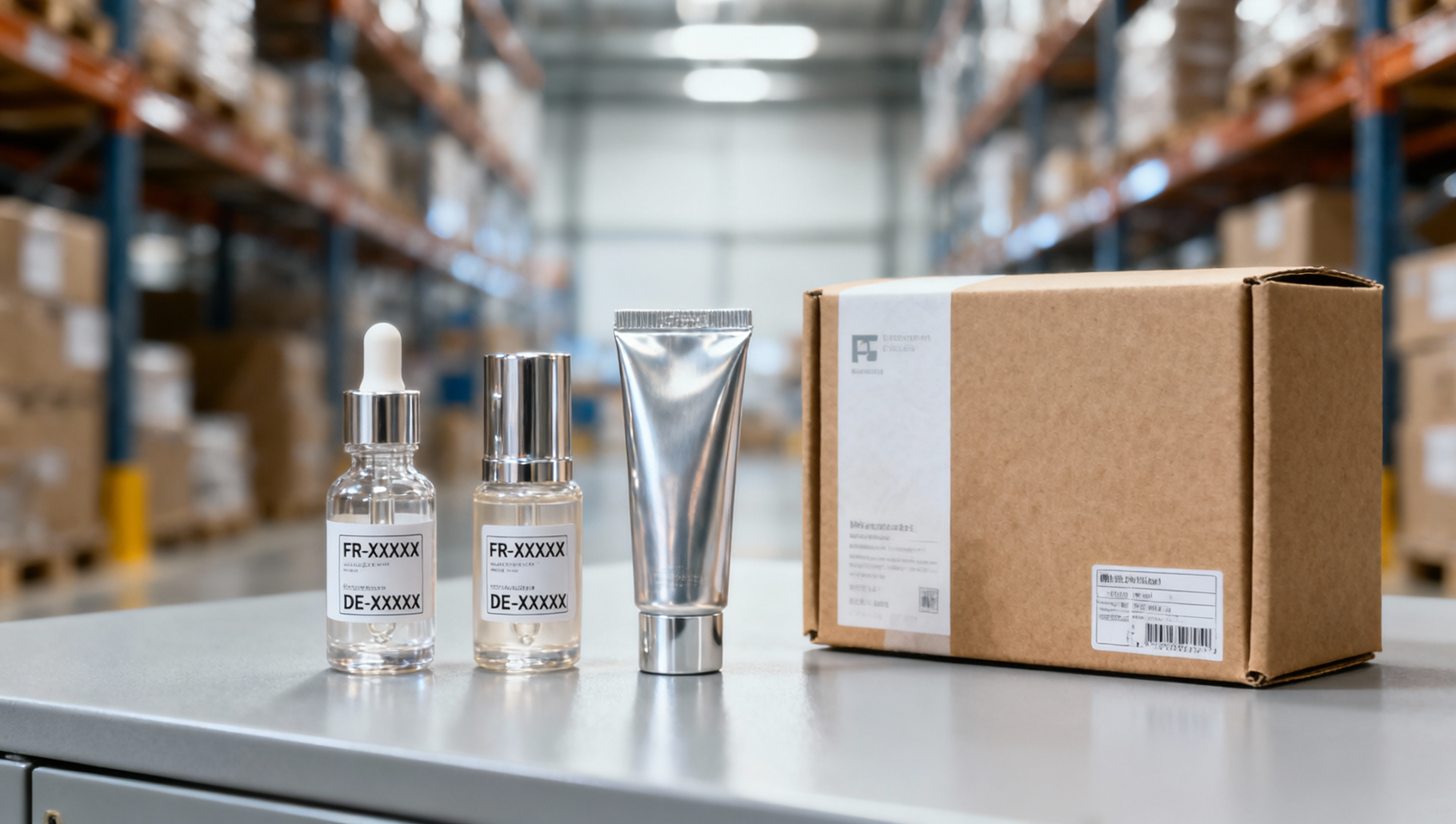
 Cosmetics & PkgApr 22, 2026EU EPR Dual-Country Registration Effective for Beauty PackagingEU EPR dual-country registration is now mandatory for beauty packaging exporters—secure France & Germany compliance before April 22, 2026 to avoid delisting and customs delays.
 Cosmetics & PkgApr 22, 2026FDA Requires Independent VCRP Registration for Cosmetic Packaging as of Apr 21, 2026FDA requires independent VCRP registration for cosmetic packaging by Apr 21, 2026—essential for U.S. importers, Chinese suppliers & OEMs. Act now to avoid delays.
 Cosmetics & PkgApr 21, 2026SAMR Penalizes 7 Platforms for 'Ghost Kitchen' Packaging ViolationsSAMR penalizes 7 platforms for 'ghost kitchen' packaging violations—key alert for food packaging exporters, converters & brands on licensing compliance.
 Cosmetics & PkgApr 21, 2026EU EPR Dual-Country Registration Effective for Beauty PackagingEU EPR Dual-Country Registration is now live for beauty packaging in France & Germany — act now to avoid shipment delays, fees, and customs holds.
 Cosmetics & PkgApr 21, 2026FDA MoCRA Rule: Cosmetic Packaging Must File Separate VCRPFDA MoCRA Rule requires cosmetic packaging—vacuum bottles, pumps, tubes—to file separate VCRP registration by April 17, 2026. Stay compliant & avoid shipment delays!