Japan Enforces Dual PSE+JIS S 2021 Certification for Smart Fitness Devices from April 2026
Japan Enforces Dual PSE+JIS S 2021 Certification for Smart Fitness Devices from April 2026
Introduction
Japan's Ministry of Economy, Trade and Industry (METI) updated its Sports Equipment Import Guidelines on March 27, requiring smart fitness devices with electronic components to obtain both PSE electrical safety certification and JIS S 2021 sports equipment safety standards from April 1, 2026. This regulation directly impacts Chinese fitness equipment manufacturers exporting to Japan, as non-compliant products will face import bans or removal from shelves. The policy also affects European and American distributors reselling to the Japanese market, necessitating factory re-inspections and technical documentation updates.
Event Overview
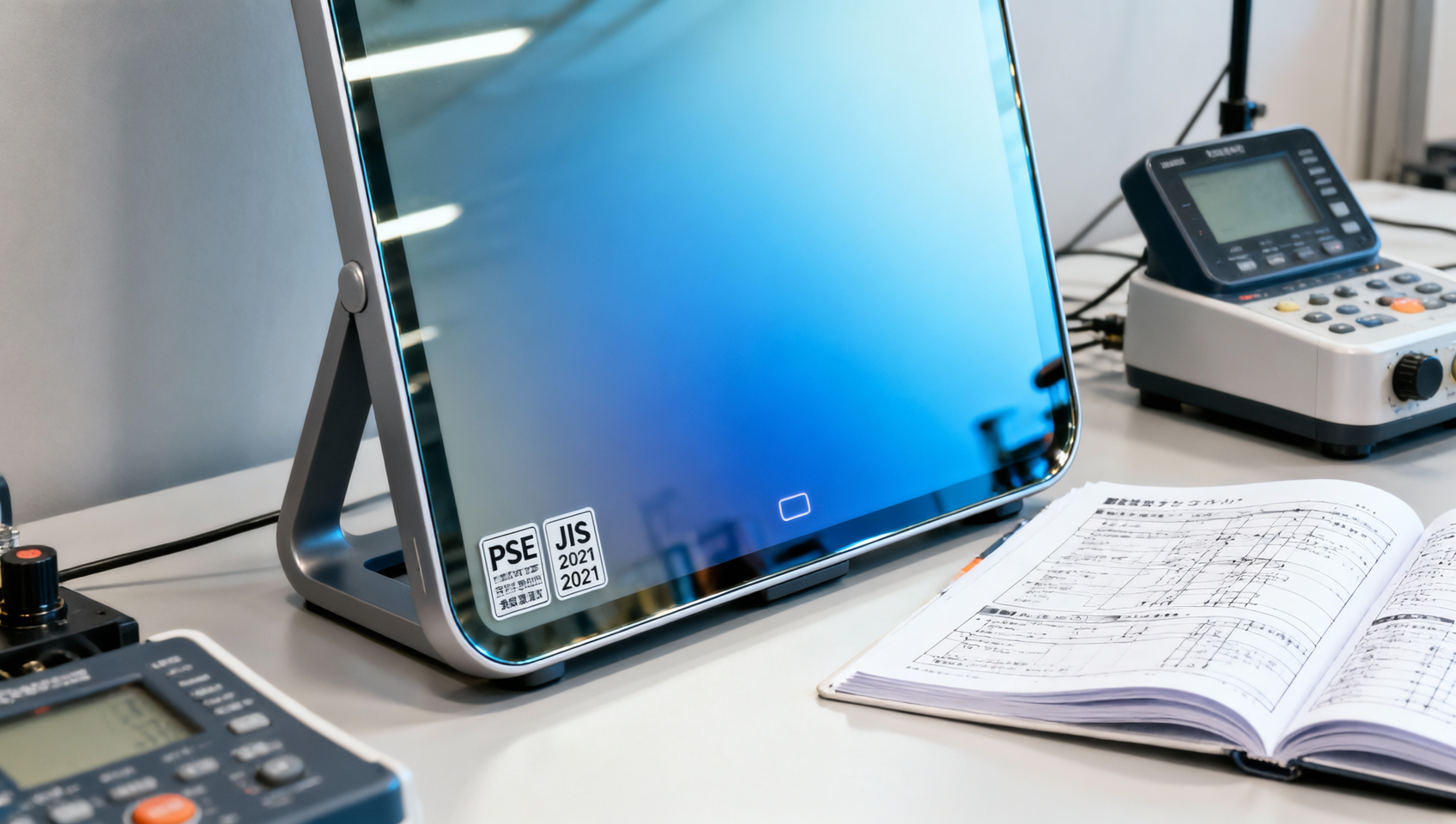
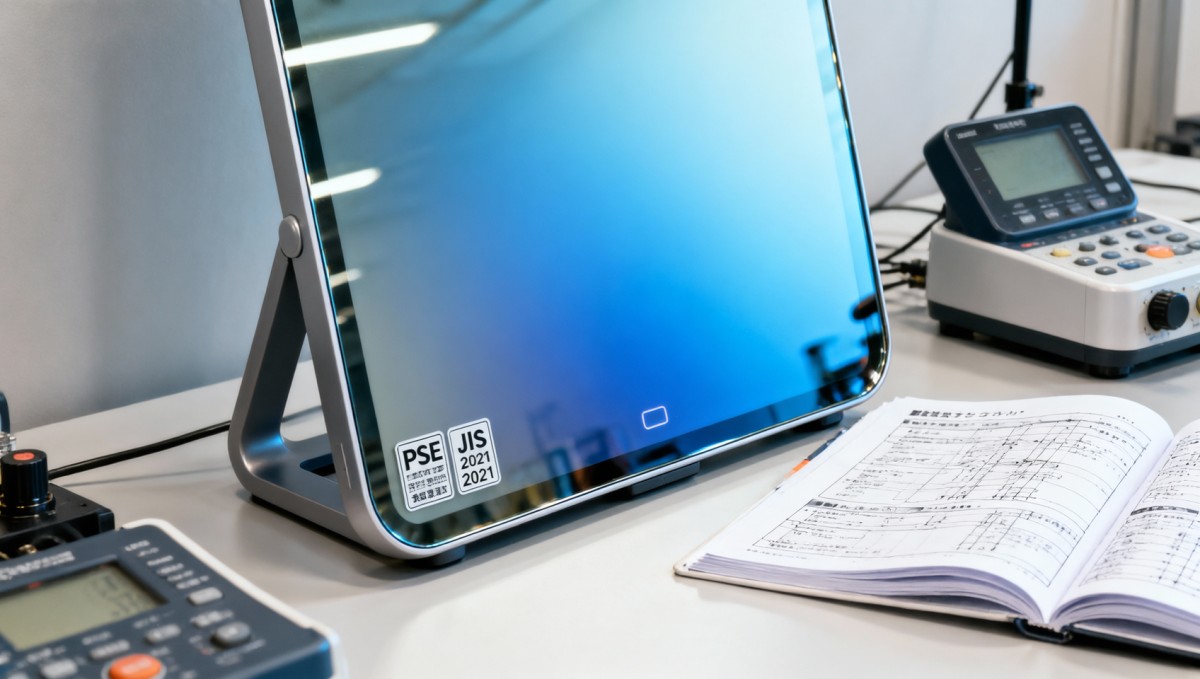
From April 2026, Japan will mandate dual certification (PSE + JIS S 2021) for smart fitness mirrors, motion-sensing training devices, AI interactive training mats, and similar products containing electronic components. The METI announcement specifies that:
- Existing PSE certification alone will no longer suffice for customs clearance
- Technical documentation must demonstrate compliance with JIS S 2021's mechanical safety and durability requirements
- OEM products sold through third-country distributors require additional supply chain transparency declarations
Impact on Sub-sectors
1. Fitness Equipment Manufacturers
Chinese OEMs supplying Japanese brands face immediate compliance costs, including:
- Redesigning product structures to meet JIS S 2021's impact resistance and load-bearing standards
- Additional testing fees averaging ¥120,000-¥200,000 per product model
- Potential production line modifications for electronic component shielding
2. Cross-border E-commerce Operators
Platforms selling directly to Japanese consumers must:
- Verify certification status for all smart fitness listings by Q1 2026
- Update product documentation requirements for marketplace sellers
- Factor in potential 2-3 month certification delays for new product launches
3. Component Suppliers
Battery and sensor providers need to:
- Coordinate with manufacturers on JIS S 2021-compliant technical specifications
- Prepare updated test reports for client certification packages
- Anticipate possible component substitution requests for existing orders
Key Action Points
1. Certification Timeline Planning
Given typical 4-6 month processing periods, manufacturers should initiate compliance procedures by Q3 2025 at the latest. Priority should go to:
- Top-selling products in Japan (e.g., smart yoga mats, connected dumbbells)
- New models scheduled for 2026 releases
2. Supply Chain Documentation
Prepare:
- Component-level safety data from suppliers
- Detailed assembly process descriptions
- Japanese-language user manuals meeting JIS formatting requirements
3. Market Diversification Considerations
While ensuring Japan compliance, exporters may explore:
- Testing alternative markets with less stringent requirements
- Developing non-electronic product variants for Japan
- Seeking JIS pre-certification through Japanese partner companies
Industry Perspective
Analysis shows this move aligns with Japan's broader trend of integrating IoT safety standards across consumer goods. The dual certification requirement:
- Significantly raises the compliance barrier for price-competitive Chinese manufacturers
- May accelerate industry consolidation as smaller producers struggle with certification costs
- Creates opportunities for testing laboratories and compliance consultancies
From a regulatory standpoint, this appears more than a temporary measure—METI's inclusion of resale products indicates comprehensive enforcement intent.
Conclusion
The 2026 certification update represents a structural shift in Japan's fitness equipment import standards. While challenging, proactive compliance planning can turn this into a competitive advantage for prepared manufacturers. The industry should monitor METI's implementation guidelines expected in late 2024 for further clarification on testing methodologies and grandfathering provisions.
Source Information
Primary source: Japan METI Revised Sports Equipment Import Guidelines (March 27, 2026 announcement)
Pending clarification: Transition period for existing inventory in Japanese warehouses
Related Intelligence
 Cosmetics & PkgApr 22, 2026SAMR Penalizes 7 Platforms for 'Ghost Kitchen' Packaging ViolationsSAMR penalizes 7 platforms for 'ghost kitchen' packaging violations—critical for food-grade packaging OEMs, suppliers & procurement teams. Act now.
 Camping & WaterApr 22, 2026RCEP Camping Water Bags: Indonesia Cuts Tariff, Sets TPU+Aluminum SpecRCEP Camping Water Bags: Indonesia cuts tariff to 3.4% & mandates TPU+aluminum spec—key opportunity for exporters, TPU suppliers & converters in ASEAN-China supply chains.
 Corporate & Seasonal GiftsApr 22, 2026TÜV Green Packaging LCA Threshold Effective Apr 2026TÜV Green Packaging LCA Threshold takes effect Apr 2026 — mandatory carbon heatmaps & ISO-compliant LCAs for holiday, wedding &文创 packaging. Act now to meet EU tender requirements.
 Beauty DevicesApr 22, 2026Global Li-Battery Recycling Rate Hits 62%: Beauty Device BOM Cost Down 9%Li-battery recycling hits 62% globally—driving 9% BOM cost cuts for beauty devices. Discover how recycled LFP/NCM cells slash lead times & boost margins.
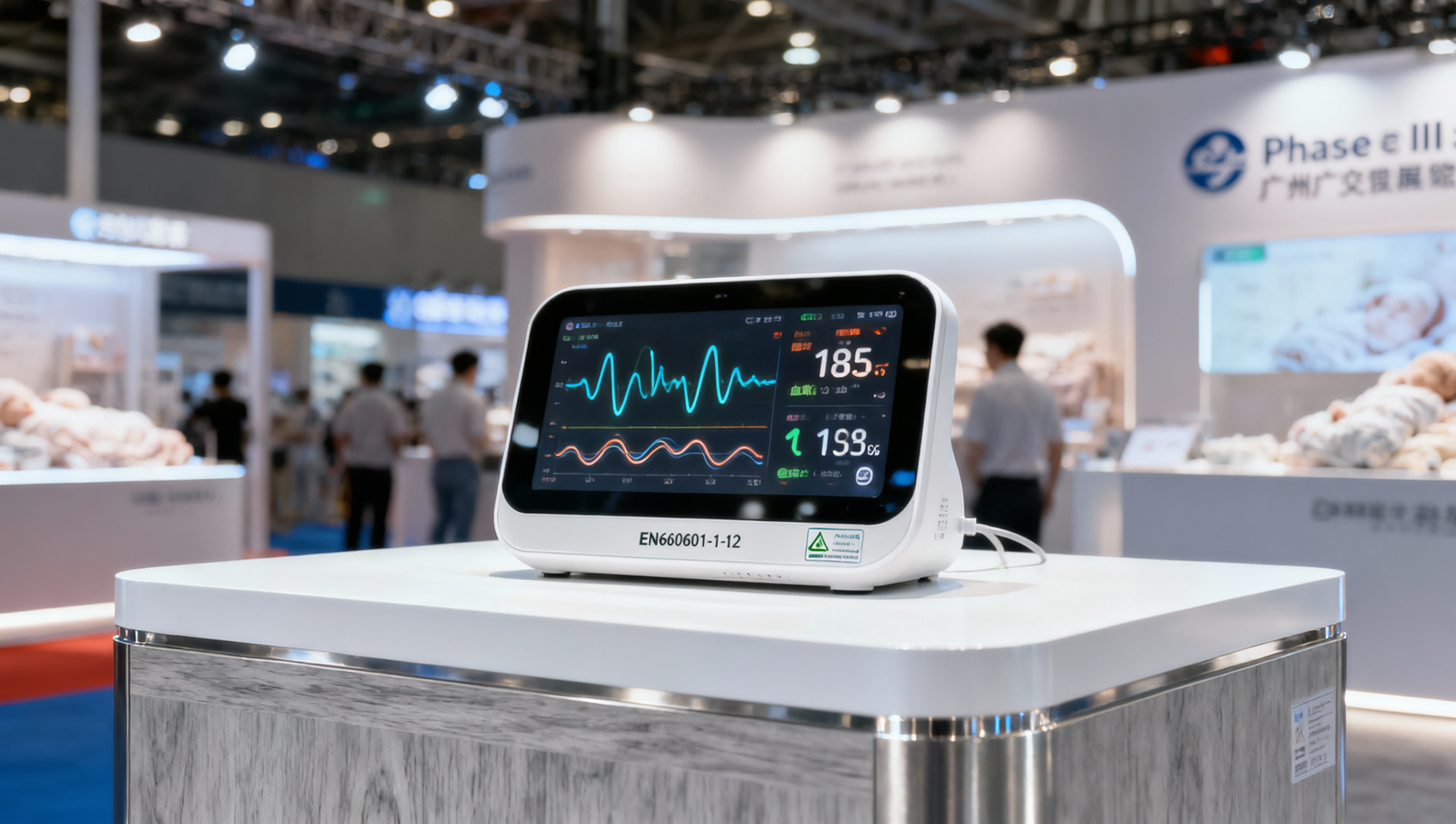
 Nursery Furniture & MonitorsApr 22, 2026Canton Fair Phase III: Infant Monitor Inquiries Surge, EN60601-1-12 Certification Critical for Middle EastEN60601-1-12 certification is now critical for infant monitors targeting the Middle East — Canton Fair Phase III reveals surging buyer demand from UAE & KSA.
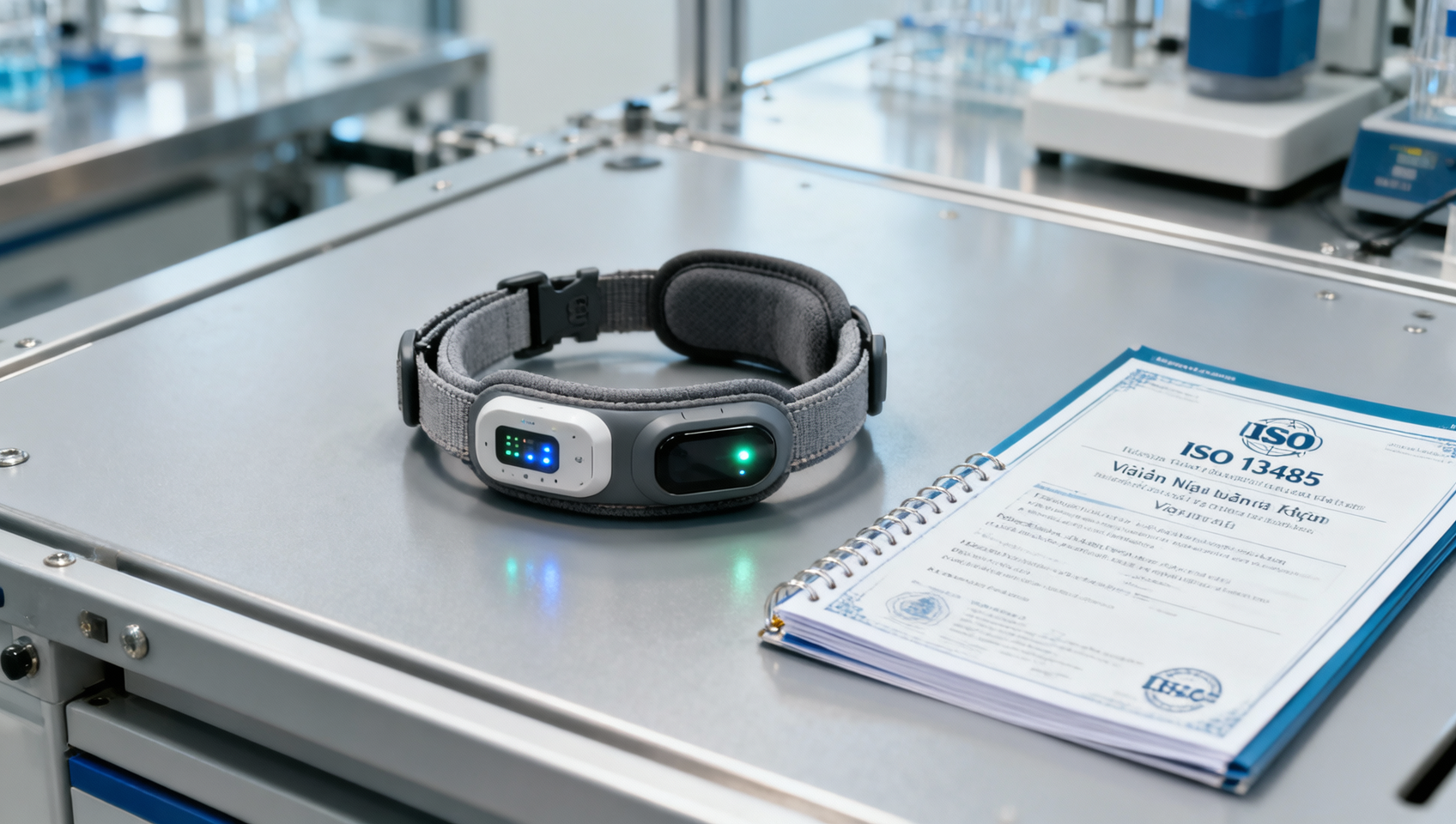
 Smart Pet DevicesApr 22, 2026Vietnam Enforces ISO 13485 + Vietnamese Manual for Smart Pet CollarsISO 13485 + Vietnamese manual now mandatory for smart pet collars entering Vietnam — avoid import delays. Learn compliance essentials for Class IIa medical device classification.
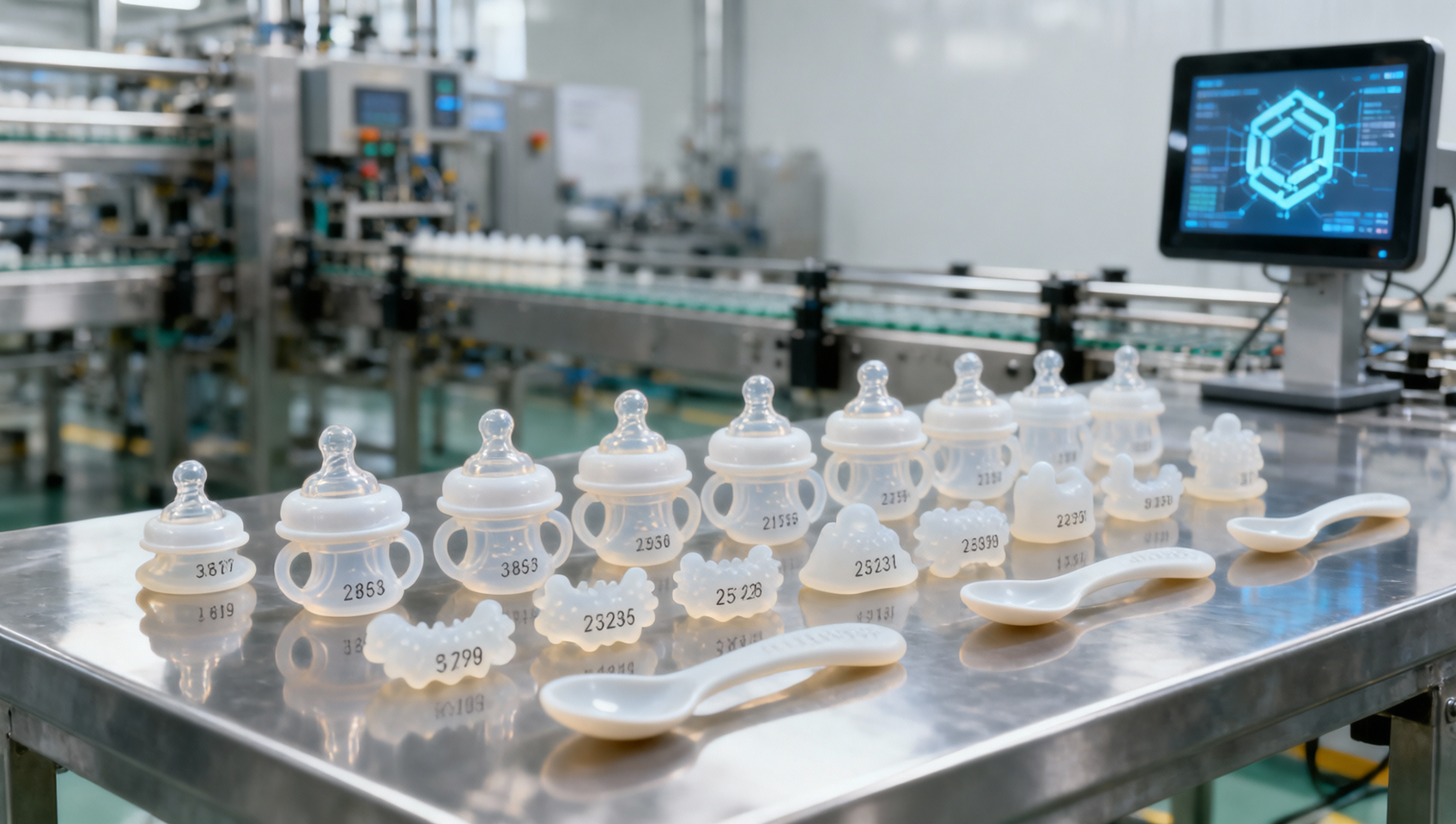
 Infant Feeding & CareApr 22, 2026JETRO Spring Sourcing: Silicone Baby Feeding Items Must Link to BlockchainSilicone baby feeding items must link to blockchain for JETRO Spring Sourcing — avoid 11-day delays & 100% inspections. Act now to ensure compliance.
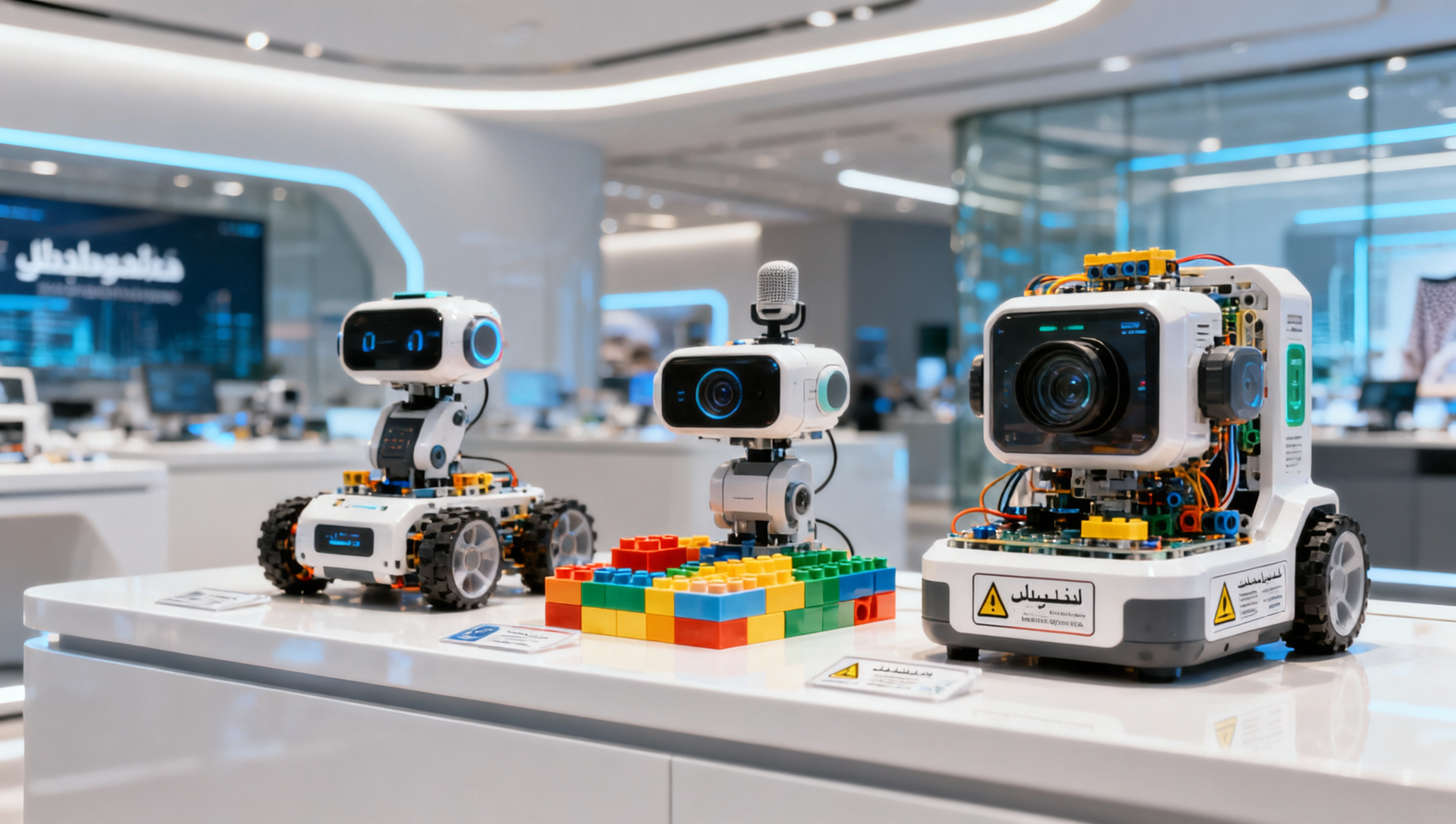
 STEM & Educational ToysApr 22, 2026SASO Launches 24-Hour AI STEM Toy Certification in Saudi ArabiaSASO's 24-hour AI STEM toy certification now live in Saudi Arabia — fast-track CoC for robotics, voice/vision learning toys meeting GB/T 34667-2025 & IEC 62368-1.
 Cosmetics & PkgApr 22, 2026EU EPR Dual-Country Registration Effective for Beauty PackagingEU EPR dual-country registration is now mandatory for beauty packaging exporters—secure France & Germany compliance before April 22, 2026 to avoid delisting and customs delays.
 Cosmetics & PkgApr 22, 2026FDA Requires Independent VCRP Registration for Cosmetic Packaging as of Apr 21, 2026FDA requires independent VCRP registration for cosmetic packaging by Apr 21, 2026—essential for U.S. importers, Chinese suppliers & OEMs. Act now to avoid delays.
 Cosmetics & PkgApr 21, 2026SAMR Penalizes 7 Platforms for 'Ghost Kitchen' Packaging ViolationsSAMR penalizes 7 platforms for 'ghost kitchen' packaging violations—key alert for food packaging exporters, converters & brands on licensing compliance.
 Cosmetics & PkgApr 21, 2026EU EPR Dual-Country Registration Effective for Beauty PackagingEU EPR Dual-Country Registration is now live for beauty packaging in France & Germany — act now to avoid shipment delays, fees, and customs holds.
 Cosmetics & PkgApr 21, 2026FDA MoCRA Rule: Cosmetic Packaging Must File Separate VCRPFDA MoCRA Rule requires cosmetic packaging—vacuum bottles, pumps, tubes—to file separate VCRP registration by April 17, 2026. Stay compliant & avoid shipment delays!