US CPSC Issues Urgent Compliance Alert for Children's Fitness Equipment: New ASTM F3493-25 Standard Requires Bilingual Warning Labels Within 60 Days
Introduction
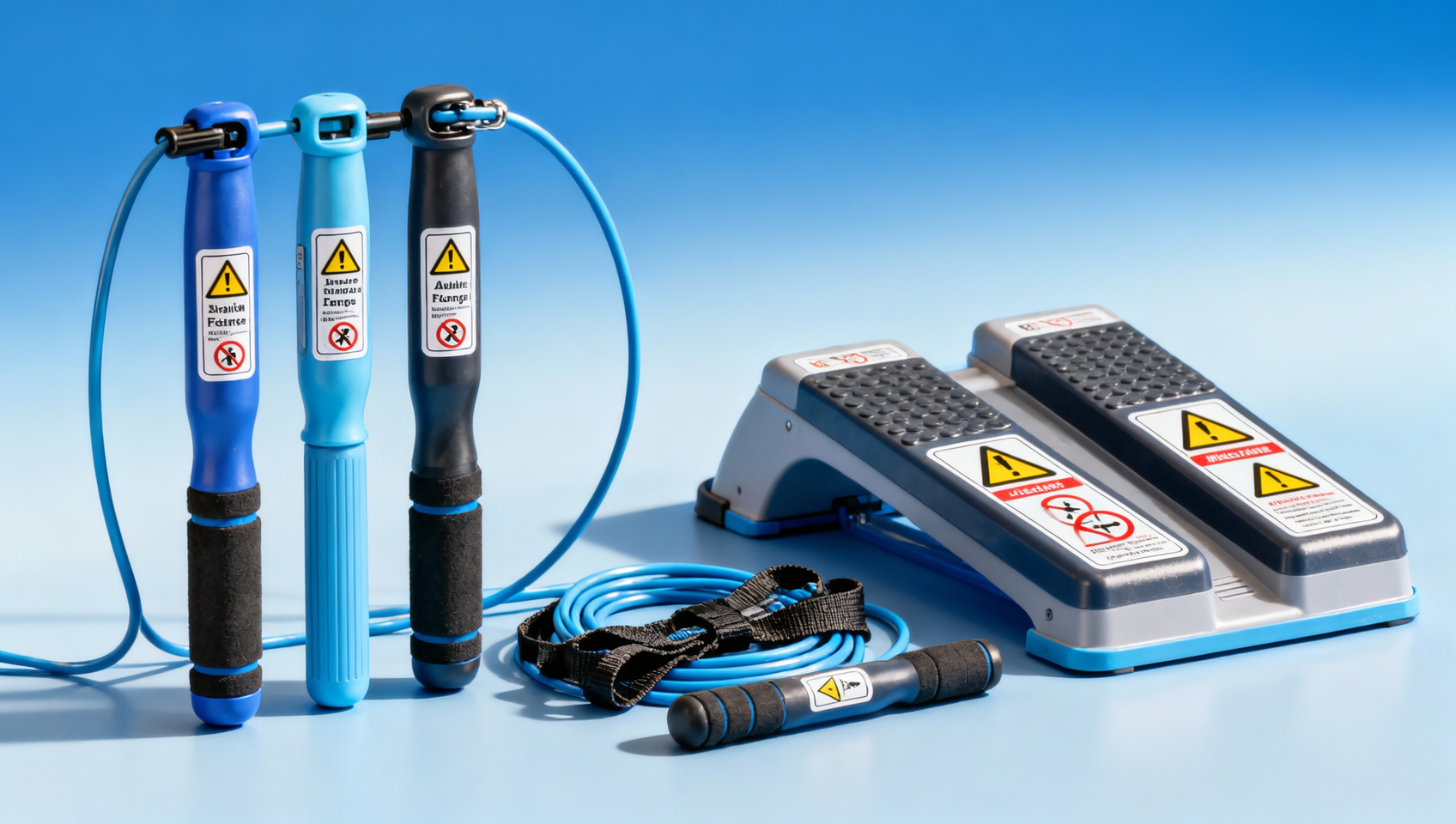
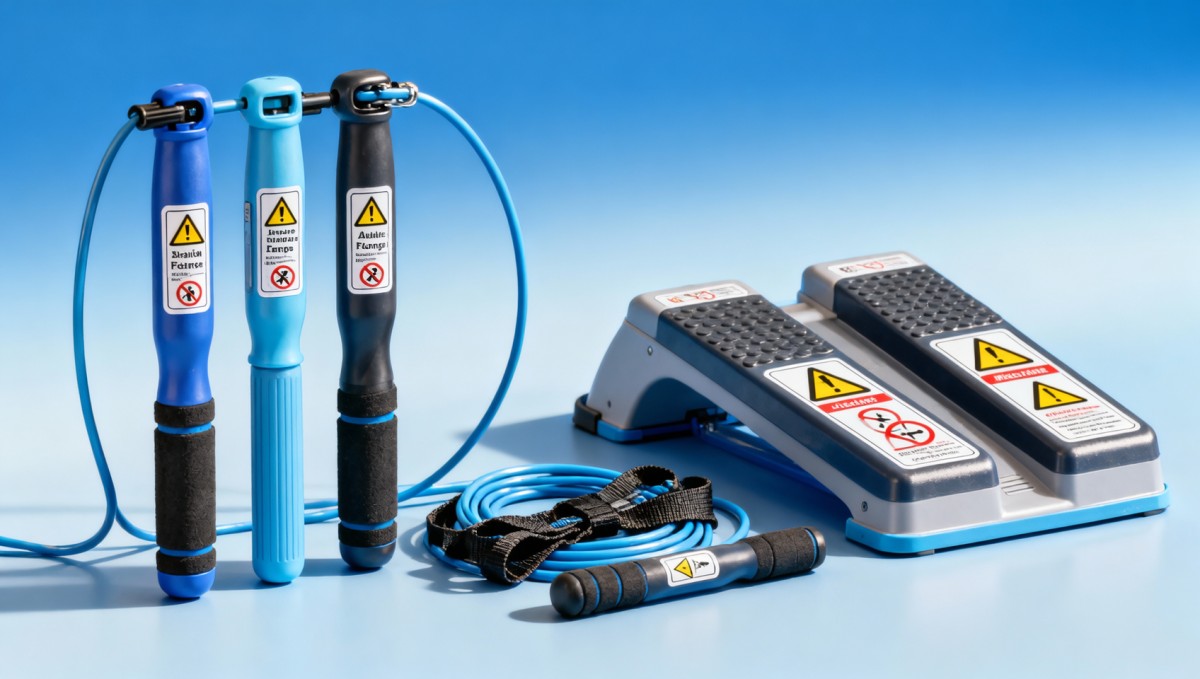
On March 26, 2026, the U.S. Consumer Product Safety Commission (CPSC) issued an urgent compliance notice requiring all fitness equipment designed for children under 12 (including smart jump ropes, resistance band sets, and mini steppers) to meet the new ASTM F3493-25 standard. Manufacturers and exporters must affix bilingual (English + Spanish/English + French) warning labels and update product manuals within 60 days. Non-compliant products will face import rejection or recalls. This development is critical for children's fitness equipment manufacturers, exporters, and supply chain stakeholders, as it directly impacts product compliance, market access, and operational timelines.
Event Overview
The CPSC's announcement mandates that all children's fitness equipment sold in the U.S. must comply with ASTM F3493-25, a new safety standard addressing mechanical hazards, material toxicity, and usage instructions. Key requirements include:
- Bilingual warning labels (English + Spanish or English + French) on products and packaging
- Updated instruction manuals reflecting new safety guidelines
- 60-day implementation window (by May 25, 2026)
Impact on Sub-Sectors
Direct Exporters
Manufacturers shipping children's fitness equipment to the U.S. must immediately verify product designs against ASTM F3493-25. Analysis shows the most affected items include smart jump ropes with electronic counters, elastic resistance bands with handles, and compact cardio machines. Current shipments without updated labeling risk being held at ports.
OEM/ODM Suppliers
Contract manufacturers producing for U.S. brands need to coordinate label redesigns and manual updates. From an industry perspective, this may require temporary production pauses for SKU-specific modifications, particularly for multi-language packaging.
Supply Chain Service Providers
Logistics and warehousing providers should anticipate delays as exporters rush to relabel inventory. Current observations suggest a surge in demand for bilingual labeling services in major export hubs like Shenzhen and Ningbo.
Key Action Points for Businesses
Prioritize High-Risk Categories
Focus first on products with moving parts or tension mechanisms (e.g., jump ropes, resistance bands), which face stricter documentation requirements under the new standard.
Verify Labeling Specifications
The CPSC requires specific font sizes and pictograms for warning labels. Current best practice is to cross-check samples against CPSC's 2026 Labeling Guidance Appendix B before mass production.
Monitor Enforcement Patterns
While the 60-day deadline is absolute, industry observers note CPSC typically prioritizes enforcement based on injury reports. Smart fitness gear with connectivity features may face earlier scrutiny.
Editor's Observation
This development signals CPSC's heightened focus on children's active equipment safety following a 23% rise in related injuries (2022-2025). The bilingual requirement reflects demographic shifts in U.S. consumer markets. Rather than viewing this as an isolated compliance update, industry players should treat it as part of broader regulatory trends combining product safety with accessibility standards.
Conclusion
The ASTM F3493-25 update represents a operational challenge with strategic implications. While the immediate priority is label compliance, manufacturers should use this mandate to review broader product safety protocols. The 60-day window allows for tactical adjustments but requires swift coordination across design, production, and logistics teams.
Source Information
- Primary Source: CPSC Emergency Compliance Notice 2026-0326
- Pending Clarification: Whether the bilingual requirement applies to e-commerce product descriptions
Related Intelligence
 Cosmetics & PkgApr 22, 2026SAMR Penalizes 7 Platforms for 'Ghost Kitchen' Packaging ViolationsSAMR penalizes 7 platforms for 'ghost kitchen' packaging violations—critical for food-grade packaging OEMs, suppliers & procurement teams. Act now.
 Camping & WaterApr 22, 2026RCEP Camping Water Bags: Indonesia Cuts Tariff, Sets TPU+Aluminum SpecRCEP Camping Water Bags: Indonesia cuts tariff to 3.4% & mandates TPU+aluminum spec—key opportunity for exporters, TPU suppliers & converters in ASEAN-China supply chains.
 Corporate & Seasonal GiftsApr 22, 2026TÜV Green Packaging LCA Threshold Effective Apr 2026TÜV Green Packaging LCA Threshold takes effect Apr 2026 — mandatory carbon heatmaps & ISO-compliant LCAs for holiday, wedding &文创 packaging. Act now to meet EU tender requirements.
 Beauty DevicesApr 22, 2026Global Li-Battery Recycling Rate Hits 62%: Beauty Device BOM Cost Down 9%Li-battery recycling hits 62% globally—driving 9% BOM cost cuts for beauty devices. Discover how recycled LFP/NCM cells slash lead times & boost margins.
 Nursery Furniture & MonitorsApr 22, 2026Canton Fair Phase III: Infant Monitor Inquiries Surge, EN60601-1-12 Certification Critical for Middle EastEN60601-1-12 certification is now critical for infant monitors targeting the Middle East — Canton Fair Phase III reveals surging buyer demand from UAE & KSA.
 Smart Pet DevicesApr 22, 2026Vietnam Enforces ISO 13485 + Vietnamese Manual for Smart Pet CollarsISO 13485 + Vietnamese manual now mandatory for smart pet collars entering Vietnam — avoid import delays. Learn compliance essentials for Class IIa medical device classification.
 Infant Feeding & CareApr 22, 2026JETRO Spring Sourcing: Silicone Baby Feeding Items Must Link to BlockchainSilicone baby feeding items must link to blockchain for JETRO Spring Sourcing — avoid 11-day delays & 100% inspections. Act now to ensure compliance.
 STEM & Educational ToysApr 22, 2026SASO Launches 24-Hour AI STEM Toy Certification in Saudi ArabiaSASO's 24-hour AI STEM toy certification now live in Saudi Arabia — fast-track CoC for robotics, voice/vision learning toys meeting GB/T 34667-2025 & IEC 62368-1.
 Cosmetics & PkgApr 22, 2026EU EPR Dual-Country Registration Effective for Beauty PackagingEU EPR dual-country registration is now mandatory for beauty packaging exporters—secure France & Germany compliance before April 22, 2026 to avoid delisting and customs delays.
 Cosmetics & PkgApr 22, 2026FDA Requires Independent VCRP Registration for Cosmetic Packaging as of Apr 21, 2026FDA requires independent VCRP registration for cosmetic packaging by Apr 21, 2026—essential for U.S. importers, Chinese suppliers & OEMs. Act now to avoid delays.
 Cosmetics & PkgApr 21, 2026SAMR Penalizes 7 Platforms for 'Ghost Kitchen' Packaging ViolationsSAMR penalizes 7 platforms for 'ghost kitchen' packaging violations—key alert for food packaging exporters, converters & brands on licensing compliance.
 Cosmetics & PkgApr 21, 2026EU EPR Dual-Country Registration Effective for Beauty PackagingEU EPR Dual-Country Registration is now live for beauty packaging in France & Germany — act now to avoid shipment delays, fees, and customs holds.
 Cosmetics & PkgApr 21, 2026FDA MoCRA Rule: Cosmetic Packaging Must File Separate VCRPFDA MoCRA Rule requires cosmetic packaging—vacuum bottles, pumps, tubes—to file separate VCRP registration by April 17, 2026. Stay compliant & avoid shipment delays!