BPA Free Baby Bottles: How to Judge Safety Beyond the Label
For quality control and safety managers, evaluating BPA free baby bottles requires more than trusting packaging claims. True product safety depends on material traceability, migration testing, certification validity, and manufacturing consistency. This guide explains how to assess real compliance risks behind the label, helping sourcing and quality teams make safer, more informed decisions in today’s global baby product supply chain.
Why “BPA Free Baby Bottles” Is Only the Starting Point for Safety Review
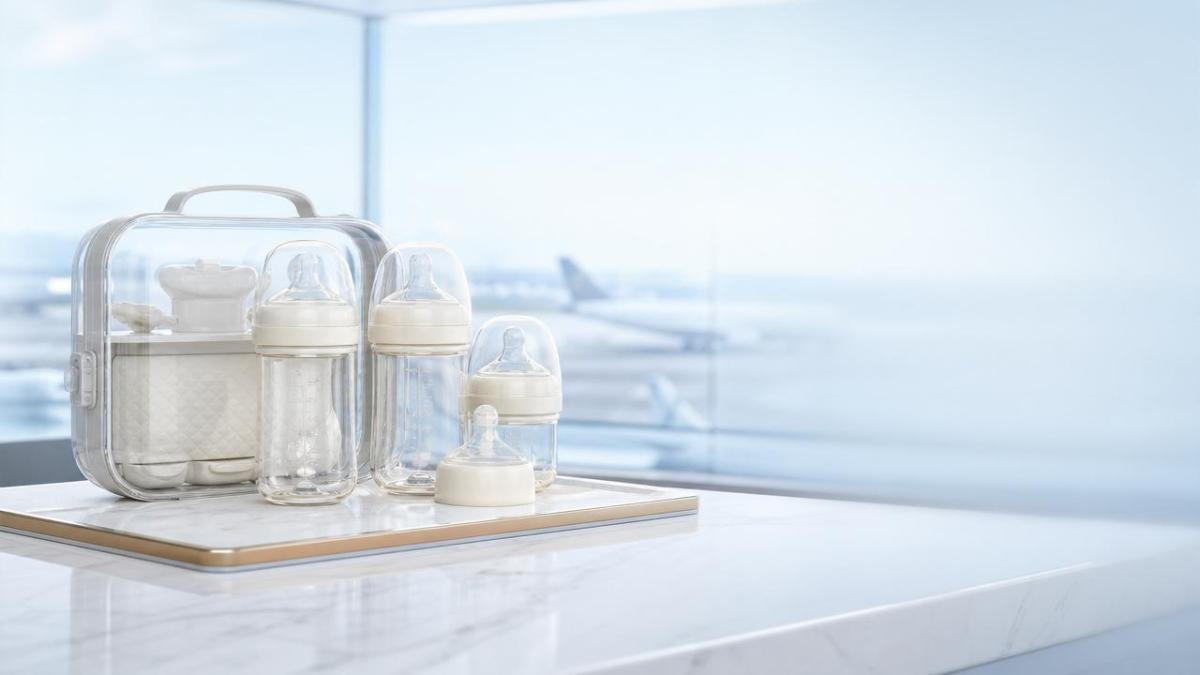
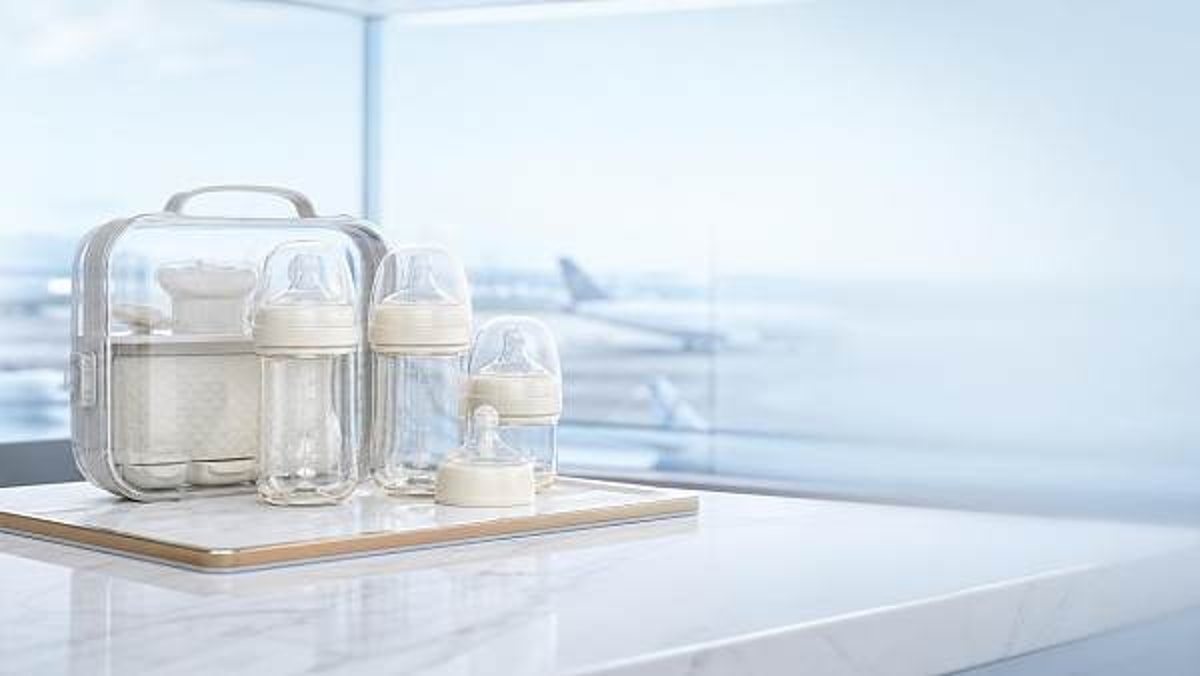
In travel service channels, baby feeding products often appear in hotel family amenities, airport retail, travel kits, maternity concierge packs, cruise child-care programs, and destination resort gift shops. For quality control teams managing these supply chains, a BPA free label is useful but incomplete. It says one restricted substance may be absent, yet it does not confirm overall material safety, production stability, or suitability for repeated use under travel-related conditions.
This matters because travel environments create extra variables. Bottles may be exposed to heat during transit, rapid cleaning cycles in hospitality operations, long storage times in inventory, and mixed regulatory expectations across sourcing and destination markets. A bottle marketed as BPA free can still raise concerns if it uses substitute chemicals with unclear migration profiles, has weak traceability records, or lacks consistent lot-level testing.
For safety managers, the real question is not simply, “Is it BPA free?” The better question is, “Can this supplier prove repeatable safety performance from raw material to finished shipment?” That is where structured sourcing intelligence becomes essential, especially when procurement teams must balance guest safety, brand reputation, delivery speed, and multi-market compliance.
- Packaging claims may not describe the full resin composition, additives, colorants, or printing inks.
- Hospitality and travel retail often require long shelf life and broad temperature tolerance, increasing the need for migration and durability review.
- Cross-border sourcing can create document gaps if certificates, declarations, and test reports are not linked to the exact production batch.
What quality teams should verify beyond the BPA free baby bottles label
A practical review framework should move from claim validation to risk verification. In baby and maternity sourcing for travel service operators, the safest decision usually comes from comparing documentation, materials, process controls, and intended-use scenarios together rather than in isolation.
Core checkpoints for supplier assessment
- Confirm the exact primary material, such as PP, PPSU, silicone, or glass, and ask whether any recycled content is used in food-contact parts.
- Request a declaration covering food-contact compliance, not only a BPA free statement. The declaration should reference applicable destination-market requirements.
- Review migration testing scope, including overall migration and, where relevant, specific substance screening tied to additives or colorants.
- Check whether test reports are recent, linked to the same factory, and reasonably aligned with the bottle configuration you intend to buy.
- Evaluate manufacturing consistency through incoming material control, mold maintenance, sealing performance checks, and batch coding practices.
For travel service procurement, another point is packaging integrity. Bottles sold in airport shops or provided in premium family travel programs may face rough handling, climate shifts, and compressed replenishment timelines. If secondary packaging fails, product contamination risk increases even when the bottle itself meets material requirements.
The table below helps quality and safety managers evaluate BPA free baby bottles using a broader compliance lens relevant to hospitality sourcing, travel retail, and cross-border private-label programs.
This framework reduces the risk of approving BPA free baby bottles on label language alone. It also helps internal teams explain sourcing decisions to procurement, legal, and customer-facing travel operations stakeholders.
Which materials are commonly used, and what are the trade-offs?
Not all BPA free baby bottles perform the same way. The label can apply to several material families, each with different cost, durability, clarity, heat resistance, and operational fit. For travel service businesses, the right material depends on whether the bottle is intended for retail sale, complimentary family packages, short-trip convenience kits, or repeated use in child-friendly hospitality programs.
Material comparison for sourcing decisions
The next comparison table is useful when selecting BPA free baby bottles for premium travel retail, hotel family offerings, or private-label tourism merchandise with different budget and service requirements.
For most travel service operators, PP may suit value-oriented amenity programs, while PPSU can fit premium family hospitality packages. Glass may work for selective retail shelves but usually requires tighter logistics control. The point is not to choose the most expensive option, but to choose the material whose safety profile matches actual service conditions.
How to review standards, certificates, and test reports without missing hidden risk
A frequent sourcing mistake is treating any certificate as proof of full compliance. Quality managers should instead test the document chain for relevance, recency, scope, and product match. A BPA free baby bottles claim is credible only when the supporting records relate to the same product family, bill of materials, and manufacturing site.
Key document review questions
- Does the report identify the tested material or finished product clearly enough to match your SKU or proposed customization?
- Was the testing performed recently enough to reflect current raw materials and current factory conditions?
- Do declarations mention food-contact suitability and relevant destination-market frameworks rather than only broad marketing phrases?
- Are printed inks, decorations, handles, caps, and nipples covered where needed, or was only the bottle body considered?
In tourism-linked retail and hospitality programs, document discipline matters because products may cross several jurisdictions before reaching the user. A supplier may provide one clean-looking test report, yet if the private-label version changes color, printing, or accessory configuration, the original evidence may no longer be enough for internal approval.
This is where GCS creates value for sourcing and quality teams. By bringing together retail analysts, product safety compliance expertise, and supply chain insight, GCS helps buyers ask better technical questions earlier. That reduces last-minute shipment delays, document chases, and approval reversals that often disrupt travel service launch schedules.
What procurement teams in travel service should include in a practical approval workflow
A strong workflow prevents the common gap between commercial selection and safety readiness. Travel service businesses often work under tight seasonal launches, supplier consolidation targets, and packaging customization deadlines. BPA free baby bottles should therefore pass through a staged review process before volume commitment.
Suggested approval sequence
- Define the use case: retail shelf sale, room amenity, travel kit inclusion, or premium family package.
- Set destination-market compliance requirements and identify any internal hospitality safety policies.
- Collect material data, declarations, and test reports before confirming artwork or packaging formats.
- Review samples for odor, sealing, assembly quality, print adhesion, and packaging robustness.
- Assess pilot production consistency, batch traceability, and supplier responsiveness to corrective actions.
- Approve only after commercial, operational, and safety checkpoints align.
This process helps teams avoid an expensive pattern: the bottle passes visual review, packaging is printed, orders are booked, and only then does compliance reveal a mismatch between documents and actual product configuration. For airport stores, resorts, and travel marketplaces, such delays can erase peak-season sales opportunities.
Common mistakes when sourcing BPA free baby bottles for hospitality and travel retail
Even experienced teams can overlook risks when timelines are tight. The following issues appear often in baby and maternity sourcing linked to tourism, especially when multiple intermediaries are involved.
Mistakes worth avoiding
- Approving on a BPA free statement alone without checking the base resin, additives, and accessory materials.
- Using old reports that do not match current colors, prints, closures, or factory locations.
- Ignoring transit and storage stress in warm climates, cruise logistics, or high-turn airport retail environments.
- Focusing only on bottle body compliance while neglecting nipples, caps, handles, and decorative elements.
- Assuming premium appearance equals safer material control.
These mistakes can trigger returns, reputational complaints, and internal escalation from guest relations or brand protection teams. For quality managers, the goal is not to slow sourcing down. It is to make the approval path more predictable and evidence-based.
FAQ: practical questions from quality and safety managers
How should we compare BPA free baby bottles from two suppliers with similar pricing?
Start with document quality, not price. Compare raw material disclosure, recency of testing, accessory coverage, and batch traceability. Then review sample consistency and packaging performance. In travel service supply chains, the supplier with stronger documentation and faster corrective-action response often creates lower total risk, even if unit cost is slightly higher.
Are BPA free baby bottles automatically suitable for hot-fill or repeated sterilization?
No. BPA free only addresses one aspect of chemical concern. Heat performance depends on the material system, wall design, accessory compatibility, and intended-use instructions. Always verify temperature suitability and cleaning-cycle tolerance before approving products for hospitality or travel kit programs where end users may sanitize frequently.
What should be checked for private-label travel retail programs?
Pay close attention to decoration changes, printed marks, packaging inserts, multilingual labeling, and destination-market claims. Custom colors and branding can affect the compliance file if new inks, pigments, or components are introduced. A private-label version of BPA free baby bottles should never be assumed identical to the tested standard version without confirmation.
How early should quality teams join the sourcing process?
Ideally before supplier nomination and before packaging design is finalized. Early involvement lets quality and safety managers define evidence requirements, avoid unsuitable materials, and align compliance expectations with the real travel service use case. This reduces rework and protects seasonal launch timing.
Why work with GCS when evaluating baby product safety and sourcing risk?
For teams responsible for baby and maternity categories, GCS helps bridge the gap between market opportunity and safe execution. Instead of relying on fragmented supplier claims, buyers gain access to focused insight across consumer goods sourcing, compliance expectations, and manufacturing realities. That is especially valuable when travel service businesses need to launch family-oriented products quickly but cannot afford safety blind spots.
GCS supports more informed decisions around product selection, supplier screening, documentation review, and cross-border retail readiness. For quality control and safety managers, this means a clearer path to evaluating BPA free baby bottles in context: not just as products, but as risk-managed items moving through complex global retail and hospitality channels.
- Clarify which bottle materials fit your travel retail, hotel, or family amenity program.
- Review which compliance documents should be collected before sample approval or mass order placement.
- Compare supplier readiness for private-label customization, batch traceability, and delivery planning.
- Discuss lead time, sample support, packaging validation, and destination-market certification expectations.
If your team is assessing BPA free baby bottles for hospitality retail, family travel bundles, or baby and maternity sourcing expansion, GCS can help you evaluate material options, document gaps, supplier risk, sample strategy, and rollout timing before problems reach the shelf or the guest experience.
Related Intelligence
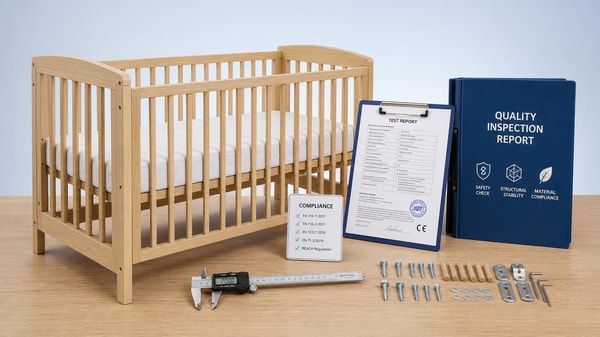
 Nursery Furniture & MonitorsMay 04, 2026Wooden Baby Cribs Wholesale: Safety Checks That Should Not Be SkippedWooden baby cribs wholesale safety checks every buyer should verify: compliance, materials, structural strength, hardware, and factory controls to reduce recall risk.
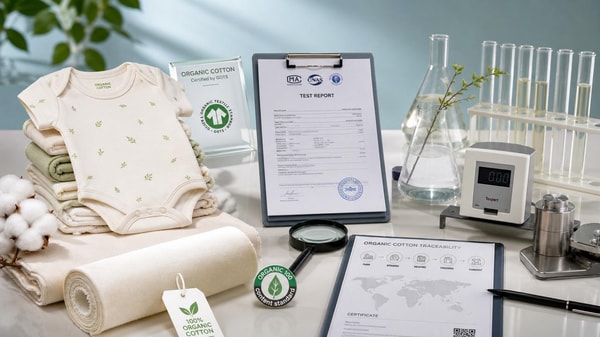
 Activewear OEMMay 04, 2026Organic Baby Clothes Wholesale: How to Verify Fabric ClaimsOrganic baby clothes wholesale guide: learn how to verify fabric claims, check certifications, review lab tests, and spot supplier risks for safer sourcing and confident wholesale decisions.
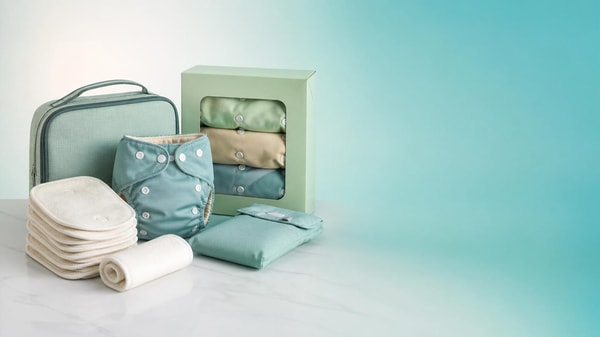
 Infant Feeding & CareMay 04, 2026Wholesale Cloth Diapers: Cost Trade-Offs That Matter Over TimeWholesale cloth diapers: compare more than unit price. Discover the long-term cost trade-offs in sourcing, compliance, returns, packaging, and margin strategy.
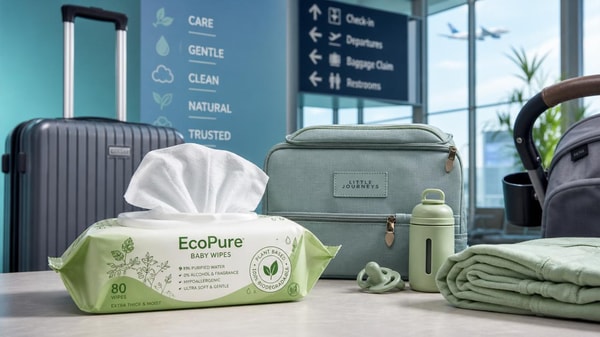
 Infant Feeding & CareMay 04, 2026Biodegradable Baby Wipes: Are They Better in Daily UseBiodegradable baby wipes: are they truly better for daily use? Explore softness, durability, skin safety, and travel convenience to choose the best option for family trips.
 Infant Feeding & CareMay 04, 2026Silicone Teething Rings: What to Look for Before You BuySilicone teething rings guide: learn how to compare safety, food-grade materials, easy-clean designs, and age-appropriate features before you buy for home or travel.
 Infant Feeding & CareMay 04, 2026Baby Pacifiers Manufacturer Comparison: Material, Mold, and ComplianceBaby pacifiers manufacturer comparison guide covering material safety, mold precision, and compliance readiness to help buyers reduce sourcing risk and choose reliable global partners.
 Infant Feeding & CareMay 04, 2026Silicone Baby Bibs OEM Trends That Make Sense in 2026Silicone baby bibs OEM trends for 2026: discover safer sourcing, private-label flexibility, and travel retail opportunities that help buyers reduce risk and grow family-focused sales.
 Infant Feeding & CareMay 04, 2026BPA Free Baby Bottles: How to Judge Safety Beyond the LabelBPA free baby bottles safety goes beyond the label. Learn how travel service quality teams assess materials, testing, certificates, and supplier risk for safer sourcing.
 Infant Feeding & CareMay 04, 2026Electric Breast Pump OEM: What to Review Before Final ApprovalElectric breast pump OEM final approval starts with more than price. Review compliance, reliability, warranty risk, and supplier readiness before you sign.
 Infant Feeding & CareMay 04, 2026Manual Breast Pump Wholesale: When Simpler Products Sell BetterManual breast pump wholesale performs best where portability, affordability, and easy selling matter most. Discover why simpler products win in travel retail, pharmacies, e-commerce, and emerging markets.
 Infant Feeding & CareMay 04, 2026Baby High Chairs OEM: Features Parents Notice Before Anything ElseBaby high chairs OEM guide for parents: compare stability, harness safety, non-toxic materials, and easy-clean design to choose a trusted high chair with confidence.
 Baby Gear & StrollersMay 04, 2026Maternity Backpack OEM Ideas That Fit Modern Parenting NeedsMaternity backpack OEM ideas for modern parenting: explore travel-ready layouts, smart storage, safe materials, and customization tips that help brands source better and launch with confidence.
 Baby Gear & StrollersMay 04, 2026Baby Walkers Wholesale: Market Demand, Risks, and Model SelectionBaby walkers wholesale insights for travel retail and global buyers: explore demand shifts, compliance risks, and the best model mix to source safer, higher-converting products.