Airline Approved Pet Carrier: Common Mistakes Before You Fly
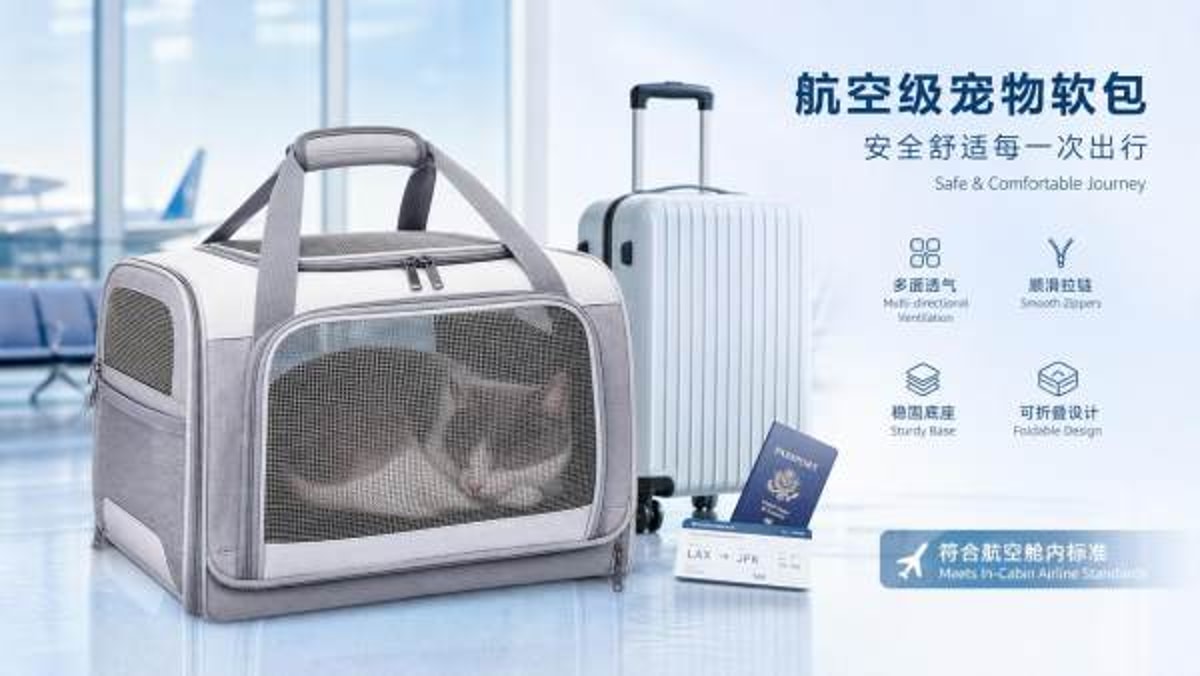
Buying an airline approved pet carrier may seem simple, but many travelers overlook size rules, ventilation, and airline-specific requirements until it is too late. Before you fly, knowing the most common mistakes can help you avoid check-in problems, reduce stress for your pet, and choose a carrier that is both compliant and comfortable.
If you are searching for the right carrier before a trip, your real question is probably not just “Which bag is approved?” It is “Will this carrier actually be accepted by my airline, fit under the seat, and keep my pet safe for the whole journey?” That is the issue that matters most, because a carrier that looks correct online can still fail at the airport.
The biggest mistake travelers make is assuming that “airline approved” is a universal standard. It is not. Different airlines apply different under-seat dimensions, pet weight limits, soft-sided carrier preferences, and documentation rules. A good purchase decision depends on matching the carrier to your specific airline, route, and pet, not just trusting a product label.
For most pet owners, the best approach is simple: start with your airline’s current in-cabin pet policy, compare those measurements with the carrier’s real usable interior space, and then evaluate comfort, ventilation, and ease of handling. Once you understand the common mistakes, it becomes much easier to avoid expensive last-minute problems.
Why “Airline Approved” Does Not Always Mean Airport Approved
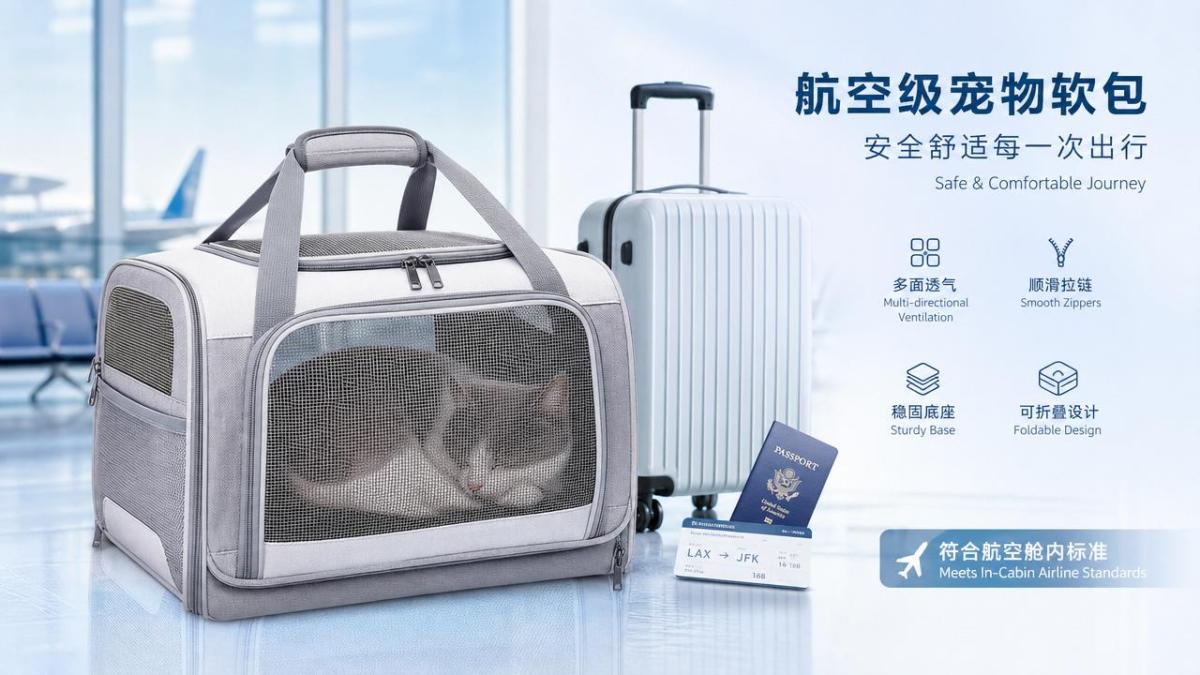
One of the most common misunderstandings is treating “airline approved pet carrier” as a guarantee. In retail listings, the phrase often means the product was designed with general cabin travel in mind. It does not mean every airline has reviewed and accepted that exact carrier model.
Airlines differ in three important ways. First, they publish different maximum carrier dimensions. Second, some allow only soft-sided carriers in the cabin because they can flex under the seat. Third, certain routes, aircraft types, and international flights may have extra limits that override the general rule shown on a product page.
This matters because check-in staff and gate agents do not evaluate your bag by marketing claims. They look at whether it meets the airline’s policy on that day, on that aircraft, and for that booking. If the carrier is too tall, too rigid, poorly ventilated, or your pet cannot stand and turn around comfortably, you may be denied boarding with your pet.
In practice, the term “airline approved” should be treated as a starting point, not a final answer. Smart buyers use it to narrow choices, then verify the details directly with the airline before ordering or at least before departure.
The Most Common Size Mistake: Buying by Exterior Dimensions Alone
Size is usually the first factor travelers check, but it is also where many mistakes happen. Some buyers compare only the carrier’s listed external dimensions to the airline’s allowance and assume that is enough. The problem is that comfort and compliance depend on more than a number on the product page.
Your pet needs enough interior room to lie down naturally, shift position, and ideally turn around without being compressed. A carrier may technically fit under the seat yet still be too cramped for your pet. On the other hand, a carrier that gives excellent interior comfort may exceed the airline’s under-seat height once fully loaded.
Soft-sided designs can help because they often compress slightly, but that flexibility should not be abused. If the carrier must be forced under the seat, your pet may be uncomfortable, and airline staff may still reject it. A better strategy is to leave a reasonable margin below the airline’s maximum dimensions whenever possible.
It is also important to remember that under-seat space can vary by aircraft. A carrier acceptable on one plane may be tighter on another, especially on regional jets or certain international layouts. If your itinerary includes multiple flight segments, check the smallest aircraft in the trip, not just the first one.
Ignoring Airline-Specific Policies Until the Day Before Departure
Another major mistake is buying a carrier first and reading the airline policy later. This can lead to stressful surprises, especially if your chosen airline has restrictions that are not obvious from generic travel advice. Some airlines cap the number of pets allowed in the cabin, require advance reservation, or prohibit pets in cabin on certain routes.
Even when the carrier itself is acceptable, your trip may still face issues if the airline requires health certificates, vaccination records, breed restrictions, or minimum age rules for pets. These details are easy to miss when shoppers focus only on product features.
The best time to check the policy is before you buy the carrier and again before you fly. Airline pages can change, and customer service confirmation can help clarify unclear measurements or route-specific rules. If possible, save a copy or screenshot of the policy and keep your reservation confirmation for the pet booking.
This extra step may feel tedious, but it is often the difference between smooth travel and a rushed last-minute replacement purchase at a higher cost.
Choosing a Carrier That Fits the Airline but Not Your Pet
Many consumers focus so heavily on airline compliance that they forget the carrier must also suit the pet’s body size, temperament, and travel behavior. A nervous cat, an older small dog, and a young active puppy do not have the same needs, even if they fall within the same weight range.
Weight limits matter, but they are not enough by themselves. A long-bodied pet may need more usable floor area than a more compact pet of the same weight. Pets with anxiety may benefit from a carrier that feels enclosed yet still has strong airflow. Senior pets may need easier entry, softer padding, and better support during longer waits and transfers.
If the carrier is hard to enter, unstable when carried, or noisy when moved, your pet may resist it before the trip even begins. That can become a serious problem at airport security or boarding time. The ideal carrier is one your pet can get used to in advance, not one that is only technically acceptable on paper.
For this reason, product selection should always consider both policy compliance and pet comfort. If you have to sacrifice one, you likely need to keep shopping rather than force a bad compromise.
Overlooking Ventilation, Structure, and Material Quality
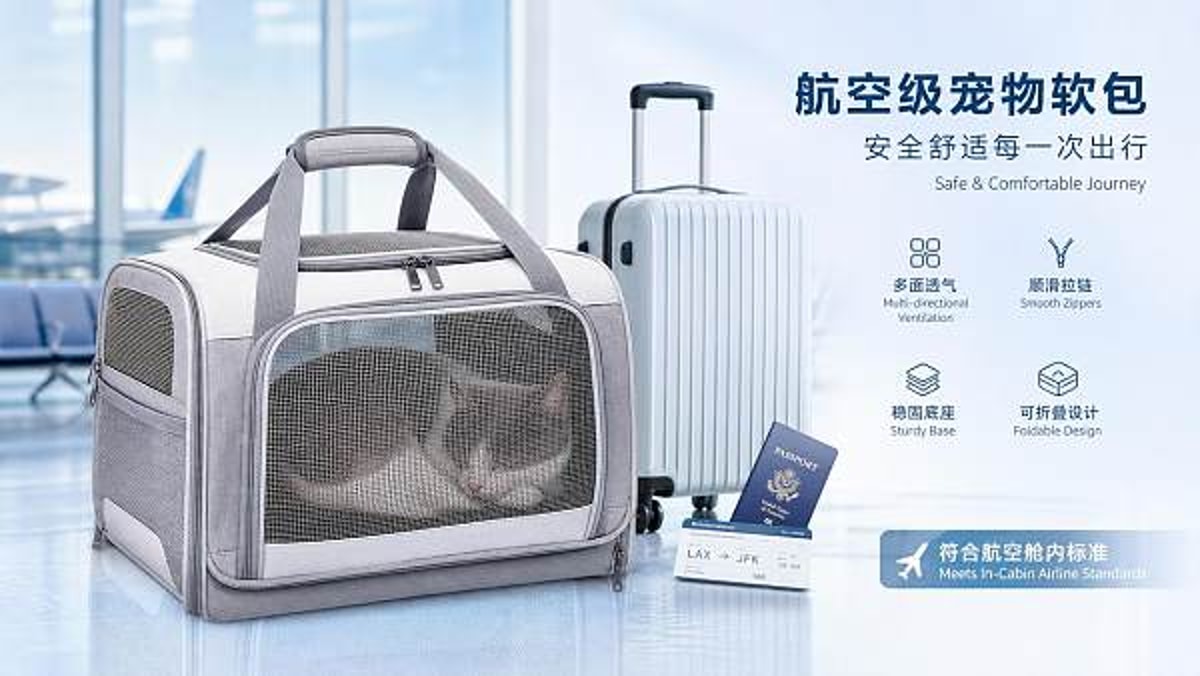
Another common buying mistake is paying attention only to dimensions while neglecting construction quality. A carrier used for air travel needs more than a zipper and shoulder strap. Ventilation panels, durable stitching, secure closures, and a supportive base all affect safety and comfort.
Poor ventilation is one of the biggest risks. Mesh windows on multiple sides help airflow and allow your pet to see out, but the mesh should be strong enough to resist scratching or chewing. If a carrier has limited ventilation, your pet may become overheated or more anxious during check-in, taxiing, and longer waits.
Structure matters too. Some low-cost carriers collapse inward when lifted or when placed under the seat, reducing usable space and making pets feel trapped. Others have weak bottoms that sag, which is uncomfortable and can make handling unstable. A removable, washable base pad with enough support is a better long-term choice.
Materials should also be easy to clean and resistant to accidents. Travel can be unpredictable, and even well-trained pets may have stress-related issues. Water-resistant fabric, wipeable surfaces, and machine-washable liners add real value, especially for frequent travelers.
Forgetting About Security Checkpoints and Airport Handling
Buying the right airline approved pet carrier is not just about the time spent on the plane. You also need to think about what happens before boarding. At security, you may need to remove your pet from the carrier while the empty carrier goes through screening. If the carrier has awkward openings or unreliable zippers, that moment can become difficult quickly.
A well-designed carrier should allow secure, controlled access. Multiple entry points can help, especially top-loading designs for cats or hesitant pets. Strong zipper locks or clip systems can provide extra reassurance during crowded airport movement.
Carrying comfort is another overlooked issue. Airports involve long walks, lines, and gate changes. Thin straps, unbalanced weight distribution, or lack of luggage pass-through features can make the trip harder than expected. Some travelers prefer backpack styles, but these should still meet airline dimensions and provide good ventilation rather than just convenience for the owner.
In short, a compliant carrier that is difficult to carry or difficult to use during screening may still be the wrong choice for real travel conditions.
Not Testing the Carrier Before the Trip
One of the easiest mistakes to avoid is waiting until travel day to introduce the carrier. Even an excellent product can fail in practice if your pet is frightened by it or refuses to stay inside. Sudden confinement in an unfamiliar space, followed by a noisy airport, creates avoidable stress.
It is far better to begin carrier training early. Leave the carrier open at home, place treats or familiar bedding inside, and allow your pet to explore it naturally. Later, practice short periods with the door closed, then short car rides to simulate motion and noise.
This process helps you judge whether the carrier is really suitable. You may discover that the interior feels smaller than expected, that the base shifts too much, or that your pet struggles to settle down. These are important insights that product photos cannot provide.
Testing also gives you time to check practical details such as zipper smoothness, strap comfort, and whether the liner stays in place. A trial run often reveals issues early enough to exchange the carrier before your departure date.
Missing Small Details That Matter on Flight Day
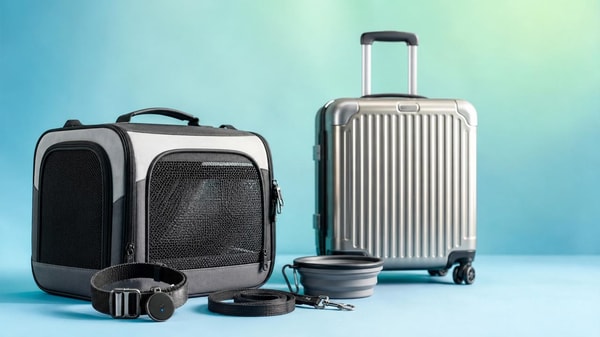
Some of the most frustrating travel problems come from small details buyers overlook. For example, a carrier may not have a clear place to attach identification or medical information. It may lack a secure inner leash clip, which can be useful when opening the bag in controlled situations. It may also have too few pockets for essentials like wipes, documents, or a collapsible bowl.
Absorbent liners are another practical point. Even if your pet is usually calm, delays and long travel windows increase the chance of accidents. A carrier with a removable, washable pad is far more practical than one with a thin decorative insert.
Visibility can matter as well. Pets often settle better when the carrier offers a balance between airflow and a sense of shelter. Some models are too exposed, while others are too enclosed. A partially covered but ventilated design often works better than extremes at either end.
These details may seem secondary when shopping online, but they often shape the real travel experience more than a stylish color or trendy design.
How to Choose the Right Carrier With Fewer Regrets
If you want to avoid common mistakes, use a simple decision sequence. First, confirm your airline’s current pet-in-cabin policy, including dimensions, weight limits, route restrictions, and booking procedures. Second, measure your pet carefully while standing and lying naturally. Third, compare those needs with the carrier’s true interior usability, not just the outside measurements.
Next, evaluate comfort and safety features: ventilation on multiple sides, a stable base, secure closures, quality materials, and easy cleaning. Then consider handling features such as shoulder straps, top and side access, and storage for travel essentials. Finally, test the carrier at home well before departure.
When comparing products, do not let low price or broad claims make the decision for you. An inexpensive carrier that fails at check-in is costlier than a better-made one that works the first time. Likewise, a fashionable carrier that your pet hates is not a smart buy.
The strongest purchase decision comes from balancing three things equally: airline compliance, pet comfort, and owner usability. If one of those is missing, the overall travel experience usually suffers.
Final Thoughts: Compliance Matters, but Comfort and Preparation Matter Too
The best airline approved pet carrier is not the one with the loudest label or the nicest product photos. It is the one that matches your airline’s rules, fits your pet safely, and performs well in real travel conditions from home to security to landing.
Most travel problems happen because buyers assume approval is universal, ignore airline-specific rules, underestimate size and comfort needs, or skip testing before the trip. These are avoidable mistakes. A little research and preparation can prevent denied boarding, unnecessary stress, and rushed replacement purchases.
Before you fly, think beyond the phrase “airline approved.” Ask whether the carrier is truly suitable for your exact route, your exact pet, and your actual airport experience. That is the standard that leads to smoother travel and a better outcome for both you and your companion.
Related Intelligence
 Pet Grooming & TravelMay 06, 2026Custom Printed Dog Collars: Design Choices That Improve Repeat OrdersCustom printed dog collars that drive repeat orders: explore durable materials, lasting print methods, safer hardware, and private-label design choices that boost retail appeal.
 Smart Pet DevicesMay 06, 2026Aquarium LED Lighting OEM: What Impacts Energy Use and Plant GrowthAquarium led lighting oem guide for travel service projects: compare energy use, PAR, spectrum, thermal control, and OEM reliability to improve plant growth and reduce operating costs.
 Skincare OEMMay 06, 2026Private Label Pet Shampoo: How to Balance Formula, Scent, and PositioningPrivate label pet shampoo strategies for travel brands: learn how to balance formula, scent, compliance, and positioning to boost guest experience, retail appeal, and brand value.
 Pet Grooming & TravelMay 06, 2026Airline Approved Pet Carrier: Common Mistakes Before You FlyAirline approved pet carrier guide: avoid common pre-flight mistakes, compare airline rules, size, ventilation, and comfort to choose a safer, stress-free travel carrier.
 Activewear OEMMay 06, 2026Custom Dog Sweaters: What Changes the Final Price MostCustom dog sweaters pricing explained for travel service buyers: compare materials, MOQ, customization, compliance, and supplier costs to cut risk, protect margins, and source smarter.
 Pet Furniture & EnrichmentMay 06, 2026Bird Cage Wholesale: Which Styles Fit Small Stores BestBird cage wholesale guide for small stores: discover compact, decorative, and foldable styles that save space, sell faster, and suit tourism-driven retail demand.
 Smart Pet DevicesMay 06, 2026LED Dog Collar Manufacturer: How to Judge Visibility and Battery LifeLED dog collar manufacturer selection starts with visibility and battery life. Learn how to compare suppliers, verify safety, and choose reliable collars for travel and outdoor use.
 Pet Grooming & TravelMay 06, 2026Pet Nail Grinder Manufacturer: 6 Safety Details You Should Not IgnorePet nail grinder manufacturer selection affects safety, compliance, and brand trust. Discover 6 critical details buyers in travel services should review before choosing a supplier.
 Pet Grooming & TravelMay 06, 2026Dog Grooming Clippers Wholesale: A Practical Guide to Motor and Blade OptionsDog grooming clippers wholesale guide covering motor types, blade options, noise, durability, and maintenance—helping buyers compare specs, reduce sourcing risk, and choose better-performing products.
 Pet Grooming & TravelMay 06, 2026Retractable Dog Leash Wholesale: Which Mechanisms Cause Fewer ComplaintsRetractable dog leash wholesale guide: discover which mechanisms cause fewer complaints, reduce returns, and improve buyer trust with smarter sourcing for travel retail channels.
 Smart Pet DevicesMay 06, 2026Canister Filter for Aquarium: How to Size It Correctly the First TimeCanister filter for aquarium sizing made simple: learn how to match flow, media capacity, and bioload for clear water, healthier fish, and fewer costly upgrade mistakes.
 Smart Pet DevicesMay 06, 2026Smart Pet Tag Tracker: What to Look for Beyond GPS ClaimsSmart pet tag tracker buying guide for travel: compare battery life, coverage, app usability, durability, and compliance beyond GPS claims to choose with confidence.
 Pet Grooming & TravelMay 06, 2026How a Pet Raincoat Manufacturer Handles Sizing and WaterproofingPet raincoat manufacturer insights for travel retail buyers: learn how suppliers manage sizing logic, waterproof testing, seam sealing, and scalable QC for reliable sourcing.