Global Li-Battery Recycling Rate Hits 62%: Beauty Device BOM Cost Down 9%
On April 21, 2026, the International Battery Association (IBA) reported a 62% global recycling rate for lithium-ion batteries — covering both power and consumer applications — prompting raw material price adjustments and accelerating supply chain efficiency in adjacent sectors, including personal beauty electronics. Companies involved in battery-sourced consumer hardware, raw material procurement, and contract manufacturing should monitor implications for cost structure, lead times, and material traceability.
Event Overview
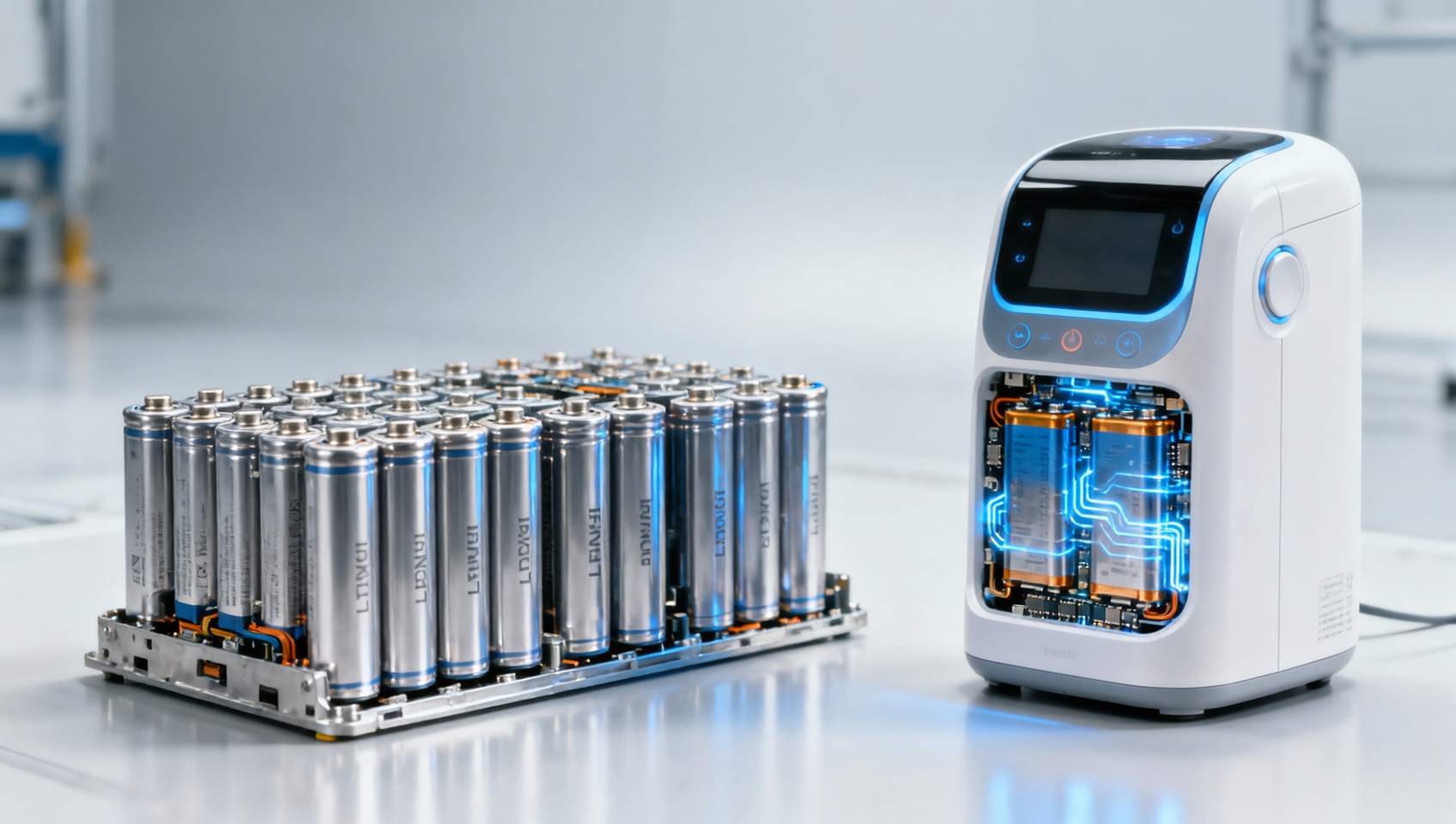
According to the IBA’s Global Lithium Battery Recycling Report Q1, released on April 21, 2026, the global lithium battery recycling rate — aggregating automotive traction batteries and consumer-grade cells — reached 62%. This has contributed to downward pressure on cobalt, nickel, and lithium prices. In response, Chinese OEMs supplying RF and microcurrent beauty devices have widely adopted repurposed LFP/NCM hybrid cells (i.e., second-life battery cells), reducing battery bill-of-materials (BOM) costs by 9% and shortening standard order lead times from 8 weeks to 6 weeks. For bulk orders (≥5,000 units), lead time can be further compressed to 4 weeks.
Industries Affected
Direct Trade Enterprises
These firms engage in cross-border trade of battery components or finished beauty devices. The rise in recycled content availability affects customs classification, REACH/ROHS compliance documentation, and origin labeling requirements — particularly where ‘recycled content’ claims are made in destination markets.
Raw Material Procurement Entities
Procurement teams sourcing cobalt, nickel, or lithium compounds face revised pricing benchmarks due to increased secondary supply. While spot prices have softened, long-term contracts may not yet reflect this shift; renegotiation timing and indexation clauses warrant review.
Electronics Contract Manufacturers (ECMs)
Manufacturers integrating battery modules into beauty devices benefit from lower BOM costs and shorter lead times — but only if their supply chain partners qualify and certify second-life cell sources. Traceability of recycled content (e.g., via IBA-certified chain-of-custody protocols) becomes operationally critical.
Supply Chain Service Providers
Logistics, testing, and certification service providers handling battery returns, sorting, or repackaging must align with updated IBA reporting standards introduced in Q1 2026. Demand for certified recycling logistics and functional testing capacity is rising — especially for LFP/NCM mixed chemistries.
What Stakeholders Should Monitor & Act On
Track official updates on IBA’s recycling verification framework
The IBA report notes that 62% reflects aggregated industry self-reporting; formal third-party audit protocols for recycling claims are under development. Stakeholders should monitor upcoming IBA guidance (expected Q3 2026) before adopting ‘recycled content’ marketing language or contractual commitments.
Validate supplier eligibility for second-life cell integration
Not all LFP/NCM repurposed cells meet safety or cycle-life thresholds for consumer electronics. Buyers must verify cell-level test reports (e.g., capacity retention ≥85%, thermal stability per UL 2054 Annex D), not just supplier certifications.
Adjust inventory planning around new lead-time windows
The 6-week standard delivery window applies only to baseline configurations with pre-qualified battery modules. Custom firmware, mechanical revisions, or regulatory submissions (e.g., FDA 510(k) or CE-EMC) remain unaffected — procurement plans should decouple battery module timelines from full-system certification timelines.
Prepare documentation for downstream sustainability disclosures
Major beauty device brands are updating ESG reporting templates to include battery material origin data. Suppliers should begin collecting and archiving batch-level data on cathode chemistry, recycling yield %, and smelter of origin — even if not currently required.
Editorial Observation / Industry Perspective
From an industry perspective, the 62% recycling rate is best understood as a milestone in infrastructure maturity — not yet a signal of systemic price stabilization. Analysis suggests this figure reflects concentrated activity among top-tier recyclers and OEMs in China and EU, rather than broad-based global adoption. Observation shows that while BOM cost reductions are real for specific beauty device categories, they rely heavily on localized LFP/NCM blending expertise and are not yet scalable across high-voltage or medical-grade applications. Current impact remains segmented: meaningful for mid-tier RF/microcurrent OEMs, limited for premium or regulated segments.
It is more accurate to view this development as an early-stage operational enabler — one that improves margin resilience and responsiveness — rather than a structural commodity shift. Continued monitoring is warranted, especially regarding IBA’s forthcoming audit criteria and regional policy alignment (e.g., EU Battery Regulation Annex VII reporting deadlines).
Conclusion: This update signifies measurable progress in circular battery logistics, with tangible benefits emerging first in cost-sensitive, low-voltage consumer electronics. It does not indicate broad raw material oversupply nor imminent disruption in primary mining economics. Stakeholders should treat it as a targeted efficiency lever — valuable where applicable, but requiring careful qualification and documentation to realize.
Information Source: International Battery Association (IBA), Global Lithium Battery Recycling Report Q1, published April 21, 2026. Note: IBA’s 62% figure is based on voluntary reporting; independent verification methodology is pending release.
Related Intelligence
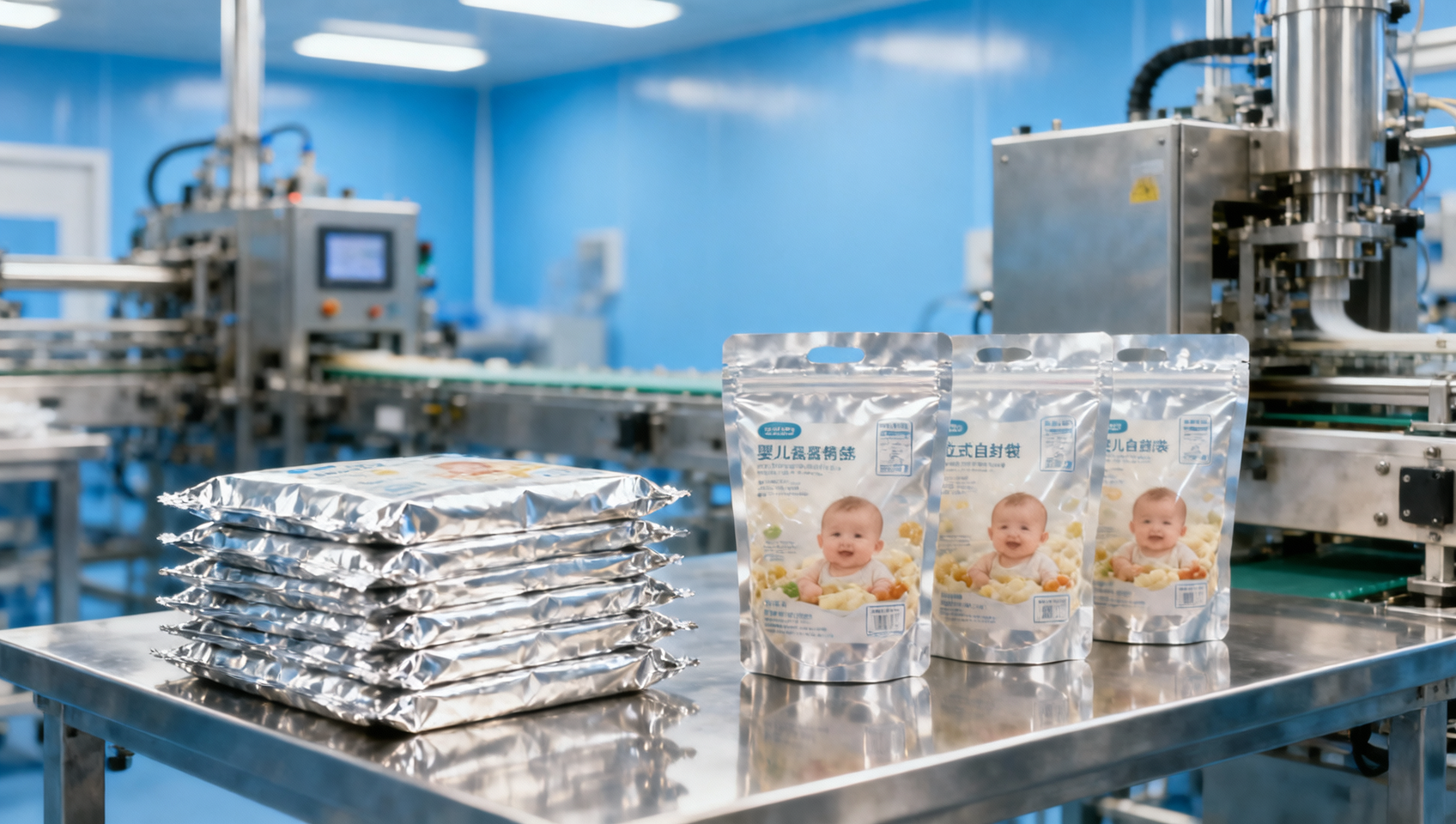
 Cosmetics & PkgApr 22, 2026SAMR Penalizes 7 Platforms for 'Ghost Kitchen' Packaging ViolationsSAMR penalizes 7 platforms for 'ghost kitchen' packaging violations—critical for food-grade packaging OEMs, suppliers & procurement teams. Act now.
 Camping & WaterApr 22, 2026RCEP Camping Water Bags: Indonesia Cuts Tariff, Sets TPU+Aluminum SpecRCEP Camping Water Bags: Indonesia cuts tariff to 3.4% & mandates TPU+aluminum spec—key opportunity for exporters, TPU suppliers & converters in ASEAN-China supply chains.
 Corporate & Seasonal GiftsApr 22, 2026TÜV Green Packaging LCA Threshold Effective Apr 2026TÜV Green Packaging LCA Threshold takes effect Apr 2026 — mandatory carbon heatmaps & ISO-compliant LCAs for holiday, wedding &文创 packaging. Act now to meet EU tender requirements.
 Beauty DevicesApr 22, 2026Global Li-Battery Recycling Rate Hits 62%: Beauty Device BOM Cost Down 9%Li-battery recycling hits 62% globally—driving 9% BOM cost cuts for beauty devices. Discover how recycled LFP/NCM cells slash lead times & boost margins.
 Nursery Furniture & MonitorsApr 22, 2026Canton Fair Phase III: Infant Monitor Inquiries Surge, EN60601-1-12 Certification Critical for Middle EastEN60601-1-12 certification is now critical for infant monitors targeting the Middle East — Canton Fair Phase III reveals surging buyer demand from UAE & KSA.
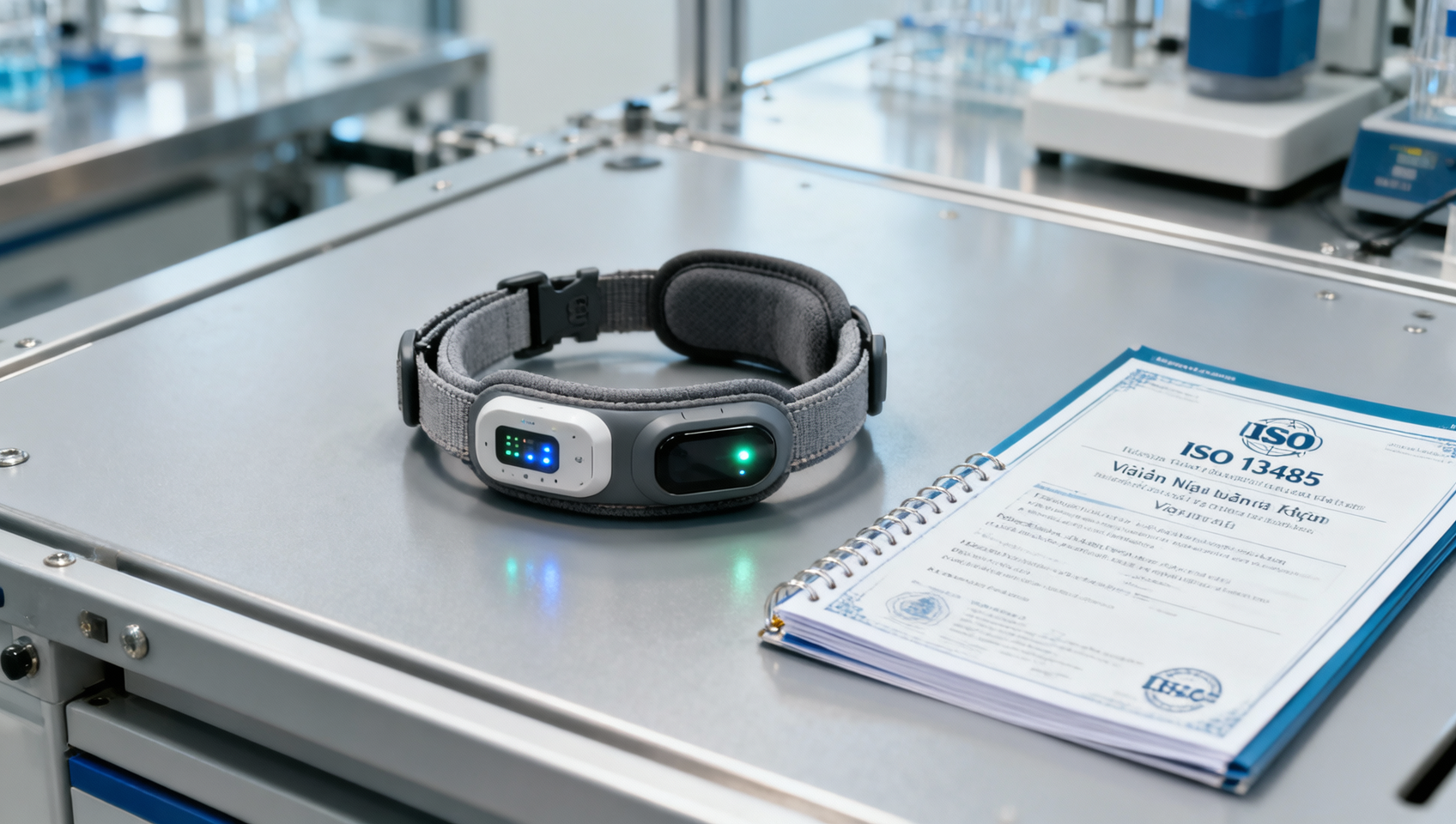
 Smart Pet DevicesApr 22, 2026Vietnam Enforces ISO 13485 + Vietnamese Manual for Smart Pet CollarsISO 13485 + Vietnamese manual now mandatory for smart pet collars entering Vietnam — avoid import delays. Learn compliance essentials for Class IIa medical device classification.
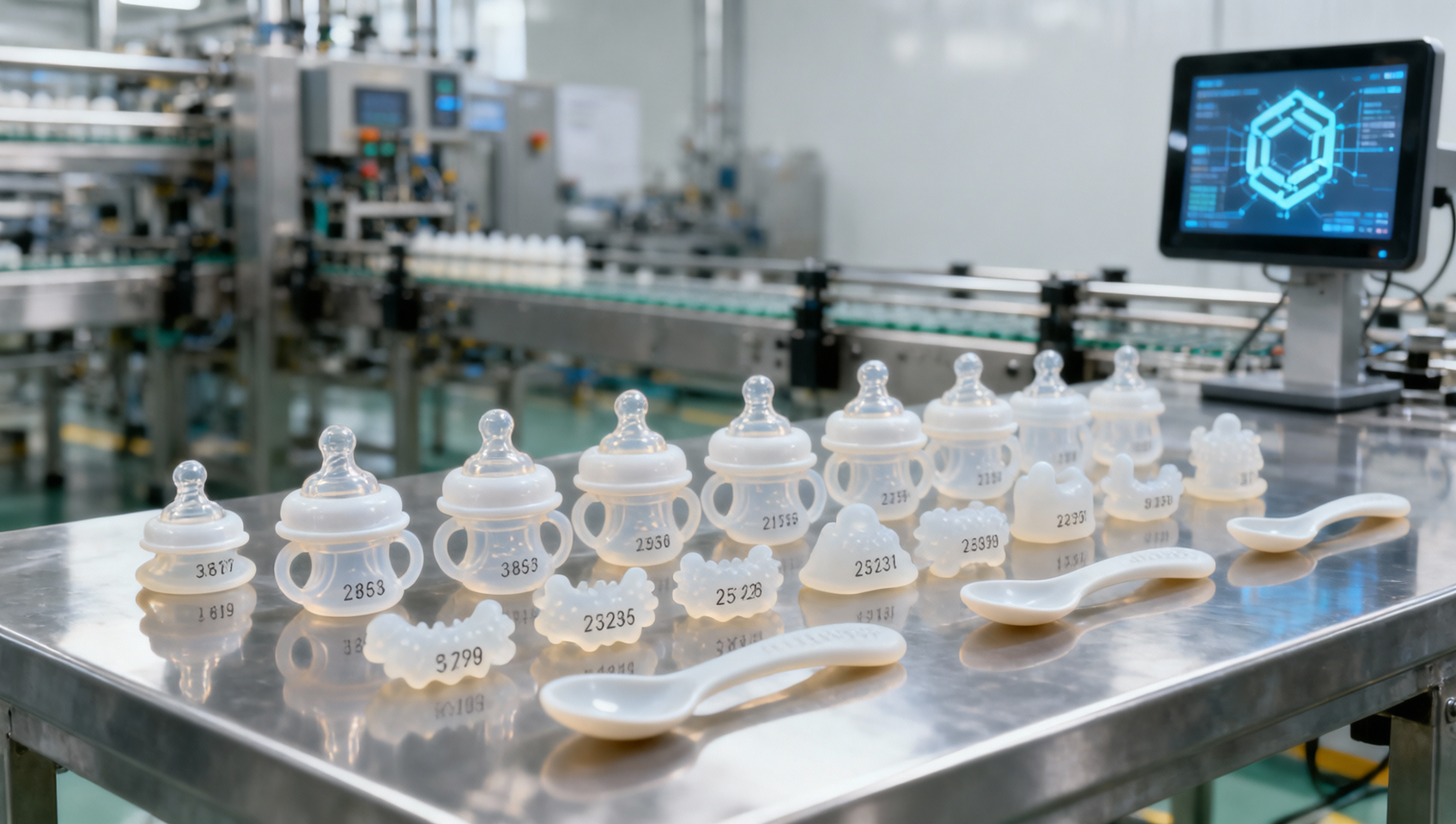
 Infant Feeding & CareApr 22, 2026JETRO Spring Sourcing: Silicone Baby Feeding Items Must Link to BlockchainSilicone baby feeding items must link to blockchain for JETRO Spring Sourcing — avoid 11-day delays & 100% inspections. Act now to ensure compliance.
 STEM & Educational ToysApr 22, 2026SASO Launches 24-Hour AI STEM Toy Certification in Saudi ArabiaSASO's 24-hour AI STEM toy certification now live in Saudi Arabia — fast-track CoC for robotics, voice/vision learning toys meeting GB/T 34667-2025 & IEC 62368-1.
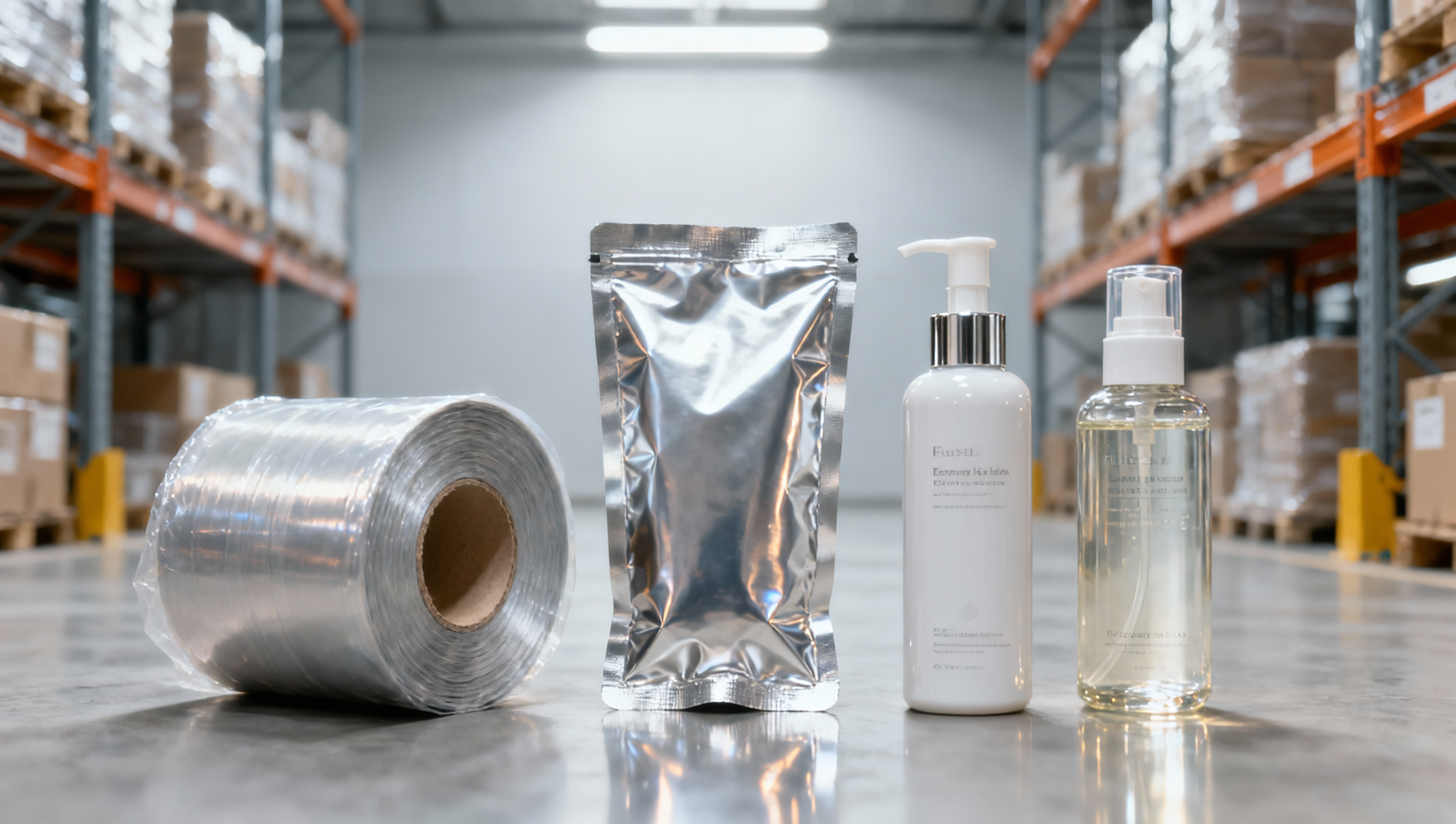
 Cosmetics & PkgApr 22, 2026EU EPR Dual-Country Registration Effective for Beauty PackagingEU EPR dual-country registration is now mandatory for beauty packaging exporters—secure France & Germany compliance before April 22, 2026 to avoid delisting and customs delays.
 Cosmetics & PkgApr 22, 2026FDA Requires Independent VCRP Registration for Cosmetic Packaging as of Apr 21, 2026FDA requires independent VCRP registration for cosmetic packaging by Apr 21, 2026—essential for U.S. importers, Chinese suppliers & OEMs. Act now to avoid delays.
 Cosmetics & PkgApr 21, 2026SAMR Penalizes 7 Platforms for 'Ghost Kitchen' Packaging ViolationsSAMR penalizes 7 platforms for 'ghost kitchen' packaging violations—key alert for food packaging exporters, converters & brands on licensing compliance.
 Cosmetics & PkgApr 21, 2026EU EPR Dual-Country Registration Effective for Beauty PackagingEU EPR Dual-Country Registration is now live for beauty packaging in France & Germany — act now to avoid shipment delays, fees, and customs holds.
 Cosmetics & PkgApr 21, 2026FDA MoCRA Rule: Cosmetic Packaging Must File Separate VCRPFDA MoCRA Rule requires cosmetic packaging—vacuum bottles, pumps, tubes—to file separate VCRP registration by April 17, 2026. Stay compliant & avoid shipment delays!