Global Lithium Battery Prices Rise 11% MoM in May; Smart Pet Device BOM Costs Squeeze
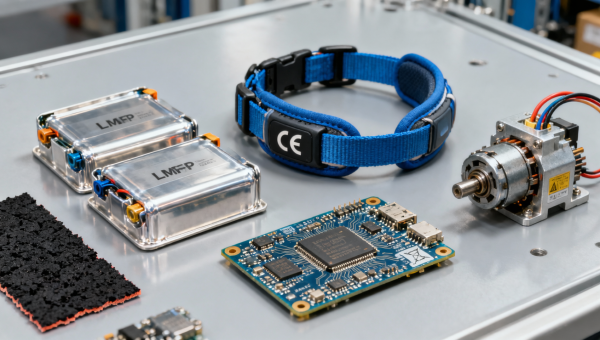
On May 25, 2026, Benchmark Mineral Intelligence reported an 11% month-on-month increase in the global lithium-ion battery price index—driven primarily by reduced lithium extraction from South American salt flats and elevated testing costs stemming from the EU’s new Battery Regulation’s traceability requirements. This development is directly impacting manufacturers of smart pet devices, including automated feeders and GPS-enabled collars.
Confirmed Market Data Released on May 25, 2026
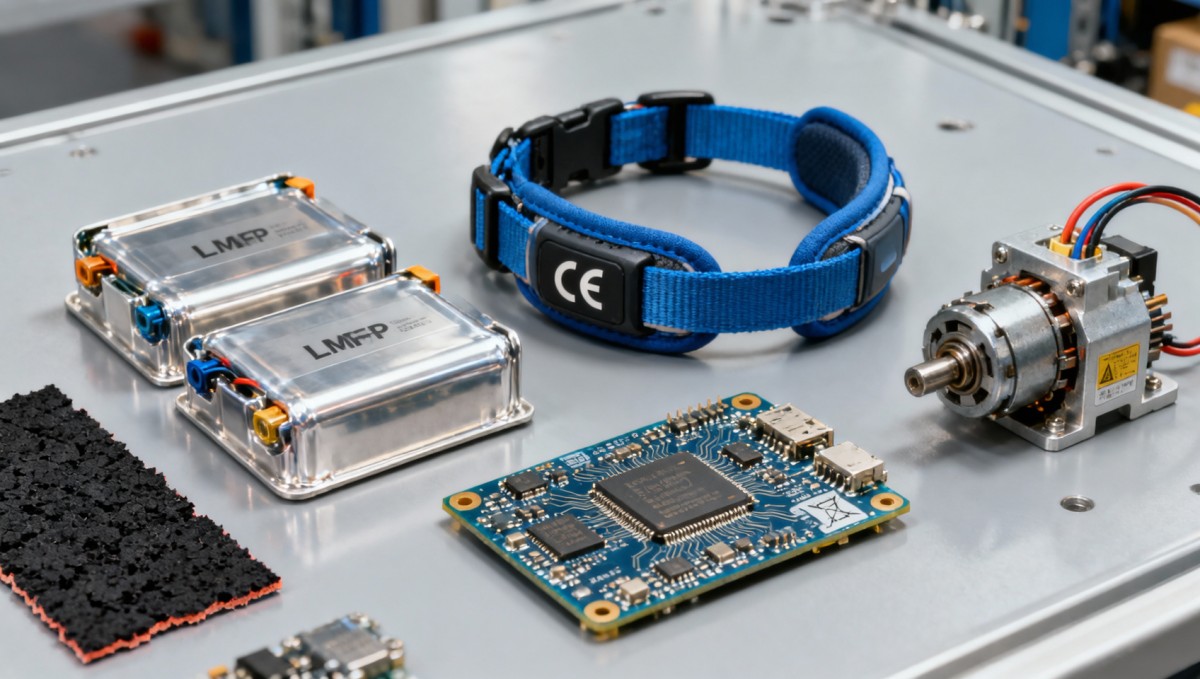
According to Benchmark Mineral Intelligence’s May 25, 2026 update, the global lithium-ion battery price index rose 11% month-on-month. The primary drivers cited were decreased lithium production from South American brine operations and higher conformity assessment expenses linked to the EU’s new Battery Regulation. As a result, the average bill of materials (BOM) cost for smart pet devices—including automated feeders and GPS tracking collars—increased by 8–12%. Several manufacturers have initiated verification trials of lithium manganese iron phosphate (LMFP) as a potential cathode material alternative.
Impact Across Supply Chain Roles
Direct Trading Enterprises
These entities face tighter margin pressure due to rising landed costs of battery cells and modules. Price volatility now affects quotation validity windows and contract renegotiation cycles—particularly for export orders bound for EU markets where regulatory compliance documentation must accompany shipments.
Raw Material Procurement Firms
Procurement teams are encountering extended lead times and stricter supplier qualification checks—notably for cobalt-free or low-cobalt cathode chemistries. The shift toward LMFP validation signals a strategic pivot away from conventional NMC/NCA sourcing, requiring updated technical specifications and test report acceptance criteria.
Manufacturing Companies
Device assemblers must reassess thermal management designs, safety certifications (e.g., UL 2054, IEC 62133), and cycle-life validation protocols in light of alternative cathode materials. Changes in cell chemistry may trigger re-submission of CE marking technical files under the new Battery Regulation’s Annex II requirements.
Supply Chain Service Providers
Logistics and compliance support providers are seeing increased demand for battery-specific transport documentation (e.g., UN 3480, MSDS updates), EU-type examination reports, and traceability data integration with digital product passports—especially for shipments post-2027, when full enforcement begins.
Key Operational Priorities for Manufacturers
Accelerate Alternative Chemistry Qualification
With LMFP substitution already under validation, firms should prioritize accelerated aging tests, safety compliance alignment (including overcharge/short-circuit performance), and supply chain mapping for upstream raw materials—ensuring adherence to both EU conflict minerals and battery recycling obligations.
Update Regulatory Documentation for EU Market Access
The EU Battery Regulation introduces mandatory digital product passports and expanded substance restrictions. Manufacturers must verify whether existing declarations of conformity cover new reporting fields (e.g., carbon footprint, recycled content, end-of-life instructions) and prepare for third-party verification of environmental claims.
Reassess BOM Cost Allocation and Supplier Risk Mitigation
A sustained 8–12% BOM increase necessitates dynamic cost modeling across tiers—from cell suppliers to PCB and firmware vendors. Dual-sourcing strategies and contractual clauses addressing raw material indexation (e.g., lithium carbonate reference pricing) warrant urgent review.
Industry Perspective: A Shift Toward Chemistry-Aware Compliance
Analysis shows this price surge is not merely cyclical—it reflects structural tightening at the intersection of resource geopolitics and regulatory rigor. Observably, battery regulation is evolving from a post-market conformity exercise into a design-phase requirement: material selection now dictates certification pathways, documentation depth, and even market eligibility. What deserves closer attention is how rapidly LMFP adoption could reshape not only cost structures but also technical qualification timelines—especially given its lower energy density versus NMC and distinct thermal behavior during safety testing.
Strategic Implications for the Smart Hardware Sector
This event underscores that regulatory evolution—particularly in high-impact sectors like batteries—is increasingly a primary driver of component-level engineering decisions. For smart pet device makers, the convergence of raw material scarcity, regional regulatory escalation, and alternative chemistry readiness marks a transition from cost optimization to compliance-integrated product development. No single mitigation strategy suffices; coordinated action across procurement, R&D, regulatory affairs, and quality assurance is now essential.
Source Attribution and Monitoring Guidance
This article was generated exclusively from the user-provided title, event date (May 25, 2026), and summary. It reflects no external data sources or proprietary analysis. Authoritative references typically associated with such developments include the European Commission’s official Battery Regulation texts (Regulation (EU) 2023/1542), Benchmark Mineral Intelligence’s monthly battery price reports, and IEC/UL battery safety standards. Specific official source links were not provided in the input and should be verified continuously. Stakeholders are advised to monitor upcoming EU Commission guidelines on digital product passports, national implementation timelines for battery labeling, and industry feedback on LMFP testing harmonization under IEC 62619 and UN 38.3.
Related Intelligence
 Activewear OEMJul 10, 2026Amazon Middle East Adds OEM Activewear Review PathAmazon Middle East adds an OEM activewear review path requiring OEKO-TEX STANDARD 100 Class I reports. Learn what this means for listings, compliance timing, and supplier readiness.
 STEM & Educational ToysJul 10, 2026Vietnam Raises STEM Toy Tariff to 12% Without CPCVietnam raises STEM toy tariff to 12% without CPC, reshaping import costs and customs clearance. Learn what importers, exporters, and buyers must prepare now.
 Smart Pet DevicesJul 10, 2026JETRO Opens Fast-Track Import Channel for Smart Pet DevicesJETRO opens a fast-track import channel for smart pet devices in Japan, cutting clearance from 7 days to 2 for JIS T 2201:2026-compliant shipments. Learn what exporters and distributors should do now.
 Fitness EquipmentJul 10, 2026CPSC Tightens Rules on Kids’ Fitness Equipment LocksCPSC tightens rules on kids’ fitness equipment locks, requiring dual physical locking certification by Sept. 1, 2026. Learn how ODM suppliers can prepare design, inspection, and export compliance fast.
 Infant Feeding & CareJul 10, 2026REACH SVHC Update Triggers Review of Silicone Feeding ProductsREACH SVHC update puts silicone feeding products under new EU compliance review. Learn what OEMs, importers, and suppliers must check before the October 31, 2026 deadline.
 Corporate & Seasonal GiftsJul 10, 2026Buyer Guide for Vendor Selection: Red Flags Before You CommitBuyer guide for vendor selection in travel services: spot red flags in pricing, compliance, communication, and capacity before you commit.
 Pet Grooming & TravelJul 10, 2026Pet Travel Products Germany: Key Safety and Demand Shifts in 2026Pet travel products Germany in 2026: discover how safety rules, premium demand, and changing travel habits are reshaping this market—and what smart buyers should watch next.
 Corporate & Seasonal GiftsJul 10, 2026Brand Chain Buying Guide: How to Compare Vendor StabilityBrand chain buying guide for travel services: compare vendor stability through compliance, resilience, and supply performance to protect guest trust and improve sourcing decisions.
 STEM & Educational ToysJul 10, 2026Market Entry Research and CPSIA Compliance: What to Check FirstMarket entry research CPSIA compliance starts with product scope, age grading, materials, and labels. Learn what travel-linked brands must check first to launch faster and reduce risk.
 Skincare OEMJul 10, 2026Beauty Product Development Pricing: Cost Drivers and Margin RisksBeauty product development pricing for travel retail: uncover hidden cost drivers, supplier risks, and margin traps to launch smarter and protect seasonal sales.
 Baby Gear & StrollersJul 09, 2026EN 14765:2026 Update Tightens Stroller Dynamic TestsEN 14765:2026 update tightens stroller dynamic tests for EU exports from Oct 1, 2026. Learn the new mandatory checks, 22-day testing timeline, and how to avoid launch delays.
 Beauty DevicesJul 09, 2026Ningbo Port Fees Rise 35% as Beauty Device Exports Face 7-10 Day DelaysNingbo Port fees rise 35% as beauty device exports face 7-10 day delays. Learn how lithium-battery OEMs, buyers, and shippers can reduce cost risk and protect delivery schedules.
 STEM & Educational ToysJul 09, 2026Amazon Japan Requires JIS T 0901:2026 Reports for STEM ToysAmazon Japan now requires JIS T 0901:2026 reports for STEM toys. Learn who is affected, what listings risk suppression, and how sellers can stay compliant fast.