Maersk Resumes Full VLCC Middle East–Asia Routes from June 2026

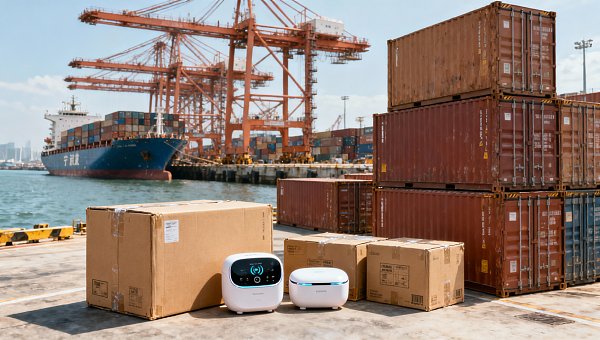
Effective 1 June 2026, Maersk has fully reinstated its Very Large Crude Carrier (VLCC) services between the Middle East and Asia — a move driven by improved maritime security in the Red Sea region and coordinated adjustments to Suez Canal tolls and vessel deployment. This development directly impacts global supply chains for lithium-battery-powered consumer electronics, including portable power stations, baby monitors, and beauty devices.
Confirmed Operational Resumption
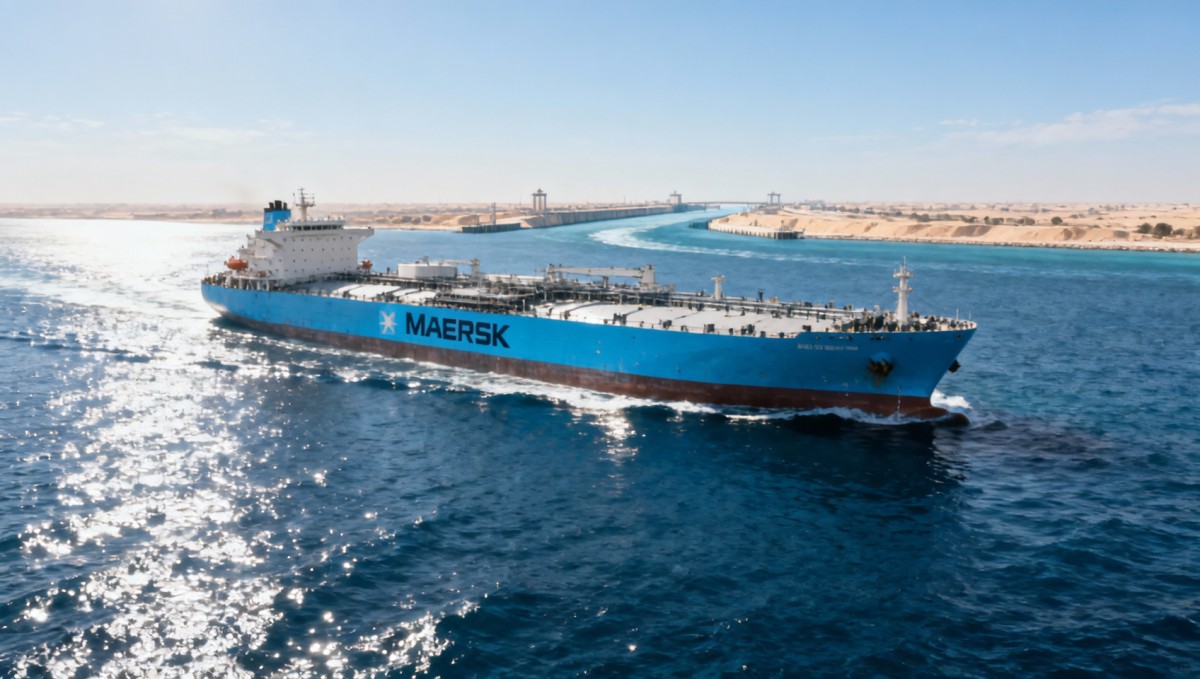
On 25 May 2026, Maersk announced that, starting 1 June 2026, all VLCC routes linking major Middle Eastern oil export hubs with Asian import terminals would resume full operation. Concurrently, transit fees for the Suez Canal were reduced by 8%, and fast-container service capacity on the Shanghai–Dubai corridor increased by 20%. As a result, estimated ocean transit time for lithium-powered goods is projected to shorten by 12 days, while outbound logistics costs from ports in China’s Yangtze River Delta are expected to decline by 5–7% beginning in June.
Supply Chain Implications Across Stakeholder Groups
Direct Trading Enterprises
These companies face immediate shifts in shipment scheduling, cost forecasting, and documentation timelines. With shorter transit windows and lower freight rates, order-to-delivery cycles may compress — requiring tighter coordination with customs brokers and forwarders, especially for lithium-ion battery compliance under IMDG Code Chapter 3.4.
Raw Material Procurement Firms
Firms sourcing components such as lithium cells, PCBs, or display modules from Middle Eastern or Gulf-based suppliers will benefit from improved predictability in inbound logistics. However, they must verify updated safety data sheets (SDS) and UN3480 transport classifications aligned with revised routing protocols.
Contract Manufacturing & OEMs
Manufacturers producing battery-integrated devices must reassess production planning horizons and inventory buffer strategies. The 12-day reduction in sea transit implies earlier demand signals from regional distributors — potentially triggering recalibration of just-in-time assembly schedules and component procurement lead times.
Logistics & Supply Chain Service Providers
Freight forwarders, NVOCCs, and customs consultants need to update their tariff models, documentation templates, and regulatory advisories — particularly regarding new Suez Canal fee structures, updated IMDG packaging verification requirements, and revised port-specific handling protocols for Class 9 dangerous goods shipments.
Key Priorities for Enterprise Preparedness
Validate Lithium-Battery Transport Documentation
Ensure UN3480 test reports, MSDS/SDS updates, and proper Class 9 labeling meet revised carriage conditions under the reinstated VLCC schedule and updated Suez Canal regulations.
Adjust Procurement & Delivery Timelines
Re-evaluate supplier delivery commitments and internal logistics KPIs — especially for products shipped via Shanghai–Dubai fast lanes — to reflect the 12-day transit improvement and associated cost savings.
Review Forwarder & Carrier Compliance Alignment
Confirm that contracted carriers and third-party logistics partners have implemented updated hazardous goods handling procedures consistent with the new VLCC operational framework and Suez Canal toll regime.
Industry Perspective: A Strategic Inflection Point
Analysis shows this resumption is more than a route restoration — it signals a recalibration of risk-adjusted trade lane economics. From an industry perspective, the convergence of toll reductions, capacity expansion, and security stabilization suggests growing confidence in the Suez corridor as a high-reliability artery for time-sensitive, regulated cargo. What deserves closer attention is how quickly shippers translate cost and time savings into revised contractual terms — particularly in Incoterms® 2020 DAP or DPU clauses — and whether certification bodies accelerate alignment of battery transport audits with the new routing standards.
Strategic Takeaway for Supply Chain Leaders
This development marks a measurable step toward normalization in critical energy and electronics logistics corridors. While not eliminating all Red Sea-related volatility, it offers tangible levers — transit time, cost, and scheduling certainty — for enterprises to strengthen resilience without compromising speed or compliance. Prudent action lies not in over-optimizing for short-term gains, but in embedding flexibility across documentation, vendor management, and regulatory monitoring systems.
Source Attribution & Monitoring Guidance
This article synthesizes information provided in the user-submitted title, event date (2026-06-01), and summary. Specific official source links were not provided in the input and should be verified continuously. Stakeholders are advised to monitor further updates from Maersk, the Suez Canal Authority, the International Maritime Organization (IMO), and national competent authorities on IMDG Code implementation guidance — particularly regarding lithium battery classification, packaging validation, and carrier-specific compliance checklists.
Related Intelligence
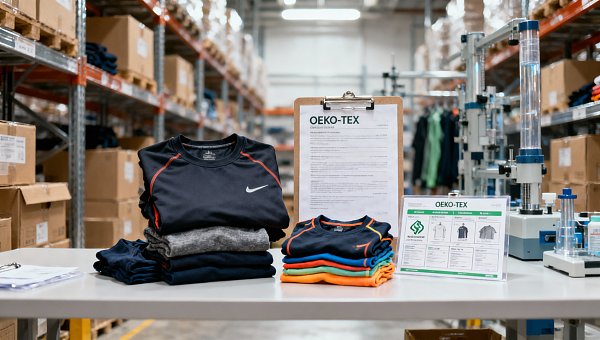
 Activewear OEMJul 10, 2026Amazon Middle East Adds OEM Activewear Review PathAmazon Middle East adds an OEM activewear review path requiring OEKO-TEX STANDARD 100 Class I reports. Learn what this means for listings, compliance timing, and supplier readiness.
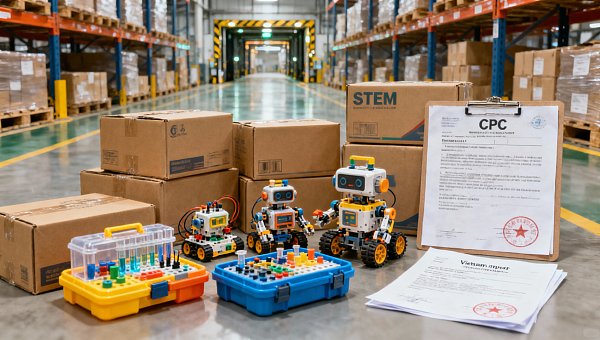
 STEM & Educational ToysJul 10, 2026Vietnam Raises STEM Toy Tariff to 12% Without CPCVietnam raises STEM toy tariff to 12% without CPC, reshaping import costs and customs clearance. Learn what importers, exporters, and buyers must prepare now.
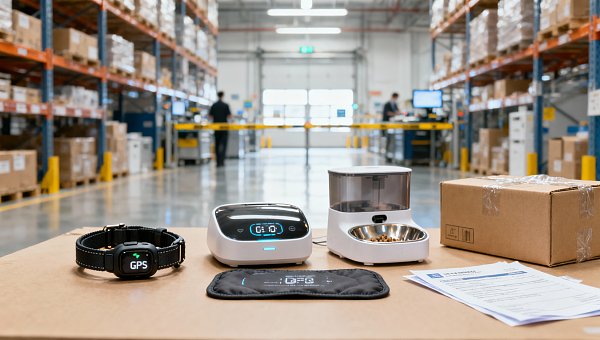
 Smart Pet DevicesJul 10, 2026JETRO Opens Fast-Track Import Channel for Smart Pet DevicesJETRO opens a fast-track import channel for smart pet devices in Japan, cutting clearance from 7 days to 2 for JIS T 2201:2026-compliant shipments. Learn what exporters and distributors should do now.
 Fitness EquipmentJul 10, 2026CPSC Tightens Rules on Kids’ Fitness Equipment LocksCPSC tightens rules on kids’ fitness equipment locks, requiring dual physical locking certification by Sept. 1, 2026. Learn how ODM suppliers can prepare design, inspection, and export compliance fast.
 Infant Feeding & CareJul 10, 2026REACH SVHC Update Triggers Review of Silicone Feeding ProductsREACH SVHC update puts silicone feeding products under new EU compliance review. Learn what OEMs, importers, and suppliers must check before the October 31, 2026 deadline.
 Corporate & Seasonal GiftsJul 10, 2026Buyer Guide for Vendor Selection: Red Flags Before You CommitBuyer guide for vendor selection in travel services: spot red flags in pricing, compliance, communication, and capacity before you commit.
 Pet Grooming & TravelJul 10, 2026Pet Travel Products Germany: Key Safety and Demand Shifts in 2026Pet travel products Germany in 2026: discover how safety rules, premium demand, and changing travel habits are reshaping this market—and what smart buyers should watch next.
 Corporate & Seasonal GiftsJul 10, 2026Brand Chain Buying Guide: How to Compare Vendor StabilityBrand chain buying guide for travel services: compare vendor stability through compliance, resilience, and supply performance to protect guest trust and improve sourcing decisions.
 STEM & Educational ToysJul 10, 2026Market Entry Research and CPSIA Compliance: What to Check FirstMarket entry research CPSIA compliance starts with product scope, age grading, materials, and labels. Learn what travel-linked brands must check first to launch faster and reduce risk.
 Skincare OEMJul 10, 2026Beauty Product Development Pricing: Cost Drivers and Margin RisksBeauty product development pricing for travel retail: uncover hidden cost drivers, supplier risks, and margin traps to launch smarter and protect seasonal sales.
 Baby Gear & StrollersJul 09, 2026EN 14765:2026 Update Tightens Stroller Dynamic TestsEN 14765:2026 update tightens stroller dynamic tests for EU exports from Oct 1, 2026. Learn the new mandatory checks, 22-day testing timeline, and how to avoid launch delays.
 Beauty DevicesJul 09, 2026Ningbo Port Fees Rise 35% as Beauty Device Exports Face 7-10 Day DelaysNingbo Port fees rise 35% as beauty device exports face 7-10 day delays. Learn how lithium-battery OEMs, buyers, and shippers can reduce cost risk and protect delivery schedules.
 STEM & Educational ToysJul 09, 2026Amazon Japan Requires JIS T 0901:2026 Reports for STEM ToysAmazon Japan now requires JIS T 0901:2026 reports for STEM toys. Learn who is affected, what listings risk suppression, and how sellers can stay compliant fast.