U.S. Gas Tax Relief Talks May Ease Logistics Costs for Outdoor Water Gear Exports
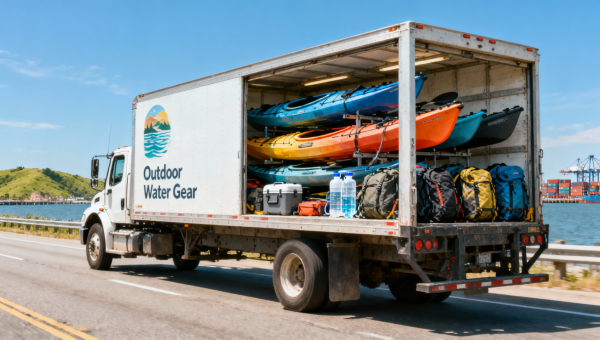
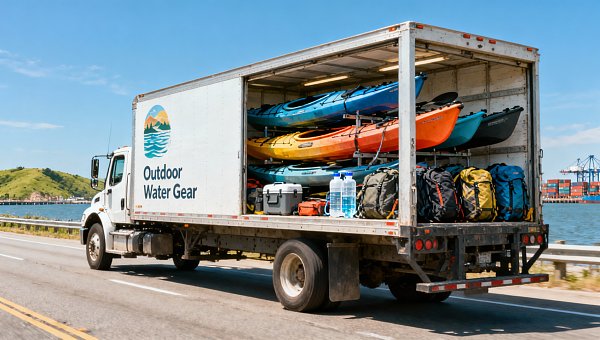
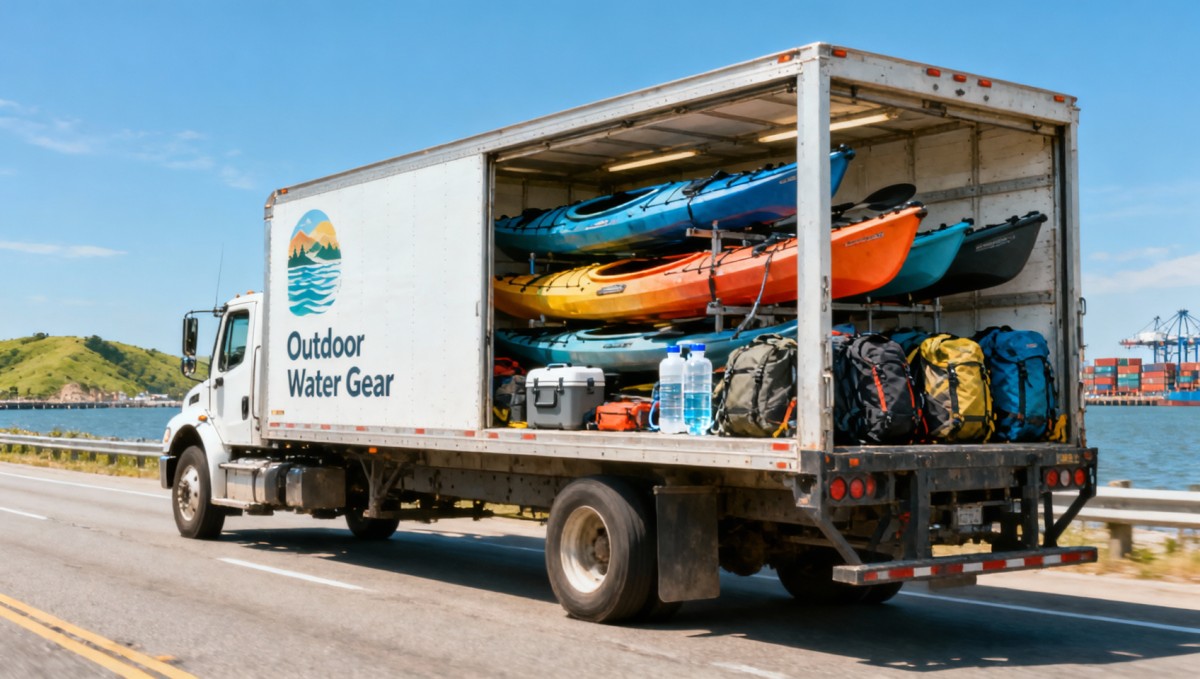
On May 28, 2026, former U.S. President Donald Trump indicated potential discussions on a temporary federal gasoline tax reduction — a move that could lower domestic road freight costs in the United States. This development coincides with the peak summer inventory build-up period (June–August) for North American camping and outdoor water-related products, where last-mile delivery post-container discharge accounts for 12–18% of final landed cost.
Federal Fuel Policy Signal: A Non-Binding Statement with Market Ripples
On May 28, 2026, Donald Trump publicly stated he 'may discuss a federal gasoline tax relief period'. No legislative proposal, timeline, scope, or fiscal mechanism was announced. The statement remains exploratory and non-binding. Separately, industry data confirms that the North American camping and outdoor water equipment sector is currently in its annual summer procurement cycle (June–August), and that inland transportation following port arrival constitutes 12–18% of total delivered cost. Freightos Index has registered short-term downward pricing expectations in response — though no policy implementation has occurred.
Supply Chain Impact Across Key Industry Roles
Export Trading Companies
These firms face direct exposure to U.S. inland freight volatility. Should the tax relief materialize, their FOB and CIF quotation strategies — particularly for time-sensitive summer orders — may benefit from temporarily stabilized trucking rates. They should monitor whether carriers begin offering extended-rate lock-in windows amid current market uncertainty.
Raw Material Suppliers
While not directly affected by U.S. fuel taxation, suppliers serving export-oriented manufacturers may observe revised order timing or volume signals from downstream clients adjusting to anticipated logistics cost relief. Inventory planning and just-in-time delivery schedules may shift slightly ahead of the June–August window.
Contract Manufacturers & OEMs
Manufacturers exporting camping and outdoor water gear (e.g., hydration packs, portable filtration systems, collapsible containers) rely heavily on predictable inland distribution post-arrival. Lower last-mile costs could improve margin visibility on fixed-price contracts — but only if rate stability persists long enough to influence tender cycles or buyer negotiations.
Logistics & Freight Forwarding Providers
Third-party logistics providers handling U.S. domestic drayage and last-mile fulfillment are most sensitive to fuel cost fluctuations. Early signs of Freightos Index softening suggest potential near-term rate flexibility — making this an opportune moment to re-evaluate long-haul contract terms and regional carrier partnerships.
Strategic Priorities for Exporters Amid Policy Uncertainty
Leverage the Current Window for Rate Lock-In
With Freightos Index signaling short-term downward pressure, exporters should prioritize negotiating firm freight rates for Q3 shipments — especially for high-volume summer SKUs — before any policy clarity emerges or market sentiment shifts.
Refine FOB/CIF Pricing Models for Flexibility
Given the 12–18% weight of last-mile delivery in landed cost, exporters should revisit how fuel-cost pass-through clauses are structured in quotations. Building modular cost assumptions (e.g., tiered fuel surcharge triggers) enhances responsiveness if relief is implemented partially or temporarily.
Align Delivery Schedules With Seasonal Demand Peaks
Since the North American summer inventory cycle runs June–August, optimizing port discharge timing and inland transit sequencing — rather than relying solely on ocean lead times — becomes more critical when last-mile variables gain visibility.
Industry Observation: Policy Signals as Tactical Inflection Points
From an industry perspective, this is less about imminent regulatory change and more about how market participants interpret and act upon early-stage policy signals. What deserves closer attention is not whether the tax relief will be enacted, but how freight markets respond *in anticipation* — creating measurable, albeit temporary, windows for commercial recalibration. Analysis shows such periods often accelerate adoption of longer-term freight agreements and encourage granular cost modeling across the delivery chain — especially for categories where last-mile cost represents a double-digit share of end-customer pricing.
Key Takeaway: Cautious Optimization, Not Assumed Relief
This development does not guarantee reduced logistics expenses — but it does introduce a credible, near-term catalyst for proactive cost management. For exporters of camping and outdoor water equipment, the value lies not in waiting for policy confirmation, but in using the current expectation-driven market environment to strengthen pricing discipline, enhance freight contract terms, and refine seasonal delivery planning.
Source Information and Verification Notes
This article is based exclusively on the user-provided title, event date (May 28, 2026), and summary text. Specific official source links were not provided in the input and should be verified continuously. Stakeholders are advised to track developments from the U.S. Department of Transportation, the Congressional Budget Office, and freight analytics platforms such as Freightos for updates on policy design, implementation timelines, and real-world rate adjustments. Continued observation is warranted for formal legislative language, state-level alignment, and downstream effects on carrier capacity allocation and port-to-warehouse transit benchmarks.
Related Intelligence
 Default CategoryMay 28, 2026Hormuz Strait Delays Disrupt Infant & Pet Product Shipments to Middle East, E. AfricaHormuz Strait delays hit infant feeding & pet grooming shipments to Middle East and E. Africa—discover impact, routes, and compliance fixes.
 Default CategoryMay 28, 2026CapitalG Leads OpenRouter’s Series B for AI-Powered ODM Sourcing in Beauty & ToysCapitalG leads OpenRouter’s Series B to power AI-driven ODM sourcing for beauty & toys—enabling compliant, real-time product development with regulatory intelligence built in.
 Default CategoryMay 28, 2026U.S. Gas Tax Relief Talks May Ease Logistics Costs for Outdoor Water Gear ExportsU.S. gas tax relief talks could cut logistics costs for outdoor water gear exports—timely insights for exporters optimizing summer shipments and last-mile pricing.
 Default CategoryMay 28, 2026Linglong Tire Withdraws Brazil Project: ODM Baby Gear Exporters Face Higher LatAm Compliance RisksODM baby gear exporters face rising LatAm compliance risks after Linglong Tire’s Brazil project withdrawal—learn key mitigation strategies now.
 Default CategoryMay 28, 2026FDA Expands Unannounced Inspections for Chinese Beauty & Personal Care DevicesFDA expands unannounced inspections for Chinese beauty & personal care devices—key implications for exporters, OEMs, and U.S. importers. Act now to ensure compliance.
 Skincare OEMMay 28, 2026Organic Pet Food Manufacturer: 2026 Risks, Claims, and Supply FactorsOrganic pet food manufacturer selection in 2026 demands proof, traceability, and supply resilience. Discover key risks, claims rules, and compliance factors before you choose.
 Pet Grooming & TravelMay 28, 2026Pet Grooming Table With Arm: Key Stability Checks Before You BuyPet grooming table with arm buying guide for travel services: learn the key stability checks for hotels, resorts, cruises, and mobile pet care before you choose.
 Baby Gear & StrollersMay 28, 2026Baby Carrier for Twins: How to Judge Fit, Support, and SafetyBaby carrier for twins buying guide for travel: learn how to judge fit, support, and safety for airports, resorts, and sightseeing, and choose a lighter, safer option with confidence.
 Infant Feeding & CareMay 28, 2026Waterproof Diaper Bag: Which Features Prevent Daily Packing Mistakes?Waterproof diaper bag guide: discover the must-have features that prevent packing mistakes, keep baby essentials dry, and make family travel faster, cleaner, and less stressful.
 Nursery Furniture & MonitorsMay 28, 2026Baby Monitor With Night Vision: What Matters Most in Real Night ChecksBaby monitor with night vision: learn what really matters in night checks for hotels, rentals, and family travel—clear audio, stable signal, fast screen wake, and stress-free setup.
 STEM & Educational ToysMay 27, 2026Montessori Educational Toys: How to Choose by Learning StageMontessori educational toys chosen by learning stage help families, buyers, and brands find safer, travel-friendly options with real educational value. Discover how to choose smarter.
 Pet Grooming & TravelMay 27, 2026Pet Carriers for Airline Travel: Size, Ventilation, and Cabin RulesPet carriers for airline travel explained: compare size, ventilation, and cabin rules to avoid boarding issues and choose a safer, more comfortable option for your pet.
 Infant Feeding & CareMay 27, 2026Natural Rubber Teething Toys: What Makes Them Safer for Daily UseNatural rubber teething toys offer a softer, simpler, and travel-friendly choice for babies. Discover what makes them safer for daily use and what to check before you buy.