
Indonesia BPOM Enforces INCI Labeling for Cosmetics Packaging
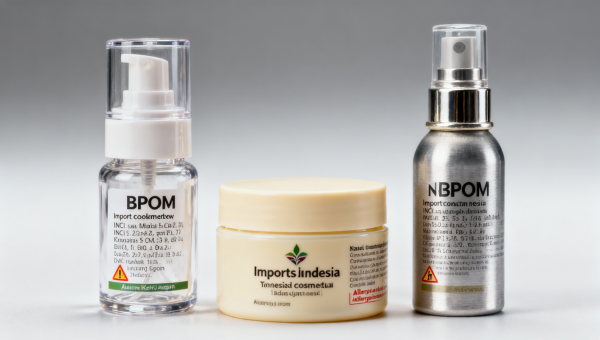
Effective July 1, 2026, Indonesia’s National Agency of Drug and Food Control (BPOM) has implemented new labeling requirements for imported cosmetics packaging—impacting exporters, converters, and supply chain partners across Asia, particularly in China. The regulation mandates bilingual (Indonesian-language) disclosure of full INCI names and localized allergen warnings directly on primary packaging, introducing tangible operational and compliance challenges for firms engaged in cross-border trade.
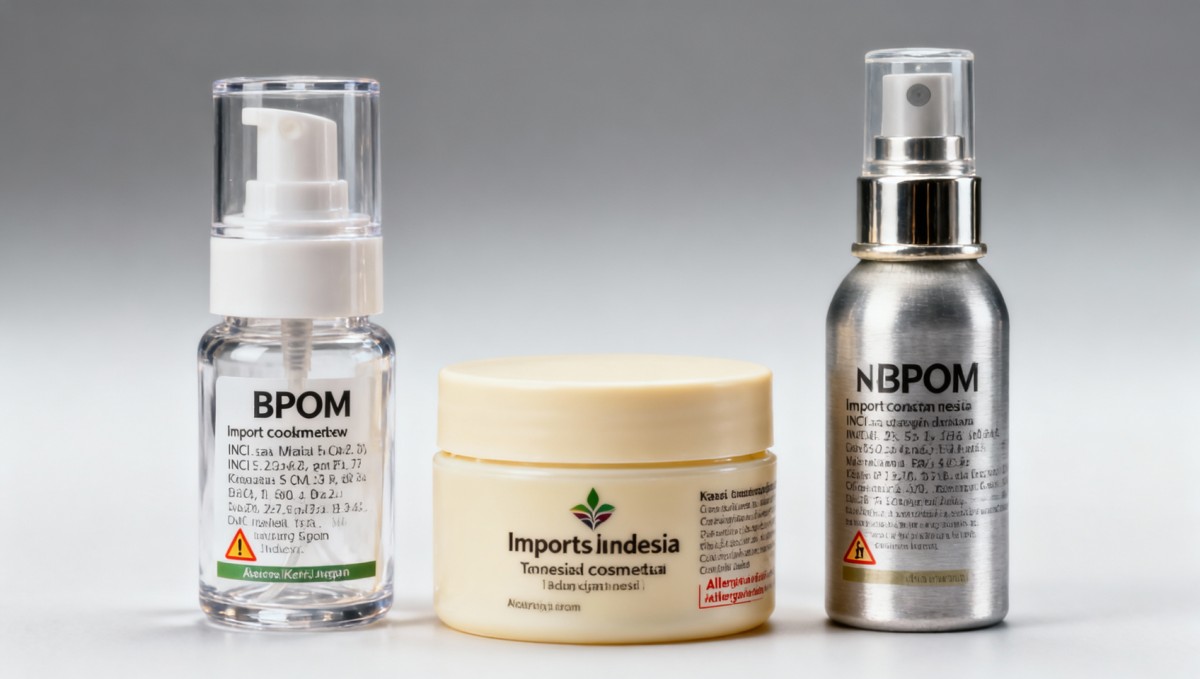
Event Overview
On May 23, 2026, BPOM issued an updated official notice (No. HK.02.02/B/4567/2026) specifying that, starting July 1, 2026, all imported cosmetics packaging—including vacuum bottles, cream jars, and spray pumps—must display the complete list of ingredients using standardized International Nomenclature of Cosmetic Ingredients (INCI) names, along with mandatory Indonesian-language allergen warnings. The font size for such text must be no smaller than 1.2 mm, and the information must appear directly on the physical package—not on inserts, leaflets, or secondary cartons.
Industries Affected
Direct Trading Enterprises: Exporters of cosmetic packaging from China to Indonesia must now revise artwork files, revalidate print plates, and adjust packaging specifications before shipment. Non-compliant consignments risk rejection at customs or mandatory relabeling—increasing lead time and landed cost. MOQ adjustments may follow, as smaller batches become less viable under revised printing and plate-setting costs.
Raw Material Procurement Firms: Suppliers of specialty inks, UV-curable coatings, and metallized films used for small-font, high-contrast labeling must verify compatibility with BPOM’s legibility standards. Ink adhesion tests on PETG, aluminum, and laminated PP surfaces are now critical; non-adherent or smudge-prone formulations may require reformulation or supplier qualification updates.
Contract Manufacturing & Packaging Converters: Companies offering assembly, decoration, or final packaging services face increased quality control burdens. Pre-shipment inspections must now include font-size verification via calibrated digital calipers and language accuracy checks by certified Indonesian linguists—not just translation vendors. This adds both time and cost per SKU.
Supply Chain Service Providers: Logistics and compliance consultancies must update their regulatory dashboards to flag BPOM’s new enforcement timeline, integrate local notary requirements for label validation affidavits, and support clients in securing BPOM-recognized third-party labeling audits. Certificate-of-compliance templates previously aligned with ASEAN Common Technical Dossier (CTD) formats now require dedicated BPOM annexes.
Key Focus Areas and Recommended Actions
Verify INCI Name Consistency Against BPOM’s Approved Database
BPOM maintains a publicly accessible INCI registry (updated quarterly), which sometimes diverges from INCI.org’s current nomenclature—especially for newer bio-based or hybrid polymers. Firms should cross-check each ingredient against BPOM’s Daftar Nama Bahan Kosmetik Terdaftar before finalizing labels.
Reassess Minimum Order Quantities for Multi-Market SKUs
Given the need for dedicated Indonesian-language plates—and potential retooling for font-size compliance—enterprises producing shared SKUs for ASEAN markets should evaluate whether regional segmentation (e.g., separate Indonesia SKUs) improves cost efficiency versus attempting single-label harmonization.
Engage Local Regulatory Representatives Early
BPOM requires foreign manufacturers to appoint an authorized local representative (ALR) for labeling validation. The ALR must submit technical documentation—including ink migration test reports and readability verification records—no later than 30 days prior to first import. Delays in ALR appointment can postpone market entry by 8–12 weeks.
Editorial Perspective / Industry Observation
Observably, this rule reflects BPOM’s broader shift toward risk-based post-market surveillance—where traceability begins at the package level, not the product dossier. Analysis shows that similar font-size and language requirements have already emerged in Vietnam (MOH Decree 06/2025) and Thailand (FDA Notification No. 221/2568), suggesting coordinated ASEAN alignment is accelerating faster than previously anticipated. From an industry perspective, the emphasis on physical-package labeling—rather than digital QR-linked disclosures—signals continued regulatory caution around consumer access equity and literacy thresholds. Current evidence does not yet support claims of ‘de facto localization mandates’; however, the cumulative effect of printing, linguistic, and representative requirements makes nearshoring of final decoration steps increasingly economically rational for high-volume SKUs.
Conclusion
This regulation is not merely a labeling update—it represents a structural recalibration of how cosmetic packaging compliance is verified across Southeast Asia. For global suppliers, it underscores that regulatory agility now hinges less on dossier preparation and more on production-line adaptability: from ink selection to font engineering to local representation infrastructure. A measured, phased implementation remains feasible—but only for those treating compliance as an integrated manufacturing constraint, not a standalone documentation task.
Source Attribution
Official source: BPOM Regulation Notice No. HK.02.02/B/4567/2026, published May 23, 2026, available at www.pom.go.id. Note: BPOM has indicated that enforcement guidance documents—including approved font verification protocols and ALR application checklists—will be released in June 2026. These remain pending and warrant close monitoring.
Related Intelligence
 Skincare OEMAug 16, 2026Amazon Enforces AI Human Metadata Rule for Beauty and Personal Care SellersAmazon now enforces AI human metadata rules for beauty sellers. Learn how to protect listings, traffic, and compliance in skincare, cosmetics, and beauty devices.
 Beauty DevicesAug 15, 2026China to Roll Out Nationwide Cross-Border Cash Pooling for MultinationalsChina to roll out nationwide cross-border cash pooling for multinationals from Sept. 14. Discover how this policy could improve treasury efficiency, liquidity management, and China-linked supply chains.
 Beauty DevicesAug 14, 2026China Imposes Temporary Export Ban on Helium, Affecting Cooling Supply ChainsChina's temporary helium export ban may disrupt cooling supply chains for beauty RF devices and laser systems. Learn what ODMs, buyers, and procurement teams should check now.
![]() Cosmetics & PkgAug 13, 2026PPWR becomes mandatory: Beauty and personal care packaging materials usher in new EPR and PFAS compliance requirementsPPWR takes effect for cosmetics packaging in the EU, bringing EPR registration and PFAS limits. Learn what brands, importers, and suppliers must do now.
Cosmetics & PkgAug 13, 2026PPWR becomes mandatory: Beauty and personal care packaging materials usher in new EPR and PFAS compliance requirementsPPWR takes effect for cosmetics packaging in the EU, bringing EPR registration and PFAS limits. Learn what brands, importers, and suppliers must do now. Cosmetics & PkgAug 12, 2026EU PPWR Now Enforced for Beauty Packaging ComplianceEU PPWR now enforced for beauty packaging compliance: learn how EPR, ERN, heavy metals and PFAS rules affect EU exports, customs clearance and platform sales.
 Cosmetics & PkgAug 11, 2026EU PPWR Rules Take Effect on Aug. 12 for Beauty PackagingEU PPWR rules for beauty packaging take effect on Aug. 12, 2026. Learn key compliance steps, EPR, labeling, PFAS limits, and how to avoid customs delays and fines.
 Smart Pet DevicesAug 10, 2026EU EPR Rules to Cover Smart Pet Devices on Aug. 15EU EPR Rules will cover smart pet devices from Aug. 15, 2026. Learn how smart collars, feeders, and monitoring devices can avoid delisting, customs delays, and compliance risks in the EU.
 Infant Feeding & CareAug 09, 2026CPSC Recalls Baby Sleep Sacks Over Undeclared TDCPPCPSC Recalls Baby Sleep Sacks Over Undeclared TDCPP: learn how this 2026 recall impacts CPC documents, third-party testing, and U.S. baby product compliance for exporters.
 Infant Feeding & CareAug 08, 2026ECHA Adds 5 SVHCs, Importer Notices Due From Oct 2026ECHA adds 5 SVHCs to the Candidate List, with importer notices due from October 2026. Learn how REACH affects exporters, supply chains, and documentation readiness.
 Baby Gear & StrollersAug 07, 2026CPSC Revises Crib Rail Standard for November 2026CPSC revises crib rail standard for November 2026, adding dynamic impact tests and mandatory third-party lab testing. Learn how the new rule affects U.S. market access, compliance, and shipments.
 Electronic & RC ToysAug 06, 2026EU to Require EN IEC 62115:2025 for Electronic ToysEU to Require EN IEC 62115:2025 for Electronic Toys from Oct 1, 2026. Learn scope, battery and AI safety updates, CE compliance risks, and how exporters can avoid customs delays.
 Baby Gear & StrollersAug 05, 2026US Stroller Stability Rule Takes Effect Aug. 15US Stroller Stability Rule Takes Effect Aug. 15: learn how new U.S. stroller compliance, ASTM F833-26a, and CPSC testing rules may affect imports, certification, and shipment readiness.
 Infant Feeding & CareAug 04, 2026ECHA Adds 5 SVHCs, Triggering Baby Care Export ReviewECHA adds 5 SVHCs, prompting an urgent baby care export review for EU-bound products. Learn the 0.1% threshold risks, compliance steps, and how to avoid customs delays and fines.












