
Application Notes Worksheet: A Practical Way to Compare Beauty Device Specs
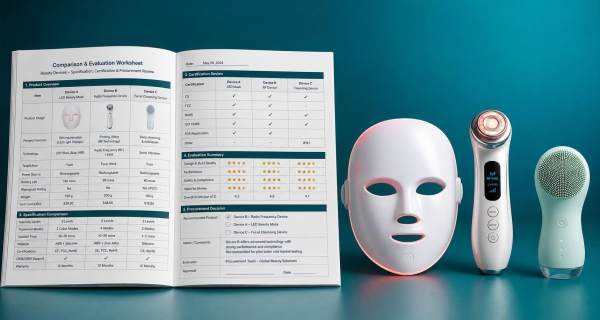
Application Notes Worksheet: A Practical Way to Compare Beauty Device Specs
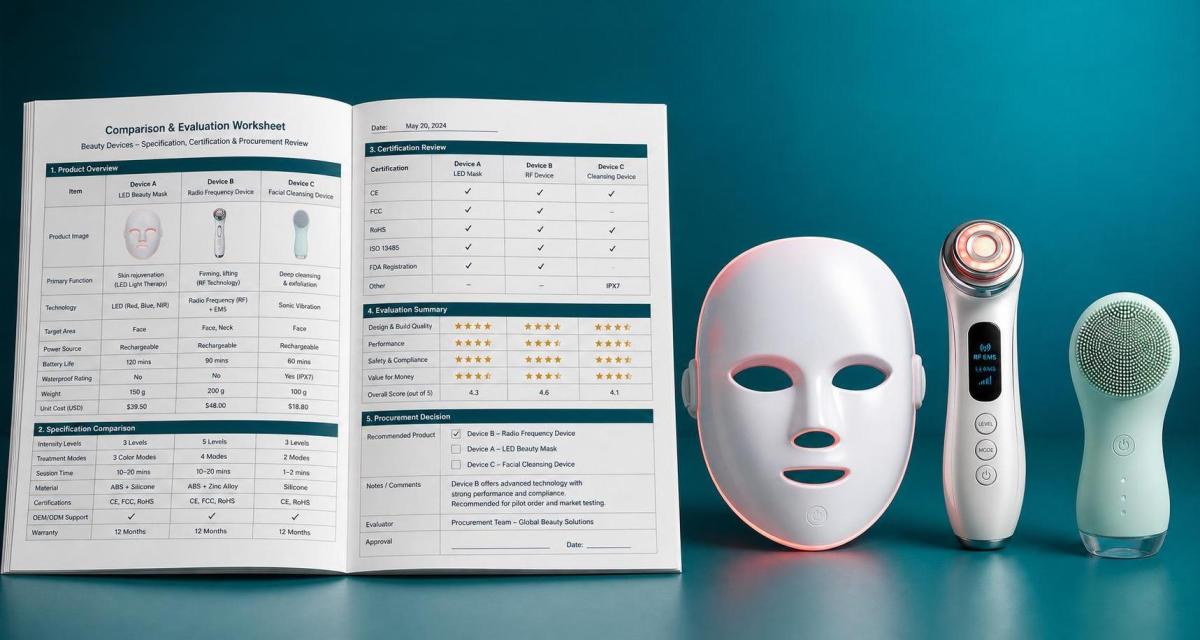
For technical evaluators comparing beauty device performance, an application notes worksheet creates a clear structure for side-by-side review.
It helps reduce missed details, especially when product claims look similar across multiple suppliers.
In fast-moving sourcing cycles, that structure matters more than many teams expect.
A strong application notes worksheet does not only compare specs.
It also connects performance, compliance, user scenarios, and manufacturing readiness in one working document.
That is especially useful in beauty device sourcing, where technical claims and retail expectations often move at different speeds.
From a broader supply chain view, Global Consumer Sourcing tracks this shift closely.
Retail buyers now expect sourcing decisions to reflect certifications, innovation potential, and launch risk at the same time.
This guide shows how to build and use an application notes worksheet for better beauty device selection decisions.
Why an Application Notes Worksheet Matters in Beauty Device Evaluation
Beauty devices often look comparable on a sales sheet.
The real differences usually appear in output consistency, treatment limits, material selection, and certification scope.
An application notes worksheet forces those details into a standard review format.
That makes comparisons easier across RF devices, LED masks, facial cleansing tools, EMS products, and IPL platforms.
More importantly, it separates marketing language from measurable data.
In actual procurement work, this reduces friction between engineering, quality, and sourcing teams.
It also creates a better audit trail when shortlisting suppliers for OEM or ODM projects.
- It standardizes how each beauty device is reviewed.
- It highlights missing technical evidence early.
- It supports cleaner scoring and vendor ranking.
- It improves communication with compliance teams.
- It lowers the risk of approving a weak supplier.
That is why the application notes worksheet has become a practical decision tool, not just an internal form.
What to Include in an Application Notes Worksheet
A useful application notes worksheet should stay simple, but it must cover every decision-critical field.
If the sheet becomes too broad, teams stop using it consistently.
If it is too thin, important sourcing risks stay hidden.
Core Technical Fields
- Device type and intended treatment scenario
- Operating power, voltage range, and output stability
- Treatment intensity levels and safety cutoffs
- Skin contact materials and durability notes
- Battery, charging mode, and runtime consistency
- Cleaning, maintenance, and replacement parts
Compliance and Sourcing Fields
- FDA, CE, RoHS, or other relevant certifications
- Test report date and issuing laboratory
- Production capacity and MOQ alignment
- Private-label customization options
- Lead time, tooling timeline, and packaging readiness
- Quality control process and defect handling response
A well-built application notes worksheet turns scattered supplier data into one decision-ready view.
That becomes even more valuable when several vendors claim the same treatment effect.
How to Compare Beauty Device Suppliers Side by Side
Once the worksheet structure is fixed, the next step is consistent scoring.
Without a scoring model, teams often drift back to subjective preference.
That usually leads to avoidable sourcing mistakes.
The application notes worksheet should include a weighted score beside each category.
For example, safety and compliance may deserve higher weight than packaging flexibility.
That reflects how real sourcing decisions are made in regulated retail environments.
Common Mistakes When Using an Application Notes Worksheet
Even a strong application notes worksheet can fail if teams use it loosely.
The most common issue is accepting incomplete fields during early screening.
That creates hidden gaps which resurface later, often during compliance review or pilot production.
Frequent Evaluation Errors
- Comparing brochure claims instead of validated test data.
- Using one worksheet version for every product category.
- Ignoring certificate market scope and expiration status.
- Scoring technical fit without checking production consistency.
- Failing to log open questions for supplier follow-up.
A cleaner process is to treat the application notes worksheet as a live document.
Update it after sample tests, certification review, and commercial negotiation.
That way, the final comparison reflects the real supplier position, not the first sales conversation.
How GCS Supports Better Sourcing Decisions
An application notes worksheet works best when paired with reliable market intelligence.
That is where Global Consumer Sourcing adds practical value.
GCS focuses on fast-growth consumer sectors where spec review and sourcing readiness must move together.
In beauty and personal care, that means tracking technical innovation, regulatory shifts, and supplier capability at the same time.
This matters when retail buyers need more than basic supplier lists.
They need signals about product viability, compliance strength, and speed-to-market potential.
Because GCS content is shaped by analysts, compliance experts, and supply chain strategists, teams can use those insights to sharpen worksheet criteria.
That leads to better shortlists and fewer surprises during qualification.
A Simple Workflow for Smarter Evaluation
To make the application notes worksheet genuinely useful, keep the workflow disciplined and repeatable.
- Define the target use case before requesting supplier documents.
- Build category-specific fields for each beauty device type.
- Require supporting evidence for every critical performance claim.
- Score technical fit, compliance, and sourcing readiness separately.
- Review the worksheet again after sample validation.
- Use final scores to justify shortlist and negotiation priorities.
This process keeps decisions grounded in evidence.
It also gives procurement teams a stronger internal case when selecting one supplier over another.
In the current retail supply environment, that level of clarity is no longer optional.
A practical application notes worksheet helps turn complex beauty device comparisons into a more confident, faster, and more defensible sourcing decision.
Related Intelligence
 Skincare OEMAug 16, 2026Amazon Enforces AI Human Metadata Rule for Beauty and Personal Care SellersAmazon now enforces AI human metadata rules for beauty sellers. Learn how to protect listings, traffic, and compliance in skincare, cosmetics, and beauty devices.
 Beauty DevicesAug 15, 2026China to Roll Out Nationwide Cross-Border Cash Pooling for MultinationalsChina to roll out nationwide cross-border cash pooling for multinationals from Sept. 14. Discover how this policy could improve treasury efficiency, liquidity management, and China-linked supply chains.
 Beauty DevicesAug 14, 2026China Imposes Temporary Export Ban on Helium, Affecting Cooling Supply ChainsChina's temporary helium export ban may disrupt cooling supply chains for beauty RF devices and laser systems. Learn what ODMs, buyers, and procurement teams should check now.
![]() Cosmetics & PkgAug 13, 2026PPWR becomes mandatory: Beauty and personal care packaging materials usher in new EPR and PFAS compliance requirementsPPWR takes effect for cosmetics packaging in the EU, bringing EPR registration and PFAS limits. Learn what brands, importers, and suppliers must do now.
Cosmetics & PkgAug 13, 2026PPWR becomes mandatory: Beauty and personal care packaging materials usher in new EPR and PFAS compliance requirementsPPWR takes effect for cosmetics packaging in the EU, bringing EPR registration and PFAS limits. Learn what brands, importers, and suppliers must do now. Cosmetics & PkgAug 12, 2026EU PPWR Now Enforced for Beauty Packaging ComplianceEU PPWR now enforced for beauty packaging compliance: learn how EPR, ERN, heavy metals and PFAS rules affect EU exports, customs clearance and platform sales.
 Cosmetics & PkgAug 11, 2026EU PPWR Rules Take Effect on Aug. 12 for Beauty PackagingEU PPWR rules for beauty packaging take effect on Aug. 12, 2026. Learn key compliance steps, EPR, labeling, PFAS limits, and how to avoid customs delays and fines.
 Smart Pet DevicesAug 10, 2026EU EPR Rules to Cover Smart Pet Devices on Aug. 15EU EPR Rules will cover smart pet devices from Aug. 15, 2026. Learn how smart collars, feeders, and monitoring devices can avoid delisting, customs delays, and compliance risks in the EU.
 Infant Feeding & CareAug 09, 2026CPSC Recalls Baby Sleep Sacks Over Undeclared TDCPPCPSC Recalls Baby Sleep Sacks Over Undeclared TDCPP: learn how this 2026 recall impacts CPC documents, third-party testing, and U.S. baby product compliance for exporters.
 Infant Feeding & CareAug 08, 2026ECHA Adds 5 SVHCs, Importer Notices Due From Oct 2026ECHA adds 5 SVHCs to the Candidate List, with importer notices due from October 2026. Learn how REACH affects exporters, supply chains, and documentation readiness.
 Baby Gear & StrollersAug 07, 2026CPSC Revises Crib Rail Standard for November 2026CPSC revises crib rail standard for November 2026, adding dynamic impact tests and mandatory third-party lab testing. Learn how the new rule affects U.S. market access, compliance, and shipments.
 Electronic & RC ToysAug 06, 2026EU to Require EN IEC 62115:2025 for Electronic ToysEU to Require EN IEC 62115:2025 for Electronic Toys from Oct 1, 2026. Learn scope, battery and AI safety updates, CE compliance risks, and how exporters can avoid customs delays.
 Baby Gear & StrollersAug 05, 2026US Stroller Stability Rule Takes Effect Aug. 15US Stroller Stability Rule Takes Effect Aug. 15: learn how new U.S. stroller compliance, ASTM F833-26a, and CPSC testing rules may affect imports, certification, and shipment readiness.
 Infant Feeding & CareAug 04, 2026ECHA Adds 5 SVHCs, Triggering Baby Care Export ReviewECHA adds 5 SVHCs, prompting an urgent baby care export review for EU-bound products. Learn the 0.1% threshold risks, compliance steps, and how to avoid customs delays and fines.












