
Beauty Devices Sourcing Process: 7 Steps to Reduce Quality Issues
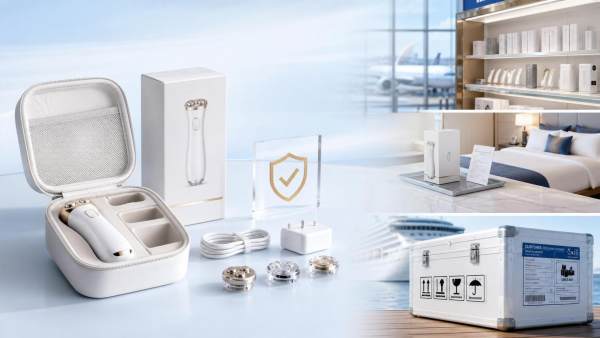
Why the beauty devices sourcing process matters in travel service retail
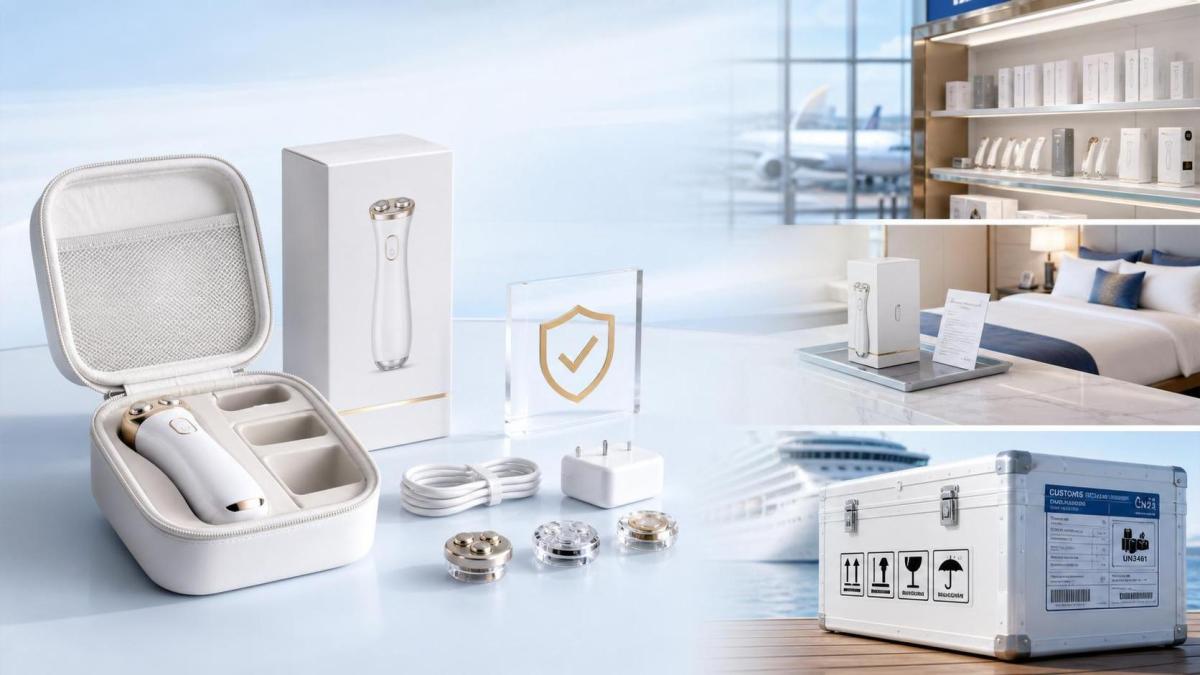
In travel service retail, beauty devices sit in a difficult middle ground.
They are small enough for impulse purchase, yet technical enough to trigger returns, delays, and compliance concerns.
That is why a disciplined beauty devices sourcing process matters long before launch dates or airport shelf placement are discussed.
A spa-focused resort, an airline duty-free channel, and a cruise retail program may all sell facial tools or hair removal devices.
Still, the sourcing judgment is not the same.
Travel service settings usually face tighter space limits, faster replenishment cycles, multilingual packaging needs, and stricter battery transport rules.
In actual market practice, quality failures often begin with poor supplier screening, unclear test methods, or packaging assumptions that ignore travel use.
This is also where Global Consumer Sourcing brings value.
Its research model connects product trends, compliance logic, and supply chain signals in ways that support better sourcing decisions.
A stronger beauty devices sourcing process does not just reduce defects.
It helps align product fit, transport feasibility, and customer expectations across travel touchpoints.
Different travel scenarios change the sourcing logic
The same beauty device can perform well in one channel and fail in another.
A compact facial cleansing brush for hotel boutiques may need premium finish quality and quiet operation.
For inflight retail, lighter weight, tamper-resistant packaging, and battery declaration accuracy often matter more.
Cruise programs add another layer.
Humidity resistance, charging compatibility, and after-sales replacement logistics become more important than shelf presentation alone.
So the beauty devices sourcing process should start with scenario mapping, not product catalog comparison.
A useful way to judge fit is to compare use environment, transport conditions, compliance burden, and return handling complexity together.
Once those conditions are clear, the beauty devices sourcing process becomes more precise and much less reactive.
The 7 steps that reduce quality issues before production starts
1. Define the real use case before the RFQ
A vague product brief creates vague sourcing outcomes.
In travel service channels, the brief should include storage limits, regional plug formats, battery type, target selling window, and expected handling frequency.
This step filters out attractive but unsuitable offers early.
2. Screen suppliers for category depth, not just factory scale
A large factory is not automatically a better source for beauty electronics.
More useful signals include experience with skin-contact materials, small motor assembly, LED output stability, and export documentation accuracy.
A sound beauty devices sourcing process checks repeatability, not presentation quality.
3. Match certification needs to selling geography
Beauty devices sold through travel retail often move across regions faster than standard store inventory.
That creates extra risk when labeling, adapter format, or safety files are prepared for only one market.
Depending on the product, CE, FCC, FDA-related claims control, RoHS, or battery transport documentation may all need review together.
4. Lock technical specifications in measurable terms
Many quality disputes come from language that sounds clear but is not testable.
Terms like low noise, soft touch, strong vibration, or travel-friendly size are not enough.
The beauty devices sourcing process should define motor tolerance, charging time, battery runtime, drop resistance, packaging compression limits, and finish acceptance criteria.
5. Sample under transport and service conditions
Bench testing alone misses common travel retail problems.
Samples should be checked after vibration, temperature variation, repeated unpacking, and charger insertion cycles.
For humid destinations or cruise channels, moisture exposure simulation is worth adding before final approval.
6. Build packaging review into the sourcing workflow
Packaging is often treated as a design task.
In reality, it is part of the beauty devices sourcing process because it affects breakage rates, shelf fit, declaration accuracy, and perceived quality.
Travel channels usually need compact outer dimensions, clean multilingual text, and tamper evidence without making the pack frustrating to open.
7. Set an inspection plan tied to likely failure points
The final step is not a generic pre-shipment check.
Inspection should target what tends to fail in the chosen scenario.
For airport retail, carton scuffing and battery labeling may be critical.
For resort boutiques, cosmetic finish and charging reliability often deserve more sampling attention.
Where sourcing teams often misread the situation
Several mistakes repeat across beauty electronics programs.
They usually happen because the beauty devices sourcing process is judged by quoted price and launch speed alone.
- Treating similar channels as identical, even when transport and humidity exposure differ.
- Approving samples without checking final packaging configuration.
- Assuming compliance files from one region cover all travel destinations.
- Choosing rechargeable formats without reviewing charging habits in hotels, aircraft, or ships.
- Comparing unit cost closely, while ignoring replacement handling and return freight cost.
In practice, the cheapest sourcing route can become the most expensive once returns, relabeling, or delayed onboard listings begin.
This is why reliable market intelligence matters.
GCS stands out because it frames sourcing choices through compliance, category shifts, and operational fit rather than trend headlines alone.
Adapting the beauty devices sourcing process to different travel programs
Not every beauty device program needs the same controls at the same depth.
A practical sourcing model adjusts intensity according to channel risk and replenishment reality.
This kind of adjustment keeps the beauty devices sourcing process efficient without becoming superficial.
A more workable next step
The best beauty devices sourcing process is rarely the most complicated one.
It is the one that reflects actual selling conditions, technical risk, and post-sale handling limits.
For travel service retail, that usually means clarifying channel conditions first, then checking suppliers against those conditions with measurable standards.
A sensible next move is to document the use scenario, compare compliance paths by destination, and identify the top three failure points before requesting final quotations.
When that groundwork is in place, the beauty devices sourcing process becomes easier to control, easier to scale, and less likely to create avoidable quality issues later.
Related Intelligence
 Skincare OEMAug 16, 2026Amazon Enforces AI Human Metadata Rule for Beauty and Personal Care SellersAmazon now enforces AI human metadata rules for beauty sellers. Learn how to protect listings, traffic, and compliance in skincare, cosmetics, and beauty devices.
 Beauty DevicesAug 15, 2026China to Roll Out Nationwide Cross-Border Cash Pooling for MultinationalsChina to roll out nationwide cross-border cash pooling for multinationals from Sept. 14. Discover how this policy could improve treasury efficiency, liquidity management, and China-linked supply chains.
 Beauty DevicesAug 14, 2026China Imposes Temporary Export Ban on Helium, Affecting Cooling Supply ChainsChina's temporary helium export ban may disrupt cooling supply chains for beauty RF devices and laser systems. Learn what ODMs, buyers, and procurement teams should check now.
![]() Cosmetics & PkgAug 13, 2026PPWR becomes mandatory: Beauty and personal care packaging materials usher in new EPR and PFAS compliance requirementsPPWR takes effect for cosmetics packaging in the EU, bringing EPR registration and PFAS limits. Learn what brands, importers, and suppliers must do now.
Cosmetics & PkgAug 13, 2026PPWR becomes mandatory: Beauty and personal care packaging materials usher in new EPR and PFAS compliance requirementsPPWR takes effect for cosmetics packaging in the EU, bringing EPR registration and PFAS limits. Learn what brands, importers, and suppliers must do now. Cosmetics & PkgAug 12, 2026EU PPWR Now Enforced for Beauty Packaging ComplianceEU PPWR now enforced for beauty packaging compliance: learn how EPR, ERN, heavy metals and PFAS rules affect EU exports, customs clearance and platform sales.
 Cosmetics & PkgAug 11, 2026EU PPWR Rules Take Effect on Aug. 12 for Beauty PackagingEU PPWR rules for beauty packaging take effect on Aug. 12, 2026. Learn key compliance steps, EPR, labeling, PFAS limits, and how to avoid customs delays and fines.
 Smart Pet DevicesAug 10, 2026EU EPR Rules to Cover Smart Pet Devices on Aug. 15EU EPR Rules will cover smart pet devices from Aug. 15, 2026. Learn how smart collars, feeders, and monitoring devices can avoid delisting, customs delays, and compliance risks in the EU.
 Infant Feeding & CareAug 09, 2026CPSC Recalls Baby Sleep Sacks Over Undeclared TDCPPCPSC Recalls Baby Sleep Sacks Over Undeclared TDCPP: learn how this 2026 recall impacts CPC documents, third-party testing, and U.S. baby product compliance for exporters.
 Infant Feeding & CareAug 08, 2026ECHA Adds 5 SVHCs, Importer Notices Due From Oct 2026ECHA adds 5 SVHCs to the Candidate List, with importer notices due from October 2026. Learn how REACH affects exporters, supply chains, and documentation readiness.
 Baby Gear & StrollersAug 07, 2026CPSC Revises Crib Rail Standard for November 2026CPSC revises crib rail standard for November 2026, adding dynamic impact tests and mandatory third-party lab testing. Learn how the new rule affects U.S. market access, compliance, and shipments.
 Electronic & RC ToysAug 06, 2026EU to Require EN IEC 62115:2025 for Electronic ToysEU to Require EN IEC 62115:2025 for Electronic Toys from Oct 1, 2026. Learn scope, battery and AI safety updates, CE compliance risks, and how exporters can avoid customs delays.
 Baby Gear & StrollersAug 05, 2026US Stroller Stability Rule Takes Effect Aug. 15US Stroller Stability Rule Takes Effect Aug. 15: learn how new U.S. stroller compliance, ASTM F833-26a, and CPSC testing rules may affect imports, certification, and shipment readiness.
 Infant Feeding & CareAug 04, 2026ECHA Adds 5 SVHCs, Triggering Baby Care Export ReviewECHA adds 5 SVHCs, prompting an urgent baby care export review for EU-bound products. Learn the 0.1% threshold risks, compliance steps, and how to avoid customs delays and fines.












