
Consumer Goods Compliance Risks in Beauty Device Launches
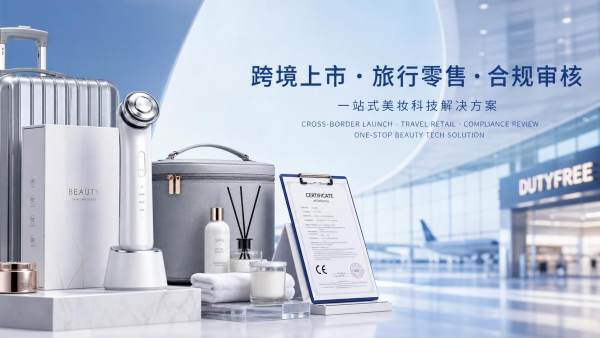
Launching a beauty device across borders is rarely just a product decision. It is a consumer goods compliance exercise that touches design, packaging, logistics, and market access. For brands supplying retail, hospitality, and travel service channels, one weak compliance checkpoint can delay a rollout, stop customs clearance, or create reputational damage long after the launch campaign ends.
Beauty tools sold through airport retail, hotel boutiques, wellness resorts, cruise programs, and travel e-commerce face particular scrutiny. They move through multiple jurisdictions, short delivery windows, and high-visibility customer environments. That makes compliance risk less theoretical and much more commercial.
Why beauty device compliance is now a board-level launch issue
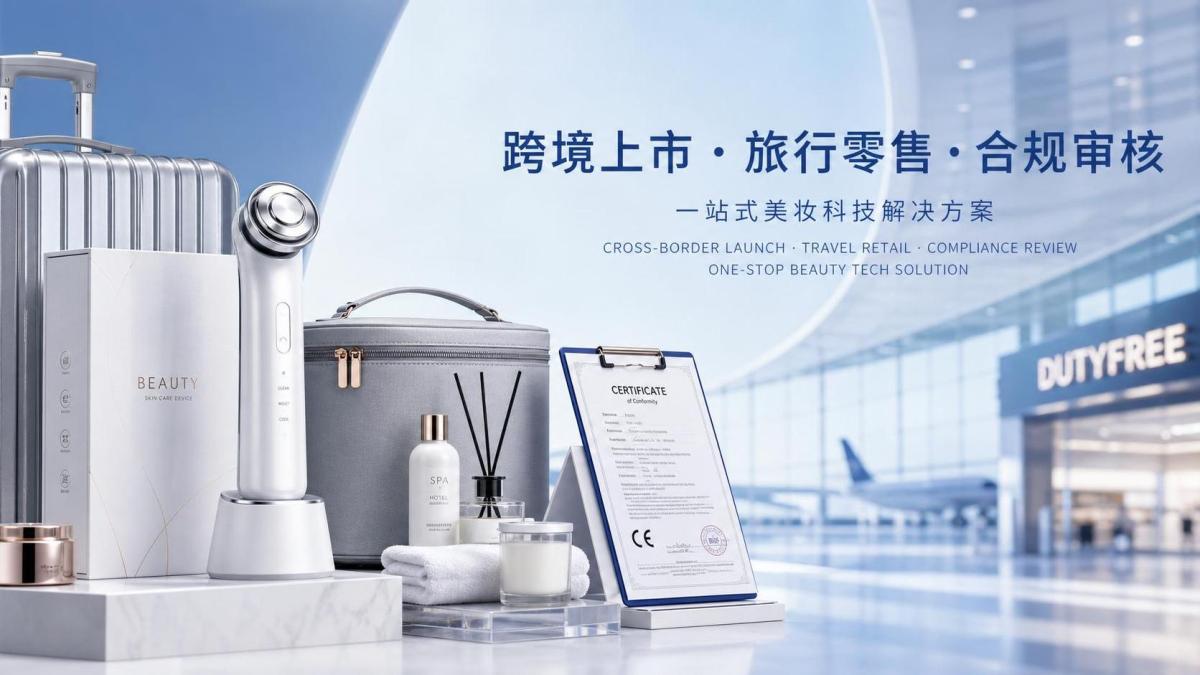
Travel service operators increasingly add beauty devices to premium guest experiences and retail assortments. Facial cleansing tools, LED masks, microcurrent devices, hair styling tools, and skin treatment gadgets are no longer confined to specialty stores.
This wider distribution changes the compliance equation. A device may be handled as a personal care product in one market, an electrical appliance in another, and a product with medical-adjacent claims somewhere else. Consumer goods compliance therefore depends on how the product is designed, marketed, labeled, and transported.
The current market also moves faster than many approval systems. Private-label programs, short production runs, seasonal travel promotions, and omnichannel launches compress timelines. When sourcing teams move quickly without aligned safety files, the launch risk compounds.
This is where intelligence platforms such as Global Consumer Sourcing matter. GCS tracks the intersection of sourcing, certification, regulatory expectations, and retail execution, helping businesses see compliance not as a late-stage document task, but as a launch condition.
What consumer goods compliance means for a beauty device
For beauty devices, consumer goods compliance covers more than passing a lab test. It includes product safety, electrical performance, restricted substances, instructions, warnings, traceability, packaging claims, and importer responsibilities.
A cleansing brush with a rechargeable battery may need electrical safety review, EMC testing, battery transport documentation, RoHS checks, user warning validation, and language-specific labeling. If the same product claims to treat acne or stimulate collagen, the risk profile rises further.
In practice, consumer goods compliance asks a simple question: can the product be legally sold, safely used, and correctly represented in each target market? If the answer is uncertain at any point, the launch is not fully ready.
The most common regulatory layers
The compliance risks that most often derail launches
The biggest problems usually begin before testing starts. Teams often inherit supplier files that look complete but do not match the final bill of materials, final packaging, or final product claims. That gap creates false confidence.
Certification mismatch
A common issue is relying on a certificate issued for a similar product, not the exact shipped version. Changed adapters, revised motors, or new batteries can invalidate earlier evidence. Consumer goods compliance depends on configuration control, not broad similarity.
Uncontrolled therapeutic claims
Marketing teams sometimes push language that moves a beauty tool toward medical positioning. Words such as treatment, repair, cure, or anti-inflammatory may trigger a different regulatory path. Even packaging copy used in travel retail displays can create this problem.
Material and skin-contact risk
Beauty devices directly contact skin, sometimes with heat, vibration, or light exposure. Silicone heads, metal plates, coatings, and adhesives must be assessed for restricted substances and irritation risk. For guest-facing travel service environments, complaints escalate quickly.
Labeling errors across markets
Short lead times often create multilingual packaging shortcuts. Missing importer details, unclear voltage markings, weak hazard warnings, or incomplete disposal symbols can stop placement in stores. This is a classic consumer goods compliance failure because the product may be safe, yet still noncompliant.
Battery shipping gaps
Rechargeable beauty devices are increasingly sold through travel channels, where air freight matters. If UN38.3, packing instructions, or battery test summaries are incomplete, inventory may miss launch windows. In seasonal tourism, that timing loss can erase the margin opportunity.
Why travel service channels raise the stakes
Travel service is relevant because beauty devices now appear in places where convenience, trust, and portability drive purchase. Airports favor compact premium items. Hotels add beauty tools to room upgrades or spa retail. Cruise operators and destination wellness resorts build curated personal care offers.
These channels amplify risk in three ways. First, products move internationally and often change hands between distributor, operator, and retailer. Second, customer feedback is immediate and highly visible. Third, service environments need devices that are safe in repeated handling, storage, and charging situations.
A beauty device designed only for domestic e-commerce may struggle in travel service settings. Plug type, voltage range, transit durability, language coverage, and disposal instructions become more important. Consumer goods compliance therefore needs to be matched to the actual selling environment, not only the product category.
How to evaluate launch readiness before production scales
A practical review process starts with the target market map. That means identifying where the beauty device will be sold, who will import it, which claims will appear, and whether travel service distribution adds extra transport or usage conditions.
From there, the most useful approach is cross-checking evidence against the final product version. Documentation should reflect the exact charger, housing, battery, accessory materials, user manual, and carton artwork that will ship.
- Confirm whether the product remains a beauty device in every market, or crosses into medical-device territory through claims.
- Review all skin-contact materials, including spare heads, pads, coatings, and adhesives.
- Check that test reports match the final BOM, not an older engineering sample.
- Validate labeling, warning text, symbols, and importer information for each destination.
- Assess battery transport paperwork early, especially for air-driven travel retail supply chains.
- Align after-sales handling, complaint records, and traceability codes before launch.
This is where data-backed sourcing intelligence adds value. GCS highlights how certification, material selection, and retail strategy interact, which helps reduce blind spots between product development and commercial rollout.
Where sourcing decisions influence compliance outcomes
Many compliance failures originate upstream. An OEM may substitute components to meet cost targets. An ODM may revise packaging claims for local sales language. A private-label buyer may request aesthetic changes that alter heat retention or skin contact behavior.
None of these changes look dramatic in isolation. Together, they can break the original compliance case. That is why consumer goods compliance should be embedded in supplier onboarding, change control, sample approval, and final inspection criteria.
Strong programs treat compliance documents as living records. They connect factory audits, lab reports, packaging approvals, and shipment release checks. This is especially important when serving travel service partners that expect reliable timing and low incident rates.
What deserves attention next
The next step is not simply collecting more certificates. It is building a launch file that links regulatory scope, product claims, sourcing changes, and destination requirements into one decision path. That makes consumer goods compliance easier to verify and harder to overlook.
For beauty devices entering retail and travel service channels, a useful review starts with three questions: does the final product match the evidence, does the market claim match the legal category, and does the logistics route match the battery and labeling file?
When those answers are clear, launch planning becomes more resilient. When they are vague, the risk usually appears later as delay, dispute, or corrective action. A disciplined, market-aware compliance review remains one of the most practical ways to protect both revenue and brand trust.
Related Intelligence
 Skincare OEMAug 16, 2026Amazon Enforces AI Human Metadata Rule for Beauty and Personal Care SellersAmazon now enforces AI human metadata rules for beauty sellers. Learn how to protect listings, traffic, and compliance in skincare, cosmetics, and beauty devices.
 Beauty DevicesAug 15, 2026China to Roll Out Nationwide Cross-Border Cash Pooling for MultinationalsChina to roll out nationwide cross-border cash pooling for multinationals from Sept. 14. Discover how this policy could improve treasury efficiency, liquidity management, and China-linked supply chains.
 Beauty DevicesAug 14, 2026China Imposes Temporary Export Ban on Helium, Affecting Cooling Supply ChainsChina's temporary helium export ban may disrupt cooling supply chains for beauty RF devices and laser systems. Learn what ODMs, buyers, and procurement teams should check now.
![]() Cosmetics & PkgAug 13, 2026PPWR becomes mandatory: Beauty and personal care packaging materials usher in new EPR and PFAS compliance requirementsPPWR takes effect for cosmetics packaging in the EU, bringing EPR registration and PFAS limits. Learn what brands, importers, and suppliers must do now.
Cosmetics & PkgAug 13, 2026PPWR becomes mandatory: Beauty and personal care packaging materials usher in new EPR and PFAS compliance requirementsPPWR takes effect for cosmetics packaging in the EU, bringing EPR registration and PFAS limits. Learn what brands, importers, and suppliers must do now. Cosmetics & PkgAug 12, 2026EU PPWR Now Enforced for Beauty Packaging ComplianceEU PPWR now enforced for beauty packaging compliance: learn how EPR, ERN, heavy metals and PFAS rules affect EU exports, customs clearance and platform sales.
 Cosmetics & PkgAug 11, 2026EU PPWR Rules Take Effect on Aug. 12 for Beauty PackagingEU PPWR rules for beauty packaging take effect on Aug. 12, 2026. Learn key compliance steps, EPR, labeling, PFAS limits, and how to avoid customs delays and fines.
 Smart Pet DevicesAug 10, 2026EU EPR Rules to Cover Smart Pet Devices on Aug. 15EU EPR Rules will cover smart pet devices from Aug. 15, 2026. Learn how smart collars, feeders, and monitoring devices can avoid delisting, customs delays, and compliance risks in the EU.
 Infant Feeding & CareAug 09, 2026CPSC Recalls Baby Sleep Sacks Over Undeclared TDCPPCPSC Recalls Baby Sleep Sacks Over Undeclared TDCPP: learn how this 2026 recall impacts CPC documents, third-party testing, and U.S. baby product compliance for exporters.
 Infant Feeding & CareAug 08, 2026ECHA Adds 5 SVHCs, Importer Notices Due From Oct 2026ECHA adds 5 SVHCs to the Candidate List, with importer notices due from October 2026. Learn how REACH affects exporters, supply chains, and documentation readiness.
 Baby Gear & StrollersAug 07, 2026CPSC Revises Crib Rail Standard for November 2026CPSC revises crib rail standard for November 2026, adding dynamic impact tests and mandatory third-party lab testing. Learn how the new rule affects U.S. market access, compliance, and shipments.
 Electronic & RC ToysAug 06, 2026EU to Require EN IEC 62115:2025 for Electronic ToysEU to Require EN IEC 62115:2025 for Electronic Toys from Oct 1, 2026. Learn scope, battery and AI safety updates, CE compliance risks, and how exporters can avoid customs delays.
 Baby Gear & StrollersAug 05, 2026US Stroller Stability Rule Takes Effect Aug. 15US Stroller Stability Rule Takes Effect Aug. 15: learn how new U.S. stroller compliance, ASTM F833-26a, and CPSC testing rules may affect imports, certification, and shipment readiness.
 Infant Feeding & CareAug 04, 2026ECHA Adds 5 SVHCs, Triggering Baby Care Export ReviewECHA adds 5 SVHCs, prompting an urgent baby care export review for EU-bound products. Learn the 0.1% threshold risks, compliance steps, and how to avoid customs delays and fines.












