
2026 Guangzhou Trade Fair Opens With New 1688 Factory Zone
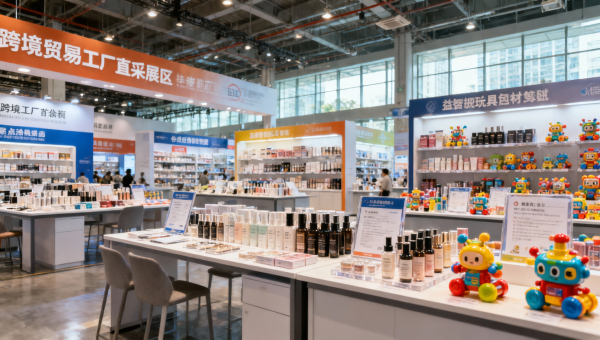
On June 15, 2026, the 12th China Cross-Border E-commerce Trade Fair opened at the Canton Fair Complex in Guangzhou, with a new physical “1688 Super Factory” zone added for the first time. Running through June 17, the event brings attention to how cross-border sourcing is being organized around certified upstream manufacturers, faster sample handling, small-batch response, and ODM collaboration. For exporters, buyers, factory operators, and supply chain service providers, the development is worth watching because it points to a more direct link between product selection, compliance review, and order conversion in several vertical categories.
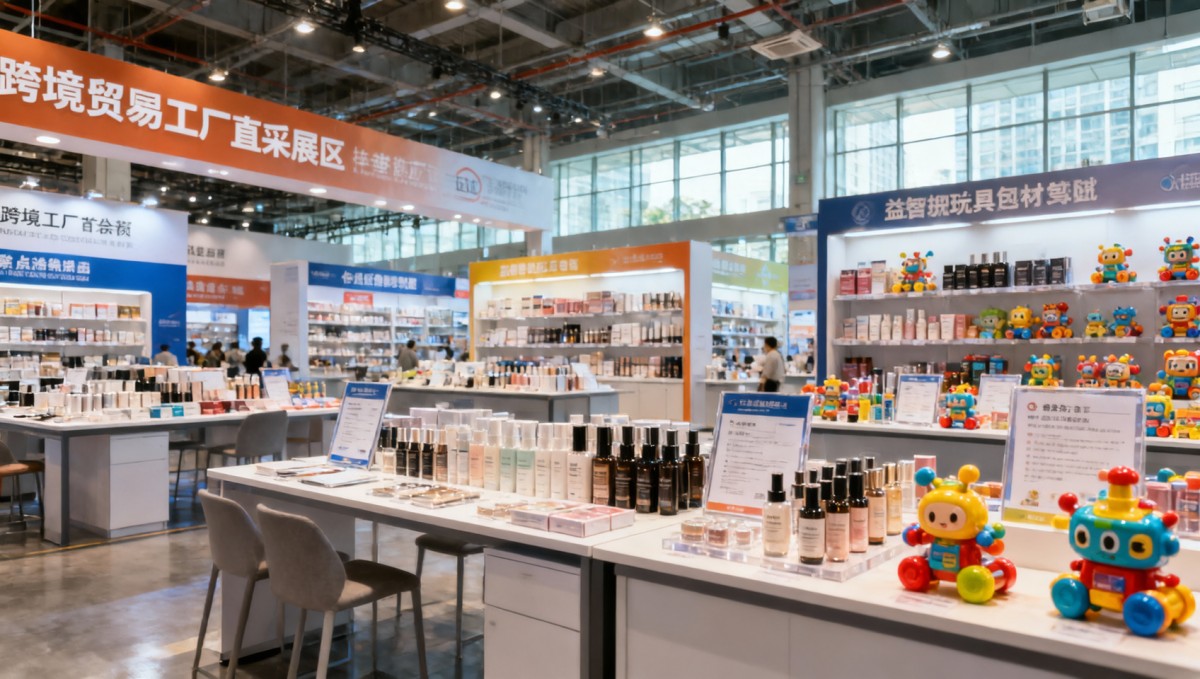
A New Offline Window for Vertical Supply Chains
According to the confirmed event information, the fair is being held from June 15 to 17, 2026 at the Canton Fair Complex in Guangzhou. A “1688 Super Factory” physical exhibition area has been introduced for the first time at the 12th edition of the show.
The zone focuses on 15 vertical supply chains, including Skincare OEM, Cosmetics & Pkg, and STEM & Educational Toys. More than 300 source factories are participating, with certifications including ISO 22716, GMP, EN71, and ASTM F963.
The on-site business model includes B2B support for rapid sample delivery, small-order quick response, and joint ODM development. These are the confirmed features stated in the event summary.
Why Different Market Participants May Pay Attention
Export sellers and trading companies may see sourcing workflows change
From an industry perspective, companies that sell into cross-border channels may pay close attention because the exhibition setup highlights direct access to source factories across multiple vertical categories. The practical impact may be felt in supplier screening, sample confirmation, and early-stage product development rather than only in later order placement.
What deserves closer attention is whether certified factory access, sample speed, and small-batch response become more central in vendor selection for cross-border product launches.
Manufacturers and OEM/ODM suppliers face stronger front-end visibility
For participating factories, the format may shift attention toward how manufacturing capability is presented at the sourcing stage. The stated focus on certifications and on-site ODM collaboration suggests that factory qualification, product compliance readiness, and responsiveness could matter earlier in buyer conversations.
Analysis shows that this may be especially relevant for categories such as skincare, cosmetics packaging, and educational toys, where certification and specification alignment can affect commercial discussions from the outset.
Service providers may need to align with faster deal cycles
Supply chain and trade service providers may also be affected because the event highlights sample delivery and small-order quick response as part of the B2B model. If buyers expect shorter decision cycles, service coordination around documentation, communication, and order follow-up may need to move faster as well.
Observably, the point is not that outcomes are already changing across the market, but that the fair is putting these service expectations into a more visible offline setting.
What Companies Should Track Next
Compare certification claims with actual category requirements
Companies reviewing potential suppliers should pay attention to how listed certifications such as ISO 22716, GMP, EN71, and ASTM F963 relate to their own product categories and target-market requirements. The presence of certifications is a useful screening signal, but actual transaction decisions still depend on whether the documentation matches the intended product and business scope.
Assess whether small-batch response fits real order planning
The mention of small-order quick response is commercially relevant, but businesses should distinguish between an exhibition-side service promise and day-to-day fulfillment capability. Procurement teams may want to focus on minimum order expectations, sample turnaround, and follow-up coordination when evaluating whether a supplier can support pilot launches or repeated replenishment.
Watch how ODM collaboration is discussed in practice
The event summary includes joint ODM development as an on-site B2B model. For brands, trading companies, and sourcing teams, this makes product definition, packaging coordination, and development communication a practical point of attention. What deserves closer attention is whether discussions at the fair remain at the display level or move into workable development processes with clear deliverables.
Follow any later official clarification or updated wording
Because the current information is limited to the event title, date, and summary provided here, companies should continue to monitor whether any official follow-up materials further explain the scope of the “1688 Super Factory” zone, the covered categories, or the operating rules tied to on-site business matching.
How This News Is Better Understood at This Stage
Analysis shows that this development is better understood as a market signal than as a completed industry outcome. The first-time addition of a physical “1688 Super Factory” zone suggests a stronger emphasis on connecting cross-border demand with upstream manufacturing capacity in a more category-specific and service-oriented format.
At the same time, it is more appropriate to understand this as an indicator that deserves continued observation. The confirmed facts show the fair’s structure, participating factory base, and featured B2B service modes, but they do not by themselves prove lasting changes in transaction volume, supplier performance, or wider market practice.
A Practical Reading of the Event
In practical terms, this event matters because it combines three confirmed elements in one setting: vertical supply chains, certified source factories, and faster B2B collaboration models. For industry participants, the immediate value lies less in headline interpretation and more in what it may signal about sourcing priorities, supplier evaluation, and product development workflows in cross-border trade.
At this point, the news is best read as a near-term operational signal with possible longer-term implications, rather than as evidence of a settled market shift.
Basis of This Article
This article is generated based on the user-provided news title, event date, and event summary. The confirmed information used here is limited to the opening of the 2026 China Cross-Border E-commerce Trade Fair in Guangzhou, the first-time setup of the “1688 Super Factory” zone, the event dates, the cited vertical categories, the participation of more than 300 certified source factories, and the listed B2B service models.
For this type of industry news, relevant source types usually include official event announcements, company statements, industry association updates, authoritative media reports, and standard-setting organization documents. A specific official source link was not provided in the input, so further verification is still needed. Follow-up attention should focus on any later official clarification, category-specific implementation details, and whether the highlighted service models translate into sustained business practice after the event.
Related Intelligence
 Skincare OEMAug 16, 2026Amazon Enforces AI Human Metadata Rule for Beauty and Personal Care SellersAmazon now enforces AI human metadata rules for beauty sellers. Learn how to protect listings, traffic, and compliance in skincare, cosmetics, and beauty devices.
 Beauty DevicesAug 15, 2026China to Roll Out Nationwide Cross-Border Cash Pooling for MultinationalsChina to roll out nationwide cross-border cash pooling for multinationals from Sept. 14. Discover how this policy could improve treasury efficiency, liquidity management, and China-linked supply chains.
 Beauty DevicesAug 14, 2026China Imposes Temporary Export Ban on Helium, Affecting Cooling Supply ChainsChina's temporary helium export ban may disrupt cooling supply chains for beauty RF devices and laser systems. Learn what ODMs, buyers, and procurement teams should check now.
![]() Cosmetics & PkgAug 13, 2026PPWR becomes mandatory: Beauty and personal care packaging materials usher in new EPR and PFAS compliance requirementsPPWR takes effect for cosmetics packaging in the EU, bringing EPR registration and PFAS limits. Learn what brands, importers, and suppliers must do now.
Cosmetics & PkgAug 13, 2026PPWR becomes mandatory: Beauty and personal care packaging materials usher in new EPR and PFAS compliance requirementsPPWR takes effect for cosmetics packaging in the EU, bringing EPR registration and PFAS limits. Learn what brands, importers, and suppliers must do now. Cosmetics & PkgAug 12, 2026EU PPWR Now Enforced for Beauty Packaging ComplianceEU PPWR now enforced for beauty packaging compliance: learn how EPR, ERN, heavy metals and PFAS rules affect EU exports, customs clearance and platform sales.
 Cosmetics & PkgAug 11, 2026EU PPWR Rules Take Effect on Aug. 12 for Beauty PackagingEU PPWR rules for beauty packaging take effect on Aug. 12, 2026. Learn key compliance steps, EPR, labeling, PFAS limits, and how to avoid customs delays and fines.
 Smart Pet DevicesAug 10, 2026EU EPR Rules to Cover Smart Pet Devices on Aug. 15EU EPR Rules will cover smart pet devices from Aug. 15, 2026. Learn how smart collars, feeders, and monitoring devices can avoid delisting, customs delays, and compliance risks in the EU.
 Infant Feeding & CareAug 09, 2026CPSC Recalls Baby Sleep Sacks Over Undeclared TDCPPCPSC Recalls Baby Sleep Sacks Over Undeclared TDCPP: learn how this 2026 recall impacts CPC documents, third-party testing, and U.S. baby product compliance for exporters.
 Infant Feeding & CareAug 08, 2026ECHA Adds 5 SVHCs, Importer Notices Due From Oct 2026ECHA adds 5 SVHCs to the Candidate List, with importer notices due from October 2026. Learn how REACH affects exporters, supply chains, and documentation readiness.
 Baby Gear & StrollersAug 07, 2026CPSC Revises Crib Rail Standard for November 2026CPSC revises crib rail standard for November 2026, adding dynamic impact tests and mandatory third-party lab testing. Learn how the new rule affects U.S. market access, compliance, and shipments.
 Electronic & RC ToysAug 06, 2026EU to Require EN IEC 62115:2025 for Electronic ToysEU to Require EN IEC 62115:2025 for Electronic Toys from Oct 1, 2026. Learn scope, battery and AI safety updates, CE compliance risks, and how exporters can avoid customs delays.
 Baby Gear & StrollersAug 05, 2026US Stroller Stability Rule Takes Effect Aug. 15US Stroller Stability Rule Takes Effect Aug. 15: learn how new U.S. stroller compliance, ASTM F833-26a, and CPSC testing rules may affect imports, certification, and shipment readiness.
 Infant Feeding & CareAug 04, 2026ECHA Adds 5 SVHCs, Triggering Baby Care Export ReviewECHA adds 5 SVHCs, prompting an urgent baby care export review for EU-bound products. Learn the 0.1% threshold risks, compliance steps, and how to avoid customs delays and fines.












