
Amazon Enforces AI Human Metadata Rule for Beauty and Personal Care Sellers
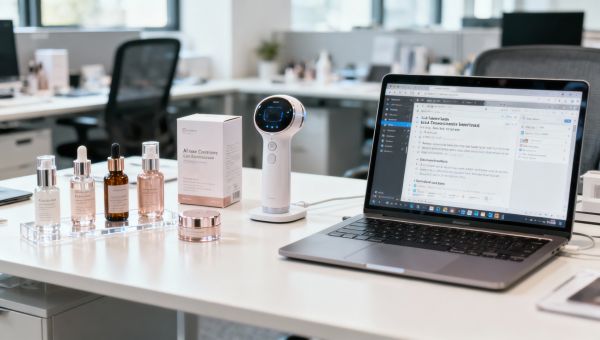
Amazon began mandatory enforcement on August 15, 2026 for product images and videos that contain AI-generated human figures, including digital models and AI presenter-style visuals. According to the information provided, sellers must now embed the contains-synthetic-performer tag in IPTC metadata and also complete the related AI attribute selection in the A+ backend. Listings that do not meet the requirement may face reduced traffic exposure or store suspension risk.
This change matters immediately for cross-border beauty and personal care sellers because AI-generated creative assets are widely used to speed up new product launches and support localized marketing. The impact appears especially direct for Skincare OEM, Cosmetics & Pkg, and Beauty Devices categories, where visual production workflows often rely on synthetic presenters or model-like imagery.
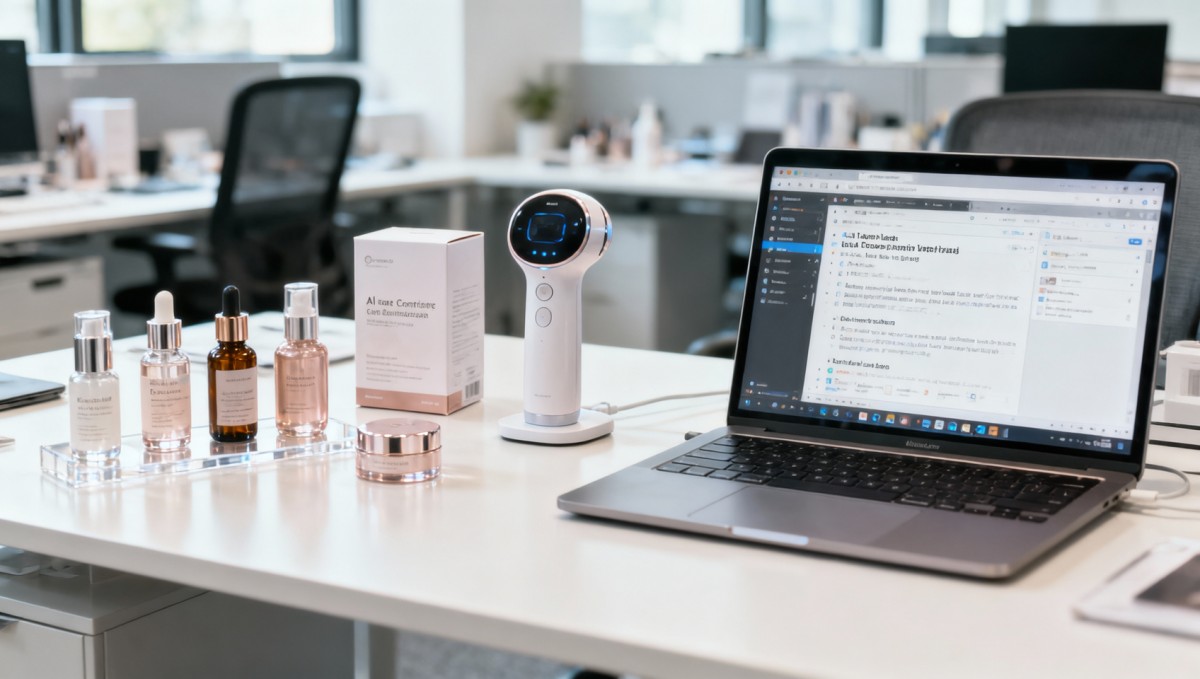
Why this rule stands out
The new requirement is not limited to how an image looks on the surface. It reaches into the asset production chain itself by tying compliance to metadata and backend attribute settings at the same time. In practice, that means a seller could face risk not only from the visible content of a product page, but also from missing or inconsistent information embedded in the file and in the listing system.
For teams that have treated AI visuals mainly as a fast creative tool, this raises the threshold from content creation to content governance. Marketing, design, product listing, and compliance functions may now need tighter coordination, especially where image editing, localization, and final upload are handled by different people or external partners.
Where operational pressure may emerge first
Based on the event summary, the most urgent issue is likely to be traceability. Sellers that use AI-generated models or presenter-style videos across multiple SKUs may need to quickly identify which assets fall under the rule, whether IPTC metadata has been correctly embedded, and whether the A+ backend settings match the asset type used in each listing.
Short-term pressure may also appear in fast-turnaround launch cycles. Beauty brands that depend on frequent visual refreshes for seasonal campaigns, localized storefronts, or rapid product testing could find that content speed now depends more heavily on internal review steps. If those checks are missing, the commercial risk shifts from creative inconsistency to listing exposure and account stability.
What sellers should watch now
From the current information, the immediate priority is not broad strategic repositioning but practical compliance control. Sellers in the affected categories will likely need to review their asset workflow, confirm how AI human imagery is identified, and make sure metadata handling is not separated from listing operations. The issue is less about whether AI visuals can be used and more about whether their use is being declared in the required way.
It is also worth watching whether future guidance clarifies edge cases, such as mixed workflows involving both edited real-person content and fully synthetic performers, or how enforcement is applied across different creative formats. Those details are not confirmed in the information provided, so further interpretation should depend on official platform updates and related public compliance guidance.
This article is based solely on the provided event title, date, and summary. For follow-up tracking, sellers and service providers should pay close attention to official platform notices, backend rule updates, and other public compliance materials related to listing content and AI-generated media.
Related Intelligence
 Skincare OEMAug 16, 2026Amazon Enforces AI Human Metadata Rule for Beauty and Personal Care SellersAmazon now enforces AI human metadata rules for beauty sellers. Learn how to protect listings, traffic, and compliance in skincare, cosmetics, and beauty devices.
 Beauty DevicesAug 15, 2026China to Roll Out Nationwide Cross-Border Cash Pooling for MultinationalsChina to roll out nationwide cross-border cash pooling for multinationals from Sept. 14. Discover how this policy could improve treasury efficiency, liquidity management, and China-linked supply chains.
 Beauty DevicesAug 14, 2026China Imposes Temporary Export Ban on Helium, Affecting Cooling Supply ChainsChina's temporary helium export ban may disrupt cooling supply chains for beauty RF devices and laser systems. Learn what ODMs, buyers, and procurement teams should check now.
![]() Cosmetics & PkgAug 13, 2026PPWR becomes mandatory: Beauty and personal care packaging materials usher in new EPR and PFAS compliance requirementsPPWR takes effect for cosmetics packaging in the EU, bringing EPR registration and PFAS limits. Learn what brands, importers, and suppliers must do now.
Cosmetics & PkgAug 13, 2026PPWR becomes mandatory: Beauty and personal care packaging materials usher in new EPR and PFAS compliance requirementsPPWR takes effect for cosmetics packaging in the EU, bringing EPR registration and PFAS limits. Learn what brands, importers, and suppliers must do now. Cosmetics & PkgAug 12, 2026EU PPWR Now Enforced for Beauty Packaging ComplianceEU PPWR now enforced for beauty packaging compliance: learn how EPR, ERN, heavy metals and PFAS rules affect EU exports, customs clearance and platform sales.
 Cosmetics & PkgAug 11, 2026EU PPWR Rules Take Effect on Aug. 12 for Beauty PackagingEU PPWR rules for beauty packaging take effect on Aug. 12, 2026. Learn key compliance steps, EPR, labeling, PFAS limits, and how to avoid customs delays and fines.
 Smart Pet DevicesAug 10, 2026EU EPR Rules to Cover Smart Pet Devices on Aug. 15EU EPR Rules will cover smart pet devices from Aug. 15, 2026. Learn how smart collars, feeders, and monitoring devices can avoid delisting, customs delays, and compliance risks in the EU.
 Infant Feeding & CareAug 09, 2026CPSC Recalls Baby Sleep Sacks Over Undeclared TDCPPCPSC Recalls Baby Sleep Sacks Over Undeclared TDCPP: learn how this 2026 recall impacts CPC documents, third-party testing, and U.S. baby product compliance for exporters.
 Infant Feeding & CareAug 08, 2026ECHA Adds 5 SVHCs, Importer Notices Due From Oct 2026ECHA adds 5 SVHCs to the Candidate List, with importer notices due from October 2026. Learn how REACH affects exporters, supply chains, and documentation readiness.
 Baby Gear & StrollersAug 07, 2026CPSC Revises Crib Rail Standard for November 2026CPSC revises crib rail standard for November 2026, adding dynamic impact tests and mandatory third-party lab testing. Learn how the new rule affects U.S. market access, compliance, and shipments.
 Electronic & RC ToysAug 06, 2026EU to Require EN IEC 62115:2025 for Electronic ToysEU to Require EN IEC 62115:2025 for Electronic Toys from Oct 1, 2026. Learn scope, battery and AI safety updates, CE compliance risks, and how exporters can avoid customs delays.
 Baby Gear & StrollersAug 05, 2026US Stroller Stability Rule Takes Effect Aug. 15US Stroller Stability Rule Takes Effect Aug. 15: learn how new U.S. stroller compliance, ASTM F833-26a, and CPSC testing rules may affect imports, certification, and shipment readiness.
 Infant Feeding & CareAug 04, 2026ECHA Adds 5 SVHCs, Triggering Baby Care Export ReviewECHA adds 5 SVHCs, prompting an urgent baby care export review for EU-bound products. Learn the 0.1% threshold risks, compliance steps, and how to avoid customs delays and fines.












