
Toy Distribution Trends in 2026: Margin Pressure and Channel Shifts
Toy distribution in 2026 is no longer shaped by volume alone. Margin pressure, shorter buying windows, and fragmented demand are forcing channel decisions to become sharper and faster.
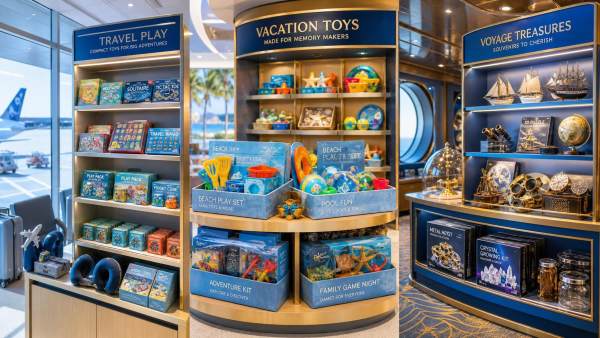
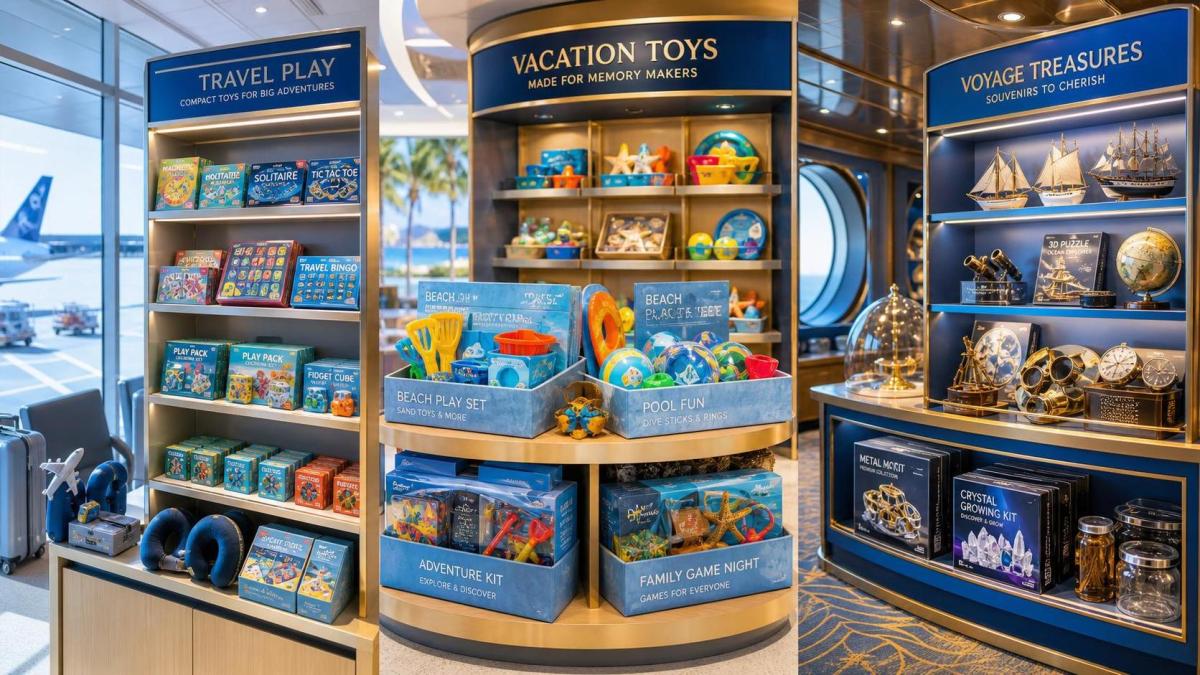
That shift matters well beyond traditional retail. In travel service settings, toys now move through airport stores, resort boutiques, family attraction gift shops, cruise retail, and destination-led pop-up formats.
As a result, toy distribution sits closer to experience commerce. Products must fit tourism traffic patterns, limited shelf space, safety rules, and seasonal visitor behavior at the same time.
For companies tracking supply chain change through platforms such as Global Consumer Sourcing (GCS), the message is clear. The winners in gifts and toys are building tighter links between sourcing, compliance, and channel strategy.
Why 2026 feels different for toy distribution
The old model relied on predictable wholesale cycles and broad mass-market sell-through. That model still exists, but it no longer explains where profits are made.
Retailers want smaller commitments, quicker replenishment, and more evidence of demand before expanding orders. Travel-linked retail adds another layer, because visitor flows can change quickly with events, weather, routes, and tourism recovery patterns.
In practical terms, toy distribution now depends on timing precision. Missing a school holiday, cruise season, or airport passenger spike can be more damaging than carrying a slightly higher unit cost.
This is why margin pressure and channel shifts are linked. When sales channels diversify, cost-to-serve also changes. Smaller drops, custom assortments, and extra compliance checks can quietly erode profitability.
The new margin equation
In 2026, margins are being squeezed from several directions. Freight volatility remains a factor, but the bigger issue is complexity.
Toy distribution often now includes mixed-channel packaging, multilingual labeling, destination-specific themes, and stricter documentation. These costs rarely appear dramatic alone. Combined, they change the economics of a deal.
Travel service channels show this clearly. A family resort shop may need compact, impulse-friendly toys with strong packaging appeal. An airport retailer may prioritize licensed travel gifts, carry-on suitability, and premium price positioning.
Each format carries different handling, display, and replenishment demands. The best toy distribution strategies therefore focus less on top-line shipment volume and more on net margin by channel.
Cost areas that deserve closer review
- Packaging adaptation for different retail environments and traveler needs.
- Compliance testing, certification renewal, and documentation handling.
- Small-batch replenishment costs across multiple destinations.
- Returns, damaged stock, and markdown exposure after seasonal peaks.
- Digital content support for omnichannel product presentation.
When these line items are tracked early, toy distribution decisions become less reactive. That is often where profit protection starts.
Channel shifts are changing product selection
Channel diversification is not just about where products are sold. It is also changing which toys move fastest and which partnerships remain sustainable.
Mass retail still matters, but growth increasingly comes from hybrid routes. These include destination retail, museum and attraction stores, hospitality gift outlets, travel e-commerce bundles, and seasonal event channels.
In those settings, toy distribution works best when assortments match context. A beach resort may favor outdoor play, compact water toys, and giftable family items. A theme-driven destination may perform better with exclusive or story-led products.
This makes localized assortment planning more valuable than generic catalog selling. It also raises the importance of partners that can support OEM or ODM flexibility without slowing delivery.
Where demand is becoming more selective
This is where toy distribution becomes a planning discipline rather than a shipping function.
Compliance is now part of channel access
In gifts and toys, compliance has always mattered. In 2026, it also shapes channel eligibility.
Travel-related retailers and cross-border sellers are less willing to accept documentation gaps. They need confidence in CE, CPC, labeling accuracy, material declarations, and traceability.
That is one reason intelligence platforms such as GCS carry more weight. Verified insight on sourcing capability, safety expectations, and sustainable manufacturing helps reduce channel risk before a listing decision is made.
For toy distribution, compliance is no longer a back-office step. It supports pricing, trust, retail acceptance, and faster onboarding across regional markets.
Signals of a stronger supply partner
- Clear documentation for testing, materials, and market access.
- Ability to support private-label changes without delaying compliance files.
- Experience with fast-cycle categories inside gifts and toys.
- Practical sustainability steps that align with retailer expectations.
- Consistent communication when demand forecasts change suddenly.
Inventory speed matters more than broad assortment
A wide product range once signaled strength. Now it can create drag.
Toy distribution performs better when assortments are edited around channel fit, replenishment speed, and price architecture. This is especially true in travel service environments, where stock space is limited and demand windows are short.
Fast-moving lines should not be judged only by unit count. A smaller, better-matched range can produce stronger sell-through and fewer markdowns than a broad seasonal push.
The more useful question is simple: which items can be reordered with confidence, with documentation ready, and with packaging that already fits the destination channel?
That mindset turns toy distribution into a repeatable margin system rather than a gamble on trend timing.
How to read the market more accurately
Good decisions in 2026 depend on better signals, not just more data.
Sell-through by location, reorder intervals, seasonal traveler profiles, and compliance lead times should be reviewed together. Looking at only purchase price can hide weak channel economics.
GCS reflects this broader approach. Its value is not limited to finding factories. It helps connect sourcing flexibility, market behavior, and trust-based supplier evaluation in one view.
That is particularly useful in toy distribution, where the same item may perform very differently in discount retail, airport gifting, or family destination stores.
A practical review framework
- Map each sales channel by margin after service costs.
- Separate evergreen items from trend-sensitive lines.
- Check which SKUs can move across multiple destinations.
- Prioritize suppliers with proven compliance readiness.
- Use shorter forecast cycles for tourism-driven demand shifts.
What deserves attention next
The next phase of toy distribution will likely reward disciplined adaptability. Not every channel deserves the same assortment, service level, or sourcing structure.
A useful next step is to audit current toy distribution by channel, not by total volume. Compare margin resilience, restock speed, compliance readiness, and seasonal fit.
Then review where travel service demand creates unique opportunity. Family tourism, destination gifting, and transit retail often justify specialized assortments when the operational model is sound.
In a market defined by tighter margins and faster shifts, the strongest position comes from knowing which products travel well, which channels convert reliably, and which supply partners can keep pace without adding hidden risk.
Related Intelligence
 Skincare OEMAug 16, 2026Amazon Enforces AI Human Metadata Rule for Beauty and Personal Care SellersAmazon now enforces AI human metadata rules for beauty sellers. Learn how to protect listings, traffic, and compliance in skincare, cosmetics, and beauty devices.
 Beauty DevicesAug 15, 2026China to Roll Out Nationwide Cross-Border Cash Pooling for MultinationalsChina to roll out nationwide cross-border cash pooling for multinationals from Sept. 14. Discover how this policy could improve treasury efficiency, liquidity management, and China-linked supply chains.
 Beauty DevicesAug 14, 2026China Imposes Temporary Export Ban on Helium, Affecting Cooling Supply ChainsChina's temporary helium export ban may disrupt cooling supply chains for beauty RF devices and laser systems. Learn what ODMs, buyers, and procurement teams should check now.
![]() Cosmetics & PkgAug 13, 2026PPWR becomes mandatory: Beauty and personal care packaging materials usher in new EPR and PFAS compliance requirementsPPWR takes effect for cosmetics packaging in the EU, bringing EPR registration and PFAS limits. Learn what brands, importers, and suppliers must do now.
Cosmetics & PkgAug 13, 2026PPWR becomes mandatory: Beauty and personal care packaging materials usher in new EPR and PFAS compliance requirementsPPWR takes effect for cosmetics packaging in the EU, bringing EPR registration and PFAS limits. Learn what brands, importers, and suppliers must do now. Cosmetics & PkgAug 12, 2026EU PPWR Now Enforced for Beauty Packaging ComplianceEU PPWR now enforced for beauty packaging compliance: learn how EPR, ERN, heavy metals and PFAS rules affect EU exports, customs clearance and platform sales.
 Cosmetics & PkgAug 11, 2026EU PPWR Rules Take Effect on Aug. 12 for Beauty PackagingEU PPWR rules for beauty packaging take effect on Aug. 12, 2026. Learn key compliance steps, EPR, labeling, PFAS limits, and how to avoid customs delays and fines.
 Smart Pet DevicesAug 10, 2026EU EPR Rules to Cover Smart Pet Devices on Aug. 15EU EPR Rules will cover smart pet devices from Aug. 15, 2026. Learn how smart collars, feeders, and monitoring devices can avoid delisting, customs delays, and compliance risks in the EU.
 Infant Feeding & CareAug 09, 2026CPSC Recalls Baby Sleep Sacks Over Undeclared TDCPPCPSC Recalls Baby Sleep Sacks Over Undeclared TDCPP: learn how this 2026 recall impacts CPC documents, third-party testing, and U.S. baby product compliance for exporters.
 Infant Feeding & CareAug 08, 2026ECHA Adds 5 SVHCs, Importer Notices Due From Oct 2026ECHA adds 5 SVHCs to the Candidate List, with importer notices due from October 2026. Learn how REACH affects exporters, supply chains, and documentation readiness.
 Baby Gear & StrollersAug 07, 2026CPSC Revises Crib Rail Standard for November 2026CPSC revises crib rail standard for November 2026, adding dynamic impact tests and mandatory third-party lab testing. Learn how the new rule affects U.S. market access, compliance, and shipments.
 Electronic & RC ToysAug 06, 2026EU to Require EN IEC 62115:2025 for Electronic ToysEU to Require EN IEC 62115:2025 for Electronic Toys from Oct 1, 2026. Learn scope, battery and AI safety updates, CE compliance risks, and how exporters can avoid customs delays.
 Baby Gear & StrollersAug 05, 2026US Stroller Stability Rule Takes Effect Aug. 15US Stroller Stability Rule Takes Effect Aug. 15: learn how new U.S. stroller compliance, ASTM F833-26a, and CPSC testing rules may affect imports, certification, and shipment readiness.
 Infant Feeding & CareAug 04, 2026ECHA Adds 5 SVHCs, Triggering Baby Care Export ReviewECHA adds 5 SVHCs, prompting an urgent baby care export review for EU-bound products. Learn the 0.1% threshold risks, compliance steps, and how to avoid customs delays and fines.












