US Ends T86 Relief for Infant Feeding Imports
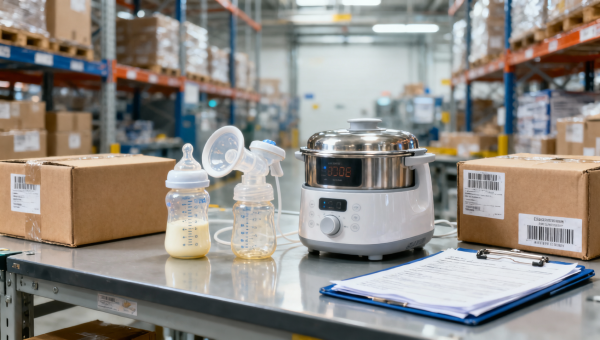
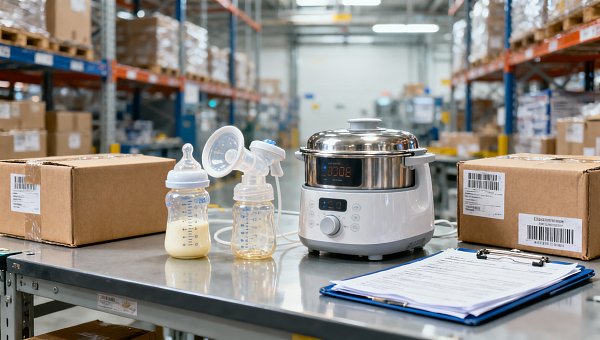
Effective June 4, 2026, U.S. Customs and Border Protection (CBP) tightened import clearance for certain infant feeding and care products by ending the Section 321 (T86) duty-free fast-clearance pathway for qualifying low-value parcels in newly covered HS-coded categories. The change directly matters to importers, cross-border sellers, distributors, and supply chain service providers handling products such as baby bottles, breast pumps, and baby food makers, because it shifts these shipments from a simplified entry route to a more document-driven process with longer clearance timelines.
What changed on June 4
According to the information provided, CBP put a new rule into effect on June 4, 2026. Under this change, the Section 321 (T86) duty-free rapid clearance channel for parcels valued at or below USD 800 no longer applies to certain specified HS code products.
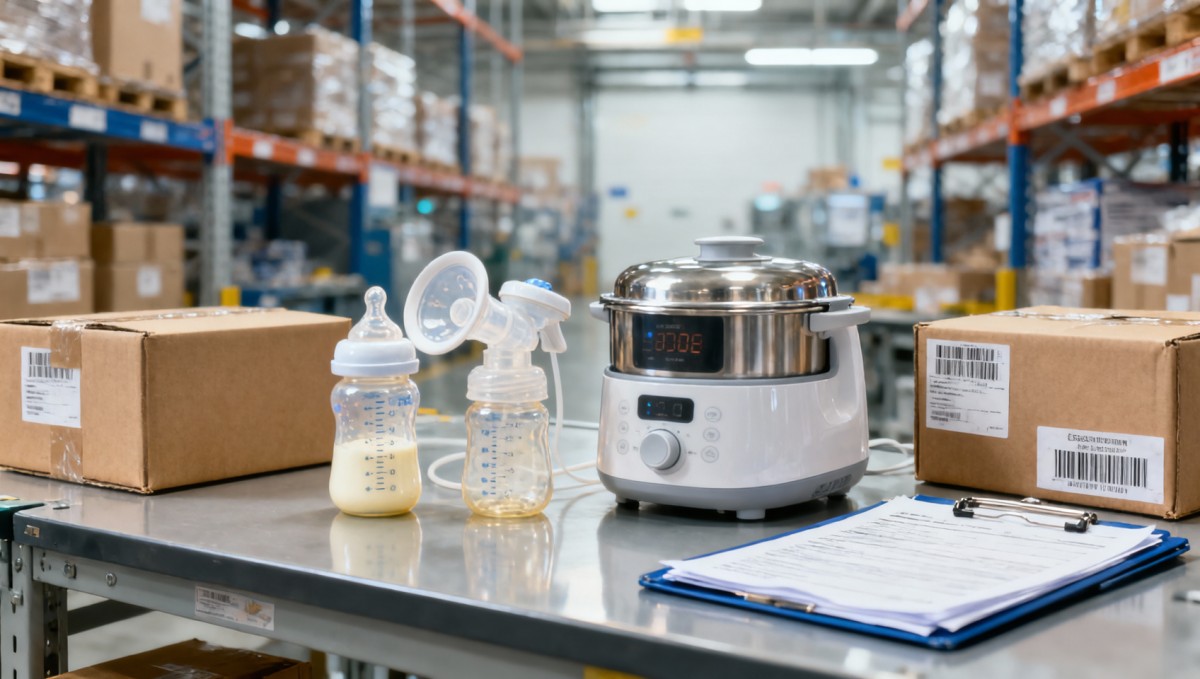
The newly covered scope includes infant feeding and care items such as baby bottles, breast pumps, and baby food makers. Importers are required to submit complete FDA registration documents, LSP qualifications, and Children's Product Certificates (CPC). The clearance period is stated to extend to 5 to 12 working days.
Where the operational pressure is likely to appear
Import programs built around low-value parcel entry
From an industry perspective, importers that previously relied on low-value parcel clearance for infant feeding and care products may feel the most immediate effect. The reason is straightforward: the policy change removes access to a simplified route for newly covered categories, while the new process requires more complete documentation and more time in customs clearance.
The main impact is likely to appear in shipment planning, document readiness, and delivery timing. What deserves closer attention is whether the affected SKUs fall within the newly covered HS-coded scope and whether supporting compliance files are complete before shipment.
Channel and distribution businesses facing longer delivery windows
Distributors, retailers, and cross-border channel operators may also be affected because a 5 to 12 working day clearance period can alter fulfillment expectations. Analysis shows that the issue is not only customs timing itself, but also how that timing feeds into inventory arrival, replenishment scheduling, and customer communication.
For these businesses, the practical focus is likely to be on lead-time management, order promise windows, and coordination with upstream suppliers on documentation completeness.
Compliance and logistics service providers under tighter execution requirements
Supply chain service providers, including customs, documentation, and related compliance support functions, may see a higher execution burden. Observably, the new rule raises the importance of accurate paperwork, especially where FDA registration, LSP qualifications, and CPC materials are involved.
The key business impact here is likely to center on pre-clearance review, document consistency, and the handling of shipments that no longer qualify for the former T86 route.
What companies should review now
Check whether affected products are within the newly covered scope
Companies handling infant feeding and care products should first verify whether their products fall under the HS-coded categories now excluded from the Section 321 (T86) pathway. This is a practical distinction that affects entry treatment and documentation requirements.
Reassess document readiness before shipment
The information provided makes clear that importers must submit complete FDA registration materials, LSP qualifications, and CPC documents. What deserves closer attention is not only whether these files exist, but whether they are complete and usable for customs processing without repeated back-and-forth.
Adjust lead-time and customer communication assumptions
With clearance stated to extend to 5 to 12 working days, businesses may need to review internal delivery assumptions. Analysis shows that the operational issue is less about one rule in isolation and more about whether procurement, shipment release, and downstream delivery promises still match the new timing reality.
Separate confirmed rules from possible future interpretation
It is also important to distinguish the confirmed rule change from any broader market speculation. The confirmed facts are the end of T86 treatment for specified covered categories, the listed compliance submissions, and the longer clearance window. Any broader extension, enforcement pattern, or category expansion would still require continued verification through later official wording.
Why this matters beyond a single clearance change
Analysis shows that this development should not be read only as a technical customs adjustment. For businesses in infant feeding and care imports, it signals that low-value parcel treatment is no longer the main operating assumption for at least part of this category set. That changes the compliance threshold for routine shipments.
At the same time, it is more appropriate to understand this as a concrete rule change with broader implications still unfolding, rather than as a fully settled long-term industry outcome. The immediate effect is clear; the longer-term operational impact will depend on how companies adapt their documentation, routing, and fulfillment planning.
How this update is best understood for now
At this stage, the most balanced reading is that the June 4 change creates an immediate and practical tightening for U.S. imports of certain infant feeding and care products. The significance lies less in headline impact and more in the shift from speed-based low-value entry to compliance-driven clearance requirements for affected goods.
For the industry, this is best understood as an implemented short-term rule change that may also serve as a longer-term regulatory signal. Businesses do not need to assume outcomes beyond the confirmed facts, but they do need to treat documentation readiness, shipment timing, and category classification as current operating priorities.
Basis of this article and points still to verify
This article is based on the user-provided news title, event date, and event summary. For developments of this kind, relevant source types typically include official notices, company statements, industry association updates, authoritative media coverage, and standards or compliance-related documents.
No specific official source link was provided in the input, so the exact official reference still needs continued verification. Follow-up attention should remain on any later official clarification regarding category scope, implementation details, and documentation expectations in actual customs practice.
Related Intelligence
 Cosmetics & PkgJun 05, 2026RCEP Zero Tariffs Reach ASEAN Cosmetics TradeRCEP zero tariffs reshape ASEAN cosmetics trade from June 1, 2026. Learn how origin certificates, packaging, and OEM exports can cut costs and sharpen pricing.
 Smart Pet DevicesJun 05, 2026Finland to Tax Low-Value Parcels From July, Pressuring Pet Device D2CFinland to tax low-value parcels from July 2026, raising D2C costs for smart pet devices. See how VAT, duty, and customs rules could impact pricing, compliance, and cross-border sales.
 Skincare OEMJun 05, 2026K-REACH Opens STS Fast Track, Limits Infant Sunscreen InputsK-REACH opens the STS fast track and restricts infant sunscreen inputs. Learn the Sept. 30, 2026 deadline, affected sunscreen actives, and key compliance steps for Korea-bound OEM and raw material suppliers.
 Infant Feeding & CareJun 05, 2026US Ends T86 Relief for Infant Feeding ImportsUS Ends T86 Relief for Infant Feeding Imports: learn how the June 4 CBP rule affects baby bottles, breast pumps, documents, and 5–12 day clearance timelines.
 Beauty DevicesJun 05, 2026EU Ends VAT Relief on Parcels Under €150EU ends VAT relief on parcels under €150 from July 1, 2026. Learn how EU VAT changes affect D2C brands, pricing, customs clearance, and OEM compliance.
 Corporate & Seasonal GiftsJun 05, 2026How Artisanal Gifts Add Value to Seasonal Corporate ProgramsArtisanal gifts help seasonal travel programs feel more local, premium, and memorable. See how to choose options that scale, ship well, and strengthen guest loyalty.
 Nursery Furniture & MonitorsJun 05, 2026What to Check Before Choosing an XPE Crawling Mat Wholesalexpe crawling mat wholesale buyers in travel service must check safety, odor, slip resistance, and batch consistency. Discover key sourcing tips to reduce risk and choose reliable suppliers.
 Baby Gear & StrollersJun 05, 2026Wholesale Baby Shoes Sizing Mistakes That Raise ReturnsWholesale baby shoes returns often start with sizing mistakes. Learn how travel retail buyers can cut returns, improve fit accuracy, and protect margins with smarter sourcing.
 Cosmetics & PkgJun 05, 20262026 Bamboo Cosmetic Packaging Trends Worth TrackingBamboo cosmetic packaging trends for 2026: explore refillable, hybrid, and premium-ready designs that help brands improve sustainability, compliance, and retail appeal.
 Camping & WaterJun 05, 2026How to Compare Camping Tents Wholesale for Weather and MarginCamping tents wholesale buying requires more than comparing prices. Learn how to assess weather performance, supplier reliability, compliance, and margin to source smarter and sell with confidence.
![]() Corporate & Seasonal GiftsJun 04, 2026What Procurement Directors Should Track in 2026Procurement directors in travel services must track risk, compliance, supplier performance, and demand shifts in 2026. Discover the metrics that protect margins and drive smarter growth.
Corporate & Seasonal GiftsJun 04, 2026What Procurement Directors Should Track in 2026Procurement directors in travel services must track risk, compliance, supplier performance, and demand shifts in 2026. Discover the metrics that protect margins and drive smarter growth.![]() Pet Grooming & TravelJun 04, 2026How to Evaluate a Pet Brand Supply PartnerPet brand supply decisions can make or break travel retail success. Learn how to evaluate partners for compliance, quality, speed, and guest-ready packaging.
Pet Grooming & TravelJun 04, 2026How to Evaluate a Pet Brand Supply PartnerPet brand supply decisions can make or break travel retail success. Learn how to evaluate partners for compliance, quality, speed, and guest-ready packaging.![]() Smart Pet DevicesJun 04, 2026Automatic Pet Feeder OEM Cost Factors in 2026Automatic pet feeder OEM cost factors in 2026: learn how travel brands can balance compliance, smart features, packaging, and margins to create better pet-friendly guest experiences.
Smart Pet DevicesJun 04, 2026Automatic Pet Feeder OEM Cost Factors in 2026Automatic pet feeder OEM cost factors in 2026: learn how travel brands can balance compliance, smart features, packaging, and margins to create better pet-friendly guest experiences.