
Baby Monitor Features That Matter Most in Daily Use
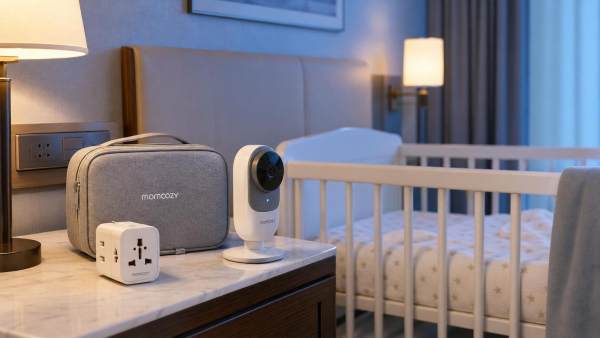
Choosing a baby monitor often feels harder than it should. Product pages highlight smart alerts, sleek apps, and premium branding, yet daily use usually comes down to a smaller set of practical details. For families at home, on the road, or moving through airports and hotels, the best baby monitor is the one that works reliably during naps, bedtime, and quick nighttime checks without adding stress.
That focus on real use also matters from a broader travel service and retail perspective. Parents increasingly expect baby gear to fit mobile lifestyles, and platforms such as Global Consumer Sourcing, or GCS, track how safety, compliance, portability, and design influence buying decisions across the baby and maternity category. In other words, the features that matter most are not random extras. They reflect how modern families actually live and travel.
What a baby monitor needs to do in everyday life
At its core, a baby monitor helps caregivers stay aware without standing next to the crib. That sounds simple, but usefulness depends on context. A monitor used in a small apartment needs different strengths than one packed for weekend trips, long family visits, or resort stays.
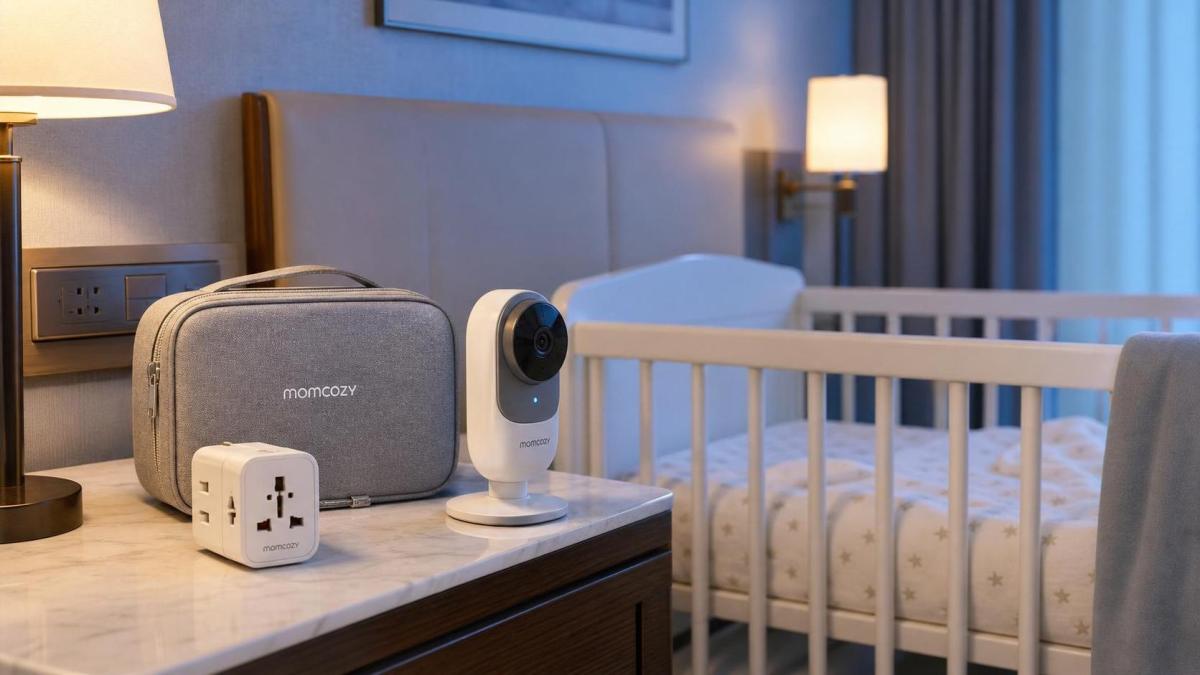
The strongest models reduce friction. They connect quickly, show a clear image, transmit sound accurately, and avoid constant false alarms. If a baby monitor makes nighttime routines more complicated, its extra features rarely compensate for that frustration.
This is why daily performance matters more than spec-sheet hype. A long feature list may look impressive, but a family usually notices basic reliability first.
The features that make the biggest difference
Several features consistently shape whether a baby monitor feels helpful or forgettable. These are the ones that tend to matter in real households and travel settings.
Clear audio comes before everything else
Many people focus first on video, but audio quality often decides whether a baby monitor is truly useful. Clear, low-delay sound helps distinguish between normal movement, light fussing, and a cry that needs attention.
Poor audio creates uncertainty. That can lead to repeated room checks, interrupted rest, and less confidence when staying in unfamiliar places such as hotels or vacation rentals.
Night vision should be sharp, not merely included
Night vision is now common, but quality varies. A useful baby monitor should show breathing movement, sleep position, and room activity clearly enough in low light.
Grainy night images often defeat the purpose. In daily use, a dependable nighttime view matters far more than decorative interface features.
Stable connection matters more than maximum range claims
Quoted range figures can sound impressive, but walls, elevators, Wi-Fi congestion, and hotel layouts affect performance. A baby monitor with a stable connection across ordinary indoor barriers usually offers more value than one marketed with a dramatic distance number.
This is especially relevant during travel. Temporary accommodations often introduce signal obstacles that do not appear in a showroom or product demo.
Battery life influences convenience every day
Portable parent units and app-linked systems are only convenient when they last through naps, evenings, and overnight use. Constant charging reduces flexibility and becomes more frustrating during flights, road trips, or long outings.
A baby monitor with practical battery life supports movement around the home and gives more freedom in places where outlet access is limited.
Useful extras versus distracting extras
Not every added feature deserves equal attention. Some extras genuinely improve peace of mind, while others mostly inflate the price.
The best baby monitor setup usually balances simplicity with a few thoughtful additions. A feature becomes valuable when it solves a frequent problem, not when it only looks advanced in product advertising.
Why travel habits are shaping baby monitor choices
Travel service trends now influence many baby product decisions. Families are taking shorter trips more often, combining leisure with visits to relatives, and expecting baby gear to be easier to pack and adapt.
In that environment, a baby monitor is no longer just a nursery item. It can also be part of a travel checklist, like a stroller, sleep sack, or portable sound machine.
That shift helps explain why portability, fast setup, and flexible power options receive more attention. GCS follows these changes because they reveal how consumer expectations are moving across the baby and maternity supply chain. When a product category becomes more travel-aware, design priorities often change quickly.
Portable design has become more relevant
A compact baby monitor is easier to carry, position, and store. Foldable stands, lightweight cameras, and straightforward mounting options make a noticeable difference during trips.
This does not mean the smallest product is automatically best. It means size should support movement without sacrificing core reliability.
Setup time affects real satisfaction
No one wants to troubleshoot pairing issues after a long drive or late check-in. A baby monitor that starts quickly and stays connected can feel far more premium than one with a larger screen but awkward setup.
Safety, privacy, and compliance are not background details
For connected baby products, convenience should never overshadow safety. This includes both physical safety and digital security.
Physically, cords, mounts, and charging placement should support safe room use. Digitally, app-based baby monitor systems should offer secure account protection, reliable software support, and transparent privacy controls.
This area also connects to the broader standards focus highlighted by GCS. Certifications and compliance expectations such as CE, CPC, and related testing frameworks increasingly shape how trusted baby products reach global markets. For shoppers, this translates into a simple rule: practical performance matters, but safety credibility matters just as much.
- Prefer clear safety information over vague claims.
- Check whether firmware or app support is maintained.
- Look for secure login options on Wi-Fi models.
- Avoid complicated mounting that increases room clutter.
How to compare options without getting lost
A useful comparison starts with routine, not branding. Think about where and when the baby monitor will actually be used.
For home-first use
Prioritize stable audio, sharp night vision, and dependable battery life. If the home has multiple floors or thick walls, connection strength becomes a higher priority.
For frequent travel
Focus on portability, quick setup, compact power accessories, and flexible camera placement. An intuitive baby monitor often matters more than premium extras in changing environments.
For mixed routines
Choose a model that balances everyday comfort with easy transport. This is where products with moderate size, strong battery performance, and optional app access often stand out.
It also helps to separate must-haves from nice-to-haves. That simple step prevents overpaying for features that add little value after the first week.
A practical way to judge long-term value
The most worthwhile baby monitor is rarely the one with the loudest marketing. It is the one that keeps working smoothly across ordinary days and less predictable moments, including travel delays, room changes, and disrupted sleep schedules.
Before deciding, narrow the list to the functions that affect daily comfort most: audio clarity, reliable night vision, stable connection, battery life, safe design, and easy setup. Then look at travel-related needs, especially if overnight stays or frequent trips are part of regular life.
That approach leads to a smarter comparison and a more realistic purchase decision. Instead of chasing every new feature, build a short checklist around actual routines, sleeping spaces, and mobility needs. A baby monitor that fits those conditions well is far more likely to stay useful over time.
Related Intelligence
 Skincare OEMAug 16, 2026Amazon Enforces AI Human Metadata Rule for Beauty and Personal Care SellersAmazon now enforces AI human metadata rules for beauty sellers. Learn how to protect listings, traffic, and compliance in skincare, cosmetics, and beauty devices.
 Beauty DevicesAug 15, 2026China to Roll Out Nationwide Cross-Border Cash Pooling for MultinationalsChina to roll out nationwide cross-border cash pooling for multinationals from Sept. 14. Discover how this policy could improve treasury efficiency, liquidity management, and China-linked supply chains.
 Beauty DevicesAug 14, 2026China Imposes Temporary Export Ban on Helium, Affecting Cooling Supply ChainsChina's temporary helium export ban may disrupt cooling supply chains for beauty RF devices and laser systems. Learn what ODMs, buyers, and procurement teams should check now.
![]() Cosmetics & PkgAug 13, 2026PPWR becomes mandatory: Beauty and personal care packaging materials usher in new EPR and PFAS compliance requirementsPPWR takes effect for cosmetics packaging in the EU, bringing EPR registration and PFAS limits. Learn what brands, importers, and suppliers must do now.
Cosmetics & PkgAug 13, 2026PPWR becomes mandatory: Beauty and personal care packaging materials usher in new EPR and PFAS compliance requirementsPPWR takes effect for cosmetics packaging in the EU, bringing EPR registration and PFAS limits. Learn what brands, importers, and suppliers must do now. Cosmetics & PkgAug 12, 2026EU PPWR Now Enforced for Beauty Packaging ComplianceEU PPWR now enforced for beauty packaging compliance: learn how EPR, ERN, heavy metals and PFAS rules affect EU exports, customs clearance and platform sales.
 Cosmetics & PkgAug 11, 2026EU PPWR Rules Take Effect on Aug. 12 for Beauty PackagingEU PPWR rules for beauty packaging take effect on Aug. 12, 2026. Learn key compliance steps, EPR, labeling, PFAS limits, and how to avoid customs delays and fines.
 Smart Pet DevicesAug 10, 2026EU EPR Rules to Cover Smart Pet Devices on Aug. 15EU EPR Rules will cover smart pet devices from Aug. 15, 2026. Learn how smart collars, feeders, and monitoring devices can avoid delisting, customs delays, and compliance risks in the EU.
 Infant Feeding & CareAug 09, 2026CPSC Recalls Baby Sleep Sacks Over Undeclared TDCPPCPSC Recalls Baby Sleep Sacks Over Undeclared TDCPP: learn how this 2026 recall impacts CPC documents, third-party testing, and U.S. baby product compliance for exporters.
 Infant Feeding & CareAug 08, 2026ECHA Adds 5 SVHCs, Importer Notices Due From Oct 2026ECHA adds 5 SVHCs to the Candidate List, with importer notices due from October 2026. Learn how REACH affects exporters, supply chains, and documentation readiness.
 Baby Gear & StrollersAug 07, 2026CPSC Revises Crib Rail Standard for November 2026CPSC revises crib rail standard for November 2026, adding dynamic impact tests and mandatory third-party lab testing. Learn how the new rule affects U.S. market access, compliance, and shipments.
 Electronic & RC ToysAug 06, 2026EU to Require EN IEC 62115:2025 for Electronic ToysEU to Require EN IEC 62115:2025 for Electronic Toys from Oct 1, 2026. Learn scope, battery and AI safety updates, CE compliance risks, and how exporters can avoid customs delays.
 Baby Gear & StrollersAug 05, 2026US Stroller Stability Rule Takes Effect Aug. 15US Stroller Stability Rule Takes Effect Aug. 15: learn how new U.S. stroller compliance, ASTM F833-26a, and CPSC testing rules may affect imports, certification, and shipment readiness.
 Infant Feeding & CareAug 04, 2026ECHA Adds 5 SVHCs, Triggering Baby Care Export ReviewECHA adds 5 SVHCs, prompting an urgent baby care export review for EU-bound products. Learn the 0.1% threshold risks, compliance steps, and how to avoid customs delays and fines.












