
How to Source Recycled Pet Products Without Compromising Quality
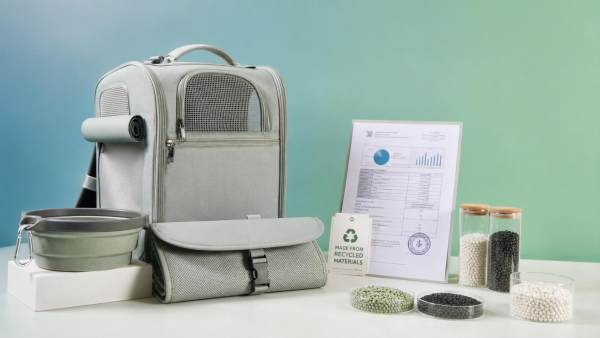
How to Source Recycled Pet Products Without Compromising Quality
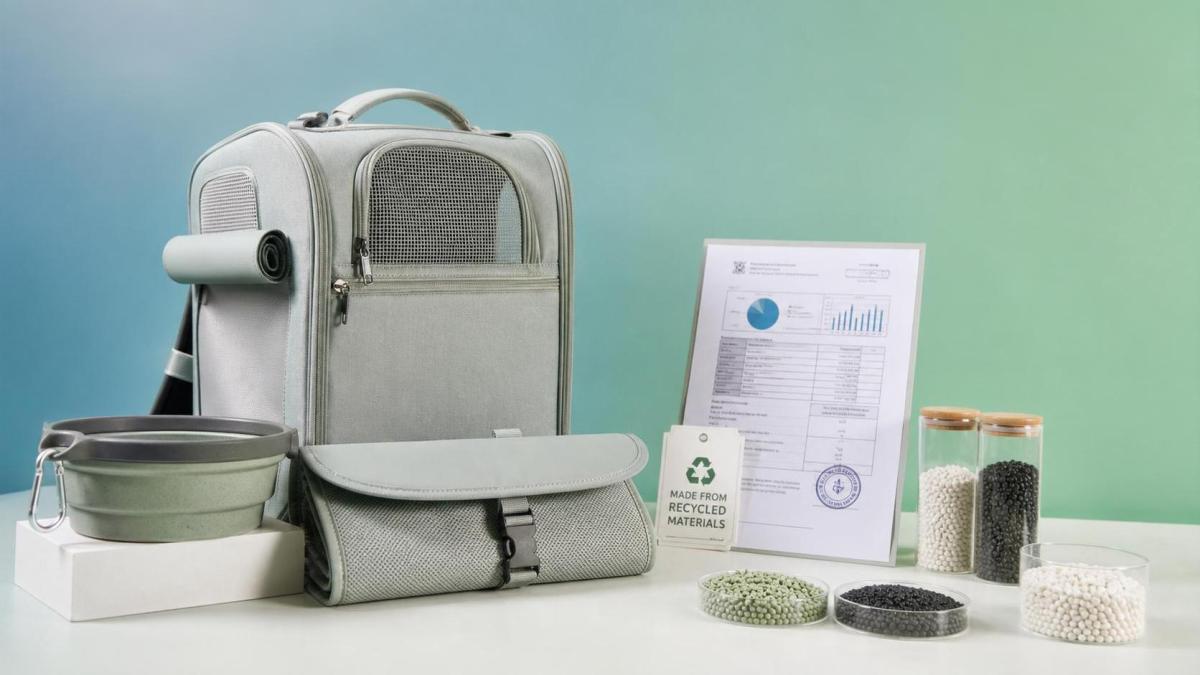
For quality and safety teams, recycled pet product sourcing now carries real operational pressure, not just marketing value.
Buyers want sustainable materials, but pets still need durable, safe, and consistent products.
That makes supplier selection more complex.
A weak recycled resin, contaminated fabric, or unstable process can quickly create recalls, complaints, and brand damage.
In practice, the best recycled pet product sourcing programs treat sustainability as one requirement inside a controlled quality system.
The goal is simple: verify what goes in, control how it is made, and confirm how it performs.
This article breaks down how to do that without slowing commercial decisions.
Why recycled pet product sourcing often fails at the quality stage
Most failures start before production.
The supplier may offer a recycled claim, but the material history is vague.
That creates blind spots around contamination, batch stability, odor, tensile strength, and chemical compliance.
For pet products, those risks matter more because items are chewed, scratched, dragged, washed, and used repeatedly.
A recycled leash, bowl, toy shell, or bed cover must survive real use, not just pass a sustainability story.
Another issue is process inconsistency.
Recycled inputs can vary by source, sorting quality, cleaning method, and reprocessing temperature.
If the factory cannot control that variation, finished goods drift from approved standards.
This is why recycled pet product sourcing should never rely on supplier declarations alone.
Start with material traceability, not product samples
A good sample can hide a weak system.
That is why recycled pet product sourcing should begin with material mapping.
Ask where the recycled feedstock comes from, how it is sorted, and who processes it.
Then verify each stage with records.
At minimum, request these documents before approving a vendor:
- recycled content certification or chain-of-custody proof
- material specification sheets with tolerances
- restricted substance testing records
- batch identification and lot traceability procedures
- incoming inspection standards for recycled inputs
This step quickly separates real suppliers from surface-level traders.
It also helps teams compare recycled pet product sourcing options using objective evidence.
Questions worth asking early
- Is the recycled material post-consumer, post-industrial, or blended?
- What is the allowed variation in color, smell, melt flow, or fiber length?
- Can the factory isolate recycled and virgin material lots?
- How are nonconforming lots handled?
- Which tests are repeated on every batch, not just during qualification?
Define quality by end-use risk, not by generic standards
Not every pet product faces the same stress profile.
A recycled travel bowl has different failure points than a carrier strap or chew-resistant toy component.
So recycled pet product sourcing must match test plans to actual use conditions.
This is especially relevant in travel service retail, where portability, washability, and outdoor exposure are common selling points.
From a risk view, define critical performance requirements before confirming a source.
This approach keeps recycled pet product sourcing tied to real product safety outcomes.
Audit the process controls behind the recycled claim
Material quality alone is not enough.
A capable supplier needs process discipline that keeps recycled inputs stable during production.
During audits, focus less on showroom presentation and more on control points.
Look for segregation, cleaning standards, machine settings, regrind ratios, and batch release records.
A strong recycled pet product sourcing partner should show clear answers to these checks:
- How are incoming recycled materials identified and quarantined?
- Which parameters trigger process adjustment or line stoppage?
- How often are physical tests run during mass production?
- Is there a retention sample system for complaint investigation?
- Can the supplier trace a finished unit back to a material lot?
From recent market shifts, the better factories are investing in this visibility because retailers increasingly ask for it.
That also means recycled pet product sourcing is becoming easier to benchmark across vendors.
Build a practical approval workflow for recycled pet product sourcing
The most effective teams avoid one-step approvals.
Instead, they move suppliers through staged gates.
This keeps recycled pet product sourcing fast enough for business, while reducing avoidable surprises.
A practical workflow usually looks like this:
- Document screening for certifications, testing scope, and traceability.
- Material qualification using lab tests on representative recycled batches.
- Pilot production review under normal factory conditions.
- Finished product validation for safety, durability, and user handling.
- Ongoing monitoring with batch-based checks and complaint trend review.
This system matters because recycled pet product sourcing rarely stays static.
Material feedstock, sub-suppliers, and line settings may change over time.
Without monitoring, an approved source can drift into risk.
Useful approval metrics
- batch rejection rate
- odor complaint frequency
- load or break test variance
- wash cycle failure rate
- corrective action closure speed
Balance compliance, cost, and supplier resilience
Price pressure often pushes buyers toward the lowest recycled offer.
That is usually where hidden quality costs appear.
Cheaper recycled pet product sourcing can mean weaker sorting, limited testing, and poor complaint response.
A better sourcing decision weighs three factors together.
- Compliance depth: Can the supplier meet destination market requirements and customer protocols?
- Quality stability: Can the factory hold performance across batches and seasons?
- Supply resilience: Can recycled inputs remain available during demand swings?
In actual sourcing operations, this wider view protects margins better than chasing a small unit cost advantage.
It also supports stronger retailer trust when recycled pet product sourcing becomes part of long-term category planning.
What strong suppliers usually have in common
Reliable suppliers tend to show the same patterns.
- They explain recycled inputs with technical detail, not just green language.
- They share test history, not only recent pass reports.
- They understand pet-specific risk, including chewing, scratching, and repeated cleaning.
- They allow process review and accept corrective action follow-up.
- They can support OEM or private-label changes without losing control of material consistency.
For teams handling recycled pet product sourcing across multiple markets, those signs are often more useful than a polished product catalog.
Final takeaway for safer recycled pet product sourcing
Sourcing recycled pet products without compromising quality is absolutely possible.
But it only works when recycled pet product sourcing is treated as a verification process, not a marketing shortcut.
Start with traceable materials.
Define quality by real product use.
Audit process controls, not just claims.
Then maintain approval through ongoing data, not one-time confidence.
As sustainability expectations keep rising, disciplined recycled pet product sourcing will become a competitive advantage, especially for brands that cannot afford safety failures.
The next practical step is to review current suppliers against traceability, testing depth, and batch consistency, then close the largest gaps first.
Related Intelligence
 Skincare OEMAug 16, 2026Amazon Enforces AI Human Metadata Rule for Beauty and Personal Care SellersAmazon now enforces AI human metadata rules for beauty sellers. Learn how to protect listings, traffic, and compliance in skincare, cosmetics, and beauty devices.
 Beauty DevicesAug 15, 2026China to Roll Out Nationwide Cross-Border Cash Pooling for MultinationalsChina to roll out nationwide cross-border cash pooling for multinationals from Sept. 14. Discover how this policy could improve treasury efficiency, liquidity management, and China-linked supply chains.
 Beauty DevicesAug 14, 2026China Imposes Temporary Export Ban on Helium, Affecting Cooling Supply ChainsChina's temporary helium export ban may disrupt cooling supply chains for beauty RF devices and laser systems. Learn what ODMs, buyers, and procurement teams should check now.
![]() Cosmetics & PkgAug 13, 2026PPWR becomes mandatory: Beauty and personal care packaging materials usher in new EPR and PFAS compliance requirementsPPWR takes effect for cosmetics packaging in the EU, bringing EPR registration and PFAS limits. Learn what brands, importers, and suppliers must do now.
Cosmetics & PkgAug 13, 2026PPWR becomes mandatory: Beauty and personal care packaging materials usher in new EPR and PFAS compliance requirementsPPWR takes effect for cosmetics packaging in the EU, bringing EPR registration and PFAS limits. Learn what brands, importers, and suppliers must do now. Cosmetics & PkgAug 12, 2026EU PPWR Now Enforced for Beauty Packaging ComplianceEU PPWR now enforced for beauty packaging compliance: learn how EPR, ERN, heavy metals and PFAS rules affect EU exports, customs clearance and platform sales.
 Cosmetics & PkgAug 11, 2026EU PPWR Rules Take Effect on Aug. 12 for Beauty PackagingEU PPWR rules for beauty packaging take effect on Aug. 12, 2026. Learn key compliance steps, EPR, labeling, PFAS limits, and how to avoid customs delays and fines.
 Smart Pet DevicesAug 10, 2026EU EPR Rules to Cover Smart Pet Devices on Aug. 15EU EPR Rules will cover smart pet devices from Aug. 15, 2026. Learn how smart collars, feeders, and monitoring devices can avoid delisting, customs delays, and compliance risks in the EU.
 Infant Feeding & CareAug 09, 2026CPSC Recalls Baby Sleep Sacks Over Undeclared TDCPPCPSC Recalls Baby Sleep Sacks Over Undeclared TDCPP: learn how this 2026 recall impacts CPC documents, third-party testing, and U.S. baby product compliance for exporters.
 Infant Feeding & CareAug 08, 2026ECHA Adds 5 SVHCs, Importer Notices Due From Oct 2026ECHA adds 5 SVHCs to the Candidate List, with importer notices due from October 2026. Learn how REACH affects exporters, supply chains, and documentation readiness.
 Baby Gear & StrollersAug 07, 2026CPSC Revises Crib Rail Standard for November 2026CPSC revises crib rail standard for November 2026, adding dynamic impact tests and mandatory third-party lab testing. Learn how the new rule affects U.S. market access, compliance, and shipments.
 Electronic & RC ToysAug 06, 2026EU to Require EN IEC 62115:2025 for Electronic ToysEU to Require EN IEC 62115:2025 for Electronic Toys from Oct 1, 2026. Learn scope, battery and AI safety updates, CE compliance risks, and how exporters can avoid customs delays.
 Baby Gear & StrollersAug 05, 2026US Stroller Stability Rule Takes Effect Aug. 15US Stroller Stability Rule Takes Effect Aug. 15: learn how new U.S. stroller compliance, ASTM F833-26a, and CPSC testing rules may affect imports, certification, and shipment readiness.
 Infant Feeding & CareAug 04, 2026ECHA Adds 5 SVHCs, Triggering Baby Care Export ReviewECHA adds 5 SVHCs, prompting an urgent baby care export review for EU-bound products. Learn the 0.1% threshold risks, compliance steps, and how to avoid customs delays and fines.












