
CE Compliance Certification Cost for Pet Travel Products Explained

CE compliance certification cost has become a practical budgeting issue for pet travel products entering EU channels. For carriers, restraint systems, powered feeders, and travel accessories sold across tourism-related retail, cost decisions affect launch timing, margin control, and regulatory exposure just as much as product design.
That matters more now because pet travel is no longer a niche purchase. Airlines, rail travel, road trips, pet-friendly hospitality, and cross-border leisure services have expanded demand for safer, better-documented products that can move through regulated markets without delay.
In this setting, CE compliance certification cost is not a single fee. It is the combined expense of testing, document preparation, labeling review, factory readiness, redesign risk, and, in some cases, outside specialist support.
Why certification cost deserves closer attention
Pet travel products sit at the intersection of consumer goods and travel services. A poor compliance decision can disrupt seasonal launches, airport retail programs, travel accessory bundles, and online sales tied to holiday movement.
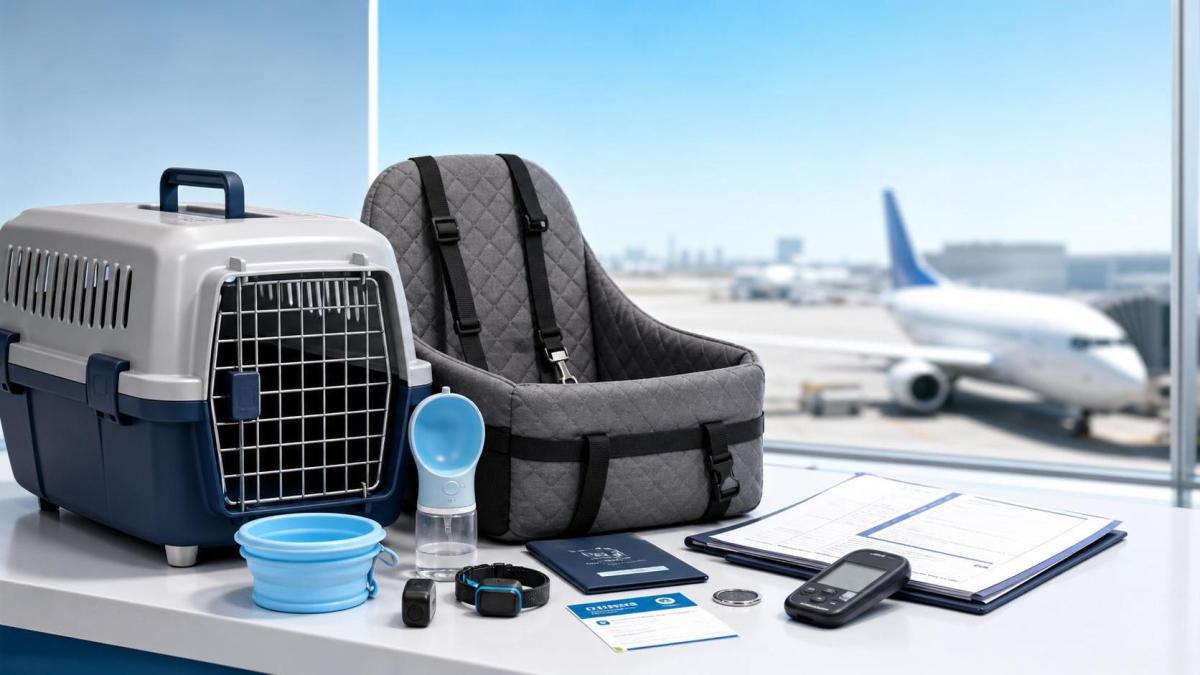
A soft carrier may look simple, yet attached lighting, battery components, smart tracking, or electronic temperature features can change the compliance path. The result is a wider cost range than many sourcing plans expect.
Global Consumer Sourcing tracks this shift closely across the pet economy and travel-adjacent product categories. One clear pattern stands out: compliance costs are usually lowest when product architecture, supplier capability, and market claims are aligned early.
What CE compliance certification cost usually includes
Many teams still ask for a single quote, then discover several hidden layers later. A more accurate view separates direct and indirect costs.
Direct cost elements
- Laboratory testing for electrical safety, EMC, chemical restrictions, or material performance
- Technical file preparation and conformity documentation
- Labeling and user instruction review for EU market acceptance
- Translation support where required for instructions or warnings
- Third-party advisory fees when in-house compliance knowledge is limited
Indirect cost elements
- Prototype revision after failed testing
- Retesting due to component substitution
- Launch delay affecting travel-season sales windows
- Excess inventory created before approval is complete
- Legal or customs friction caused by incomplete declarations
Simple textile items without electrical elements may face limited CE relevance. But once a product includes electronics, radio functions, chargers, or safety-critical parts, the CE compliance certification cost often rises quickly.
The main variables behind the final budget
The strongest cost driver is product complexity. A foldable pet carrier with no powered component usually costs less to assess than a GPS-enabled smart travel crate.
The second variable is the applicable directive set. A product may trigger electrical safety review, EMC testing, RoHS checks, or radio equipment assessment, depending on its features.
Supplier readiness also changes the picture. A factory with stable bills of materials, previous EU experience, and organized technical records usually lowers compliance friction and shortens testing cycles.
Claim strategy matters too. If packaging promises cooling control, real-time location, or automated feeding during travel, supporting evidence and safety validation become harder to simplify.
Pet travel categories do not carry the same compliance profile
A broad label like pet travel products can be misleading. Different items create very different certification paths and cost exposure.
Lower-complexity items
Examples include non-powered travel bowls, passive seat covers, leash organizers, and basic carrier accessories. These may require material and general product safety review, but not full CE treatment in every case.
Mid-complexity items
Items such as illuminated collars for travel visibility, USB-powered fans for carriers, or portable hydration devices often move into CE-relevant territory. Here, CE compliance certification cost becomes a core approval line.
Higher-complexity items
Smart crates, GPS-enabled trackers, battery-powered calming devices, and connected feeders designed for extended travel are more expensive to certify. They also face greater retest risk if components change late.
This product segmentation helps travel retailers and sourcing teams avoid treating all pet mobility products as equal from a compliance budget standpoint.
Where finance reviews often go wrong
One common mistake is assuming prior certification from a similar item can be reused without limits. Even small modifications in battery type, adapter source, enclosure material, or wireless module can reopen testing requirements.
Another issue is approving unit economics before compliance scope is confirmed. A product can look profitable on landed cost, then lose margin after documentation, retesting, and delayed shipment are added.
There is also a timing problem. Pet travel products often depend on peak leisure periods. Missing spring or summer market windows can cost more than the certification invoice itself.
In GCS coverage of retail supply chains, this is where disciplined pre-approval work creates value. Better early diligence usually protects both cash flow and category planning.
A practical way to assess CE compliance certification cost
A useful review starts with scope clarity, not price comparison alone. The right question is which directives, tests, and documentation obligations actually apply to the exact product version being sourced.
- Confirm the final bill of materials before requesting certification quotes
- Check whether power, battery, charger, or radio functions create extra obligations
- Review the factory’s existing technical file quality and EU experience
- Separate one-time testing cost from recurring surveillance or update cost
- Build a contingency for redesign, especially on first-generation products
It also helps to compare cost against route-to-market importance. A travel accessory sold only in one online market deserves a different approval model than a hero item planned for EU-wide retail and hospitality partnerships.
Cost control without weakening compliance
The best savings usually come before testing begins. Standardized components, stable supplier controls, and realistic product claims reduce expensive late changes.
Choosing experienced suppliers can also lower CE compliance certification cost over time. Documentation quality, traceability, and familiarity with EU file structure often matter as much as the test quote itself.
Another disciplined move is bundling compliance planning into sourcing decisions. When design, sourcing, and market-entry review happen separately, the same product may be evaluated three times at added cost.
That is one reason intelligence-led sourcing platforms have become more relevant. In categories like pet travel, cost control depends on seeing regulation, product design, and retail timing as one commercial decision.
What to review before the next approval round
Before signing off a new EU pet travel line, it is worth building a short decision sheet. Map the product type, applicable directives, supplier documentation status, launch calendar, and probable retest exposure.
That simple framework makes CE compliance certification cost easier to interpret as a business variable, not just a technical charge. It also improves comparison across suppliers, product versions, and market-entry options.
For teams working across travel services, consumer retail, and pet economy categories, the next step is usually straightforward: verify scope early, challenge low quotes that hide missing work, and align compliance timing with the sales season that matters most.
A clearer view of CE compliance certification cost leads to better approvals, fewer surprises, and stronger EU market readiness for pet travel products.
Related Intelligence
 Skincare OEMAug 16, 2026Amazon Enforces AI Human Metadata Rule for Beauty and Personal Care SellersAmazon now enforces AI human metadata rules for beauty sellers. Learn how to protect listings, traffic, and compliance in skincare, cosmetics, and beauty devices.
 Beauty DevicesAug 15, 2026China to Roll Out Nationwide Cross-Border Cash Pooling for MultinationalsChina to roll out nationwide cross-border cash pooling for multinationals from Sept. 14. Discover how this policy could improve treasury efficiency, liquidity management, and China-linked supply chains.
 Beauty DevicesAug 14, 2026China Imposes Temporary Export Ban on Helium, Affecting Cooling Supply ChainsChina's temporary helium export ban may disrupt cooling supply chains for beauty RF devices and laser systems. Learn what ODMs, buyers, and procurement teams should check now.
![]() Cosmetics & PkgAug 13, 2026PPWR becomes mandatory: Beauty and personal care packaging materials usher in new EPR and PFAS compliance requirementsPPWR takes effect for cosmetics packaging in the EU, bringing EPR registration and PFAS limits. Learn what brands, importers, and suppliers must do now.
Cosmetics & PkgAug 13, 2026PPWR becomes mandatory: Beauty and personal care packaging materials usher in new EPR and PFAS compliance requirementsPPWR takes effect for cosmetics packaging in the EU, bringing EPR registration and PFAS limits. Learn what brands, importers, and suppliers must do now. Cosmetics & PkgAug 12, 2026EU PPWR Now Enforced for Beauty Packaging ComplianceEU PPWR now enforced for beauty packaging compliance: learn how EPR, ERN, heavy metals and PFAS rules affect EU exports, customs clearance and platform sales.
 Cosmetics & PkgAug 11, 2026EU PPWR Rules Take Effect on Aug. 12 for Beauty PackagingEU PPWR rules for beauty packaging take effect on Aug. 12, 2026. Learn key compliance steps, EPR, labeling, PFAS limits, and how to avoid customs delays and fines.
 Smart Pet DevicesAug 10, 2026EU EPR Rules to Cover Smart Pet Devices on Aug. 15EU EPR Rules will cover smart pet devices from Aug. 15, 2026. Learn how smart collars, feeders, and monitoring devices can avoid delisting, customs delays, and compliance risks in the EU.
 Infant Feeding & CareAug 09, 2026CPSC Recalls Baby Sleep Sacks Over Undeclared TDCPPCPSC Recalls Baby Sleep Sacks Over Undeclared TDCPP: learn how this 2026 recall impacts CPC documents, third-party testing, and U.S. baby product compliance for exporters.
 Infant Feeding & CareAug 08, 2026ECHA Adds 5 SVHCs, Importer Notices Due From Oct 2026ECHA adds 5 SVHCs to the Candidate List, with importer notices due from October 2026. Learn how REACH affects exporters, supply chains, and documentation readiness.
 Baby Gear & StrollersAug 07, 2026CPSC Revises Crib Rail Standard for November 2026CPSC revises crib rail standard for November 2026, adding dynamic impact tests and mandatory third-party lab testing. Learn how the new rule affects U.S. market access, compliance, and shipments.
 Electronic & RC ToysAug 06, 2026EU to Require EN IEC 62115:2025 for Electronic ToysEU to Require EN IEC 62115:2025 for Electronic Toys from Oct 1, 2026. Learn scope, battery and AI safety updates, CE compliance risks, and how exporters can avoid customs delays.
 Baby Gear & StrollersAug 05, 2026US Stroller Stability Rule Takes Effect Aug. 15US Stroller Stability Rule Takes Effect Aug. 15: learn how new U.S. stroller compliance, ASTM F833-26a, and CPSC testing rules may affect imports, certification, and shipment readiness.
 Infant Feeding & CareAug 04, 2026ECHA Adds 5 SVHCs, Triggering Baby Care Export ReviewECHA adds 5 SVHCs, prompting an urgent baby care export review for EU-bound products. Learn the 0.1% threshold risks, compliance steps, and how to avoid customs delays and fines.












