
Hard Shell Pet Carriers: What Matters Most for Airline Travel and Daily Use
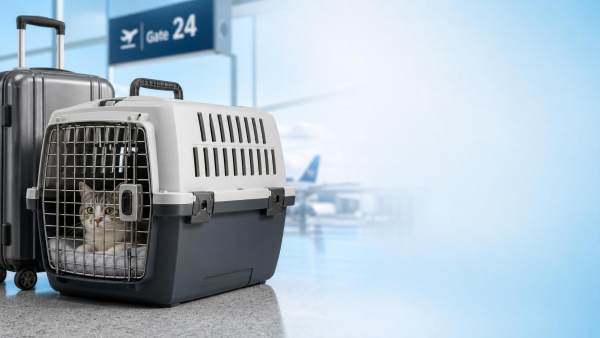
Hard shell pet carriers sit at the intersection of travel convenience, pet safety, and product reliability. For air trips, road journeys, vet visits, and routine errands, the right carrier reduces stress, protects the animal, and helps avoid last-minute problems at check-in.
That is why this category now matters beyond basic pet accessories. In travel services, hard shell pet carriers are increasingly judged by airline fit, ventilation quality, cleaning ease, and how well they hold up under repeated movement.
Market research from platforms such as Global Consumer Sourcing also shows a wider shift. The pet economy is becoming more compliance-driven, design-aware, and quality-focused, especially where travel products must balance comfort with transport regulations.
Why hard shell designs remain relevant
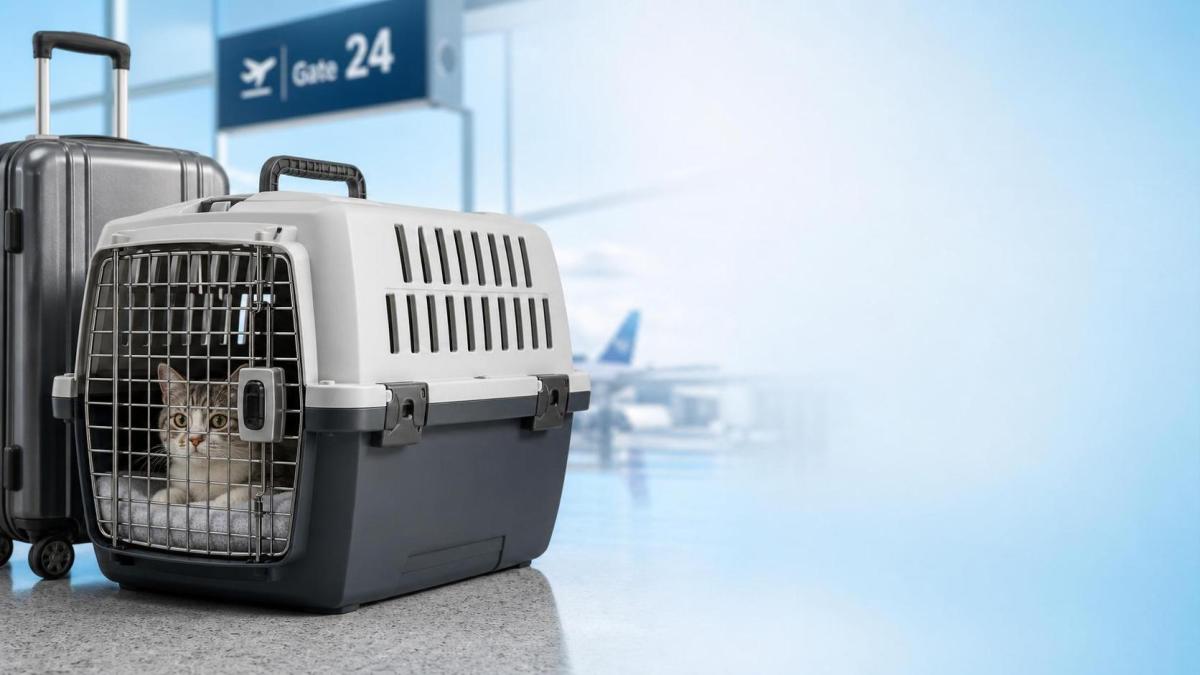
Soft carriers are often lighter and easier to store, but they do not solve every travel need. Hard shell pet carriers offer a more structured enclosure, which matters when impact resistance and shape stability are priorities.
This structure becomes useful during airline handling, car braking, crowded terminals, and clinic waiting rooms. A rigid shell helps prevent collapse, supports airflow openings, and keeps bedding, bowls, and the pet more contained.
They also tend to be easier to sanitize after accidents. For many households, that practical advantage matters as much as travel approval.
The basic tradeoff
The benefits come with compromises. Hard shell pet carriers usually take up more space, weigh more than fabric options, and are less forgiving in tight under-seat environments.
So the best choice depends less on trend and more on use pattern. A carrier for weekly car trips is not always the right one for cabin travel.
What airline travel really demands
Airline travel adds a stricter layer of decision-making. Many buyers focus on the phrase “airline approved,” but that label alone is not enough.
Approval standards vary by airline, route, aircraft type, and whether the pet travels in cabin or cargo. Dimensions, door security, ventilation layout, and animal posture all matter.
Key airline checkpoints
- Exterior dimensions must match the airline’s current rules, not older marketplace listings.
- The pet should be able to stand, turn, and lie down naturally.
- Ventilation openings should be generous and well distributed.
- The door latch needs to resist shaking, pawing, and accidental release.
- The carrier should allow clear identification and easy inspection.
In practice, many travel problems come from poor measurement. A carrier can look roomy at home but still fail at the airport because the exterior footprint exceeds the airline’s limit.
Another common issue is overestimating ventilation. Small side slots may appear sufficient online, yet feel stuffy during delays, boarding, or warm-weather transfers.
Cabin and cargo are different decisions
Cabin travel usually favors compact dimensions and predictable under-seat fit. Cargo travel raises the stakes around shell durability, fastener strength, and resistance to rougher handling.
That distinction is important when comparing hard shell pet carriers. One model may work well for road use and cargo transport, yet still be unsuitable for in-cabin airline travel.
Daily use changes the priority list
Outside airports, convenience starts to matter more. Daily-use hard shell pet carriers need to be easy to lift, quick to open, and simple to clean after muddy paws, shedding, or motion sickness.
A carrier used for short trips should not become a storage burden. That is where handle comfort, shell weight, and how securely the top and bottom lock together become more important.
For nervous pets, visibility is another factor. Some feel calmer in a more enclosed shell, while others become agitated unless they can see more of their surroundings.
Features that improve everyday practicality
These details seem small in isolation. Together, they determine whether a carrier remains useful after the first trip.
Materials, safety, and build quality deserve a closer look
Not all hard shell pet carriers perform the same, even when they look similar online. Plastic thickness, hinge design, vent construction, and hardware quality can vary more than product photos suggest.
This is where broader supply-chain discipline becomes relevant. GCS tracks how consumer goods categories are being shaped by compliance expectations, durability standards, and stronger scrutiny around materials and manufacturing consistency.
For pet travel products, that translates into a simple buying principle: treat build quality as a safety issue, not a style preference.
What to inspect before buying
- Check whether the shell flexes too easily under hand pressure.
- Look at how the two shell halves connect.
- Review latch material and door attachment points.
- Confirm ventilation holes do not create sharp edges.
- Read recent reviews for cracks, warped doors, or broken handles.
A low price can be appealing, especially for occasional travel. Still, a weak carrier often becomes more expensive when replacement, airline refusal, or emergency handling enters the picture.
Sizing mistakes are more common than design flaws
One of the biggest reasons hard shell pet carriers disappoint is poor sizing. Buyers often shop by weight range alone, but body length, shoulder width, and posture are just as important.
A compact but tall pet may need a different carrier than a heavier, lower-built one. The shell must support movement without letting the pet slide too much during transport.
A practical way to measure
Measure nose to base of tail, floor to top of head or ears, and the widest point across the body. Then compare those numbers with both interior and exterior product dimensions.
Interior space affects comfort. Exterior space affects airline acceptance and vehicle fit. The two are related, but they are not interchangeable.
How to compare options by real travel scenario
Choosing among hard shell pet carriers becomes easier when the decision starts with the trip type. Travel service needs and household routines create very different priorities.
Scenario-based comparison
This kind of comparison usually reveals whether one carrier can cover everything, or whether a dedicated airline model makes more sense alongside a simpler everyday option.
A smarter way to make the final decision
The best hard shell pet carriers are rarely the ones with the longest feature list. They are the models that match actual travel conditions, fit the pet correctly, and hold up under repeated use.
Start with the most demanding scenario, especially airline travel. Verify current carrier rules directly with the airline, then narrow choices by dimensions, shell strength, ventilation, and cleaning practicality.
After that, look at review patterns rather than isolated ratings. Consistent praise for fit, latch security, and durability usually tells more than polished marketing images.
For anyone comparing hard shell pet carriers today, the useful next step is simple: measure carefully, map the carrier to real trip types, and judge quality with the same seriousness as comfort. That approach leads to fewer surprises and better travel for every outing ahead.
Related Intelligence
 Skincare OEMAug 16, 2026Amazon Enforces AI Human Metadata Rule for Beauty and Personal Care SellersAmazon now enforces AI human metadata rules for beauty sellers. Learn how to protect listings, traffic, and compliance in skincare, cosmetics, and beauty devices.
 Beauty DevicesAug 15, 2026China to Roll Out Nationwide Cross-Border Cash Pooling for MultinationalsChina to roll out nationwide cross-border cash pooling for multinationals from Sept. 14. Discover how this policy could improve treasury efficiency, liquidity management, and China-linked supply chains.
 Beauty DevicesAug 14, 2026China Imposes Temporary Export Ban on Helium, Affecting Cooling Supply ChainsChina's temporary helium export ban may disrupt cooling supply chains for beauty RF devices and laser systems. Learn what ODMs, buyers, and procurement teams should check now.
![]() Cosmetics & PkgAug 13, 2026PPWR becomes mandatory: Beauty and personal care packaging materials usher in new EPR and PFAS compliance requirementsPPWR takes effect for cosmetics packaging in the EU, bringing EPR registration and PFAS limits. Learn what brands, importers, and suppliers must do now.
Cosmetics & PkgAug 13, 2026PPWR becomes mandatory: Beauty and personal care packaging materials usher in new EPR and PFAS compliance requirementsPPWR takes effect for cosmetics packaging in the EU, bringing EPR registration and PFAS limits. Learn what brands, importers, and suppliers must do now. Cosmetics & PkgAug 12, 2026EU PPWR Now Enforced for Beauty Packaging ComplianceEU PPWR now enforced for beauty packaging compliance: learn how EPR, ERN, heavy metals and PFAS rules affect EU exports, customs clearance and platform sales.
 Cosmetics & PkgAug 11, 2026EU PPWR Rules Take Effect on Aug. 12 for Beauty PackagingEU PPWR rules for beauty packaging take effect on Aug. 12, 2026. Learn key compliance steps, EPR, labeling, PFAS limits, and how to avoid customs delays and fines.
 Smart Pet DevicesAug 10, 2026EU EPR Rules to Cover Smart Pet Devices on Aug. 15EU EPR Rules will cover smart pet devices from Aug. 15, 2026. Learn how smart collars, feeders, and monitoring devices can avoid delisting, customs delays, and compliance risks in the EU.
 Infant Feeding & CareAug 09, 2026CPSC Recalls Baby Sleep Sacks Over Undeclared TDCPPCPSC Recalls Baby Sleep Sacks Over Undeclared TDCPP: learn how this 2026 recall impacts CPC documents, third-party testing, and U.S. baby product compliance for exporters.
 Infant Feeding & CareAug 08, 2026ECHA Adds 5 SVHCs, Importer Notices Due From Oct 2026ECHA adds 5 SVHCs to the Candidate List, with importer notices due from October 2026. Learn how REACH affects exporters, supply chains, and documentation readiness.
 Baby Gear & StrollersAug 07, 2026CPSC Revises Crib Rail Standard for November 2026CPSC revises crib rail standard for November 2026, adding dynamic impact tests and mandatory third-party lab testing. Learn how the new rule affects U.S. market access, compliance, and shipments.
 Electronic & RC ToysAug 06, 2026EU to Require EN IEC 62115:2025 for Electronic ToysEU to Require EN IEC 62115:2025 for Electronic Toys from Oct 1, 2026. Learn scope, battery and AI safety updates, CE compliance risks, and how exporters can avoid customs delays.
 Baby Gear & StrollersAug 05, 2026US Stroller Stability Rule Takes Effect Aug. 15US Stroller Stability Rule Takes Effect Aug. 15: learn how new U.S. stroller compliance, ASTM F833-26a, and CPSC testing rules may affect imports, certification, and shipment readiness.
 Infant Feeding & CareAug 04, 2026ECHA Adds 5 SVHCs, Triggering Baby Care Export ReviewECHA adds 5 SVHCs, prompting an urgent baby care export review for EU-bound products. Learn the 0.1% threshold risks, compliance steps, and how to avoid customs delays and fines.












