
Fitness Equipment Buyer Sourcing Guide: Comparing Suppliers and Lead Times
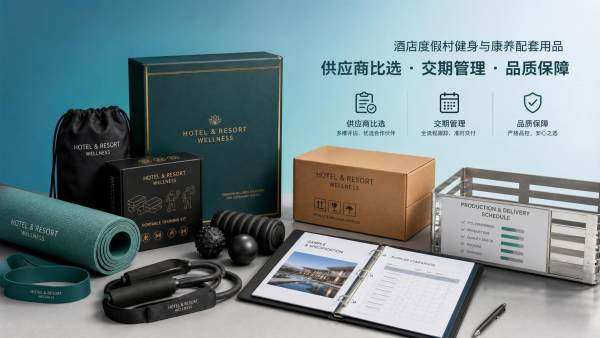
A strong fitness equipment buyer sourcing guide starts with a simple reality: supplier choice shapes far more than unit price. It affects certification readiness, replacement rates, packaging efficiency, freight timing, and the guest experience in hotels, resorts, cruise programs, and wellness travel projects.
That is why comparing suppliers and lead times has become a strategic exercise. In travel service environments, fitness products are not just retail items. They support branded wellness spaces, in-room exercise kits, resort gyms, and destination retail programs tied to active lifestyles.
Why this sourcing category now matters
The sports and outdoors segment has moved closer to travel, hospitality, and experiential retail. Guests increasingly expect wellness options wherever they stay, from boutique hotels to long-haul cruise itineraries.
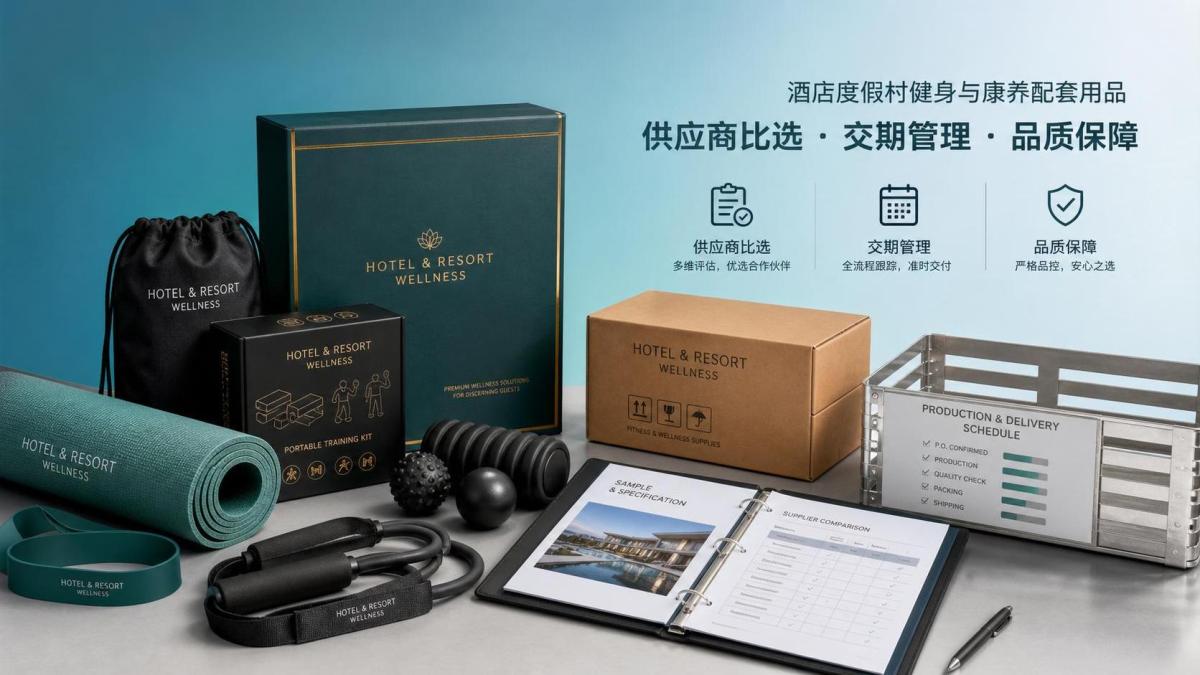
In parallel, e-commerce has changed how travel brands launch merchandise. A resort can now sell resistance bands, yoga mats, massage tools, and recovery accessories online after a guest returns home.
This is where a practical fitness equipment buyer sourcing guide becomes useful. It helps align product selection with brand standards, operational timelines, and the compliance expectations attached to global sales channels.
Within the GCS editorial perspective, sourcing is no longer treated as a back-office transaction. It is part of supply chain resilience, private-label development, and long-term brand credibility.
What buyers are really comparing
A supplier comparison should go beyond catalog breadth. The more important question is whether the factory can deliver the exact combination of product quality, documentation, customization, and timing needed for the program.
Core supplier types
Fitness equipment sourcing usually involves three broad factory profiles. Each one fits different business goals.
For a travel service brand, the right choice depends on channel mix. A hotel retail corner needs different sourcing support than a nationwide branded wellness merchandise rollout.
Lead times are not one number
One of the most common sourcing mistakes is treating lead time as a single figure. In practice, it is a chain of smaller deadlines, and each one can shift the final delivery window.
Typical stages behind the quote
- Sample development and approval
- Material procurement
- Mass production scheduling
- Logo, packaging, and labeling confirmation
- Inspection and compliance document release
- Port booking and final shipping cut-off
A reliable fitness equipment buyer sourcing guide should separate these stages early. Otherwise, a supplier may promise 35 days for production while leaving out ten more days for packaging approval or testing paperwork.
This matters even more in tourism-linked sourcing. Resort openings, seasonal campaigns, and onboard retail launches often have immovable dates tied to marketing calendars or guest arrivals.
How to judge manufacturing capability
A supplier may appear strong on pricing but weak on execution. The better test is whether manufacturing capability matches the product’s real performance requirements.
Questions that reveal production strength
- Which materials are produced in-house, and which are subcontracted?
- How are tensile strength, load tolerance, and surface durability tested?
- Can the supplier maintain color consistency across repeat runs?
- What packaging protections are used for international transport?
- How are defective units isolated and traced by batch?
Small portable items for travel retail often look simple, yet quality failures show up quickly. Handles crack, foam density changes, coatings peel, and carton compression damages shelf presentation.
A useful fitness equipment buyer sourcing guide therefore balances visible finish with hidden consistency. Repeatability matters as much as the first approved sample.
Compliance and safety should be built into the comparison
Sports and wellness products often cross several regulatory expectations. The exact requirements vary by market, product type, packaging claims, and sales channel.
GCS places strong emphasis on compliance because modern sourcing decisions cannot be separated from trust. That includes product safety files, chemical restrictions, labeling accuracy, and clear quality records.
For travel service brands, reputational risk is especially sensitive. A defective item in a resort gym or a poorly labeled private-label accessory can affect guest confidence as much as merchandise performance.
Documentation worth checking before order confirmation
Where travel service demand changes the sourcing brief
Travel-related demand usually requires a different product mix than standard sporting goods retail. Size, storage, appearance, and portability often matter more than heavy-duty gym performance.
A hotel chain may need compact workout kits for in-room programs. A wellness retreat may want premium yoga accessories that support an upscale brand image. An airport retailer may prefer lightweight, giftable recovery tools.
This affects supplier selection directly. Factories that understand hospitality packaging, multilingual inserts, or branded presentation boxes can be more valuable than those offering the lowest ex-factory price.
In that sense, a fitness equipment buyer sourcing guide should connect product performance with guest-facing context. The best supplier fit depends on where and how the item will actually be used.
A practical framework for comparing quotes
Quote comparison becomes clearer when every supplier is scored against the same decision points. Cost still matters, but unsupported savings often disappear later through delays, rework, or returns.
Useful comparison factors
- MOQ flexibility for pilot launches
- Sample accuracy versus mass production reality
- Packaging development speed
- On-time shipment history
- Responsiveness during revision cycles
- Ability to support repeat seasonal orders
The best fitness equipment buyer sourcing guide is not the one with the longest checklist. It is the one that helps separate surface advantages from operational reliability.
What to do before moving to the next supplier round
Before advancing any quotation, narrow the brief to a working sourcing standard. Define target use, compliance needs, packaging format, launch timing, and acceptable replenishment lead time.
Then compare suppliers against that standard, not against each other in isolation. This keeps the process grounded in commercial reality and reduces avoidable revision loops.
For teams using GCS insights, the next step is usually more focused research: category benchmarks, supplier validation, and region-specific compliance review. That approach supports smarter sourcing decisions without turning the process into guesswork.
A well-built fitness equipment buyer sourcing guide should leave one clear conclusion. Better supplier choices come from structured comparison, realistic lead-time mapping, and a close read of the final selling context.
Related Intelligence
 Skincare OEMAug 16, 2026Amazon Enforces AI Human Metadata Rule for Beauty and Personal Care SellersAmazon now enforces AI human metadata rules for beauty sellers. Learn how to protect listings, traffic, and compliance in skincare, cosmetics, and beauty devices.
 Beauty DevicesAug 15, 2026China to Roll Out Nationwide Cross-Border Cash Pooling for MultinationalsChina to roll out nationwide cross-border cash pooling for multinationals from Sept. 14. Discover how this policy could improve treasury efficiency, liquidity management, and China-linked supply chains.
 Beauty DevicesAug 14, 2026China Imposes Temporary Export Ban on Helium, Affecting Cooling Supply ChainsChina's temporary helium export ban may disrupt cooling supply chains for beauty RF devices and laser systems. Learn what ODMs, buyers, and procurement teams should check now.
![]() Cosmetics & PkgAug 13, 2026PPWR becomes mandatory: Beauty and personal care packaging materials usher in new EPR and PFAS compliance requirementsPPWR takes effect for cosmetics packaging in the EU, bringing EPR registration and PFAS limits. Learn what brands, importers, and suppliers must do now.
Cosmetics & PkgAug 13, 2026PPWR becomes mandatory: Beauty and personal care packaging materials usher in new EPR and PFAS compliance requirementsPPWR takes effect for cosmetics packaging in the EU, bringing EPR registration and PFAS limits. Learn what brands, importers, and suppliers must do now. Cosmetics & PkgAug 12, 2026EU PPWR Now Enforced for Beauty Packaging ComplianceEU PPWR now enforced for beauty packaging compliance: learn how EPR, ERN, heavy metals and PFAS rules affect EU exports, customs clearance and platform sales.
 Cosmetics & PkgAug 11, 2026EU PPWR Rules Take Effect on Aug. 12 for Beauty PackagingEU PPWR rules for beauty packaging take effect on Aug. 12, 2026. Learn key compliance steps, EPR, labeling, PFAS limits, and how to avoid customs delays and fines.
 Smart Pet DevicesAug 10, 2026EU EPR Rules to Cover Smart Pet Devices on Aug. 15EU EPR Rules will cover smart pet devices from Aug. 15, 2026. Learn how smart collars, feeders, and monitoring devices can avoid delisting, customs delays, and compliance risks in the EU.
 Infant Feeding & CareAug 09, 2026CPSC Recalls Baby Sleep Sacks Over Undeclared TDCPPCPSC Recalls Baby Sleep Sacks Over Undeclared TDCPP: learn how this 2026 recall impacts CPC documents, third-party testing, and U.S. baby product compliance for exporters.
 Infant Feeding & CareAug 08, 2026ECHA Adds 5 SVHCs, Importer Notices Due From Oct 2026ECHA adds 5 SVHCs to the Candidate List, with importer notices due from October 2026. Learn how REACH affects exporters, supply chains, and documentation readiness.
 Baby Gear & StrollersAug 07, 2026CPSC Revises Crib Rail Standard for November 2026CPSC revises crib rail standard for November 2026, adding dynamic impact tests and mandatory third-party lab testing. Learn how the new rule affects U.S. market access, compliance, and shipments.
 Electronic & RC ToysAug 06, 2026EU to Require EN IEC 62115:2025 for Electronic ToysEU to Require EN IEC 62115:2025 for Electronic Toys from Oct 1, 2026. Learn scope, battery and AI safety updates, CE compliance risks, and how exporters can avoid customs delays.
 Baby Gear & StrollersAug 05, 2026US Stroller Stability Rule Takes Effect Aug. 15US Stroller Stability Rule Takes Effect Aug. 15: learn how new U.S. stroller compliance, ASTM F833-26a, and CPSC testing rules may affect imports, certification, and shipment readiness.
 Infant Feeding & CareAug 04, 2026ECHA Adds 5 SVHCs, Triggering Baby Care Export ReviewECHA adds 5 SVHCs, prompting an urgent baby care export review for EU-bound products. Learn the 0.1% threshold risks, compliance steps, and how to avoid customs delays and fines.












