Canada to Ban DBP/BBP/DEHP in Kids' Cosmetics by 2026
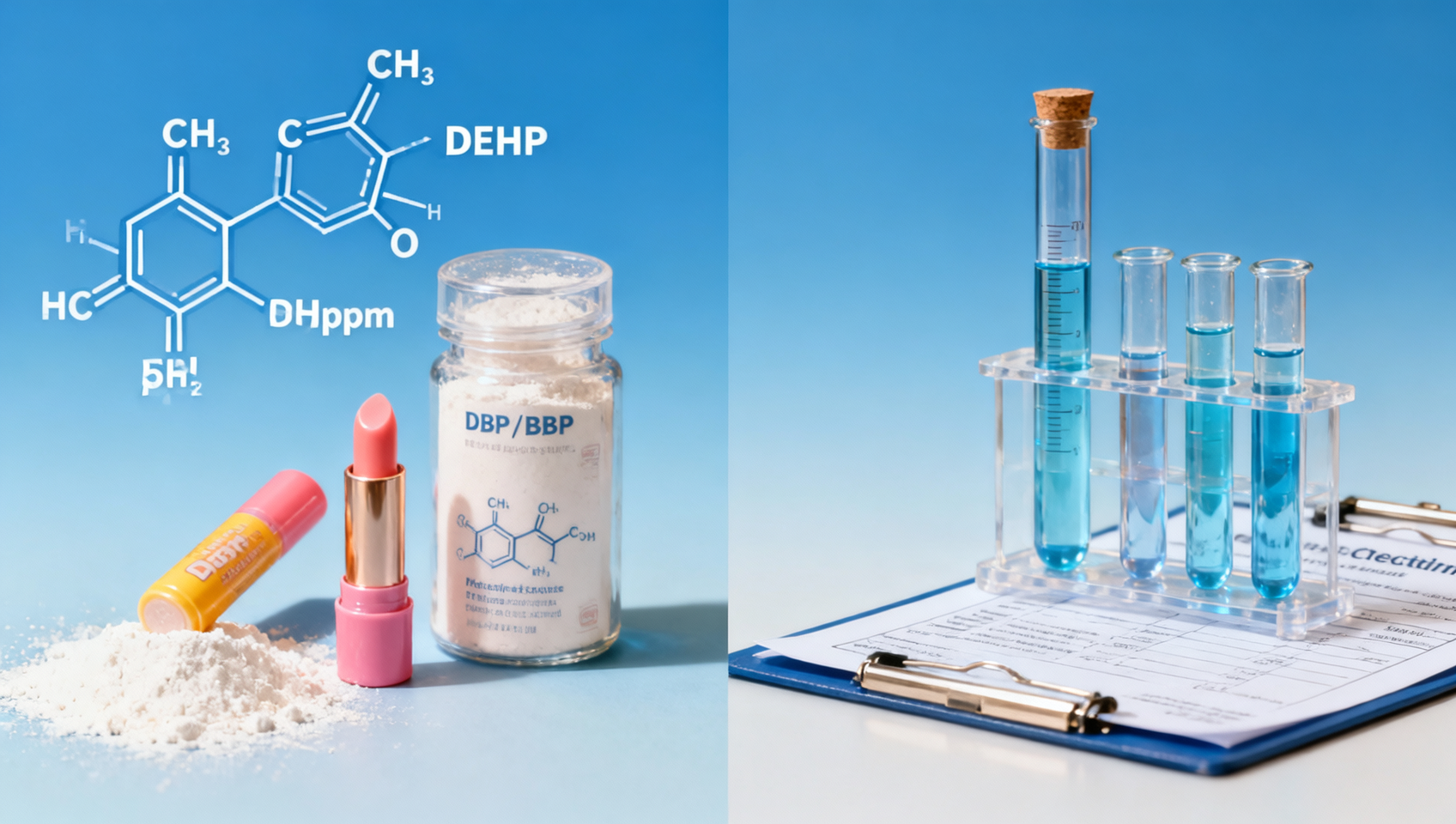
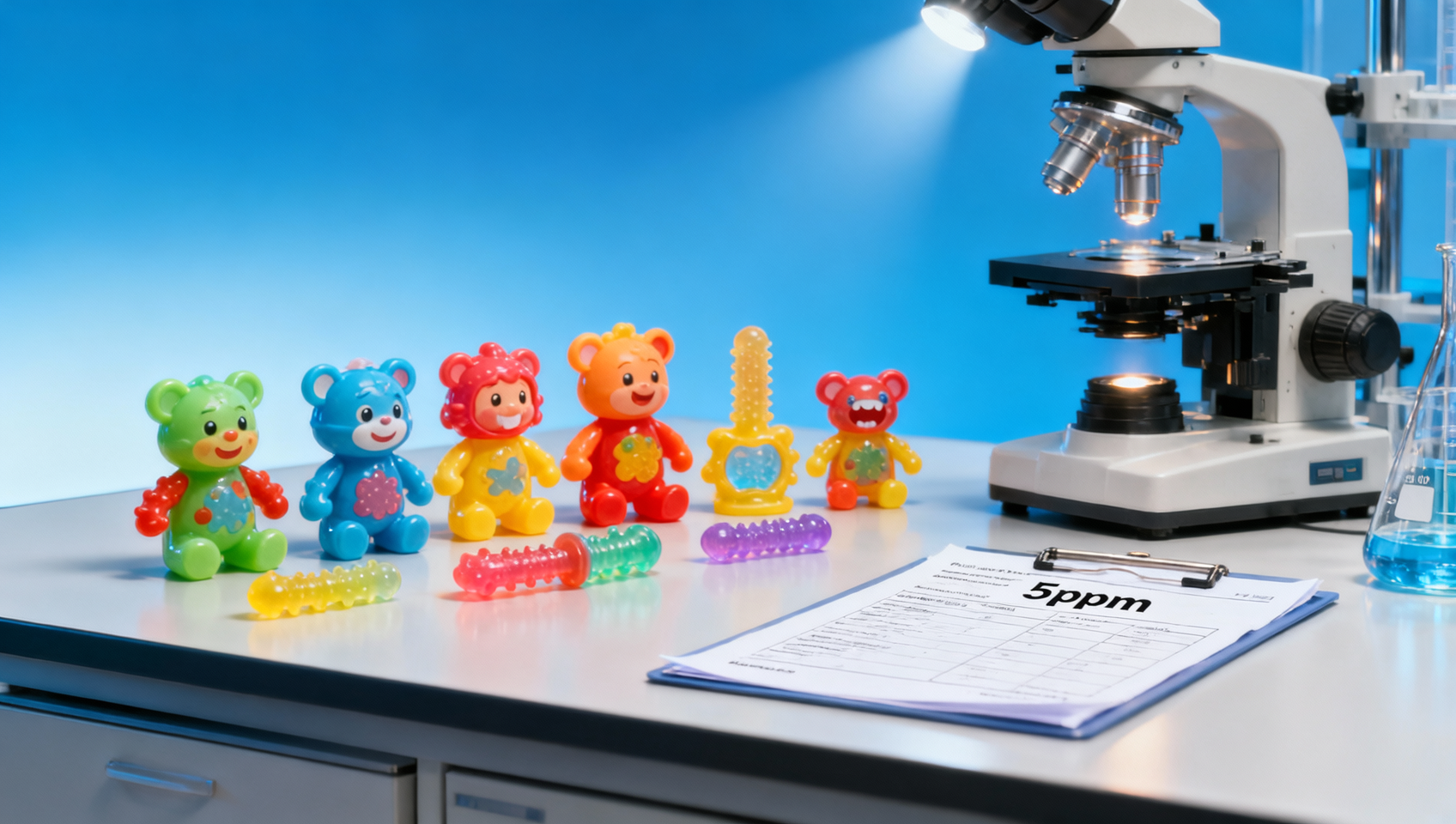
Health Canada has proposed a ban on three phthalates (DBP, BBP, DEHP) in children's skincare and color cosmetics, effective Q4 2026. The draft amendment to the Cosmetics Regulations, published on April 2, 2026, sets a detection limit of 5ppm and affects popular products like lip balms and baby powders. Cosmetic manufacturers and raw material suppliers, particularly those exporting to Canada, must adapt to this regulatory shift.
Event Overview
Health Canada's draft regulation targets phthalates in children's cosmetic products, including:
- DBP (dibutyl phthalate)
- BBP (benzyl butyl phthalate)
- DEHP (diethylhexyl phthalate)
The 5ppm limit applies to formulations for products marketed to children under 12. Chinese suppliers face an August 2026 deadline for alternative formula validation to maintain Canadian market access.
Impacted Industry Segments
1. Cosmetic Manufacturers
Formulators must reformulate children's products, with testing costs and lead times increasing for brands distributing in Canada. Products containing these phthalates as plasticizers or solvents require immediate reformulation.
2. Raw Material Suppliers
Export-focused suppliers, particularly those providing ingredients for lip products and powders, must provide phthalate-free alternatives. Non-compliant materials will face rejection at Canadian borders post-Q4 2026.
3. Testing Laboratories
Increased demand for phthalate detection services is expected, especially for suppliers requiring compliance certificates before the August validation deadline.
Key Action Points
1. Formula Reevaluation
Manufacturers should audit all children's product lines for phthalate content, prioritizing items with higher plasticizer dependency (e.g., nail polishes, molded makeup).
2. Supply Chain Coordination
Raw material purchasers need to confirm alternative ingredient availability with suppliers and verify documentation for Canadian import compliance.
3. Regulatory Timeline Management
Companies should align reformulation projects with these milestones:
- August 2026: Alternative formula validation deadline
- Q4 2026: Enforcement begins
Industry Perspective
This regulation signals Canada's alignment with EU REACH phthalate restrictions. While currently targeting children's products, industry observers note this may precede broader cosmetic phthalate bans. Companies with established EU-compliant formulations may adapt faster to the Canadian market shift.
Conclusion
Health Canada's proposed ban requires immediate action from cosmetic value chains serving the Canadian market. The regulation emphasizes growing global scrutiny of phthalates in personal care products, particularly for children. Businesses should treat this as both a compliance requirement and an opportunity to future-proof formulations against similar regulatory trends.
Sources
- Health Canada Draft Cosmetics Regulations Amendment (April 2, 2026)
- Pending: Final regulation publication (expected Q3 2026)
Related Intelligence
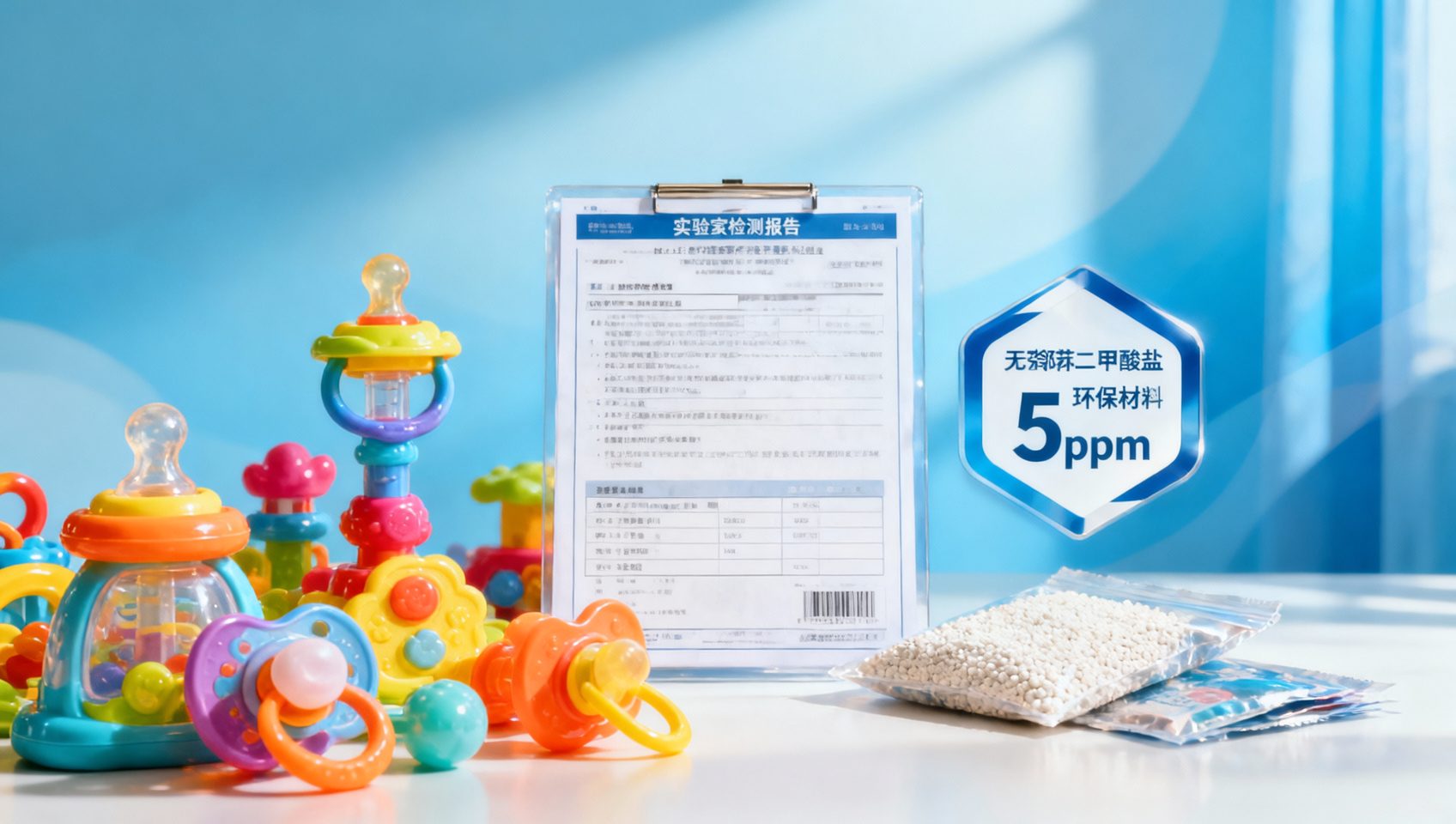
 Infant Feeding & CareApr 10, 2026Canada to Ban Three Phthalates in Toys: Urgent Material Switch NeededCanada bans three phthalates (DBP, BBP, DEHP) in toys by 2026 with a strict 5ppm limit. Urgent material switch needed for exporters to avoid rejections. Learn key actions for compliance now.
 Fitness EquipmentApr 10, 2026RCEP ASEAN New Tariff List Takes Effect: Vietnam/Thailand Cut Fitness Equipment Import Tariffs to 2.8%Vietnam & Thailand slash fitness equipment import tariffs to 2.8% under RCEP ASEAN deal. Faster China-Laos Railway shipments (12-14 days) boost trade for treadmills, ellipticals & strength racks. Key opportunity for exporters!
 Activewear OEMApr 10, 2026US CPSC Updates Safety Guidelines for Resistance Bands: Minimum Break Force ≥150N & Usage LimitsUS CPSC updates safety guidelines for resistance bands: new ≥150N break force & usage limit rules impact manufacturers & sellers. Stay compliant with Amazon & Dick’s Sporting Goods requirements.
 Fitness EquipmentApr 10, 2026WTT Taiyuan: 9 China-Japan Matches Highlight Table Tennis Equipment TestingWTT Taiyuan showcases 9 China-Japan table tennis matches testing DHS Neo balls & Xtra tables. Key event for sports equipment distributors evaluating ITTF-certified gear performance under elite competition.
 Fitness EquipmentApr 10, 2026EU to Enforce EN IEC 63205 Certification for Fitness Trackers from Q3 2026Starting Q3 2026, the EU will enforce EN IEC 63205 certification for fitness trackers, introducing stricter data accuracy and privacy standards. Learn how this impacts manufacturers and exporters.
 Skincare OEMApr 10, 2026Canada to Ban DBP/BBP/DEHP in Kids' Cosmetics by 2026Canada will ban DBP, BBP, and DEHP in kids' cosmetics by 2026. Learn how this phthalate restriction impacts manufacturers, suppliers, and testing labs. Stay compliant with Health Canada's new 5ppm limit.
 Baby Gear & StrollersApr 10, 2026Vietnam's New QCVN 15:2026 Stroller Standard: Folding Force ≤40N, 33% Stricter Than China's GBVietnam's new QCVN 15:2026 stroller standard imposes 33% stricter folding force (≤40N) than China's GB 14748. Effective Oct 2026, it impacts 78% of current models - urgent action required for exporters and importers.
 Baby Gear & StrollersApr 10, 2026Canada to Ban DBP/BBP/DEHP in Toys: Urgent Material Switch NeededCanada bans DBP, BBP, DEHP in toys by 2026. Chinese exporters must urgently switch materials as 31% of soft plastic components still use these phthalates. Act now to avoid supply chain disruptions.
 STEM & Educational ToysApr 10, 20262026 Shenzhen Toy Fair: 32 Chinese Firms Debut Llama-3 Powered AI Education RobotsDiscover 32 Chinese firms unveiling Llama-3 powered AI education robots at 2026 Shenzhen Toy Fair. Explore multilingual STEM toys with GDPR/CPSC compliance for global markets. #AIToys #EdTech
 Baby Gear & StrollersApr 10, 2026Shenzhen Port Sees 27% Surge in Baby Product Exports in AprilShenzhen Port reports a 27% surge in baby product exports, with strollers & safety seats leading. Key insights for importers on logistics & supplier reliability. Read more!
 Fitness EquipmentApr 09, 2026EU to Enforce EN IEC 63205 Certification for Fitness Trackers from Q3 2026EU's EN IEC 63205 certification for fitness trackers takes effect Q3 2026, impacting electromagnetic safety, data privacy & algorithm standards. Prepare now for EU market compliance.
 Electronic & RC ToysApr 09, 2026SASO Updates Mandatory Certification List for Children's Toys: 14 New Categories Require SABER CertificatesSASO updates mandate 14 new children's toy categories requiring SABER certificates. Exporters must comply to avoid shipment rejections. Learn key actions for compliance now.
 Skincare OEMApr 09, 2026Shanghai Health-Aesthetics Innovation Center Launches, Setting New StandardsShanghai Health-Aesthetics Innovation Center launches in 2026, setting global standards for skincare, body shaping & wellness. Discover how this ISO-certified hub empowers Chinese brands for international markets.