Canada to Ban DBP/BBP/DEHP in Toys: Urgent Material Switch Needed
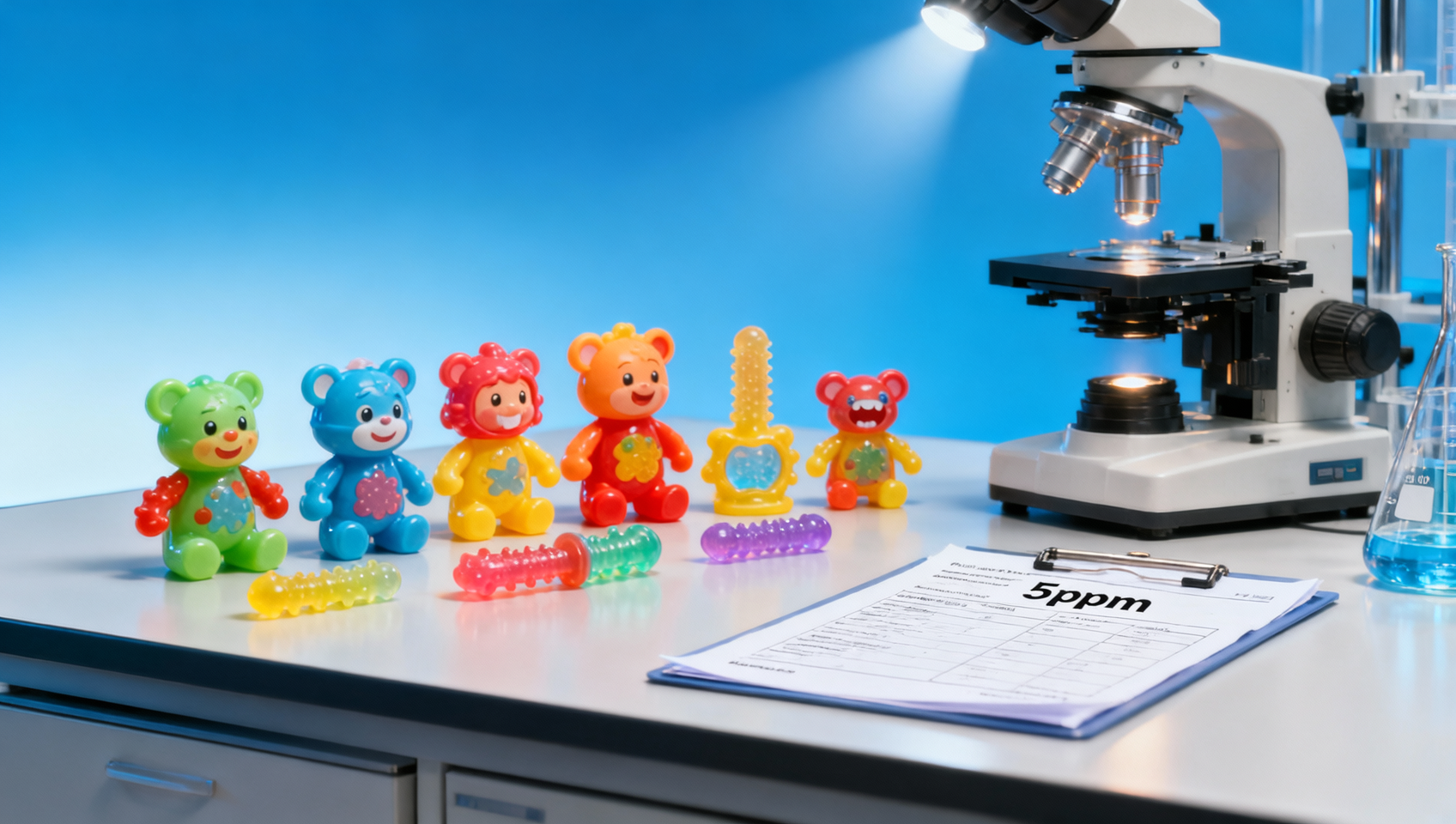
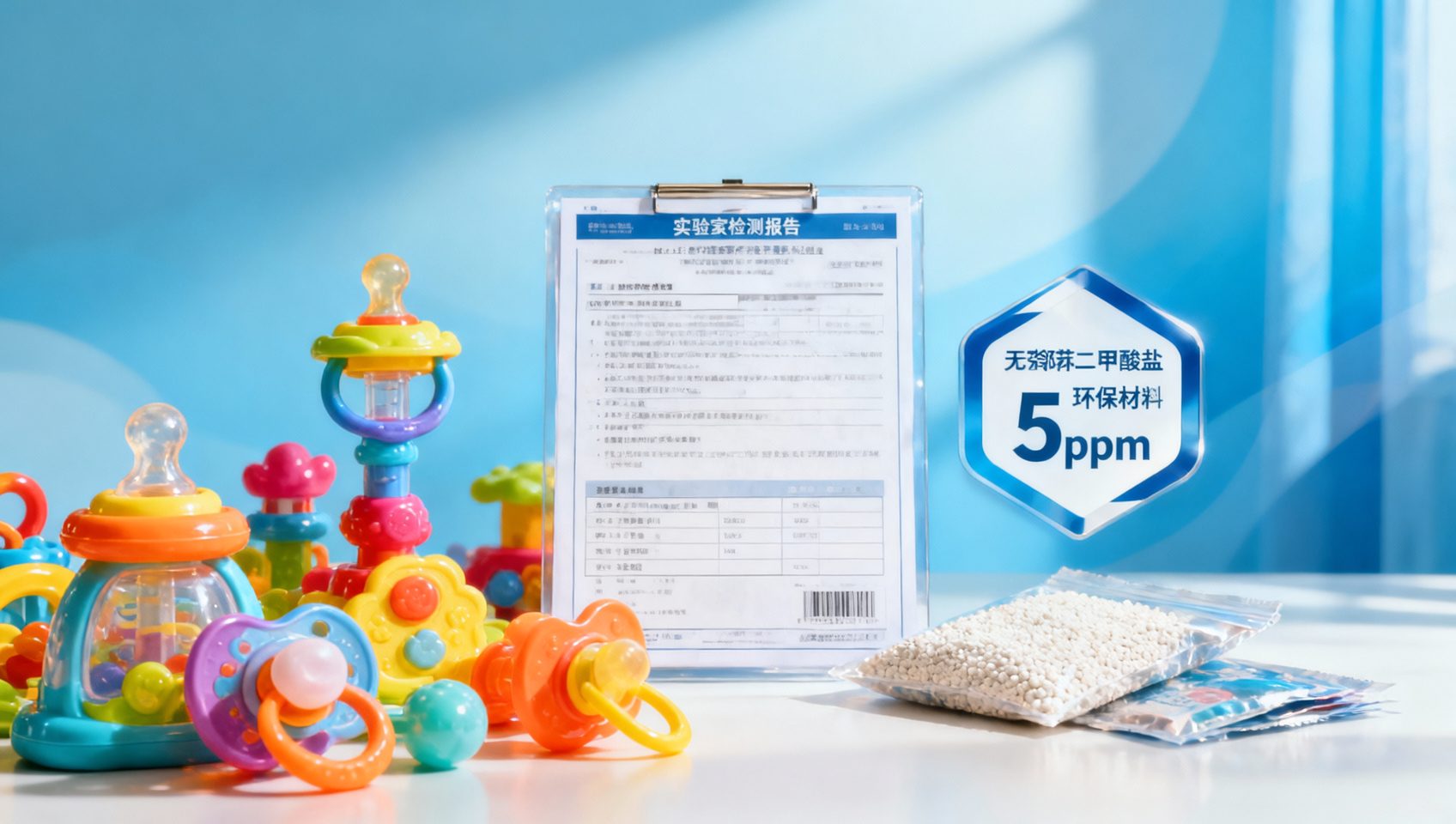
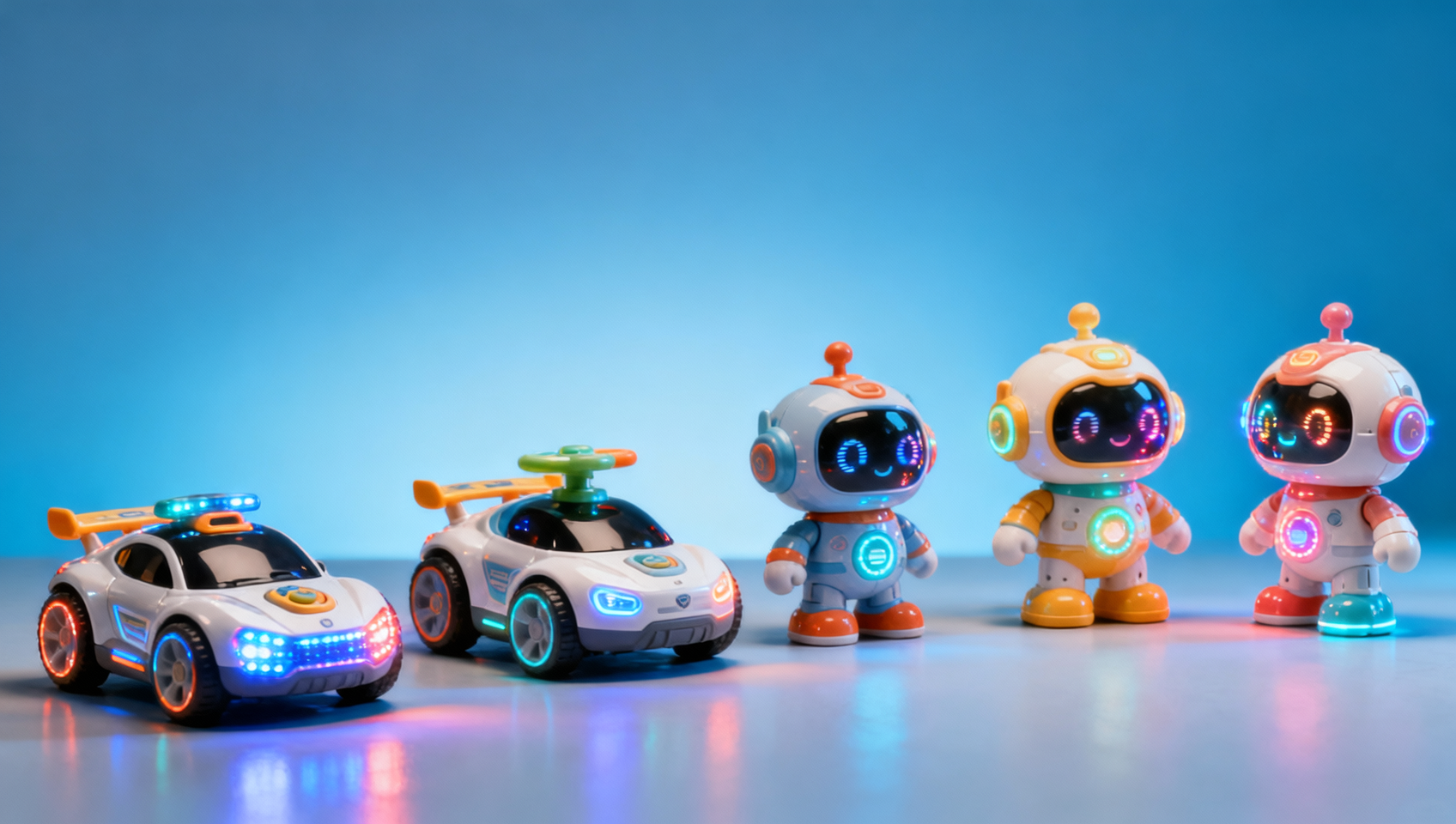
On April 2, 2026, Health Canada proposed amendments to the Toys Regulations, planning to fully prohibit three phthalates (DBP, BBP, DEHP) in children's toys by Q4 2026, with detection limits tightened to 5ppm. This move directly impacts Chinese toy exporters, as 31% of soft plastic components in toys shipped to Canada still use restricted phthalate formulations. Manufacturers must act swiftly to adapt materials and complete third-party testing to avoid supply chain disruptions.
Event Overview
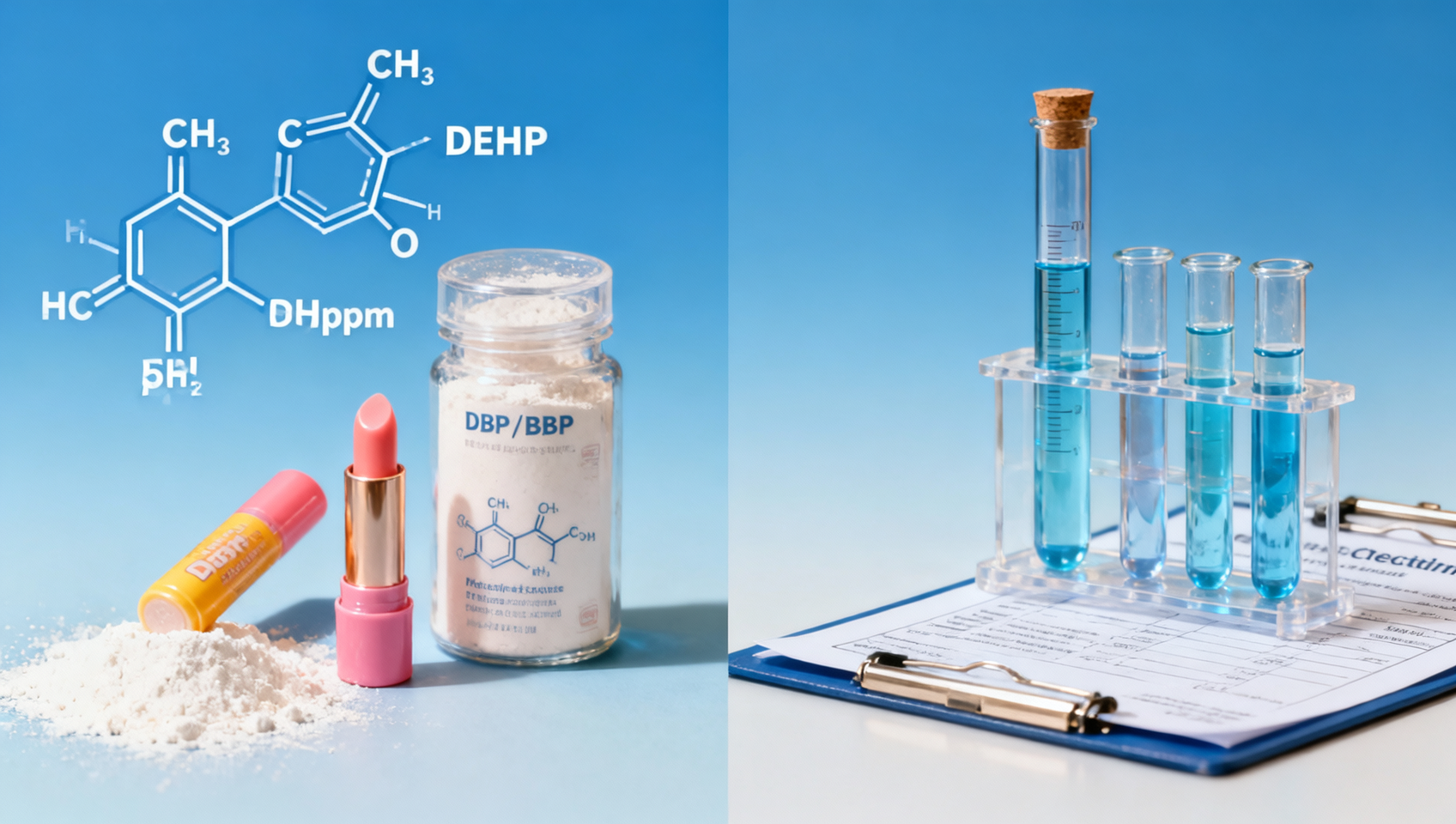
Health Canada's draft amendment introduces a comprehensive ban on DBP, BBP, and DEHP in children's toys, effective Q4 2026. The new regulation lowers the permissible detection limit to 5ppm. Current data shows that 31% of soft plastic parts in Chinese-made toys exported to Canada contain these restricted phthalates.
Impacted Sub-Sectors
Direct Exporters
Companies shipping toys to Canada face immediate compliance pressure. Non-compliant inventory may be rejected at customs, requiring reprocessing or disposal.
Material Suppliers
Raw material providers must accelerate phthalate-free alternative development. The 6-month lead time for reformulation and testing creates urgent demand for compliant compounds.
Manufacturing Facilities
Production lines using PVC softeners require process adjustments. Retooling costs and potential downtime during material transitions may affect delivery schedules.
Testing Laboratories
Third-party certification bodies should prepare for increased demand as manufacturers rush to complete compliance documentation before the 2026 deadline.
Key Actions for Industry Players
Prioritize High-Risk Components
Focus first on soft plastic parts like teethers, squeeze toys, and doll limbs that commonly contain phthalates.
Audit Supply Chains Immediately
Map all material sources and identify non-compliant formulations. Engage suppliers now to secure alternative materials.
Schedule Testing Early
Book third-party lab slots well in advance to avoid bottlenecks as the deadline approaches.
Update Technical Documentation
Revise product specifications and safety files to reflect new formulations, ensuring smooth customs clearance.
Industry Perspective
Analysis suggests this regulation signals Canada's alignment with stricter EU toy safety standards. While the 2026 timeline provides transition space, the compressed 6-month effective window for Chinese exporters—accounting for shipping and importer verification—makes early action critical. The move may prompt similar restrictions in other markets, making phthalate elimination a strategic priority beyond Canadian exports.
Conclusion
Health Canada's proposed ban represents a material compliance shift requiring coordinated supply chain adjustments. Manufacturers should treat this as both an immediate operational challenge and a longer-term indicator of evolving global safety standards. Proactive reformulation now can prevent costly disruptions while positioning businesses for future regulatory changes.
Source
Health Canada Draft Toys Regulations Amendment (2026-04-02)
Related Intelligence
 Infant Feeding & CareApr 10, 2026Canada to Ban Three Phthalates in Toys: Urgent Material Switch NeededCanada bans three phthalates (DBP, BBP, DEHP) in toys by 2026 with a strict 5ppm limit. Urgent material switch needed for exporters to avoid rejections. Learn key actions for compliance now.
 Fitness EquipmentApr 10, 2026RCEP ASEAN New Tariff List Takes Effect: Vietnam/Thailand Cut Fitness Equipment Import Tariffs to 2.8%Vietnam & Thailand slash fitness equipment import tariffs to 2.8% under RCEP ASEAN deal. Faster China-Laos Railway shipments (12-14 days) boost trade for treadmills, ellipticals & strength racks. Key opportunity for exporters!
 Activewear OEMApr 10, 2026US CPSC Updates Safety Guidelines for Resistance Bands: Minimum Break Force ≥150N & Usage LimitsUS CPSC updates safety guidelines for resistance bands: new ≥150N break force & usage limit rules impact manufacturers & sellers. Stay compliant with Amazon & Dick’s Sporting Goods requirements.
 Fitness EquipmentApr 10, 2026WTT Taiyuan: 9 China-Japan Matches Highlight Table Tennis Equipment TestingWTT Taiyuan showcases 9 China-Japan table tennis matches testing DHS Neo balls & Xtra tables. Key event for sports equipment distributors evaluating ITTF-certified gear performance under elite competition.
 Fitness EquipmentApr 10, 2026EU to Enforce EN IEC 63205 Certification for Fitness Trackers from Q3 2026Starting Q3 2026, the EU will enforce EN IEC 63205 certification for fitness trackers, introducing stricter data accuracy and privacy standards. Learn how this impacts manufacturers and exporters.
 Skincare OEMApr 10, 2026Canada to Ban DBP/BBP/DEHP in Kids' Cosmetics by 2026Canada will ban DBP, BBP, and DEHP in kids' cosmetics by 2026. Learn how this phthalate restriction impacts manufacturers, suppliers, and testing labs. Stay compliant with Health Canada's new 5ppm limit.
 Baby Gear & StrollersApr 10, 2026Vietnam's New QCVN 15:2026 Stroller Standard: Folding Force ≤40N, 33% Stricter Than China's GBVietnam's new QCVN 15:2026 stroller standard imposes 33% stricter folding force (≤40N) than China's GB 14748. Effective Oct 2026, it impacts 78% of current models - urgent action required for exporters and importers.
 Baby Gear & StrollersApr 10, 2026Canada to Ban DBP/BBP/DEHP in Toys: Urgent Material Switch NeededCanada bans DBP, BBP, DEHP in toys by 2026. Chinese exporters must urgently switch materials as 31% of soft plastic components still use these phthalates. Act now to avoid supply chain disruptions.
 STEM & Educational ToysApr 10, 20262026 Shenzhen Toy Fair: 32 Chinese Firms Debut Llama-3 Powered AI Education RobotsDiscover 32 Chinese firms unveiling Llama-3 powered AI education robots at 2026 Shenzhen Toy Fair. Explore multilingual STEM toys with GDPR/CPSC compliance for global markets. #AIToys #EdTech
 Baby Gear & StrollersApr 10, 2026Shenzhen Port Sees 27% Surge in Baby Product Exports in AprilShenzhen Port reports a 27% surge in baby product exports, with strollers & safety seats leading. Key insights for importers on logistics & supplier reliability. Read more!
 Fitness EquipmentApr 09, 2026EU to Enforce EN IEC 63205 Certification for Fitness Trackers from Q3 2026EU's EN IEC 63205 certification for fitness trackers takes effect Q3 2026, impacting electromagnetic safety, data privacy & algorithm standards. Prepare now for EU market compliance.
 Electronic & RC ToysApr 09, 2026SASO Updates Mandatory Certification List for Children's Toys: 14 New Categories Require SABER CertificatesSASO updates mandate 14 new children's toy categories requiring SABER certificates. Exporters must comply to avoid shipment rejections. Learn key actions for compliance now.
 Skincare OEMApr 09, 2026Shanghai Health-Aesthetics Innovation Center Launches, Setting New StandardsShanghai Health-Aesthetics Innovation Center launches in 2026, setting global standards for skincare, body shaping & wellness. Discover how this ISO-certified hub empowers Chinese brands for international markets.