RCEP ASEAN New Tariff List Takes Effect: Vietnam/Thailand Cut Fitness Equipment Import Tariffs to 2.8%
RCEP ASEAN New Tariff List Takes Effect: Vietnam/Thailand Cut Fitness Equipment Import Tariffs to 2.8%
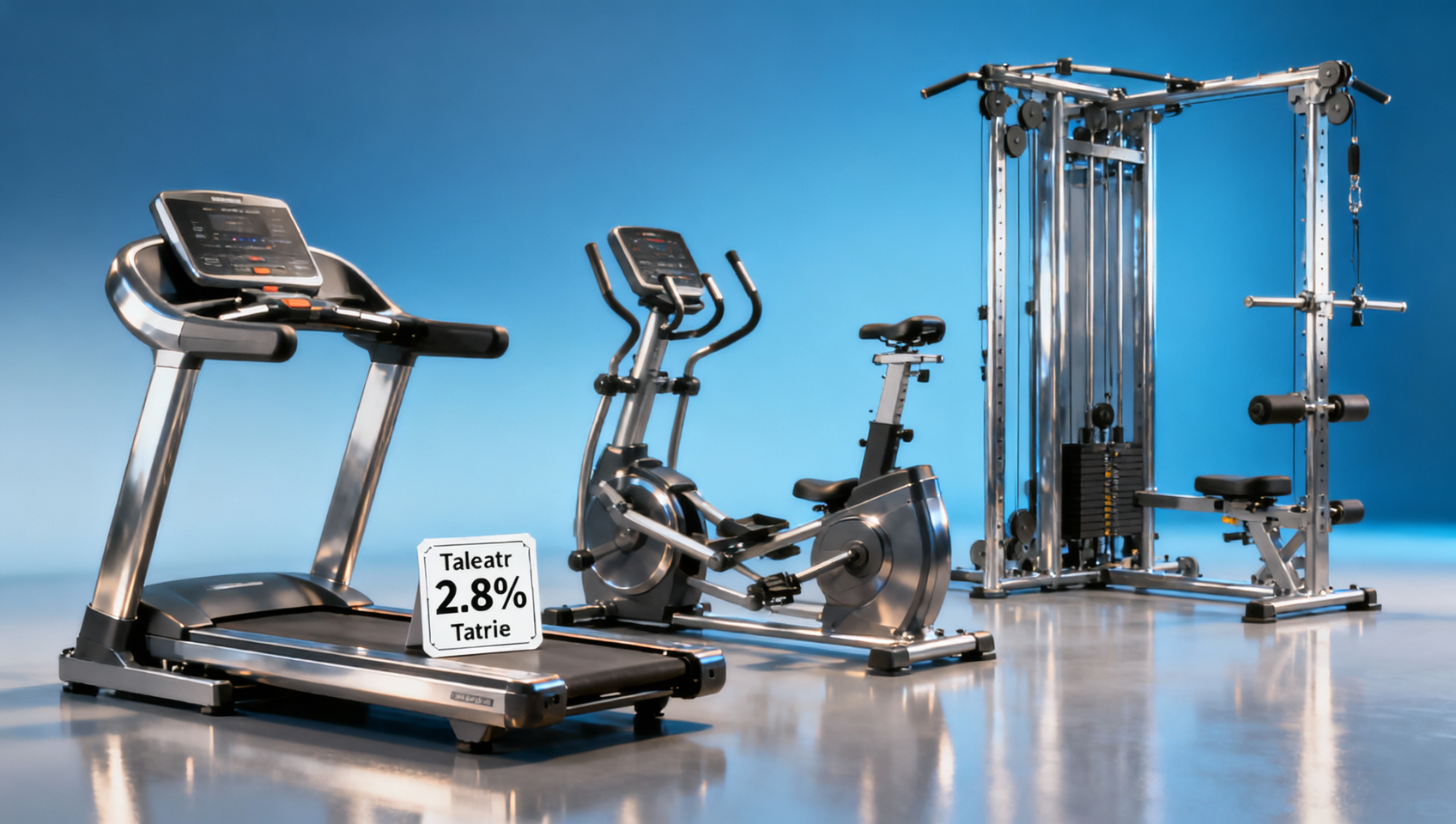
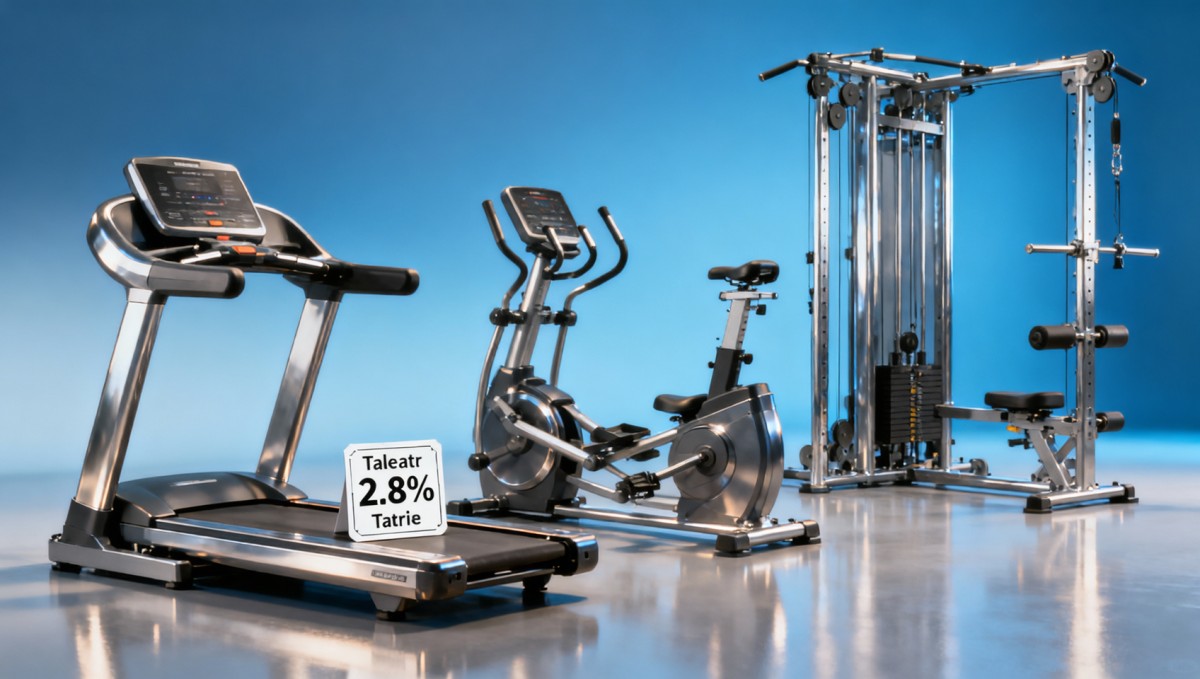
Introduction: The new tariff reduction list under the Regional Comprehensive Economic Partnership (RCEP) for ASEAN came into effect on April 1, 2026. Vietnam and Thailand have lowered import tariffs on fitness equipment, such as treadmills, elliptical machines, and strength training racks, originating from China from 7.0% to 2.8%, 4.2 percentage points below the WTO's most-favored-nation rate. Coupled with increased freight train services on the China-Laos Railway, B2B delivery times for Chinese fitness equipment to ASEAN have been shortened to 12–14 days. This development is particularly relevant for fitness equipment manufacturers, exporters, and supply chain stakeholders, as it enhances trade efficiency and cost competitiveness in the ASEAN market.
Event Overview
On April 1, 2026, the RCEP ASEAN new tariff concessions officially took effect. Vietnam and Thailand reduced import duties on Chinese-made fitness equipment, including treadmills, elliptical machines, and strength training racks, from 7.0% to a uniform 2.8%. This represents a significant reduction compared to the WTO's most-favored-nation rate. Additionally, the increased frequency of China-Laos Railway freight services has further streamlined logistics, reducing delivery times for Chinese fitness equipment to ASEAN markets to 12–14 days for B2B transactions.
Impact on Key Industries
Fitness Equipment Manufacturers and Exporters
The tariff reduction directly benefits Chinese fitness equipment manufacturers and exporters by lowering the cost of entry into Vietnam and Thailand. This makes their products more competitive against local and other international brands. Companies specializing in treadmills, elliptical machines, and strength training equipment stand to gain the most.
Supply Chain and Logistics Providers
With shorter delivery times and lower tariffs, logistics and supply chain providers can expect increased demand for cross-border transportation services. The China-Laos Railway's expanded capacity is a critical factor in reducing lead times, making it a preferred route for fitness equipment shipments to ASEAN.
Retailers and Distributors in ASEAN
ASEAN-based retailers and distributors of fitness equipment will benefit from lower procurement costs and faster inventory turnover. This could lead to more competitive pricing for end consumers and potentially higher sales volumes.
Key Considerations for Businesses
Monitor Policy Updates
While the tariff reduction is now in effect, businesses should stay informed about any subsequent adjustments or clarifications from ASEAN member states. Regulatory changes could impact the long-term benefits of this policy.
Optimize Supply Chain Strategies
Companies should reassess their supply chain routes to leverage the improved efficiency of the China-Laos Railway. Partnering with reliable logistics providers can further reduce costs and delivery times.
Focus on High-Demand Products
Given the specific tariff cuts for treadmills, elliptical machines, and strength training racks, manufacturers and exporters should prioritize these products to maximize the policy's advantages.
Editor's Perspective
From an industry standpoint, this tariff reduction is a significant step toward deeper economic integration under RCEP. However, it should be viewed as part of a broader trend rather than an isolated event. Businesses should consider how to align their strategies with ongoing regional trade developments to stay competitive.
Conclusion
The RCEP ASEAN tariff reduction for fitness equipment marks a tangible improvement in trade conditions between China and key ASEAN markets. For businesses, this presents an opportunity to enhance competitiveness through cost savings and faster logistics. However, sustained success will depend on proactive adaptation to evolving trade policies and supply chain dynamics.
Sources: Regional Comprehensive Economic Partnership (RCEP) official documents, ASEAN trade announcements, China-Laos Railway operational updates.
Related Intelligence
 Infant Feeding & CareApr 10, 2026Canada to Ban Three Phthalates in Toys: Urgent Material Switch NeededCanada bans three phthalates (DBP, BBP, DEHP) in toys by 2026 with a strict 5ppm limit. Urgent material switch needed for exporters to avoid rejections. Learn key actions for compliance now.
 Fitness EquipmentApr 10, 2026RCEP ASEAN New Tariff List Takes Effect: Vietnam/Thailand Cut Fitness Equipment Import Tariffs to 2.8%Vietnam & Thailand slash fitness equipment import tariffs to 2.8% under RCEP ASEAN deal. Faster China-Laos Railway shipments (12-14 days) boost trade for treadmills, ellipticals & strength racks. Key opportunity for exporters!
 Activewear OEMApr 10, 2026US CPSC Updates Safety Guidelines for Resistance Bands: Minimum Break Force ≥150N & Usage LimitsUS CPSC updates safety guidelines for resistance bands: new ≥150N break force & usage limit rules impact manufacturers & sellers. Stay compliant with Amazon & Dick’s Sporting Goods requirements.
 Fitness EquipmentApr 10, 2026WTT Taiyuan: 9 China-Japan Matches Highlight Table Tennis Equipment TestingWTT Taiyuan showcases 9 China-Japan table tennis matches testing DHS Neo balls & Xtra tables. Key event for sports equipment distributors evaluating ITTF-certified gear performance under elite competition.
 Fitness EquipmentApr 10, 2026EU to Enforce EN IEC 63205 Certification for Fitness Trackers from Q3 2026Starting Q3 2026, the EU will enforce EN IEC 63205 certification for fitness trackers, introducing stricter data accuracy and privacy standards. Learn how this impacts manufacturers and exporters.
 Skincare OEMApr 10, 2026Canada to Ban DBP/BBP/DEHP in Kids' Cosmetics by 2026Canada will ban DBP, BBP, and DEHP in kids' cosmetics by 2026. Learn how this phthalate restriction impacts manufacturers, suppliers, and testing labs. Stay compliant with Health Canada's new 5ppm limit.
 Baby Gear & StrollersApr 10, 2026Vietnam's New QCVN 15:2026 Stroller Standard: Folding Force ≤40N, 33% Stricter Than China's GBVietnam's new QCVN 15:2026 stroller standard imposes 33% stricter folding force (≤40N) than China's GB 14748. Effective Oct 2026, it impacts 78% of current models - urgent action required for exporters and importers.
 Baby Gear & StrollersApr 10, 2026Canada to Ban DBP/BBP/DEHP in Toys: Urgent Material Switch NeededCanada bans DBP, BBP, DEHP in toys by 2026. Chinese exporters must urgently switch materials as 31% of soft plastic components still use these phthalates. Act now to avoid supply chain disruptions.
 STEM & Educational ToysApr 10, 20262026 Shenzhen Toy Fair: 32 Chinese Firms Debut Llama-3 Powered AI Education RobotsDiscover 32 Chinese firms unveiling Llama-3 powered AI education robots at 2026 Shenzhen Toy Fair. Explore multilingual STEM toys with GDPR/CPSC compliance for global markets. #AIToys #EdTech
 Baby Gear & StrollersApr 10, 2026Shenzhen Port Sees 27% Surge in Baby Product Exports in AprilShenzhen Port reports a 27% surge in baby product exports, with strollers & safety seats leading. Key insights for importers on logistics & supplier reliability. Read more!
 Fitness EquipmentApr 09, 2026EU to Enforce EN IEC 63205 Certification for Fitness Trackers from Q3 2026EU's EN IEC 63205 certification for fitness trackers takes effect Q3 2026, impacting electromagnetic safety, data privacy & algorithm standards. Prepare now for EU market compliance.
 Electronic & RC ToysApr 09, 2026SASO Updates Mandatory Certification List for Children's Toys: 14 New Categories Require SABER CertificatesSASO updates mandate 14 new children's toy categories requiring SABER certificates. Exporters must comply to avoid shipment rejections. Learn key actions for compliance now.
 Skincare OEMApr 09, 2026Shanghai Health-Aesthetics Innovation Center Launches, Setting New StandardsShanghai Health-Aesthetics Innovation Center launches in 2026, setting global standards for skincare, body shaping & wellness. Discover how this ISO-certified hub empowers Chinese brands for international markets.