China's New Facial Cleanser Standard Takes Effect in September, Covering Mousse/Gel/Powder for First Time
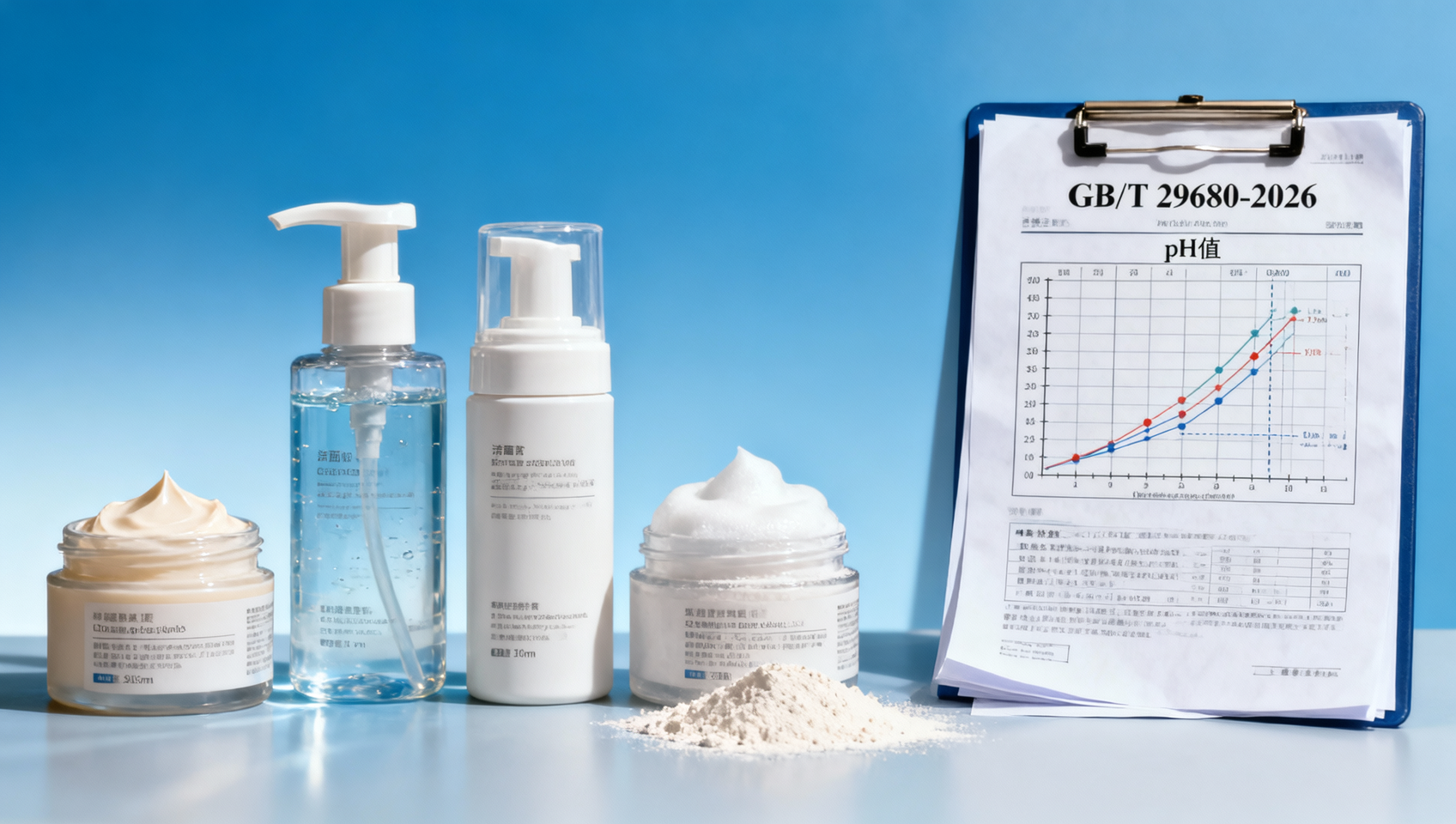
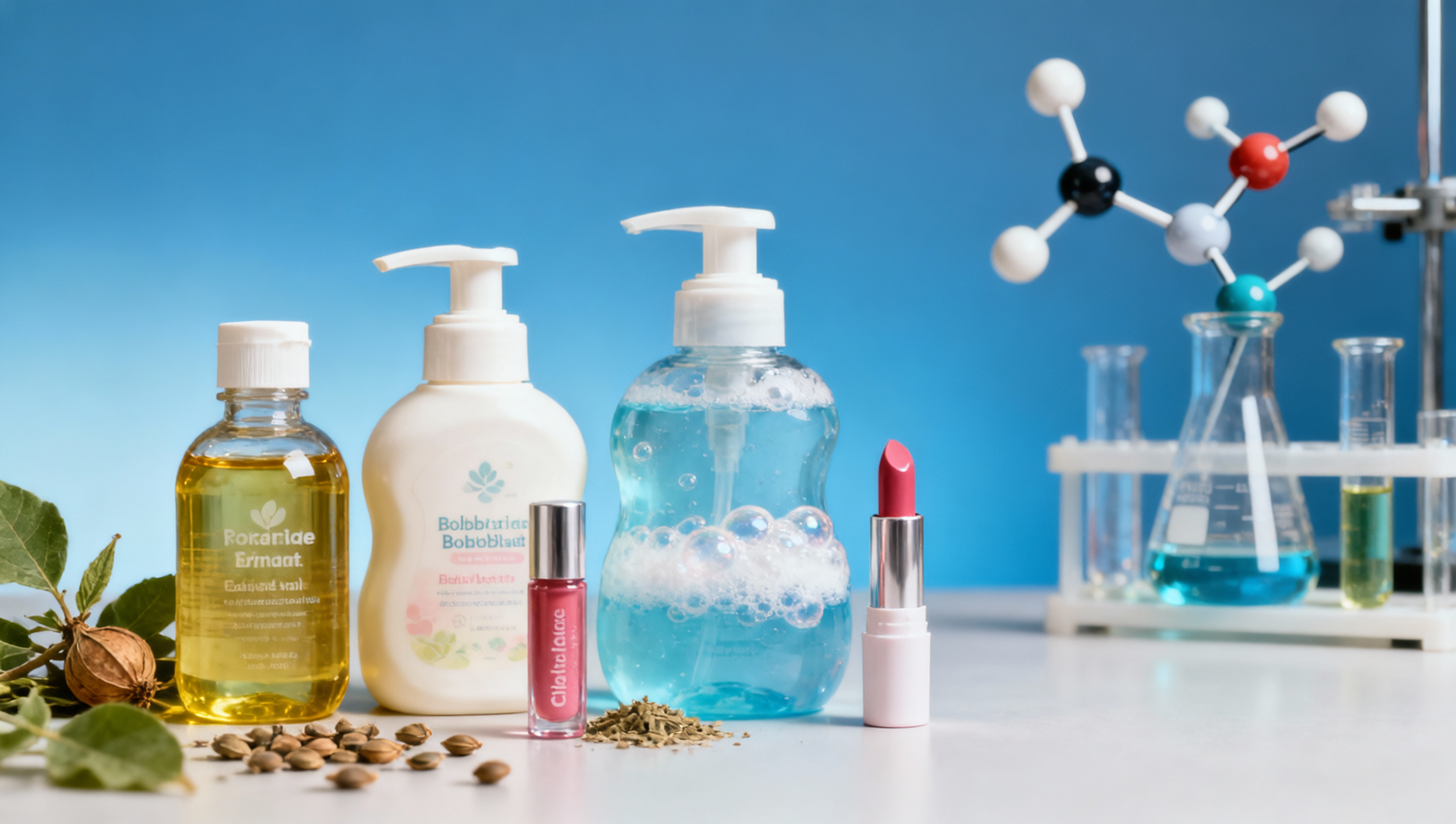
On April 13, 2026, China's State Administration for Market Regulation issued the updated national standard GB/T 29680—2026 for facial cleansers (cream, liquid, mousse, gel, powder), which will come into effect on September 1. The new regulation expands coverage to include mousse, gel, and powder cleansers for the first time, while introducing stricter requirements for children's products. This development warrants attention from cosmetic manufacturers, exporters, and supply chain stakeholders as it will directly impact production compliance and cross-border trade procedures.
Event Overview
The newly revised GB/T 29680—2026 standard explicitly incorporates mousse, gel, and powder formulations into China's facial cleanser regulatory framework. For children's products, specific limitations include pH value ranges (4.5–6.5), 30% stricter microbial indicators, and prohibition of 12 high-risk preservatives. The standard will serve as a mandatory reference for export filings, cross-border e-commerce quality inspections, and overseas buyer factory audits.
Impact on Sub-sectors
Export-oriented Manufacturers
Companies supplying international markets must reformulate products containing newly restricted ingredients. The expanded product scope means previously unregulated formats now require full compliance documentation. Analysis shows export clearance processes may lengthen during the transition period as customs authorities implement new inspection protocols.
Raw Material Suppliers
Suppliers of preservatives and pH adjusters face immediate demand shifts. The banned preservatives list affects existing formulations, while children's product pH requirements may drive purchases of milder buffering agents. Current procurement strategies should account for these compositional changes.
Cross-border E-commerce Platforms
Marketplaces selling imported cleansers must update product screening mechanisms. The standard's adoption as a quality benchmark means non-compliant listings risk removal. Platforms should prepare verification systems for mousse/gel/powder categories previously outside regulatory scrutiny.
Key Action Points
Compliance Timeline Management
With implementation set for September 1, companies should complete formula reviews and testing by Q2 2026 to allow sufficient certification lead time.
Documentation Updates
Technical files require expansion to cover new product formats. Special attention needed for children's product test reports verifying pH compliance and preservative-free status.
Supply Chain Communication
Manufacturers should promptly notify international buyers about reformulation plans to prevent order disruptions. Export documentation must clearly reference the updated GB/T standard.
Industry Perspective
From an industry viewpoint, this revision signals China's tightening cosmetic safety controls, particularly for sensitive demographics. The explicit inclusion of novel formats reflects market evolution, while the export reference designation elevates its global trade significance. Ongoing monitoring is advised as supplementary implementation guidelines may follow.
Conclusion
The updated standard represents a substantive regulatory shift rather than incremental adjustment. While presenting compliance challenges, it also standardizes evaluation criteria for emerging product categories. Industry players should treat this as both an operational compliance matter and strategic opportunity to align with international safety trends.
Source
China State Administration for Market Regulation official announcement (April 13, 2026)
Related Intelligence
 Infant Feeding & CareApr 13, 2026Canada to Ban DBP/BBP/DEHP in Toys, Urgent Switch to Alternatives NeededCanada bans DBP, BBP, DEHP in toys for kids under 3 by late 2026. Chinese exporters must urgently switch to safer alternatives like DINCH or ATBC to avoid shipment rejections. Act now to comply!
 Infant Feeding & CareApr 13, 2026Guobang TCM Decoction Pieces Phase II Project Launches: Expansion of Pediatric Herbal Patches and Plant-Based Care ProductsGuobang TCM launches Phase II project, expanding pediatric herbal patches & plant-based care production. FDA-compliant facility targets欧美market shortages with natural, hormone-free solutions. Explore industry impacts now.
 Infant Feeding & CareApr 13, 2026Cloud Warehouse Winery Launches Grand Cru Division: High-End Infant Nutrition Supply Chain Capabilities ExpandCloud Warehouse Winery launches Grand Cru Division, expanding high-end infant nutrition supply chain capabilities with EU-certified奶粉 processing &冷链 logistics. Discover how this impacts婴童 nutrition ODM producers & organic suppliers.
 Infant Feeding & CareApr 13, 2026Ningbo Huaxiang's PEEK Production Line Trial: Boosting Localization of High-End Medical Baby ProductsNingbo Huaxiang's 4,000-ton/year PEEK production line trial boosts localization of high-end medical baby products, cutting import reliance by 25% and delivery cycles by 30%. A game-changer for infant medical equipment and export manufacturers.
 Electronic & RC ToysApr 13, 2026EU to Enforce EN IEC 62115-2 Standard for Smart Baby Toys by Q3 2026EU's EN IEC 62115-2 standard for smart baby toys takes effect Q3 2026, impacting Wi-Fi/Bluetooth connected toys. Learn new EMC, cybersecurity & GDPR compliance requirements for EU exports.
 Skincare OEMApr 13, 2026China's New Facial Cleanser Standard Takes Effect in September, Covering Mousse/Gel/Powder for First TimeChina's new facial cleanser standard GB/T 29680—2026 takes effect September 2026, now covering mousse, gel & powder formulations with stricter child safety requirements. Essential reading for cosmetic exporters and manufacturers.
 Cosmetics & PkgApr 13, 2026Canada to Ban DBP/BBP/DEHP in Kids' Cosmetics: Industry ImpactCanada's 2026 ban on DBP, BBP, DEHP in kids' cosmetics forces Chinese exporters to reformulate. Learn impacts on manufacturers, suppliers & key compliance strategies for this phthalate-free shift.
 Activewear OEMApr 13, 2026Marathon Runners Get Up to $14K Homebuyer Subsidies in ChinaMarathon runners in China can now receive up to $14K homebuyer subsidies in cities like Nanjing and Chengdu. Discover how this policy boosts sports apparel and wearable tech demand while creating real estate opportunities.
 Activewear OEMApr 13, 20266 Chinese Players Advance in Snooker Worlds, Chang Bingyu Wins 1.47M with 147 Break6 Chinese snooker players advance to World Championship main draw as Chang Bingyu wins ¥1.34M with 147 break, sparking 40% surge in equipment demand. Explore how this impacts cue manufacturers, smart scoring systems & training facilities worldwide.
 STEM & Educational ToysApr 13, 2026Canada to Ban DBP/BBP/DEHP in Children's Sports Toys: Urgent Material Switch NeededCanada bans DBP, BBP & DEHP in children's sports toys by 2026. Learn urgent material switch strategies for TPE/TPR alternatives and SGS compliance to protect $430M export market.
 Sports & OutdoorsApr 11, 2026The Rise of Custom Travel as a Premium Consumer Service: Analyzing the Inbound Market for Central ChinaDiscover premium custom travel in Central China with 2026 visa policies. Experience Luoyang's culture & Shaolin Temple's private lessons for elite travelers.
 Beauty DevicesApr 11, 2026RCEP ASEAN New Tariff List Takes Effect: Vietnam/Thailand Cuts Import Duty on Chinese Beauty Devices to 2.8%Vietnam & Thailand slash import duties on Chinese beauty devices to 2.8% under RCEP ASEAN tariff cuts. Boost your export competitiveness with RCEP Certificate of Origin benefits now!
 Beauty DevicesApr 11, 2026SASO Updates Mandatory Certification List for Personal Care AppliancesSASO updates its Mandatory Certification List for Personal Care Appliances, adding six new devices. Starting July 2026, SABER certification is required for imports. Learn how this impacts exporters and key compliance steps.