Amazon US Enforces UL 62368-1 & COPPA Voice Data Rules for RC Toys
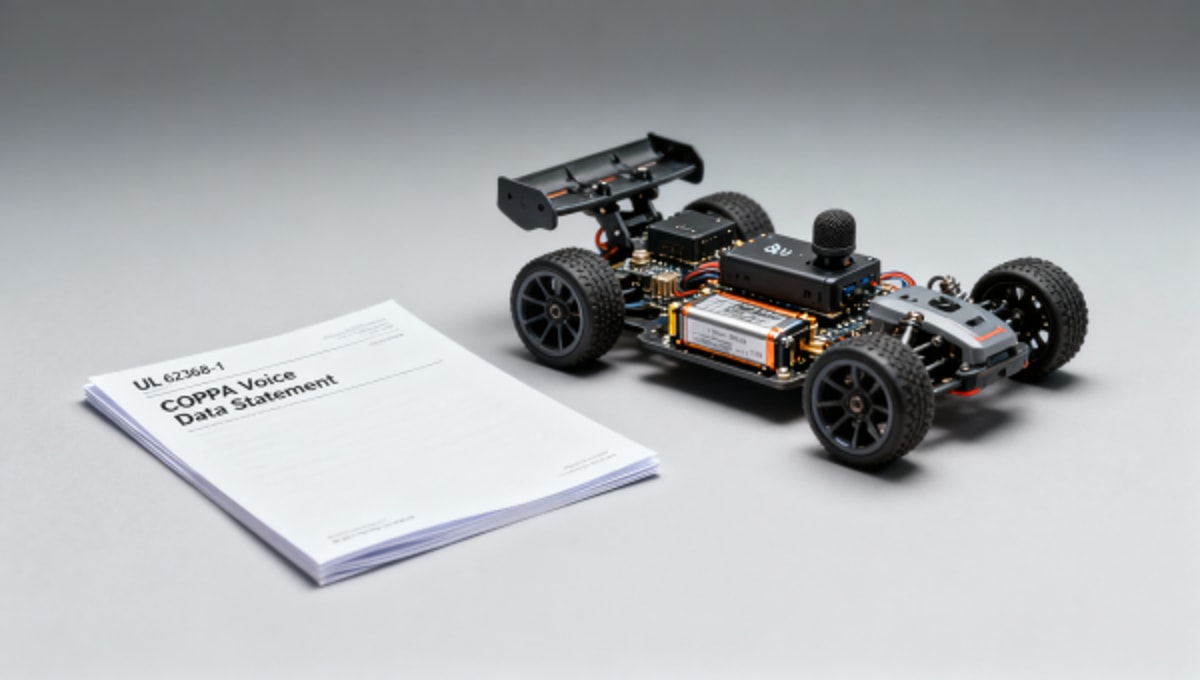
Amazon US notified sellers on May 2, 2026, that effective June 1, 2026, all Electronic & RC Toys—including remote-controlled cars, drones, and programmable racing kits—listed on its U.S. marketplace must submit both a UL 62368-1 safety test report and a COPPA/FTC-compliant Children’s Voice Interaction Data Processing Statement. Non-compliant listings will be removed without appeal. This requirement directly impacts exporters, manufacturers, and compliance service providers serving the U.S. toy and consumer electronics supply chain—and signals tightening regulatory alignment between product safety and data privacy in children’s connected devices.
Event Overview
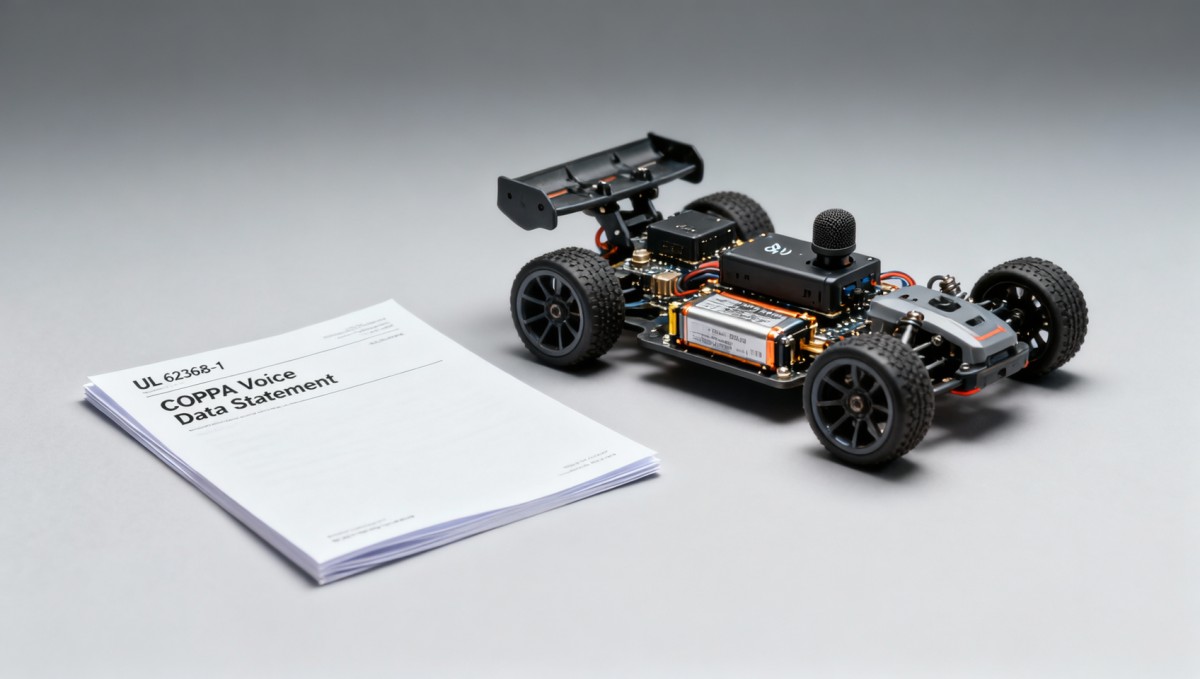
On May 2, 2026, Amazon US issued an automated system notification to sellers stating that, starting June 1, 2026, new and existing listings under the ‘Electronic & RC Toys’ category must include two mandatory documents: (1) a valid third-party test report certifying compliance with UL 62368-1 (Audio/Video, Information and Communication Technology Equipment – Safety Requirements), and (2) a written ‘Children’s Voice Interaction Data Processing Statement’ demonstrating adherence to the U.S. Children’s Online Privacy Protection Act (COPPA) and Federal Trade Commission (FTC) guidance on voice data collection from minors. Amazon confirmed that non-submission will result in immediate listing removal, with no申诉 (appeal) pathway available.
Industries Affected
Direct Exporters & Brand Sellers
Exporters listing RC toys directly on Amazon US are subject to immediate compliance verification. Because Amazon enforces this at the ASIN level—and does not grandfather existing listings—any unverified SKU may be deactivated without warning. Impact includes inventory stranded in FBA warehouses, lost sales velocity, and potential account health penalties if multiple listings fail verification.
Contract Manufacturers & OEMs
OEMs producing RC toys for U.S.-bound brands must now ensure UL 62368-1 testing is embedded into pre-shipment quality protocols—not treated as a post-manufacturing add-on. Since UL 62368-1 covers electrical, thermal, and energy source hazards specific to modern battery-powered and wireless-enabled toys, design-stage input from certified labs is increasingly necessary. Delayed testing or incomplete scope coverage (e.g., omitting Bluetooth modules or Li-ion battery subsystems) may invalidate reports.
Compliance & Certification Service Providers
Third-party labs and documentation consultants face increased demand for integrated submissions: UL 62368-1 reports require lab accreditation (e.g., A2LA or NVLAP), while the COPPA statement requires legal review of data flow diagrams, consent mechanisms, and retention policies. Providers must verify whether their COPPA support extends to voice-specific disclosures (e.g., wake-word handling, local vs. cloud processing, anonymization methods)—a nuance not covered by generic privacy templates.
What Enterprises & Practitioners Should Prioritize Now
Confirm eligibility and scope of existing UL reports
Review current UL 62368-1 reports for date validity, applicable edition (e.g., UL 62368-1 Ed. 3 or later), and coverage of all powered components—including motors, receivers, batteries, and wireless transceivers. Reports citing superseded standards (e.g., UL 60950-1) or lacking test evidence for firmware-updatable features will not satisfy Amazon’s requirement.
Map voice data architecture before drafting the COPPA statement
Identify where voice interaction occurs (on-device only? cloud-processed?), whether audio is stored, how long recordings persist, and whether any third parties receive raw or processed voice inputs. The FTC expects specificity: generic statements like ‘we do not sell data’ are insufficient without technical justification aligned to actual system behavior.
Validate submission readiness in Seller Central ahead of June 1
Amazon has introduced new document upload fields in the Product Compliance section of Seller Central. Sellers should log in and confirm the presence and labeling of these fields for RC toy ASINs. Early access to the interface helps surface formatting issues (e.g., PDF size limits, signature requirements) before enforcement begins.
Segregate COPPA obligations from general privacy policies
The required ‘Children’s Voice Interaction Data Processing Statement’ is distinct from a standard website privacy policy. It must be authored separately, reference specific product models and firmware versions, and explicitly address voice-triggered functionality—even if voice is disabled by default. Mixing it with broader GDPR or CCPA language risks rejection.
Editorial Perspective / Industry Observation
Observably, this update reflects Amazon’s institutional shift from treating safety and data privacy as parallel compliance tracks to enforcing them as interdependent requirements for children’s connected products. Analysis shows the timing aligns with heightened FTC scrutiny of voice-enabled toys following recent enforcement actions (e.g., 2025 settlement with a smart doll maker). While Amazon is not a regulator, its platform-level mandate effectively sets de facto market access conditions—particularly given its dominance in U.S. online toy sales. From an industry perspective, this is less a one-off policy change and more a signal of converging regulatory expectations across hardware safety, software security, and data stewardship. Current enforcement appears operational rather than experimental: no grace period, no phased rollout, and no public FAQ published by Amazon as of May 2026.
Conclusion
This requirement consolidates two previously separate compliance domains—electrical safety certification and child-directed data governance—into a single gatekeeping condition for market access. It does not introduce new U.S. law, but significantly raises the execution bar for global suppliers targeting Amazon US. Rather than representing an isolated deadline, it is better understood as an early indicator of how platform-led compliance frameworks may increasingly mirror statutory obligations—requiring cross-functional coordination between engineering, regulatory affairs, and data privacy teams well before product launch.
Information Sources
Primary source: Amazon Seller Central system notification dated May 2, 2026 (accessible to registered sellers via Notifications tab).
Note: Amazon has not published a public-facing policy page or detailed implementation guide as of May 2026; ongoing monitoring of Seller Central updates and FTC guidance revisions is recommended.
Related Intelligence
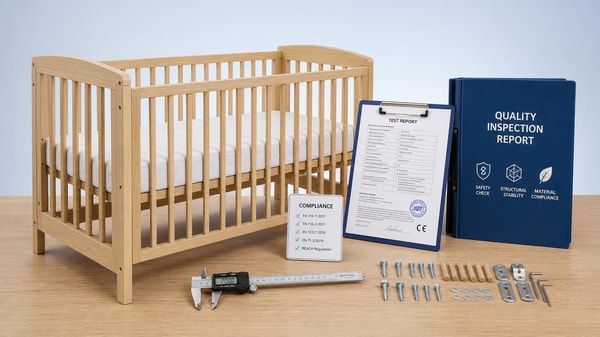
 Nursery Furniture & MonitorsMay 04, 2026Wooden Baby Cribs Wholesale: Safety Checks That Should Not Be SkippedWooden baby cribs wholesale safety checks every buyer should verify: compliance, materials, structural strength, hardware, and factory controls to reduce recall risk.
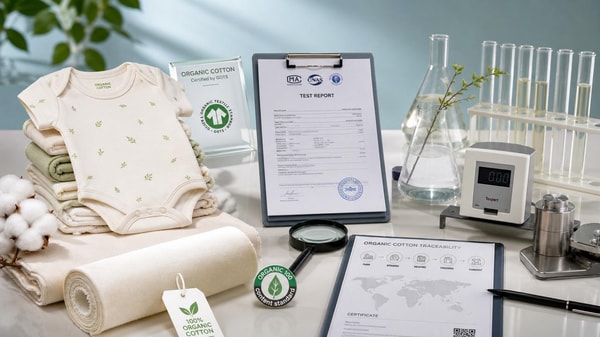
 Activewear OEMMay 04, 2026Organic Baby Clothes Wholesale: How to Verify Fabric ClaimsOrganic baby clothes wholesale guide: learn how to verify fabric claims, check certifications, review lab tests, and spot supplier risks for safer sourcing and confident wholesale decisions.
 Infant Feeding & CareMay 04, 2026Wholesale Cloth Diapers: Cost Trade-Offs That Matter Over TimeWholesale cloth diapers: compare more than unit price. Discover the long-term cost trade-offs in sourcing, compliance, returns, packaging, and margin strategy.
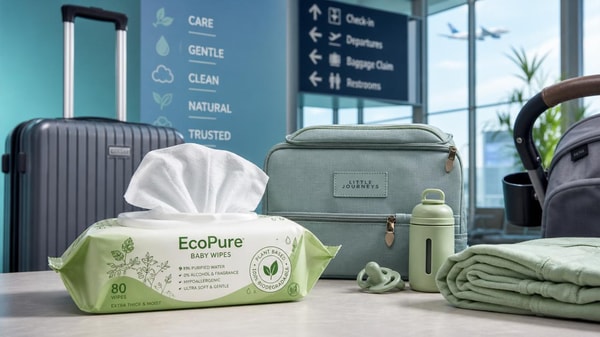
 Infant Feeding & CareMay 04, 2026Biodegradable Baby Wipes: Are They Better in Daily UseBiodegradable baby wipes: are they truly better for daily use? Explore softness, durability, skin safety, and travel convenience to choose the best option for family trips.
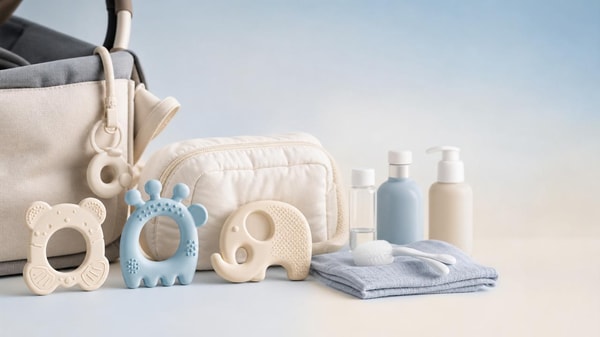
 Infant Feeding & CareMay 04, 2026Silicone Teething Rings: What to Look for Before You BuySilicone teething rings guide: learn how to compare safety, food-grade materials, easy-clean designs, and age-appropriate features before you buy for home or travel.
 Infant Feeding & CareMay 04, 2026Baby Pacifiers Manufacturer Comparison: Material, Mold, and ComplianceBaby pacifiers manufacturer comparison guide covering material safety, mold precision, and compliance readiness to help buyers reduce sourcing risk and choose reliable global partners.
 Infant Feeding & CareMay 04, 2026Silicone Baby Bibs OEM Trends That Make Sense in 2026Silicone baby bibs OEM trends for 2026: discover safer sourcing, private-label flexibility, and travel retail opportunities that help buyers reduce risk and grow family-focused sales.
 Infant Feeding & CareMay 04, 2026BPA Free Baby Bottles: How to Judge Safety Beyond the LabelBPA free baby bottles safety goes beyond the label. Learn how travel service quality teams assess materials, testing, certificates, and supplier risk for safer sourcing.
 Infant Feeding & CareMay 04, 2026Electric Breast Pump OEM: What to Review Before Final ApprovalElectric breast pump OEM final approval starts with more than price. Review compliance, reliability, warranty risk, and supplier readiness before you sign.
 Infant Feeding & CareMay 04, 2026Manual Breast Pump Wholesale: When Simpler Products Sell BetterManual breast pump wholesale performs best where portability, affordability, and easy selling matter most. Discover why simpler products win in travel retail, pharmacies, e-commerce, and emerging markets.
 Infant Feeding & CareMay 04, 2026Baby High Chairs OEM: Features Parents Notice Before Anything ElseBaby high chairs OEM guide for parents: compare stability, harness safety, non-toxic materials, and easy-clean design to choose a trusted high chair with confidence.
 Baby Gear & StrollersMay 04, 2026Maternity Backpack OEM Ideas That Fit Modern Parenting NeedsMaternity backpack OEM ideas for modern parenting: explore travel-ready layouts, smart storage, safe materials, and customization tips that help brands source better and launch with confidence.
 Baby Gear & StrollersMay 04, 2026Baby Walkers Wholesale: Market Demand, Risks, and Model SelectionBaby walkers wholesale insights for travel retail and global buyers: explore demand shifts, compliance risks, and the best model mix to source safer, higher-converting products.