Custom Board Games Printing: How to Avoid Expensive Reprint Mistakes
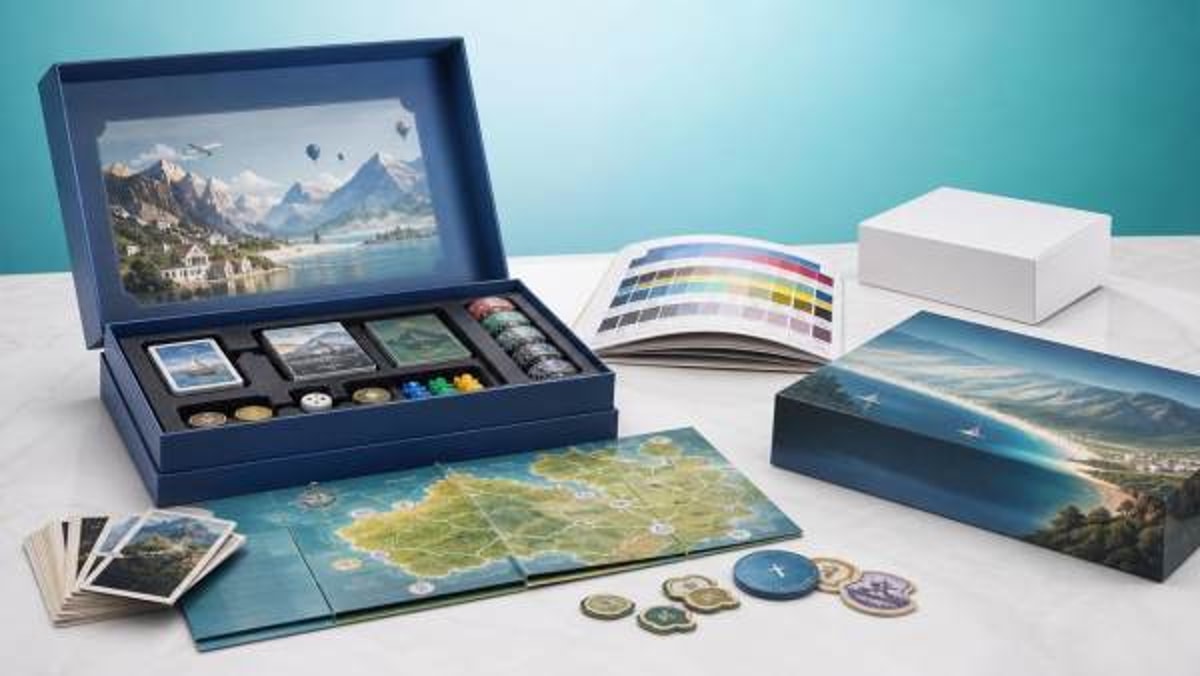
Custom board games printing can quickly become costly when artwork errors, material mismatches, or compliance gaps force a full reprint. For project managers responsible for timelines, budgets, and supplier coordination, avoiding these mistakes starts long before mass production. This guide outlines the critical checkpoints that help teams reduce risk, control quality, and keep complex print projects on schedule.
Why does custom board games printing go wrong so often in multi-supplier projects?
In travel service promotions, destination branding campaigns, museum gift programs, airline loyalty merchandise, and resort retail packs, custom board games printing often involves more stakeholders than buyers expect. A single project may include a creative agency, a sourcing team, a game component factory, a carton supplier, a compliance reviewer, and a logistics coordinator. Reprints happen not because one file is “bad,” but because coordination breaks at the handoff points.
For project managers, the biggest risk is assuming print production is a linear task. It is actually a chain of dependency decisions: artwork affects dielines, dielines affect insert fit, insert fit affects carton dimensions, carton dimensions affect shipping cost, and material choice can affect both print quality and destination market compliance. In tourism-related merchandise, where launch timing may align with holiday travel peaks, exhibition schedules, or new route promotions, a reprint can damage not only margin but campaign relevance.
Another reason custom board games printing fails is that visual approval is often mistaken for production approval. A PDF that looks correct on screen does not confirm color behavior on coated stock, chipboard thickness, folding alignment, or token packing tolerance. Teams that treat supplier quotes as final before validating these variables are the ones most exposed to expensive corrections.
What should project managers confirm before requesting a final quote?
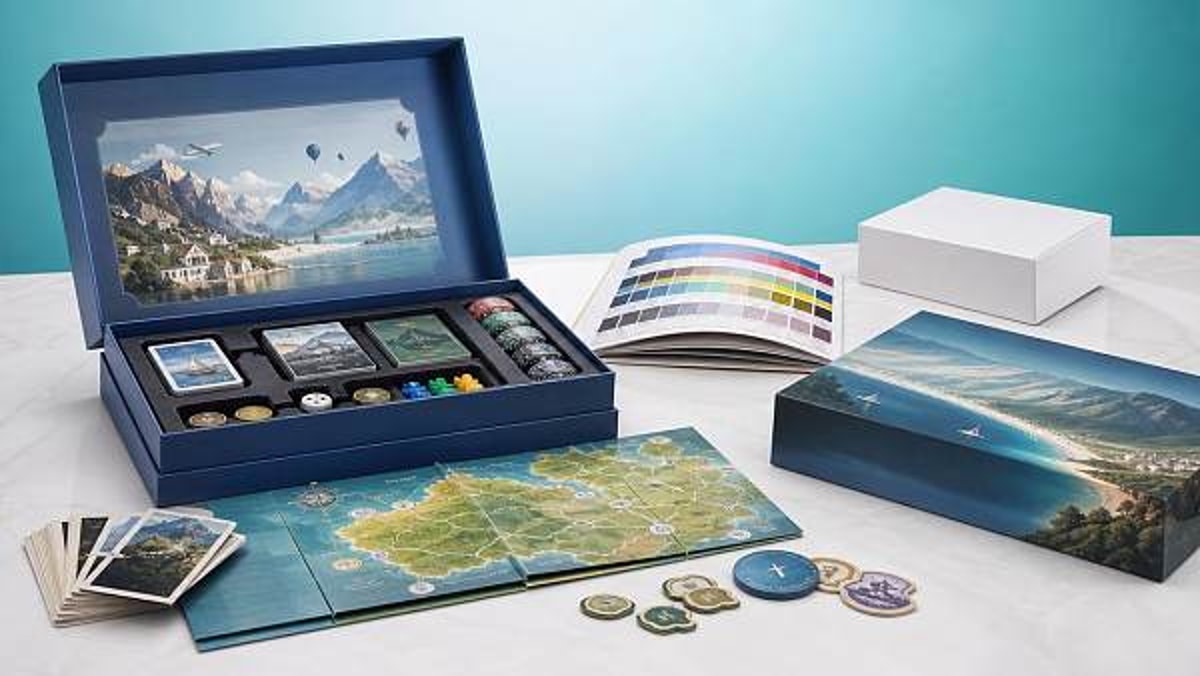
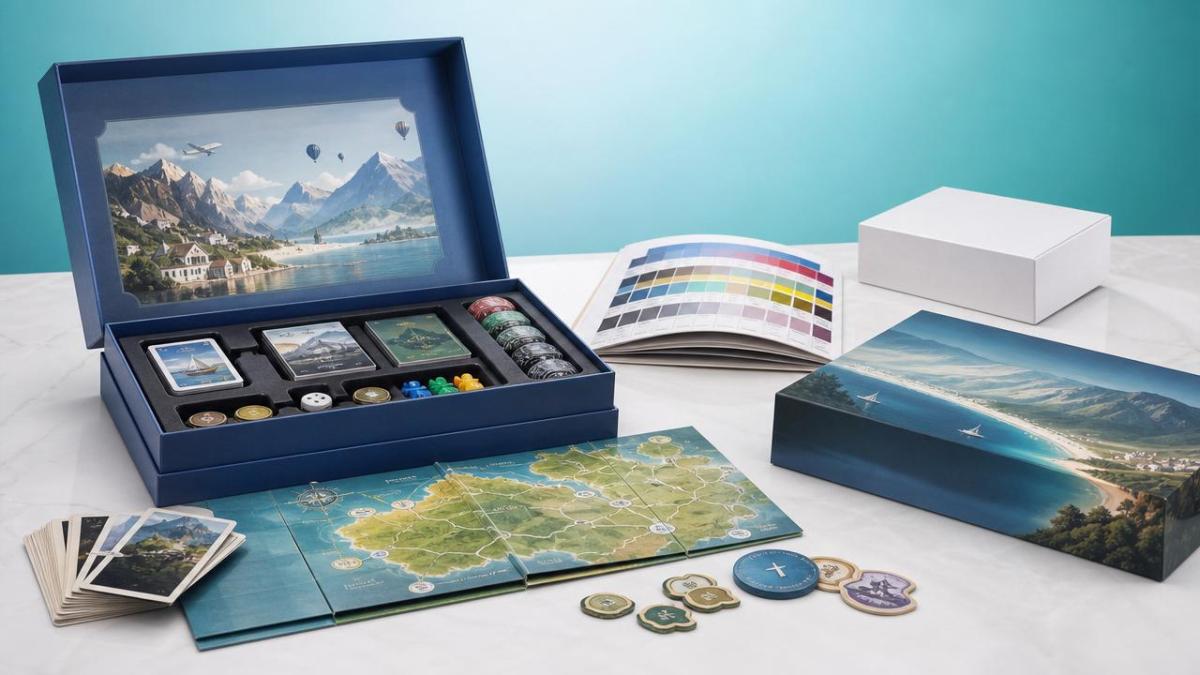
Before approving a quote for custom board games printing, project leaders should confirm scope at the component level, not just the product level. “One board game set” is too vague for accurate costing. A supplier needs to know box structure, board fold count, card size and card quantity, token material, rulebook pagination, insert type, finish options, shrink wrap needs, barcode placement, and shipper carton requirements.
In tourism service applications, this matters even more because products may be sold in airports, hotel gift shops, cultural attractions, cruise terminals, or cross-border e-commerce channels. Each channel may have distinct packaging needs. For example, a game designed as a destination souvenir may need premium spot UV and foil stamping, while an in-room family activity kit may prioritize durability and lower unit cost. If those use cases are not clarified early, the wrong specifications can be locked into the quote and later trigger redesign.
A practical pre-quote checklist should include:
- Target sales channel and user environment
- Component list with quantities per set
- Material assumptions for board, cards, box, and insert
- Required certifications or destination compliance standards
- Color expectations and brand-critical areas
- Packaging test needs for export or retail display
- Production timeline, including proofing and pre-shipment review
When these details are clear, custom board games printing quotes become more comparable across vendors, and project managers can identify hidden cost drivers before they become rework.
Which mistakes are most likely to trigger a full reprint?
The most expensive reprint mistakes usually come from issues that are systemic rather than cosmetic. A typo on a rule card is serious, but a wrong box dimension that prevents component fit is worse because it affects the entire production batch. In custom board games printing, the following categories deserve the closest attention.
One overlooked risk in custom board games printing is localization. Tourism-themed games often include maps, destination names, historical references, or multilingual instructions. If the wrong version is printed for a market, the inventory may be unusable even if physical quality is perfect. Version control is therefore just as important as print quality control.
How do you choose materials without sacrificing budget or user experience?
Material selection is where many teams either overspend or underperform. In custom board games printing, the cheapest material is rarely the lowest-cost decision over the full project cycle. A low-grade board may warp in humid resort environments. Thin cards may fray quickly in family entertainment spaces. A glossy finish may look appealing in mockups but produce glare under hotel retail lighting.
The right choice depends on how the game will be used. If the game is a premium destination souvenir sold at an attraction shop, heavier board, stronger rigid box construction, and elevated finishing may support perceived value. If the game is part of a promotional tourism campaign distributed in volume, cost efficiency and packing density may matter more. The key is to define the actual service environment first: souvenir retail, in-transit entertainment, hotel family package, event giveaway, or corporate travel gift.
Project managers should also ask suppliers for alternatives in tiers rather than a single recommendation. For example, request a good-better-best comparison for chipboard thickness, card finish, insert material, and box style. That approach helps teams understand where custom board games printing quality meaningfully affects user satisfaction and where savings are less risky.
What proofing and sampling stages are essential before mass production?
Skipping proofing stages is one of the fastest ways to create reprint risk. For custom board games printing, project managers should distinguish between design approval, structural approval, color approval, and assembly approval. They are not interchangeable.
A white sample is the first critical step. This plain, unprinted sample confirms box dimensions, board fold behavior, tray depth, token placement, and overall fit. It is especially useful when a tourism brand wants compact packaging for travelers but still needs durable components. Once structure is approved, a digital or hard color proof should validate key brand visuals, destination photography, logos, and typography legibility. Finally, a pre-production sample should confirm that all approved decisions work together in a finished unit.
Mass production should not begin until teams verify:
- The approved artwork version matches the production file name and revision number
- All language versions are assigned to the correct SKU or destination market
- Pantone or CMYK expectations are documented for critical brand colors
- Barcode, warnings, and origin markings are placed correctly
- Packing sequence and carton counts are locked
This stage discipline may seem slow, but in custom board games printing it is much cheaper than replacing an entire run that looked “mostly right” at approval time.
How can project managers reduce timeline risk when suppliers are overseas?
Overseas sourcing adds communication lag, holiday interruptions, transit delays, and quality visibility challenges. For project managers in travel service organizations, timing matters because product launches may be tied to seasonal tourism windows, partnership events, or destination campaigns. The safest approach is to build the production plan backward from the retail or activation date, with explicit buffers for proof revisions and inspection.
A common mistake is measuring lead time only from deposit to shipment. Real lead time for custom board games printing starts earlier: specification freeze, supplier clarification, prepress check, structural sample, artwork revision, color proof, pre-production unit, mass production, inspection, export booking, customs, and final delivery. Each stage should have one owner and one acceptance criterion.
It also helps to convert open-ended questions into closed decision points. Instead of asking, “Can you make the box stronger?” ask, “Please quote 1200gsm and 1400gsm options with expected weight impact and production lead time.” Better questions produce clearer supplier responses and reduce interpretation errors that cause custom board games printing delays.
What are the most common misconceptions about quality control in custom board games printing?
The first misconception is that final inspection alone protects the project. By the time final inspection happens, many defects are already expensive to fix. Quality control should begin at file preparation and continue through sample approval, in-line checks, and pre-shipment review.
The second misconception is that a strong supplier eliminates the need for internal control. Even excellent factories cannot guess your market priorities. A tourism brand may value map accuracy, storytelling visuals, and bilingual clarity more than generic packaging aesthetics. Those priorities must be documented.
The third misconception is that compliance only matters for children’s products. Depending on market positioning, custom board games printing may still require attention to labeling, testing expectations, chemical restrictions, and retail safety standards, especially when products are sold through international channels or included in family-oriented travel programs.
If a team wants to avoid reprints, what questions should be asked before placing the order?
Before issuing a purchase order for custom board games printing, teams should align on a short list of decisive questions. Does the specification match the real use case? Has every component been counted and dimensioned? Are all files version-controlled? Has a structural sample been approved? Are compliance and labeling confirmed for the destination market? Is the supplier’s quotation based on the same assumptions your internal stakeholders approved? Are quality checkpoints linked to timeline milestones?
For travel service buyers and project leaders, these questions are especially important when the game supports a wider commercial objective, such as destination marketing, guest engagement, cultural storytelling, or retail merchandising. In these cases, a reprint is not only a manufacturing problem. It can disrupt campaign timing, waste promotional budgets, and weaken customer experience at the point of sale.
If you need to confirm a practical custom board games printing plan, the best next step is to discuss the intended travel or retail scenario, target market, component list, material options, proofing sequence, compliance requirements, production calendar, and inspection standard before asking for final pricing or delivery commitment.
Related Intelligence
 Corporate & Seasonal GiftsMay 07, 2026Branded USB Flash Drives: When Classic Promo Items Still Make SenseBranded USB flash drives still make sense for travel service brands—discover how they boost partner engagement, showcase premium content, and support higher-conversion B2B campaigns.
![]() Corporate & Seasonal GiftsMay 07, 2026Reborn Baby Dolls Wholesale: Key Quality Signs to Check Before Orderingreborn baby dolls wholesale buyers: learn the key quality signs to check before ordering, from materials and realism to compliance and factory consistency.
Corporate & Seasonal GiftsMay 07, 2026Reborn Baby Dolls Wholesale: Key Quality Signs to Check Before Orderingreborn baby dolls wholesale buyers: learn the key quality signs to check before ordering, from materials and realism to compliance and factory consistency. STEM & Educational ToysMay 07, 2026Montessori Toys Wholesale: What Sells Better Than Trend-Driven Toy PicksMontessori toys wholesale offers travel retailers and distributors a smarter alternative to fad toys—safer, educational, durable, and built for steady demand, repeat orders, and long-term trust.
 Corporate & Seasonal GiftsMay 07, 2026Custom Printed Mugs Bulk: Which Sizes and Coatings Make Better Gift ItemsCustom printed mugs bulk: discover the best sizes and coatings for travel gifts, hotel branding, and souvenir retail to boost appeal, durability, and buyer confidence.
 STEM & Educational ToysMay 07, 2026Sensory Toys for Autism OEM: Features That Matter More Than Bright PackagingSensory toys for autism OEM selection for travel services should prioritize safety, compliance, durability, and calming design over flashy packaging. Discover what truly improves guest experience.
 STEM & Educational ToysMay 07, 2026Custom Board Games Printing: How to Avoid Expensive Reprint MistakesCustom board games printing guide for travel service teams: avoid costly reprints, fix supplier risks, choose the right materials, and keep projects on time and on budget.
 Corporate & Seasonal GiftsMay 07, 2026Custom Power Banks OEM: What to Review Before Approving Battery SpecsCustom power banks OEM guide for travel service buyers: review battery chemistry, real output, safety, cycle life, and compliance before approval to reduce risk and boost buyer confidence.
 STEM & Educational ToysMay 07, 2026DIY Craft Kits for Kids: Which Projects Work Best for Short Attention SpansDIY craft kits for kids that keep short attention spans engaged on trips. Discover mess-free, travel-friendly projects for flights, road trips, and hotel downtime.
 STEM & Educational ToysMay 07, 2026Magnetic Building Blocks Manufacturer: Safety Points You Should Never SkipMagnetic building blocks manufacturer safety guide: learn the must-check tests, compliance documents, and audit points to avoid recalls, protect your brand, and source with confidence.
 Corporate & Seasonal GiftsMay 07, 2026Corporate Gift Sets Wholesale: How to Match Product Mix With BudgetCorporate gift sets wholesale for travel services: learn how to match product mix with budget, control landed costs, manage compliance, and choose higher-ROI gift sets.
 Corporate & Seasonal GiftsMay 07, 2026Action Figures Manufacturer: What to Compare Before Locking in a SupplierAction figures manufacturer comparison guide for travel buyers: evaluate compliance, customization, packaging, lead times, and supplier stability before choosing a sourcing partner.
 Corporate & Seasonal GiftsMay 07, 2026Birthday Party Decorations: How to Build a Theme Without OverbuyingBirthday party decorations made simple: learn how to build a stylish theme with fewer items, smart venue-friendly choices, and budget-saving tips that still create a memorable celebration.
 Corporate & Seasonal GiftsMay 07, 2026Fidget Spinners Bulk: When Low Unit Cost Becomes a Hidden Quality RiskFidget spinners bulk may look cost-effective, but hidden quality, compliance, and return risks can hurt travel retail margins. Learn how to source smarter before you buy.