SASO Imposes New EMC Requirements on STEM Toys in Saudi Arabia
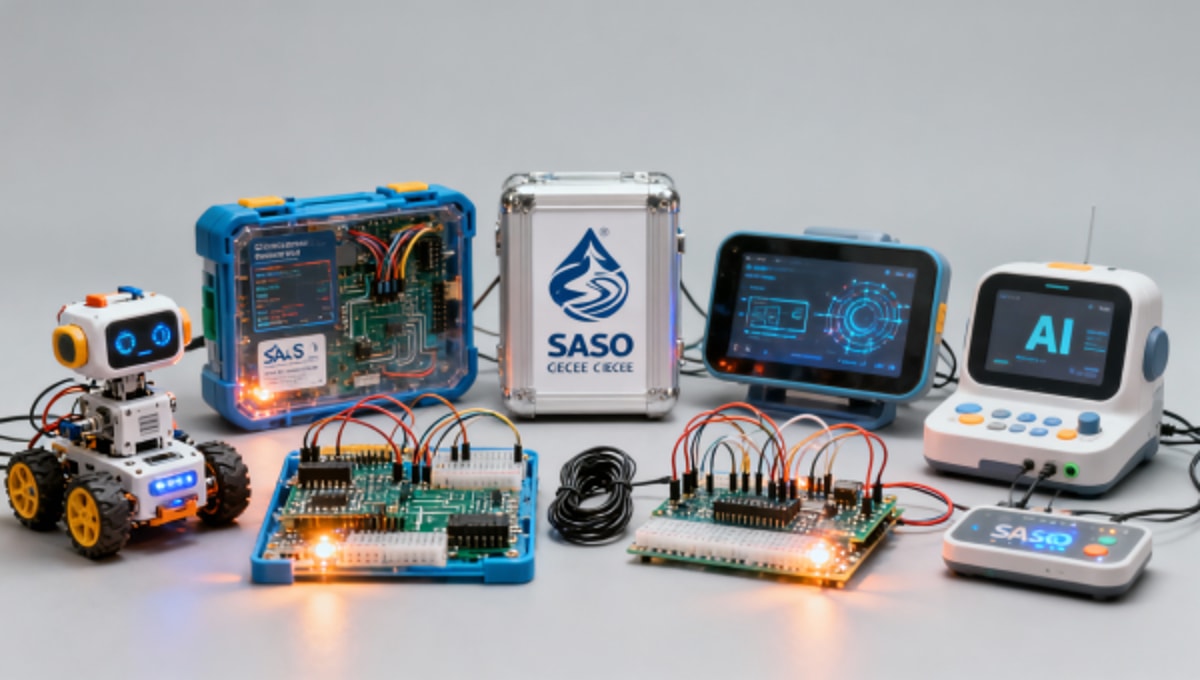
On May 15, 2026, the Saudi Standards, Metrology and Quality Organization (SASO) will enforce new electromagnetic compatibility (EMC) requirements for electronic STEM and educational toys targeting K–12 learners. This development directly affects exporters, manufacturers, and compliance service providers serving the Saudi market — particularly those handling programmable robots, circuit kits, and AI-introductory devices.
Event Overview
On May 3, 2026, SASO issued an urgent technical notice mandating that all electronic STEM & educational toys intended for the K–12 segment must comply with both IEC 62368-1 and EN 55032 for EMC testing effective May 15, 2026. Products must also bear the SASO IECEE mark. Previously, such toys only required SABER registration; non-compliant items will be denied customs clearance.
Which Subsectors Are Affected
Direct Exporters and Trading Companies
These entities face immediate shipment delays or rejection at Saudi ports if consignments lack valid EMC test reports and the SASO IECEE mark. The shift from SABER-only to dual-standard certification increases documentation lead time and verification complexity.
Manufacturers of Electronic STEM Toys
Producers of programming robots, circuit experiment kits, and AI-enabled learning devices must now integrate EMC testing into their pre-market conformity assessment process. Unlike prior low-voltage safety-only evaluations, this introduces new design, shielding, and layout considerations — especially for battery-powered or wireless-enabled units.
Supply Chain and Certification Service Providers
Third-party labs and conformity assessment bodies supporting SASO compliance must verify their accreditation scope explicitly covers both IEC 62368-1 (safety) and EN 55032 (EMC). Clients may increasingly request combined test reports — a capability not universally available among regional labs.
What Relevant Enterprises or Practitioners Should Focus On and How to Respond
Monitor Official Updates from SASO and SASO-Accredited Bodies
The May 3 notice is labeled "urgent", suggesting possible transitional clarifications or FAQs may follow. Stakeholders should subscribe to SASO’s official notifications and confirm whether legacy SABER registrations remain valid for pending shipments between May 3–14.
Prioritize Testing for High-Risk Product Categories
Products with radio modules, switching power supplies, or clock frequencies above 100 kHz are more likely to fail EN 55032 radiated/conducted emissions tests. Manufacturers should identify these early and allocate time for iterative pre-testing.
Distinguish Between Policy Signal and Operational Implementation
While the deadline is fixed, enforcement rigor — e.g., whether customs officers will accept test reports issued by non-SASO-accredited labs — remains unconfirmed. Analysis shows initial implementation may focus on high-volume or high-risk SKUs rather than blanket inspection.
Adjust Procurement and Documentation Timelines Now
EMC testing typically requires 10–15 working days. To meet the May 15 deadline, product samples and full technical files must be submitted to accredited labs no later than late April. Supply chain teams should align with logistics partners on updated document submission windows for SABER e-certificates.
Editorial Perspective / Industry Observation
Observably, this requirement signals SASO’s broader alignment with international EMC frameworks — particularly the EU’s emphasis on electromagnetic environment protection — rather than introducing a wholly novel regulatory layer. From an industry perspective, it reflects a tightening of market access conditions for electronic consumer education products, moving beyond basic safety toward functional interoperability and emissions control. Current enforcement appears targeted and deadline-driven; however, sustained attention is warranted as SASO may extend similar expectations to adjacent categories (e.g., smart classroom devices) in future updates.
This is not yet a systemic overhaul but a calibrated step — one that elevates technical due diligence from optional best practice to mandatory gatekeeping criterion for Saudi market entry.
Conclusion
The SASO EMC mandate for STEM toys marks a procedural inflection point: compliance is no longer defined solely by safety registration but by verifiable electromagnetic behavior. For affected stakeholders, the priority is not speculation about long-term policy direction, but precise, timely execution against a fixed deadline. It is more accurate to understand this as an operational checkpoint — not a strategic pivot — requiring focused coordination across engineering, compliance, and supply chain functions.
Source Attribution
Main source: Saudi Standards, Metrology and Quality Organization (SASO), Urgent Technical Notice dated May 3, 2026. Note: Enforcement details, lab recognition status, and potential transitional arrangements remain subject to official clarification and require ongoing monitoring.
Related Intelligence
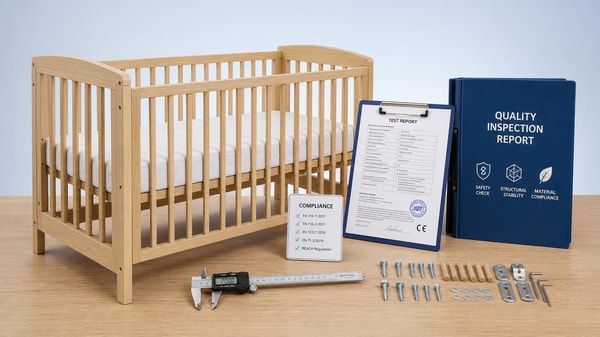
 Nursery Furniture & MonitorsMay 04, 2026Wooden Baby Cribs Wholesale: Safety Checks That Should Not Be SkippedWooden baby cribs wholesale safety checks every buyer should verify: compliance, materials, structural strength, hardware, and factory controls to reduce recall risk.
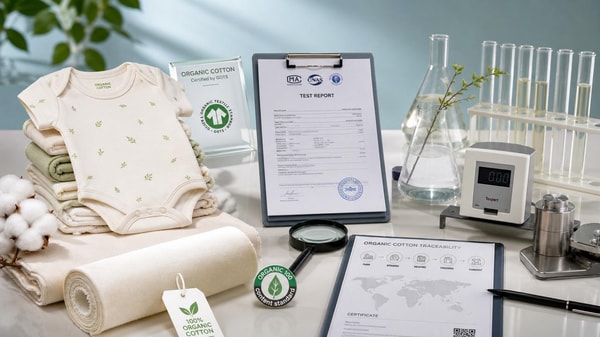
 Activewear OEMMay 04, 2026Organic Baby Clothes Wholesale: How to Verify Fabric ClaimsOrganic baby clothes wholesale guide: learn how to verify fabric claims, check certifications, review lab tests, and spot supplier risks for safer sourcing and confident wholesale decisions.
 Infant Feeding & CareMay 04, 2026Wholesale Cloth Diapers: Cost Trade-Offs That Matter Over TimeWholesale cloth diapers: compare more than unit price. Discover the long-term cost trade-offs in sourcing, compliance, returns, packaging, and margin strategy.
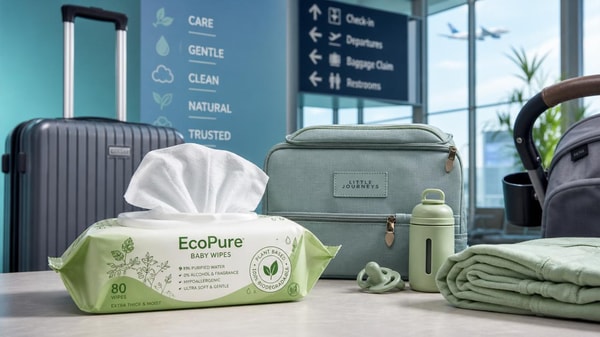
 Infant Feeding & CareMay 04, 2026Biodegradable Baby Wipes: Are They Better in Daily UseBiodegradable baby wipes: are they truly better for daily use? Explore softness, durability, skin safety, and travel convenience to choose the best option for family trips.
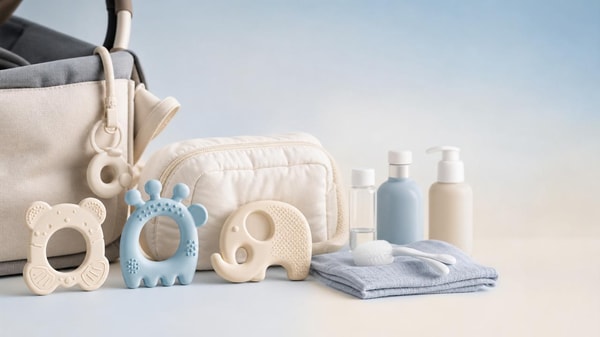
 Infant Feeding & CareMay 04, 2026Silicone Teething Rings: What to Look for Before You BuySilicone teething rings guide: learn how to compare safety, food-grade materials, easy-clean designs, and age-appropriate features before you buy for home or travel.
 Infant Feeding & CareMay 04, 2026Baby Pacifiers Manufacturer Comparison: Material, Mold, and ComplianceBaby pacifiers manufacturer comparison guide covering material safety, mold precision, and compliance readiness to help buyers reduce sourcing risk and choose reliable global partners.
 Infant Feeding & CareMay 04, 2026Silicone Baby Bibs OEM Trends That Make Sense in 2026Silicone baby bibs OEM trends for 2026: discover safer sourcing, private-label flexibility, and travel retail opportunities that help buyers reduce risk and grow family-focused sales.
 Infant Feeding & CareMay 04, 2026BPA Free Baby Bottles: How to Judge Safety Beyond the LabelBPA free baby bottles safety goes beyond the label. Learn how travel service quality teams assess materials, testing, certificates, and supplier risk for safer sourcing.
 Infant Feeding & CareMay 04, 2026Electric Breast Pump OEM: What to Review Before Final ApprovalElectric breast pump OEM final approval starts with more than price. Review compliance, reliability, warranty risk, and supplier readiness before you sign.
 Infant Feeding & CareMay 04, 2026Manual Breast Pump Wholesale: When Simpler Products Sell BetterManual breast pump wholesale performs best where portability, affordability, and easy selling matter most. Discover why simpler products win in travel retail, pharmacies, e-commerce, and emerging markets.
 Infant Feeding & CareMay 04, 2026Baby High Chairs OEM: Features Parents Notice Before Anything ElseBaby high chairs OEM guide for parents: compare stability, harness safety, non-toxic materials, and easy-clean design to choose a trusted high chair with confidence.
 Baby Gear & StrollersMay 04, 2026Maternity Backpack OEM Ideas That Fit Modern Parenting NeedsMaternity backpack OEM ideas for modern parenting: explore travel-ready layouts, smart storage, safe materials, and customization tips that help brands source better and launch with confidence.
 Baby Gear & StrollersMay 04, 2026Baby Walkers Wholesale: Market Demand, Risks, and Model SelectionBaby walkers wholesale insights for travel retail and global buyers: explore demand shifts, compliance risks, and the best model mix to source safer, higher-converting products.