RCEP Vietnam New Rules for Infant Feeding Imports Take Effect May 1, 2026
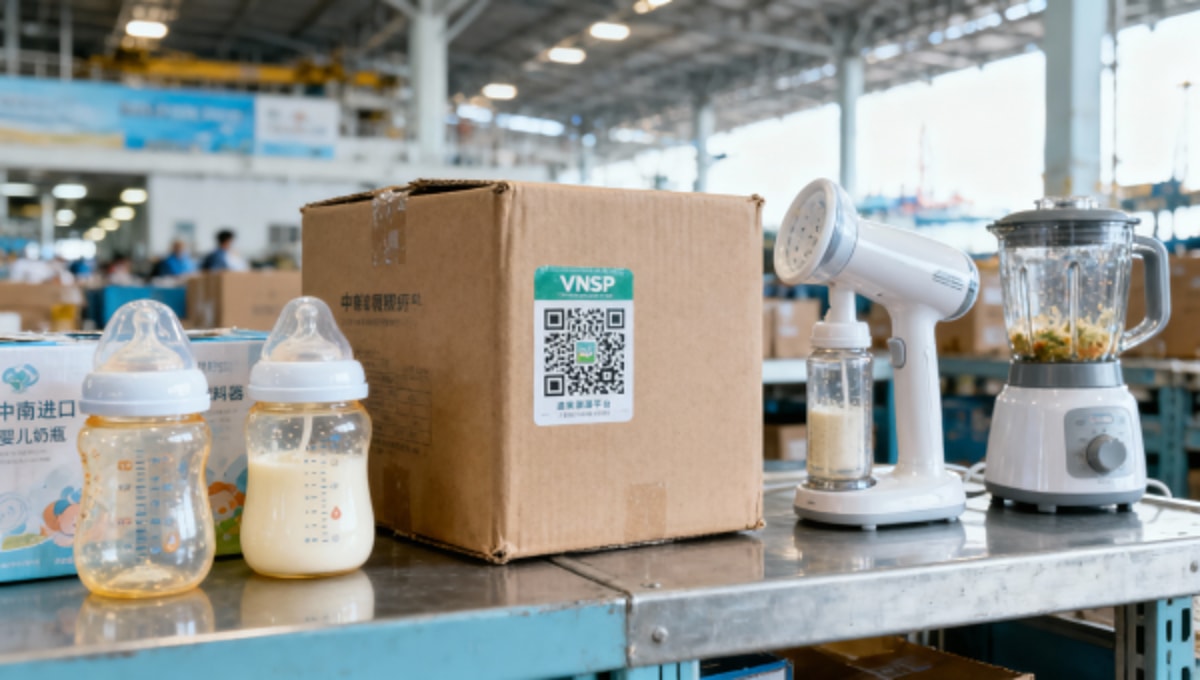
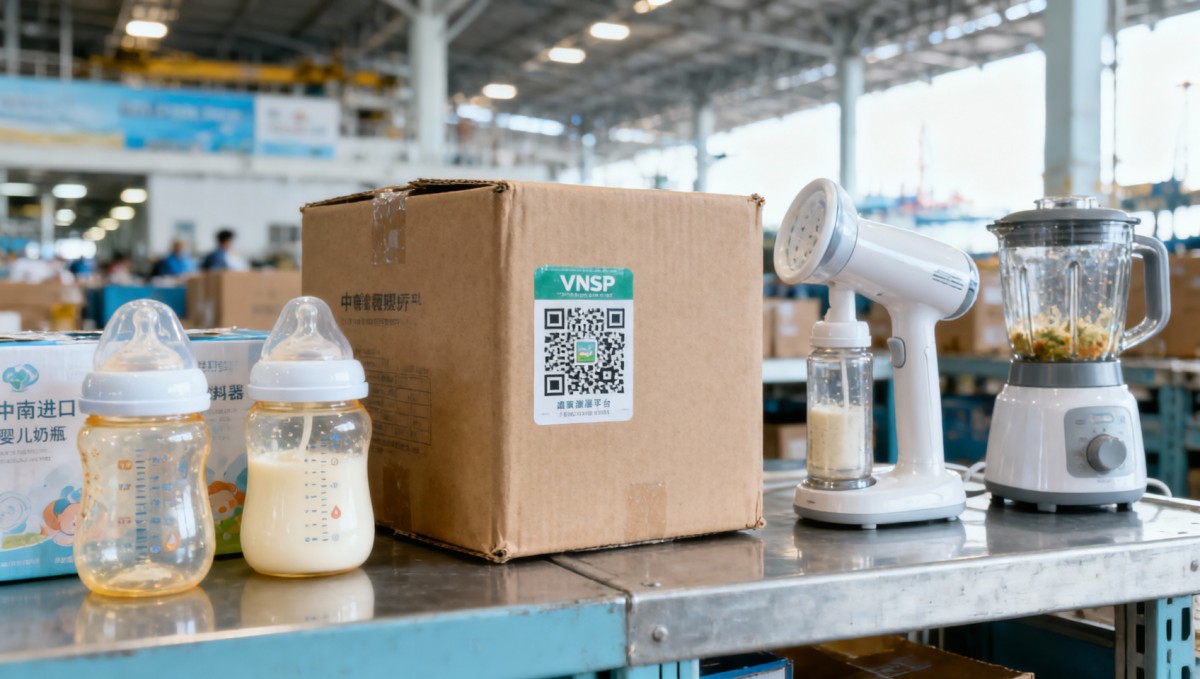
Starting May 1, 2026, Vietnam’s Ministry of Industry and Trade (MOIT) will implement new RCEP-related import facilitation measures affecting infant feeding and care products — including baby bottles, breast pumps, and baby food processors — imported from China. While the policy reduces inspection sampling rates significantly, it introduces a mandatory national QR-code traceability requirement. Exporters, importers, and supply chain service providers in infant product trade between China and Vietnam should monitor operational implications closely.
Event Overview
Effective May 1, 2026, the Ministry of Industry and Trade of Vietnam (MOIT) will apply revised import procedures under the Regional Comprehensive Economic Partnership (RCEP) framework. For Chinese-origin infant feeding and care products — specifically baby bottles, breast pumps, and baby food processors — the import inspection sampling rate will be reduced from 40% to 15%. Concurrently, all consignments must carry a QR code certified by Vietnam’s National Source Traceability Platform (VNSP), registered and batch-linked through a designated Vietnamese local agent.
Industries Affected
Direct Trading Enterprises (Exporters & Importers)
These entities face dual operational shifts: lower physical inspection burden but new compliance overhead. The 15% sampling rate improves clearance predictability, yet the VNSP QR code requirement adds mandatory pre-arrival registration, third-party agent coordination, and batch-level data synchronization — increasing lead time and documentation complexity for each shipment.
Manufacturing Enterprises (OEM/ODM Producers)
Factories supplying infant feeding products to Vietnamese importers must now support traceability data generation per production batch (e.g., date, line, raw material lot). They may need to adjust labeling workflows and share verified batch records with Vietnamese agents — a departure from prior export-only documentation practices.
Supply Chain Service Providers (Logistics, Compliance Agents, Local Representatives)
Designated local agents in Vietnam will become essential intermediaries for VNSP registration and QR code issuance. Logistics and customs brokers may see increased demand for bundled services covering label verification, platform registration, and batch-data reconciliation — but only if formally authorized by MOIT or VNSP as recognized agents.
What Relevant Enterprises Should Monitor and Act On
Confirm official VNSP agent authorization status
MOIT has not published a public list of approved local agents for VNSP registration. Enterprises should verify whether their current Vietnamese representative is formally authorized — or initiate engagement with MOIT-accredited entities ahead of May 2026 to avoid clearance delays.
Map labeling and packaging changes for QR integration
The VNSP QR code must be physically affixed to each consignment. Manufacturers and exporters need to assess label space, print specifications (size, contrast, scannability), and alignment with existing packaging — especially for small items like nipples or pump parts where surface area is limited.
Distinguish between RCEP tariff benefits and this MOIT administrative measure
This rule change concerns inspection frequency and traceability — not RCEP tariff schedules. Enterprises should not conflate reduced sampling with automatic duty reductions; preferential tariff treatment remains subject to separate Certificate of Origin (Form EV) requirements under RCEP Annex 2-B.
Prepare batch-level traceability documentation internally
Producers must retain and be ready to submit verifiable production batch records (start/end time, operator ID, raw material lots used) to their Vietnamese agent. Internal quality management systems should support rapid retrieval of such data — ideally digitized and exportable in Vietnamese or English, as required by VNSP.
Editorial Observation / Industry Perspective
Observably, this measure reflects Vietnam’s broader shift toward risk-based import control: reducing inspections for trusted origin countries while strengthening digital traceability for consumer safety accountability. Analysis shows it is less a standalone trade liberalization step and more an administrative recalibration — tightening oversight at the point of entry even as physical checks ease. From an industry perspective, it signals growing emphasis on end-to-end supply chain transparency over volume-based regulatory relief. Current implementation details — particularly VNSP technical standards and agent accreditation criteria — remain pending official publication and warrant continuous monitoring.
Conclusion
For infant feeding product stakeholders trading with Vietnam, this update represents a procedural pivot rather than a market access expansion. It lowers one friction point (inspection frequency) while introducing a new, systemic compliance layer (digital traceability). Enterprises are better advised to treat it as an operational readiness milestone — not a policy simplification — and prioritize alignment with Vietnam’s domestic traceability infrastructure before May 2026.
Information Sources
Main source: Vietnam Ministry of Industry and Trade (MOIT) official notice, effective May 1, 2026.
Note: VNSP technical specifications, approved agent list, and QR code format guidelines have not yet been publicly released and remain under observation.
Related Intelligence
 Nursery Furniture & MonitorsMay 04, 2026Wooden Baby Cribs Wholesale: Safety Checks That Should Not Be SkippedWooden baby cribs wholesale safety checks every buyer should verify: compliance, materials, structural strength, hardware, and factory controls to reduce recall risk.
 Activewear OEMMay 04, 2026Organic Baby Clothes Wholesale: How to Verify Fabric ClaimsOrganic baby clothes wholesale guide: learn how to verify fabric claims, check certifications, review lab tests, and spot supplier risks for safer sourcing and confident wholesale decisions.
 Infant Feeding & CareMay 04, 2026Wholesale Cloth Diapers: Cost Trade-Offs That Matter Over TimeWholesale cloth diapers: compare more than unit price. Discover the long-term cost trade-offs in sourcing, compliance, returns, packaging, and margin strategy.
 Infant Feeding & CareMay 04, 2026Biodegradable Baby Wipes: Are They Better in Daily UseBiodegradable baby wipes: are they truly better for daily use? Explore softness, durability, skin safety, and travel convenience to choose the best option for family trips.
 Infant Feeding & CareMay 04, 2026Silicone Teething Rings: What to Look for Before You BuySilicone teething rings guide: learn how to compare safety, food-grade materials, easy-clean designs, and age-appropriate features before you buy for home or travel.
 Infant Feeding & CareMay 04, 2026Baby Pacifiers Manufacturer Comparison: Material, Mold, and ComplianceBaby pacifiers manufacturer comparison guide covering material safety, mold precision, and compliance readiness to help buyers reduce sourcing risk and choose reliable global partners.
 Infant Feeding & CareMay 04, 2026Silicone Baby Bibs OEM Trends That Make Sense in 2026Silicone baby bibs OEM trends for 2026: discover safer sourcing, private-label flexibility, and travel retail opportunities that help buyers reduce risk and grow family-focused sales.
 Infant Feeding & CareMay 04, 2026BPA Free Baby Bottles: How to Judge Safety Beyond the LabelBPA free baby bottles safety goes beyond the label. Learn how travel service quality teams assess materials, testing, certificates, and supplier risk for safer sourcing.
 Infant Feeding & CareMay 04, 2026Electric Breast Pump OEM: What to Review Before Final ApprovalElectric breast pump OEM final approval starts with more than price. Review compliance, reliability, warranty risk, and supplier readiness before you sign.
 Infant Feeding & CareMay 04, 2026Manual Breast Pump Wholesale: When Simpler Products Sell BetterManual breast pump wholesale performs best where portability, affordability, and easy selling matter most. Discover why simpler products win in travel retail, pharmacies, e-commerce, and emerging markets.
 Infant Feeding & CareMay 04, 2026Baby High Chairs OEM: Features Parents Notice Before Anything ElseBaby high chairs OEM guide for parents: compare stability, harness safety, non-toxic materials, and easy-clean design to choose a trusted high chair with confidence.
 Baby Gear & StrollersMay 04, 2026Maternity Backpack OEM Ideas That Fit Modern Parenting NeedsMaternity backpack OEM ideas for modern parenting: explore travel-ready layouts, smart storage, safe materials, and customization tips that help brands source better and launch with confidence.
 Baby Gear & StrollersMay 04, 2026Baby Walkers Wholesale: Market Demand, Risks, and Model SelectionBaby walkers wholesale insights for travel retail and global buyers: explore demand shifts, compliance risks, and the best model mix to source safer, higher-converting products.