JIS T 2101:2026 Enforces AI False Alarm Limit for Infant Monitors
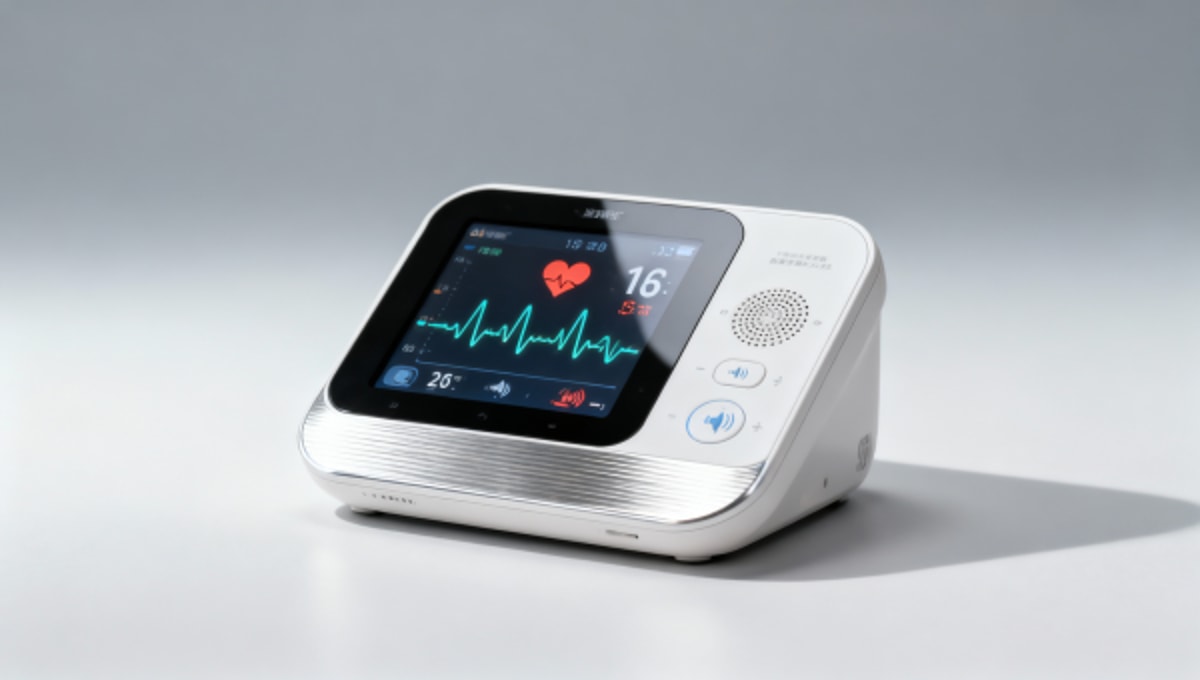
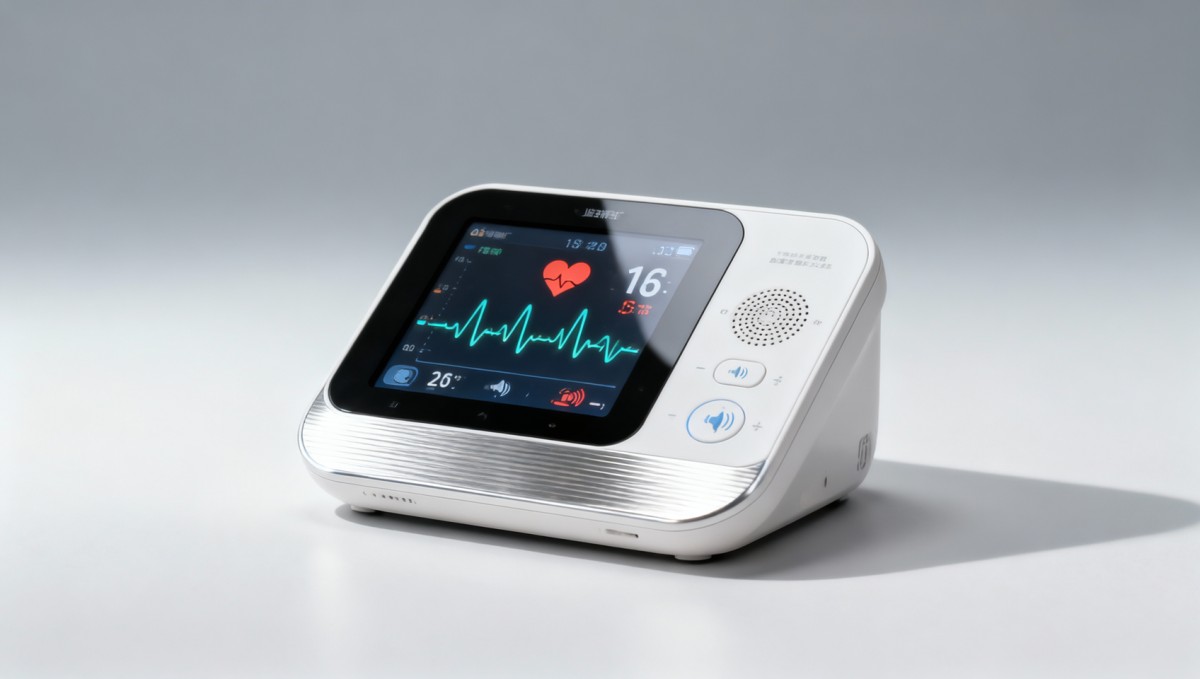
Japan’s revised industrial standard JIS T 2101:2026—effective 1 October 2026—introduces the first mandatory upper limit of 0.3% per hour for AI-driven false alarm rates in infant monitors. This update directly impacts manufacturers and exporters of nursery monitoring devices, especially those supplying the Japanese market, and signals a tightening regulatory focus on algorithmic reliability in consumer health-tech products.
Event Overview
The Japanese Industrial Standards Committee (JISC) published JIS T 2101:2026, Performance Requirements for Infant Monitors, on 1 May 2026. The standard formally enters into force on 1 October 2026. It newly mandates testing and certification of AI-based detection algorithms—including false positives for events such as apnea (misclassified from crying) or fall detection (misclassified from normal movement)—with an absolute cap of 0.3% false alarms per hour. Chinese manufacturers of nursery furniture and infant monitors must complete algorithm retesting and obtain updated JIS certification before the enforcement date.
Industries Affected
Direct Exporters to Japan
Companies exporting infant monitors to Japan face immediate compliance pressure. Because JIS certification is required for market access, failure to meet the new AI false alarm threshold may result in delayed customs clearance, product rejection, or withdrawal from retail channels after 1 October 2026.
Hardware-Software Integrated Manufacturers
Firms developing both monitor hardware and embedded AI logic—especially those using proprietary or third-party computer vision/audio models—must now validate full-system performance under standardized test conditions. Algorithm retraining, edge-case dataset expansion, and formal verification against JIS-defined scenarios become prerequisite steps—not optional enhancements.
Supply Chain Service Providers (Testing Labs & Certification Bodies)
Accredited laboratories offering JIS conformity assessment will see increased demand for AI-specific validation services, including false alarm rate measurement protocols aligned with Annex B of JIS T 2101:2026. Capacity planning and method validation for repeatable, auditable AI performance testing are now critical operational considerations.
What Relevant Enterprises or Practitioners Should Focus On
Monitor official updates from JISC and METI on test methodology details
JIS T 2101:2026 references test procedures but does not fully specify implementation parameters (e.g., ambient noise profiles, motion simulation fidelity, or data annotation standards). Analysis shows that final interpretation—and potential variance in lab results—may depend on forthcoming technical guidance from Japan’s Ministry of Economy, Trade and Industry (METI).
Prioritize retesting for models deployed in high-risk detection categories
Observably, the 0.3% threshold applies uniformly across all AI-triggered alerts. However, models relying on audio-only cry analysis or low-resolution motion tracking are statistically more prone to exceeding the limit. Firms should triage by detection modality and sensor configuration—not just model version—when scheduling revalidation.
Distinguish between certification readiness and commercial deployment timelines
From industry perspective, JIS certification is a legal gate for import—but does not guarantee retailer acceptance. Major Japanese electronics retailers and baby specialty chains may impose stricter internal KPIs (e.g., ≤0.15% false alarm rate) ahead of or alongside regulatory enforcement. Aligning with channel requirements requires separate engagement beyond minimum compliance.
Initiate cross-functional alignment between R&D, QA, and regulatory affairs teams now
Current more suitable approach is to treat algorithm retesting not as a standalone compliance task, but as a coordinated effort involving firmware engineers, data scientists, and regulatory documentation specialists. Early mapping of existing training datasets against JIS-specified false alarm triggers helps identify gaps in scenario coverage before lab submission.
Editorial Perspective / Industry Observation
This revision is better understood as a regulatory signal than an isolated technical update. Analysis shows it reflects Japan’s broader shift toward outcome-based regulation for AI-integrated medical and wellness devices—even where classification remains non-medical. It also indicates growing international divergence: while IEC 62366-1 focuses on usability, and FDA’s SaMD framework emphasizes clinical validation, JIS T 2101:2026 introduces a quantifiable, time-bound performance floor for real-world operational reliability. Observably, this may prompt similar thresholds in Korea (KS), Taiwan (CNS), or ASEAN markets seeking harmonized safety benchmarks.
Conclusion
While JIS T 2101:2026 does not redefine infant monitor functionality, it materially raises the bar for AI system accountability in consumer-facing applications. Its significance lies less in novelty and more in enforceability: a hard numeric ceiling backed by national standard status. For affected stakeholders, the current situation is best interpreted as a fixed deadline for technical due diligence—not a flexible guideline—and one that underscores how algorithmic performance metrics are becoming core compliance artifacts in global trade.
Source: Japanese Industrial Standards Committee (JISC), Publication Notice No. JISC/TC 109/2026-001, dated 1 May 2026; JIS T 2101:2026, Infant Monitors — Performance Requirements, issued by JISC, effective 1 October 2026.
Note: Test protocol details—including reference datasets, environmental conditions, and pass/fail adjudication rules—are referenced in Annex B but remain subject to official clarification by METI. Ongoing monitoring of METI announcements is recommended.
Related Intelligence
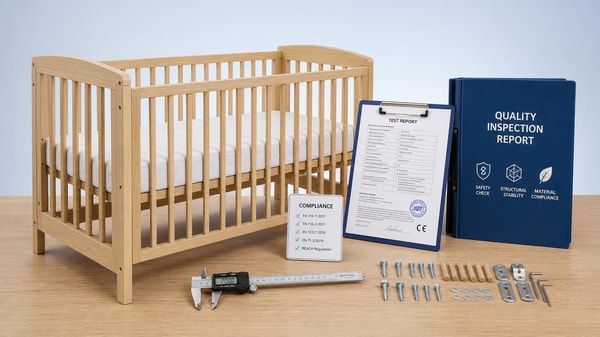
 Nursery Furniture & MonitorsMay 04, 2026Wooden Baby Cribs Wholesale: Safety Checks That Should Not Be SkippedWooden baby cribs wholesale safety checks every buyer should verify: compliance, materials, structural strength, hardware, and factory controls to reduce recall risk.
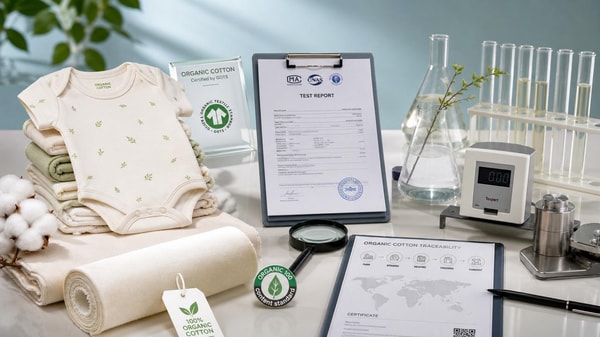
 Activewear OEMMay 04, 2026Organic Baby Clothes Wholesale: How to Verify Fabric ClaimsOrganic baby clothes wholesale guide: learn how to verify fabric claims, check certifications, review lab tests, and spot supplier risks for safer sourcing and confident wholesale decisions.
 Infant Feeding & CareMay 04, 2026Wholesale Cloth Diapers: Cost Trade-Offs That Matter Over TimeWholesale cloth diapers: compare more than unit price. Discover the long-term cost trade-offs in sourcing, compliance, returns, packaging, and margin strategy.
 Infant Feeding & CareMay 04, 2026Biodegradable Baby Wipes: Are They Better in Daily UseBiodegradable baby wipes: are they truly better for daily use? Explore softness, durability, skin safety, and travel convenience to choose the best option for family trips.
 Infant Feeding & CareMay 04, 2026Silicone Teething Rings: What to Look for Before You BuySilicone teething rings guide: learn how to compare safety, food-grade materials, easy-clean designs, and age-appropriate features before you buy for home or travel.
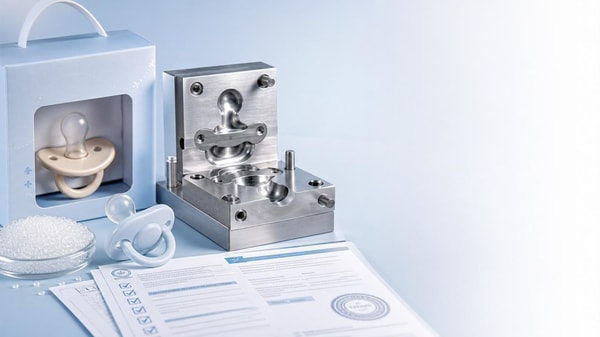
 Infant Feeding & CareMay 04, 2026Baby Pacifiers Manufacturer Comparison: Material, Mold, and ComplianceBaby pacifiers manufacturer comparison guide covering material safety, mold precision, and compliance readiness to help buyers reduce sourcing risk and choose reliable global partners.
 Infant Feeding & CareMay 04, 2026Silicone Baby Bibs OEM Trends That Make Sense in 2026Silicone baby bibs OEM trends for 2026: discover safer sourcing, private-label flexibility, and travel retail opportunities that help buyers reduce risk and grow family-focused sales.
 Infant Feeding & CareMay 04, 2026BPA Free Baby Bottles: How to Judge Safety Beyond the LabelBPA free baby bottles safety goes beyond the label. Learn how travel service quality teams assess materials, testing, certificates, and supplier risk for safer sourcing.
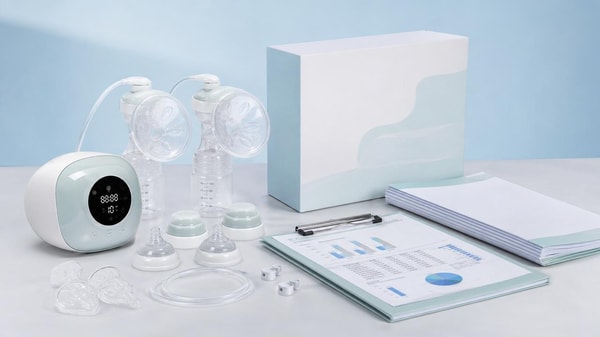
 Infant Feeding & CareMay 04, 2026Electric Breast Pump OEM: What to Review Before Final ApprovalElectric breast pump OEM final approval starts with more than price. Review compliance, reliability, warranty risk, and supplier readiness before you sign.
 Infant Feeding & CareMay 04, 2026Manual Breast Pump Wholesale: When Simpler Products Sell BetterManual breast pump wholesale performs best where portability, affordability, and easy selling matter most. Discover why simpler products win in travel retail, pharmacies, e-commerce, and emerging markets.
 Infant Feeding & CareMay 04, 2026Baby High Chairs OEM: Features Parents Notice Before Anything ElseBaby high chairs OEM guide for parents: compare stability, harness safety, non-toxic materials, and easy-clean design to choose a trusted high chair with confidence.
 Baby Gear & StrollersMay 04, 2026Maternity Backpack OEM Ideas That Fit Modern Parenting NeedsMaternity backpack OEM ideas for modern parenting: explore travel-ready layouts, smart storage, safe materials, and customization tips that help brands source better and launch with confidence.
 Baby Gear & StrollersMay 04, 2026Baby Walkers Wholesale: Market Demand, Risks, and Model SelectionBaby walkers wholesale insights for travel retail and global buyers: explore demand shifts, compliance risks, and the best model mix to source safer, higher-converting products.