Shanghai Port Launches Green Packaging Priority Lane for Baby Gear Exports

Starting May 1, 2026, Shanghai Port implements a ‘Green Packaging Priority Lane’ for exports of baby gear and nursery furniture meeting FSC Chain-of-Custody (COC) certified recycled wood or bamboo requirements — offering zero customs inspection and 24-hour clearance. This initiative directly affects exporters, material suppliers, and manufacturers in the infant and juvenile product supply chain, signaling a tightening alignment between sustainability compliance and trade facilitation in China’s key export hub.
Event Overview
On May 1, 2026, Shanghai Customs and the Shanghai Municipal Commission of Commerce jointly launched a pilot program titled the ‘Green Packaging Priority Lane’. Under this measure, export shipments classified under ‘Baby Gear & Strollers’ and ‘Nursery Furniture & Monitors’ that use FSC-Certified Chain-of-Custody (COC) recycled wood or bamboo — and provide complete, verifiable chain-of-custody documentation — are granted zero physical customs inspection and guaranteed 24-hour release. The pilot currently covers Shanghai’s Pudong and Yangshan ports. According to official announcements, average customs clearance time is expected to shorten by 3.2 days.
Industries Affected
Direct Exporters (Trade Enterprises)
Exporters handling baby gear and nursery furniture shipments from Shanghai face immediate operational implications: eligibility for expedited clearance now depends on documented FSC-COC certification covering both material origin and processing steps. Without full chain-of-custody evidence, even FSC-labeled materials may not qualify — meaning prior assumptions about certification sufficiency no longer hold.
Raw Material Suppliers
Suppliers of regenerated wood or bamboo panels must now ensure their FSC-COC certificates explicitly cover export-oriented downstream use and include traceable transaction records across all tiers (e.g., harvest → mill → panel producer → exporter). Blanket or domestic-use-only FSC certifications will not satisfy the lane’s verification requirements.
Manufacturers (OEM/ODM Factories)
Factories producing strollers, cribs, monitors, or related nursery items must integrate FSC-COC documentation into order fulfillment workflows — including internal recordkeeping of material batch numbers, supplier declarations, and third-party audit reports. Production timelines may need adjustment to accommodate certification validation before shipment booking.
Supply Chain Service Providers
Freight forwarders and customs brokers handling these categories must verify FSC-COC documentation *before* filing export declarations — not after. Incomplete or non-compliant paperwork risks automatic exclusion from the priority lane, reverting shipments to standard inspection queues with no time guarantee.
What Relevant Enterprises Should Monitor and Act On
Track official implementation guidance beyond the pilot announcement
The current notice outlines eligibility criteria but does not specify document format standards, acceptable third-party auditors, or appeals processes for rejected applications. Enterprises should monitor updates from Shanghai Customs and the Shanghai Municipal Commission of Commerce for procedural details expected in Q2 2026.
Confirm FSC-COC scope coverage for specific export orders
FSC-COC certification is not automatically transferable across product lines or destinations. Exporters must validate that each certificate explicitly includes the exported item category (e.g., ‘folding stroller frames’) and the destination market (e.g., EU, US), as future expansions of the lane may introduce regional or tariff-line restrictions.
Distinguish policy signal from immediate operational readiness
While the lane launches May 1, 2026, system integration at port terminals and customs declaration platforms may require several weeks for full stabilization. Early adopters should allow buffer time for documentation reconciliation and avoid scheduling critical shipments in the first 15 days of the pilot unless pre-tested with customs brokers.
Prepare documentation workflows ahead of shipment planning
Enterprises should map current FSC-COC documentation flows — identifying gaps in supplier attestations, internal traceability logs, or bilingual (Chinese–English) certificate translations. Where missing, initiate corrective actions *now*, as FSC-COC audits and re-certifications typically require 4–8 weeks.
Editorial Perspective / Industry Observation
Observably, this initiative is less a standalone incentive and more an early calibration of how Chinese port authorities may embed environmental compliance into core trade infrastructure. Analysis shows it prioritizes verifiability over volume — rewarding end-to-end traceability rather than general eco-labeling. From an industry perspective, it signals growing institutional linkage between ESG reporting expectations and tangible border efficiency gains. It is currently best understood as a policy signal with phased operational impact: while immediate benefits apply only to two product categories at two ports, its design strongly suggests scalability to other green-certified materials (e.g., recycled plastics, bio-based foams) and additional export hubs if pilot KPIs — such as reduction in inspection rate and average dwell time — meet targets.

Conclusion
This measure marks a concrete step toward integrating forest stewardship verification into routine export logistics — not as a voluntary add-on, but as a condition for procedural advantage. Its significance lies not in scale, but in precedent: it establishes FSC-COC documentation as a functional trade enabler, not merely a marketing attribute. Currently, it is more accurately understood as a targeted pilot with high symbolic weight and moderate near-term operational impact — one that rewards preparedness, not just intention.
Information Sources
Primary source: Joint announcement issued by Shanghai Customs and Shanghai Municipal Commission of Commerce, effective May 1, 2026.
Note: Expansion beyond Pudong and Yangshan ports, inclusion of additional product categories, or changes to documentation requirements remain subject to official updates and are under active observation.
Related Intelligence
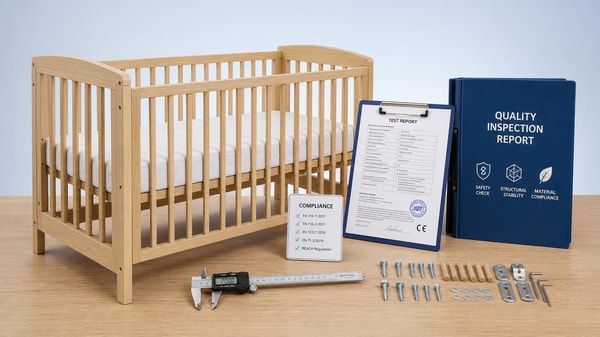
 Nursery Furniture & MonitorsMay 04, 2026Wooden Baby Cribs Wholesale: Safety Checks That Should Not Be SkippedWooden baby cribs wholesale safety checks every buyer should verify: compliance, materials, structural strength, hardware, and factory controls to reduce recall risk.
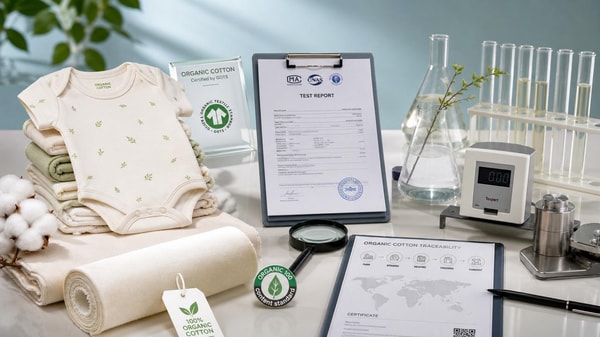
 Activewear OEMMay 04, 2026Organic Baby Clothes Wholesale: How to Verify Fabric ClaimsOrganic baby clothes wholesale guide: learn how to verify fabric claims, check certifications, review lab tests, and spot supplier risks for safer sourcing and confident wholesale decisions.
 Infant Feeding & CareMay 04, 2026Wholesale Cloth Diapers: Cost Trade-Offs That Matter Over TimeWholesale cloth diapers: compare more than unit price. Discover the long-term cost trade-offs in sourcing, compliance, returns, packaging, and margin strategy.
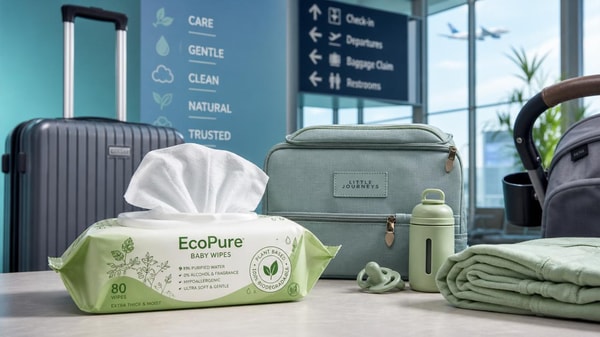
 Infant Feeding & CareMay 04, 2026Biodegradable Baby Wipes: Are They Better in Daily UseBiodegradable baby wipes: are they truly better for daily use? Explore softness, durability, skin safety, and travel convenience to choose the best option for family trips.
 Infant Feeding & CareMay 04, 2026Silicone Teething Rings: What to Look for Before You BuySilicone teething rings guide: learn how to compare safety, food-grade materials, easy-clean designs, and age-appropriate features before you buy for home or travel.
 Infant Feeding & CareMay 04, 2026Baby Pacifiers Manufacturer Comparison: Material, Mold, and ComplianceBaby pacifiers manufacturer comparison guide covering material safety, mold precision, and compliance readiness to help buyers reduce sourcing risk and choose reliable global partners.
 Infant Feeding & CareMay 04, 2026Silicone Baby Bibs OEM Trends That Make Sense in 2026Silicone baby bibs OEM trends for 2026: discover safer sourcing, private-label flexibility, and travel retail opportunities that help buyers reduce risk and grow family-focused sales.
 Infant Feeding & CareMay 04, 2026BPA Free Baby Bottles: How to Judge Safety Beyond the LabelBPA free baby bottles safety goes beyond the label. Learn how travel service quality teams assess materials, testing, certificates, and supplier risk for safer sourcing.
 Infant Feeding & CareMay 04, 2026Electric Breast Pump OEM: What to Review Before Final ApprovalElectric breast pump OEM final approval starts with more than price. Review compliance, reliability, warranty risk, and supplier readiness before you sign.
 Infant Feeding & CareMay 04, 2026Manual Breast Pump Wholesale: When Simpler Products Sell BetterManual breast pump wholesale performs best where portability, affordability, and easy selling matter most. Discover why simpler products win in travel retail, pharmacies, e-commerce, and emerging markets.
 Infant Feeding & CareMay 04, 2026Baby High Chairs OEM: Features Parents Notice Before Anything ElseBaby high chairs OEM guide for parents: compare stability, harness safety, non-toxic materials, and easy-clean design to choose a trusted high chair with confidence.
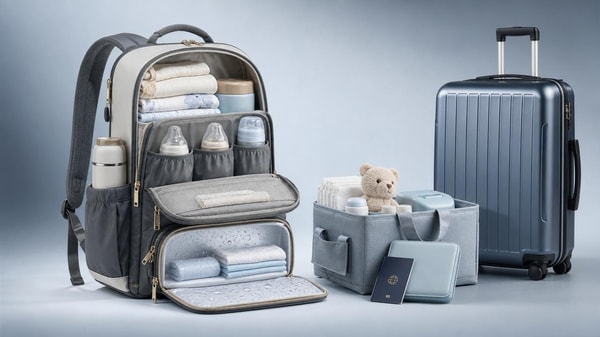
 Baby Gear & StrollersMay 04, 2026Maternity Backpack OEM Ideas That Fit Modern Parenting NeedsMaternity backpack OEM ideas for modern parenting: explore travel-ready layouts, smart storage, safe materials, and customization tips that help brands source better and launch with confidence.
 Baby Gear & StrollersMay 04, 2026Baby Walkers Wholesale: Market Demand, Risks, and Model SelectionBaby walkers wholesale insights for travel retail and global buyers: explore demand shifts, compliance risks, and the best model mix to source safer, higher-converting products.