Fishing Lures Manufacturer Checklist for Consistent Product Quality
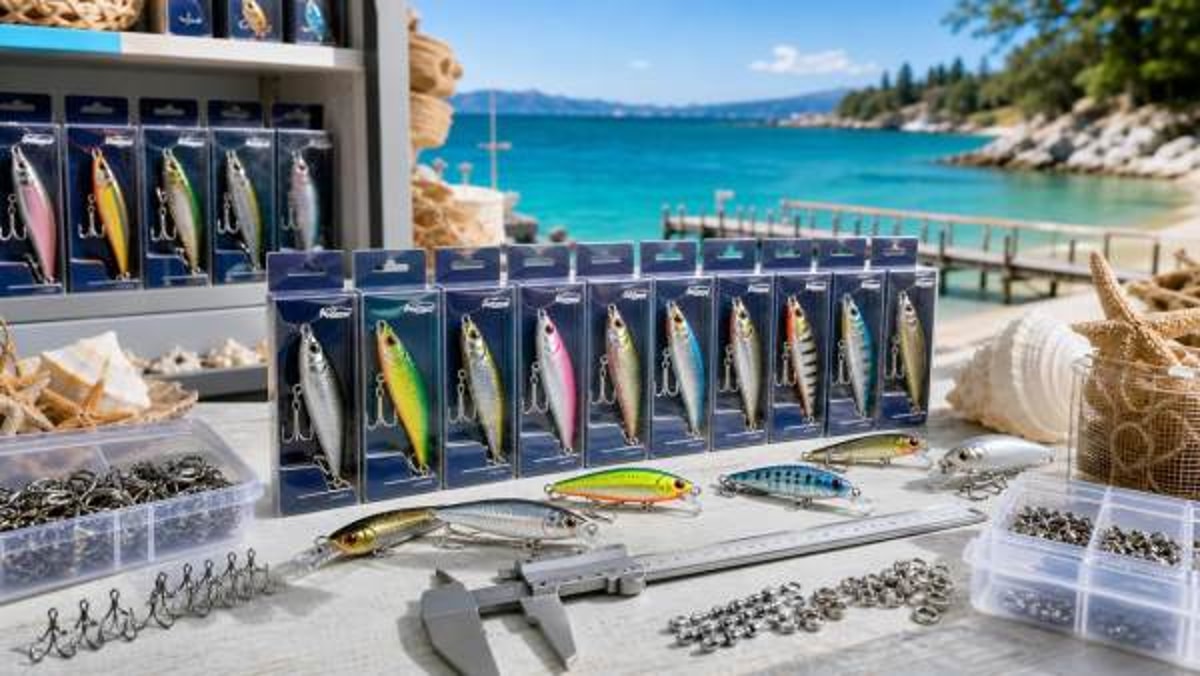
For quality control and safety teams, choosing a reliable fishing lures manufacturer is not just about cost or speed—it is about repeatable quality, compliance, and risk prevention. This checklist highlights the key controls, inspection points, and supplier standards that help ensure every lure meets performance expectations, safety requirements, and brand consistency across production runs.
Why a checklist works better than a simple supplier comparison
For QC and safety managers in travel service retail supply chains, especially those supporting outdoor tourism, recreational fishing programs, resort gift shops, and destination-based sporting goods channels, a checklist creates consistency in supplier evaluation. A fishing lures manufacturer may look competitive on price, sampling speed, or catalog variety, yet still introduce hidden risk through unstable coatings, weak hook attachment, poor packaging integrity, or incomplete chemical compliance records.
A checklist-driven review helps teams compare factories using the same criteria across RFQ, sample approval, pilot production, and full-volume orders. It also reduces dependence on verbal assurances. For brands serving travelers, anglers, tour operators, and outdoor retail partners, repeatable quality matters because product failure damages both customer trust and destination experience. The right fishing lures manufacturer should therefore be evaluated as a process partner, not just a production source.
Priority checks before you approve any fishing lures manufacturer
Before discussing color assortments or MOQ, quality and safety teams should verify a short list of non-negotiable controls. These early checks eliminate high-risk suppliers quickly and save time during qualification.
- Confirm product scope: hard baits, soft plastics, metal lures, skirted jigs, spinnerbaits, or hybrid assemblies all require different inspection plans.
- Review factory specialization: a fishing lures manufacturer experienced in injection-molded lure bodies may not control feather, silicone skirt, or hand-painted finishing quality equally well.
- Check compliance capability: ask for material declarations, heavy metal testing where relevant, and documentation for coatings, adhesives, soft PVC, and packaging materials.
- Assess traceability: the supplier should track raw materials, batch numbers, tooling revisions, and inspection records by production lot.
- Verify incoming quality control: hooks, split rings, swivels, blades, weights, and paint components must be inspected before assembly.
- Audit process control points: molding, painting, curing, balancing, hook assembly, and packaging should each have measurable standards.
- Review corrective action discipline: ask how the factory handles recurring defects, customer complaints, and deviation approvals.
Core production quality checklist for fishing lures
A reliable fishing lures manufacturer should demonstrate control over performance, appearance, safety, and packaging. The following areas should be included in your inspection protocol and supplier audit worksheet.
1. Raw material consistency
Start with the bill of materials. Plastic resin grade, soft bait compound, metal wire specification, hook hardness, split ring gauge, paint composition, and adhesive type all affect durability and compliance. Request approved material lists and compare them against mass production usage. Unauthorized substitutions are one of the most common causes of inconsistent lure action, discoloration, cracking, or corrosion.
2. Dimensional and weight tolerance
Lure swimming action depends on tight control of length, width, weight, and internal balance. QC teams should define acceptable tolerances for each SKU, including body halves, lip angle, wire-through alignment, hook size, and ballast placement. Even small variation can change casting distance, sink rate, vibration, and retrieval behavior.
3. Coating, paint, and print adhesion
Travel retail and outdoor tourism channels often value premium appearance, so finish quality has direct commercial impact. Test for paint adhesion, UV resistance where applicable, scratch resistance, and consistency across colorways. Eyes, scales, foil layers, and top coats should not peel, bubble, or bleed. A capable fishing lures manufacturer should define curing time and environmental conditions for stable finishing results.
4. Corrosion resistance of metal components
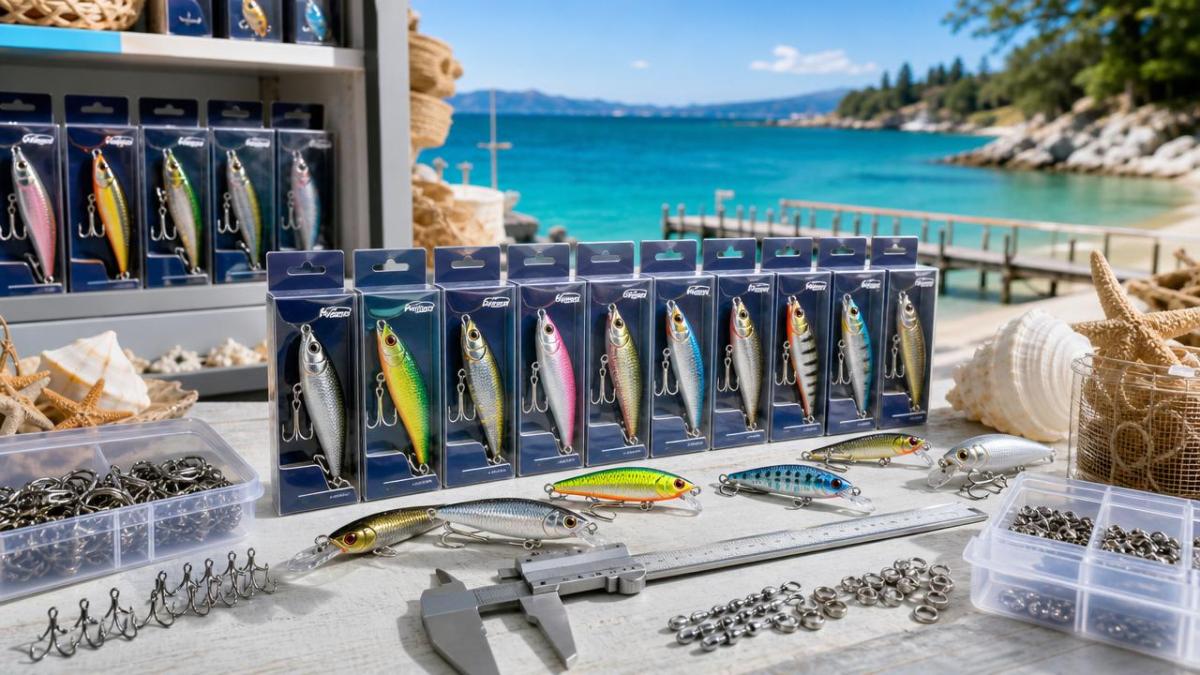
Hooks, split rings, swivels, blades, and wire forms must resist rust under expected use conditions. Saltwater and freshwater programs should be separated in your specification sheets. If the supplier serves mixed markets, confirm that anti-corrosion claims are supported by testing, not only by material descriptions. Surface plating quality should also be inspected for flaking or uneven coverage.
5. Structural integrity and pull strength
Check eyelets, line ties, hook hangers, glued seams, and body joints. For multi-part lures, joint hardware and pin installation must hold under repeated movement. Pull tests should reflect realistic stress points, including snag recovery and fish strike load. A fishing lures manufacturer that cannot provide documented pull-test criteria may lack process maturity.
6. Functional performance verification
Appearance alone is not enough. Sample testing should include swim action, wobble consistency, spin balance, sink rate, buoyancy, sound output for rattling baits, and hook movement clearance. These checks are especially important when sourcing private-label products for tourism destinations where first-use satisfaction influences reviews and repeat purchases.
Supplier audit points that quality teams should document
When evaluating a fishing lures manufacturer, site audit findings should be documented in a way that supports both supplier approval and future CAPA review. Focus on evidence, not claims.
Extra checks for travel service and destination retail scenarios
Because the business context includes travel service, some quality priorities go beyond standard tackle performance. Products sold through resorts, marinas, guided fishing tours, airport-adjacent retail, cruise excursions, and destination gift shops face a different usage profile. Buyers often include casual anglers, tourists, and first-time users, which raises the importance of safe handling, clear labeling, and ready-to-sell packaging.
- Packaging durability for transit and display: blister cracks, clamshell seal failure, and bent inserts create a poor shelf impression.
- Consumer warning clarity: sharp-hook warnings, age suitability, and safe handling instructions should be easy to read.
- Merchandising consistency: destination retail often relies on compact assortments, so color coding, barcode accuracy, and carton labeling must support fast replenishment.
- Giftability and finish quality: tourists frequently buy tackle as souvenirs or bundled outdoor items, making cosmetic defects more damaging.
- Humidity and climate resilience: products sold in coastal or tropical travel markets require stronger packaging and corrosion planning.
Commonly overlooked risks when selecting a fishing lures manufacturer
Many sourcing decisions fail not because teams ignore major issues, but because they overlook small process gaps that become expensive later. QC and safety managers should pay attention to the following risk reminders.
- Sample-to-mass-production mismatch. Hand-finished pre-production samples may not reflect real line conditions.
- Uncontrolled sub-suppliers. Hooks, rings, and packaging are often outsourced, yet their quality directly affects final performance.
- Inconsistent color matching across batches. This matters for private-label lines and destination-exclusive assortments.
- Insufficient packaging drop validation. Good lure quality can still fail at retail if packaging opens or deforms during shipping.
- Weak complaint feedback loops. If field defects are not linked back to lot data, preventive action becomes impossible.
How to execute the checklist in a practical sourcing workflow
To make this checklist useful, integrate it into each sourcing milestone. During supplier screening, collect certifications, process maps, and material declarations. During sample review, verify dimensions, lure action, finish quality, and component strength. During pilot runs, compare line output against approved samples and record defect patterns. During full production, apply in-line and final AQL inspections supported by traceable batch records.
It is also wise to divide supplier approval into conditional levels. For example, a fishing lures manufacturer may be approved for simple metal spoons or spinner products before being qualified for multi-jointed hard baits with complex coating systems. This staged approach reduces exposure while still allowing supplier development.
Questions to ask before moving forward
If your team is preparing to qualify a fishing lures manufacturer, prioritize these discussion points:
- What defect categories are tracked, and what are the last 12 months of trends?
- Which components are made in-house and which are purchased externally?
- What testing is done per lot versus only during development?
- How are material changes approved and communicated?
- What records support traceability for complaints, recalls, or market withdrawals?
- Can the supplier support destination retail packaging, multilingual warnings, and climate-specific corrosion needs?
Final takeaway for QC and safety teams
A dependable fishing lures manufacturer should be judged through evidence-based quality controls, not only through price, lead time, or attractive sampling. For QC and safety professionals, the most important checks are material consistency, process discipline, component durability, documented testing, packaging integrity, and traceability. In travel service-related retail environments, the bar is even higher because product quality shapes customer experience, brand reputation, and destination trust.
If you are moving toward supplier selection or private-label expansion, prepare your target specifications, compliance requirements, defect thresholds, packaging needs, shipment conditions, and expected inspection methods first. Then use those inputs to compare each fishing lures manufacturer on the same checklist. That is the fastest way to reduce risk, improve consistency, and build a stronger sourcing decision.
Related Intelligence
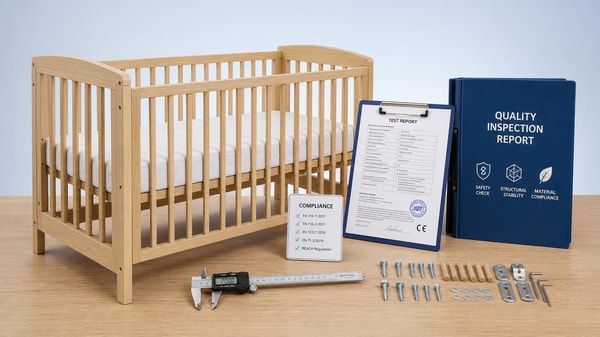
 Nursery Furniture & MonitorsMay 04, 2026Wooden Baby Cribs Wholesale: Safety Checks That Should Not Be SkippedWooden baby cribs wholesale safety checks every buyer should verify: compliance, materials, structural strength, hardware, and factory controls to reduce recall risk.
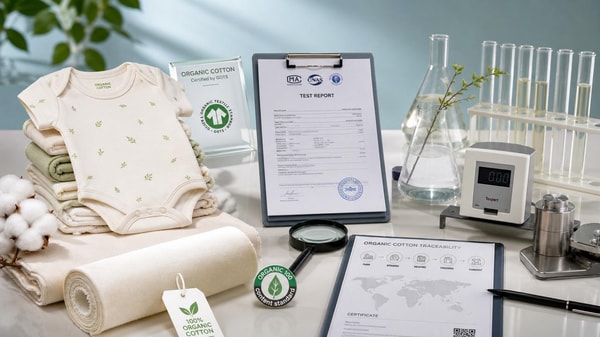
 Activewear OEMMay 04, 2026Organic Baby Clothes Wholesale: How to Verify Fabric ClaimsOrganic baby clothes wholesale guide: learn how to verify fabric claims, check certifications, review lab tests, and spot supplier risks for safer sourcing and confident wholesale decisions.
 Infant Feeding & CareMay 04, 2026Wholesale Cloth Diapers: Cost Trade-Offs That Matter Over TimeWholesale cloth diapers: compare more than unit price. Discover the long-term cost trade-offs in sourcing, compliance, returns, packaging, and margin strategy.
 Infant Feeding & CareMay 04, 2026Biodegradable Baby Wipes: Are They Better in Daily UseBiodegradable baby wipes: are they truly better for daily use? Explore softness, durability, skin safety, and travel convenience to choose the best option for family trips.
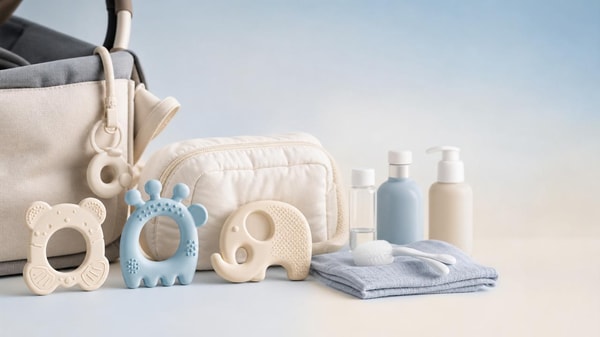
 Infant Feeding & CareMay 04, 2026Silicone Teething Rings: What to Look for Before You BuySilicone teething rings guide: learn how to compare safety, food-grade materials, easy-clean designs, and age-appropriate features before you buy for home or travel.
 Infant Feeding & CareMay 04, 2026Baby Pacifiers Manufacturer Comparison: Material, Mold, and ComplianceBaby pacifiers manufacturer comparison guide covering material safety, mold precision, and compliance readiness to help buyers reduce sourcing risk and choose reliable global partners.
 Infant Feeding & CareMay 04, 2026Silicone Baby Bibs OEM Trends That Make Sense in 2026Silicone baby bibs OEM trends for 2026: discover safer sourcing, private-label flexibility, and travel retail opportunities that help buyers reduce risk and grow family-focused sales.
 Infant Feeding & CareMay 04, 2026BPA Free Baby Bottles: How to Judge Safety Beyond the LabelBPA free baby bottles safety goes beyond the label. Learn how travel service quality teams assess materials, testing, certificates, and supplier risk for safer sourcing.
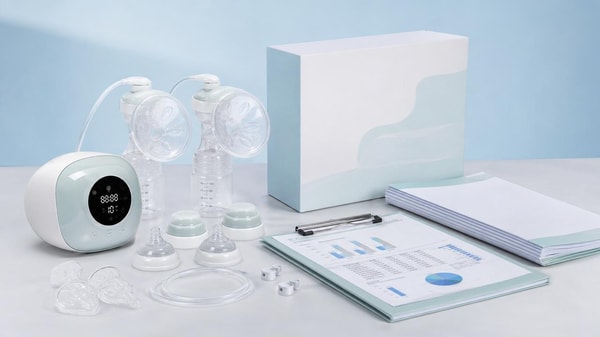
 Infant Feeding & CareMay 04, 2026Electric Breast Pump OEM: What to Review Before Final ApprovalElectric breast pump OEM final approval starts with more than price. Review compliance, reliability, warranty risk, and supplier readiness before you sign.
 Infant Feeding & CareMay 04, 2026Manual Breast Pump Wholesale: When Simpler Products Sell BetterManual breast pump wholesale performs best where portability, affordability, and easy selling matter most. Discover why simpler products win in travel retail, pharmacies, e-commerce, and emerging markets.
 Infant Feeding & CareMay 04, 2026Baby High Chairs OEM: Features Parents Notice Before Anything ElseBaby high chairs OEM guide for parents: compare stability, harness safety, non-toxic materials, and easy-clean design to choose a trusted high chair with confidence.
 Baby Gear & StrollersMay 04, 2026Maternity Backpack OEM Ideas That Fit Modern Parenting NeedsMaternity backpack OEM ideas for modern parenting: explore travel-ready layouts, smart storage, safe materials, and customization tips that help brands source better and launch with confidence.
 Baby Gear & StrollersMay 04, 2026Baby Walkers Wholesale: Market Demand, Risks, and Model SelectionBaby walkers wholesale insights for travel retail and global buyers: explore demand shifts, compliance risks, and the best model mix to source safer, higher-converting products.